


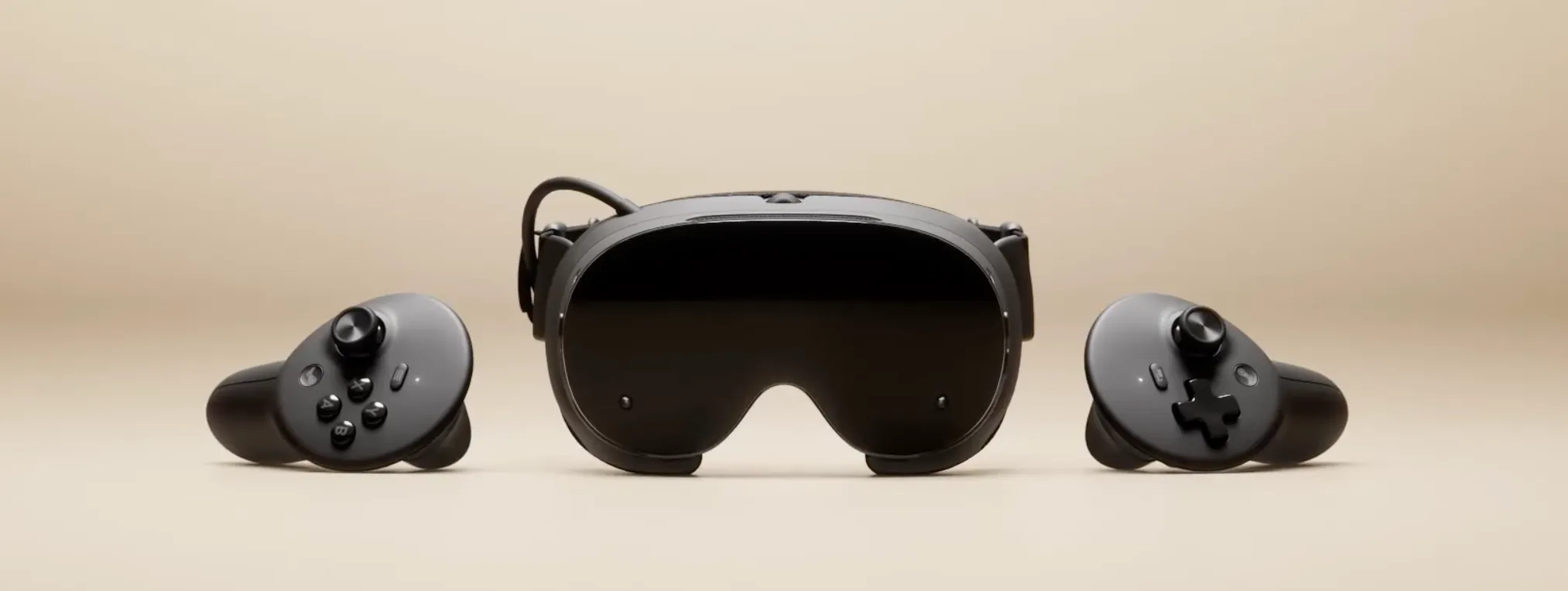
Meta's entertainment push into virtual reality just got a major boost with the arrival of Disney+ on Quest headsets through the new Horizon TV hub. Meta introduced this centralized streaming platform during its Connect keynote, according to PCMag, bringing together popular services in one convenient location. The hub combines major streaming platforms including Prime Video, Peacock, and Twitch alongside Disney's entire ecosystem, as reported by The Verge. This development represents Meta's most significant step toward transforming VR headsets into comprehensive entertainment devices that rival traditional smart TVs.
What makes Horizon TV different from scattered VR streaming?
Here's where things get interesting—Meta isn't just throwing a bunch of apps together and calling it a day. The Horizon TV experience goes far beyond simply collecting apps in one place, addressing some of the most frustrating aspects of VR entertainment that users have been complaining about for years.
The platform consolidates popular streaming apps in one place, and the breadth of content partnerships is genuinely impressive. We're talking about Prime Video, Peacock, DAZN, Amazon Music, Twitch, Pluto TV, Spotify, and iHeart Radio all living under one roof. This unified approach enables Meta to optimize the entire viewing experience in ways that scattered individual apps simply can't achieve.
But here's what really caught my attention—Meta has tackled some of the technical issues that have made VR viewing a less-than-ideal experience. They've made significant platform improvements that include eliminating letterboxing and displaying media in correctly sized windows based on aspect ratio. If you've ever tried watching a movie in VR and ended up squinting at a weirdly proportioned screen, you know exactly why this matters—and why fixing it could be the difference between VR entertainment being a novelty and becoming a genuine alternative to traditional viewing.
Disney's full ecosystem arrives with premium features
Now here's where Meta's strategy gets really ambitious. The Disney partnership isn't just about getting one more streaming service on the platform—it's about bringing Disney's entire entertainment universe into VR with the technical foundation to support premium experiences. Zuckerberg's announcement highlighted that the Disney+ deal also brings Hulu and ESPN to Horizon TV, creating what might be the most comprehensive streaming bundle available in virtual reality.
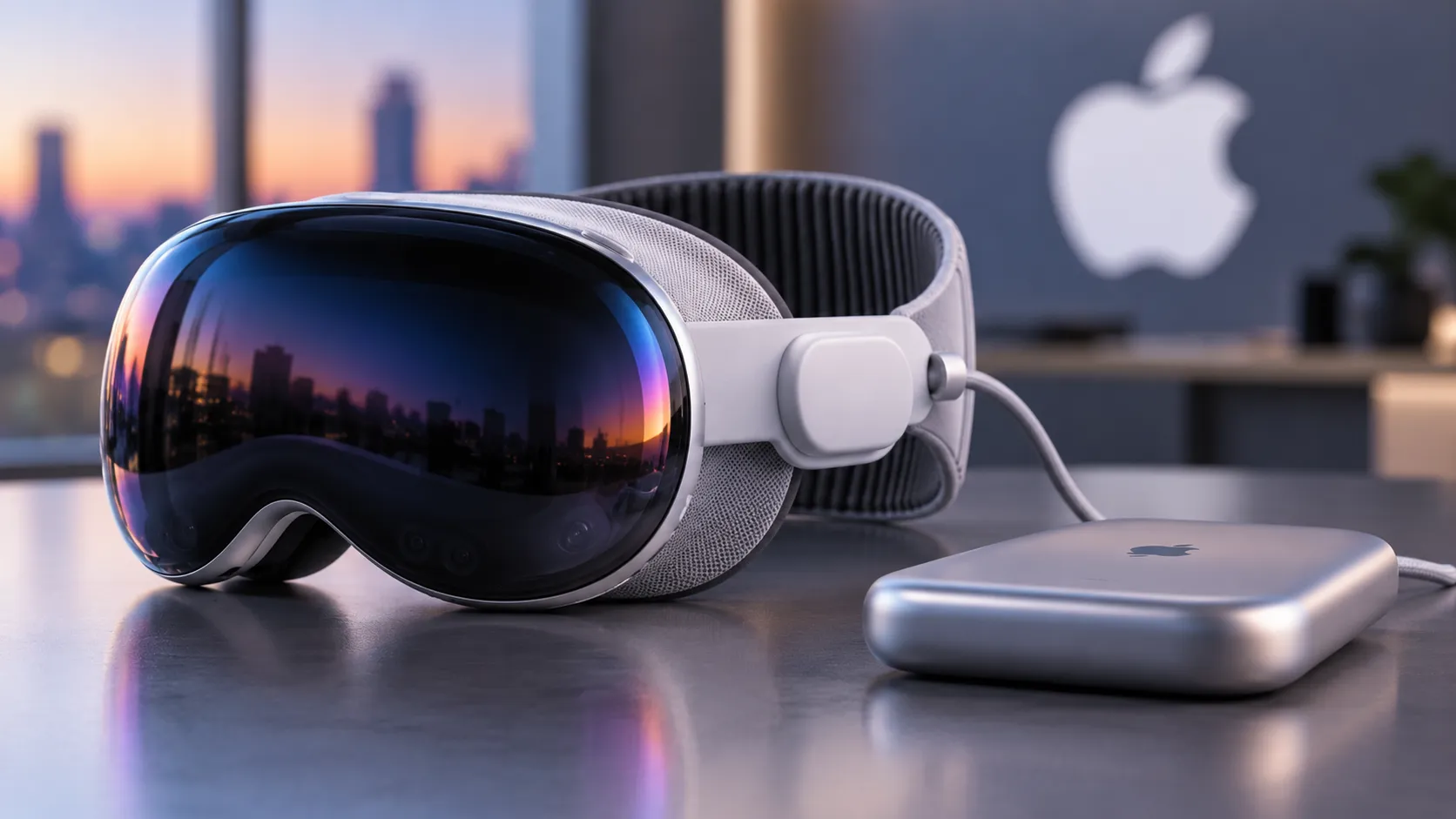
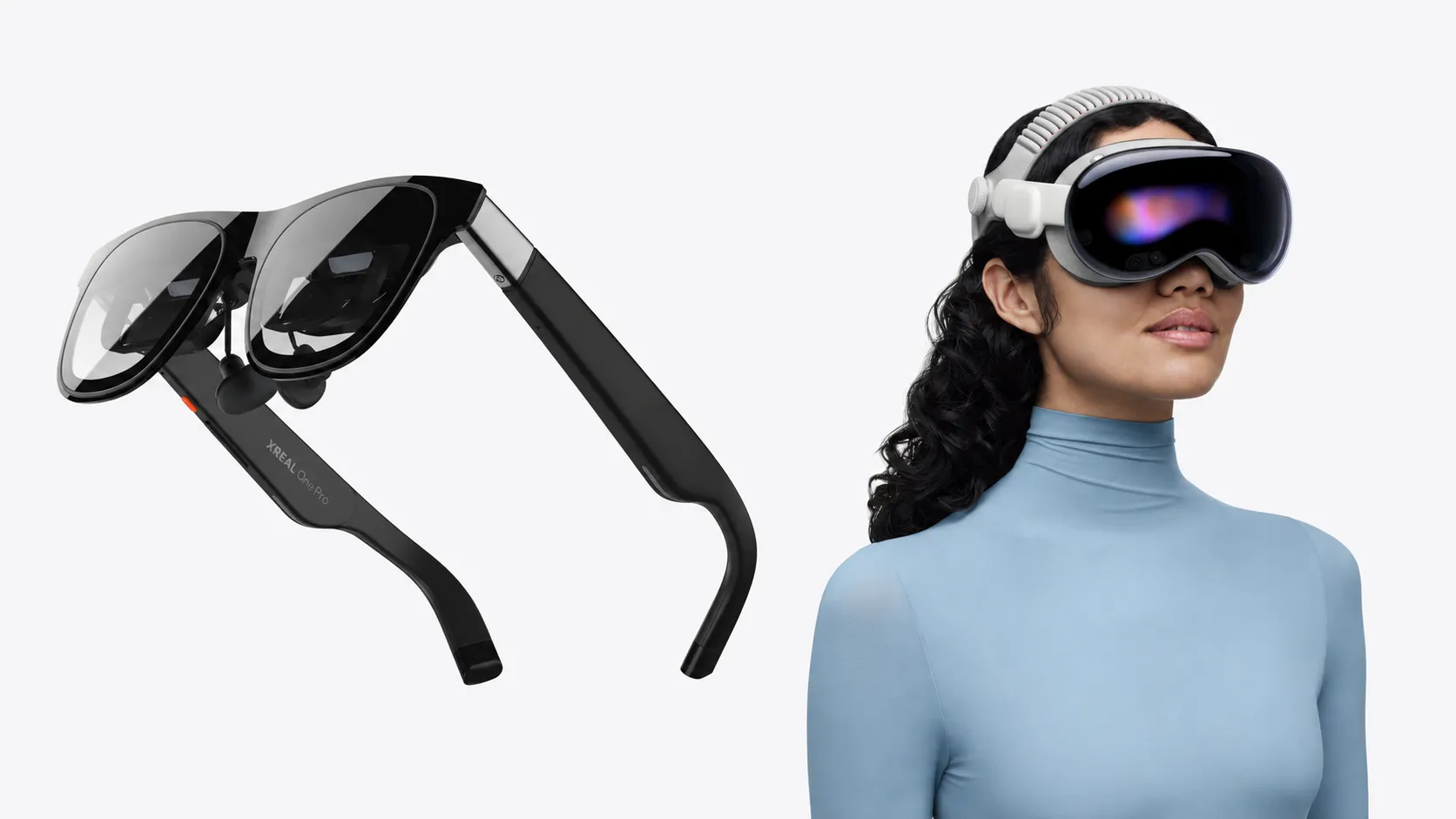
What's particularly noteworthy is how this mirrors Disney's serious commitment to immersive platforms. The company has been making strategic moves in premium VR entertainment, and Disney+ launched with dozens of 3D movies like 'Avatar: The Way of Water,' 'Avengers: Endgame,' and 'Star Wars: The Force Awakens' on Apple's Vision Pro. This cross-platform strategy suggests Disney sees VR as a legitimate platform for premium content distribution, not just a experimental playground.
From a technical standpoint, Meta isn't cutting corners on the premium features that justify VR over traditional viewing. The platform supports Dolby Atmos at launch with Dolby Vision support arriving later this year. In VR, these premium audio-visual technologies become even more impactful—Dolby Atmos can create truly spatial sound that surrounds you in ways impossible on traditional speakers, while Dolby Vision's enhanced contrast and color accuracy become more immersive when you're wearing the display directly on your face.
Immersive 3D content partnerships push VR boundaries
Here's where things get really exciting—Meta isn't just focusing on traditional streaming content. They're actively pursuing partnerships that leverage VR's unique capabilities to create experiences you literally can't get anywhere else, establishing content as a key differentiator for VR adoption.
The company has partnered with Universal Pictures and Blumhouse to bring movies like The Black Phone and M3GAN with immersive 3D effects. These aren't just 3D versions of existing movies, but content specifically designed to take advantage of VR's immersive capabilities. For horror fans especially, the spatial audio and 3D effects create an intensity level that traditional screens simply cannot match.
But the real strategic coup might be Meta's exclusive content pipeline. Horizon TV will stream an exclusive clip from James Cameron's upcoming film Avatar: Fire and Ash, connecting to the broader partnership where Meta is partnering with James Cameron to help bring significantly more 3D video content to Quest headsets. Getting exclusive content from Cameron—who's essentially the pioneer of immersive filmmaking—signals that major filmmakers are taking VR seriously as a premium distribution platform.
This approach demonstrates Meta's understanding that immersive video content can differentiate media consumption in VR from traditional flat-screen experiences. It's not enough to just port existing content to VR—you need content that actually justifies putting on a headset, and exclusive immersive experiences provide exactly that value proposition.
Technical requirements and Meta's broader entertainment strategy
If you're ready to dive into this new entertainment ecosystem, you'll need the latest version of Horizon OS (v79 or later) to get started. That's a pretty straightforward requirement, but it ensures you're getting the full feature set that Meta has built into the platform.
What's really interesting is how this launch fits into Meta's larger strategic repositioning of VR as a mainstream entertainment platform. The company has been making some significant moves behind the scenes that signal a shift from VR-as-gaming-accessory to VR-as-entertainment-hub. They recently removed all user-generated content from the Horizon TV app to focus entirely on professional partnerships and premium content. That's a pretty clear signal about where they see the platform heading—toward curated, high-quality experiences rather than user-generated content.
The sports angle represents another key pillar of this strategy. Meta has established a partnership with the NBA to show games from a courtside perspective, which could fundamentally change sports viewing. Imagine watching a basketball game from courtside seats that would normally cost thousands of dollars—that's the kind of unique value proposition that could drive mainstream VR adoption beyond gaming enthusiasts.
And this is clearly just the beginning of a much more ambitious roadmap. Meta plans to announce new partnerships and ways to watch sports and other content in the future, suggesting that the Disney+ launch is more of an opening move than a final destination. The company is clearly betting big on entertainment as a key driver for VR adoption, with sports, movies, and exclusive content all playing strategic roles.
Where VR entertainment goes from here
The arrival of Disney+ on Meta's Quest headsets through Horizon TV feels like one of those moments that could mark a real shift in how we think about VR. For years, virtual reality has been primarily seen as a gaming platform with some interesting side applications. But what we're seeing here is the foundation for something much more ambitious—VR as a comprehensive entertainment platform that competes directly with traditional viewing experiences.
This move mirrors Apple's collaboration with Disney to offer 3D movies on the Vision Pro headset, signaling growing competition in the VR entertainment space. When two tech giants are actively courting the same entertainment partners and both Disney and Apple are investing heavily in immersive content creation, it signals that the market has reached a tipping point where VR entertainment is becoming commercially viable at scale.
Meta's execution strategy here is particularly clever. By recreating familiar smart TV experiences in virtual reality while layering on immersive enhancements that are impossible on traditional screens, they're not asking people to completely change their media consumption habits. Instead, they're offering a familiar experience with compelling upgrades—better virtual seating, exclusive content, spatial audio, and viewing experiences that can't be replicated elsewhere.
The real test will be whether Meta can deliver on the promise of making VR entertainment compelling enough to justify putting on a headset instead of just turning on your TV. With major studios now creating content specifically for VR platforms, streaming giants like Disney fully embracing the medium, and exclusive partnerships bringing unique experiences to VR, we're witnessing the foundation being laid for VR's transformation from a gaming accessory into a legitimate entertainment platform that could reshape how we consume media entirely. The technical pieces are finally falling into place—the question now is whether the content and user experience can live up to the platform's potential.




Comments
Be the first, drop a comment!