


Even Realities Even Hub Launches: Can Constrained Smart Glasses Build an App Ecosystem?
Even Realities has launched Even Realities' Even Hub, a third-party app platform for its G2 smart glasses, alongside Prep Notes, a meeting-prep and real-time conversation tool now rolling out to existing owners. Both arrived the week of March 30, 9to5Google reported (March 26, 2026).
The simultaneous release is deliberate. Even Hub needs a compelling first-party use case to give developers a reason to build, and Prep Notes is the company's clearest argument for what the platform is actually for.
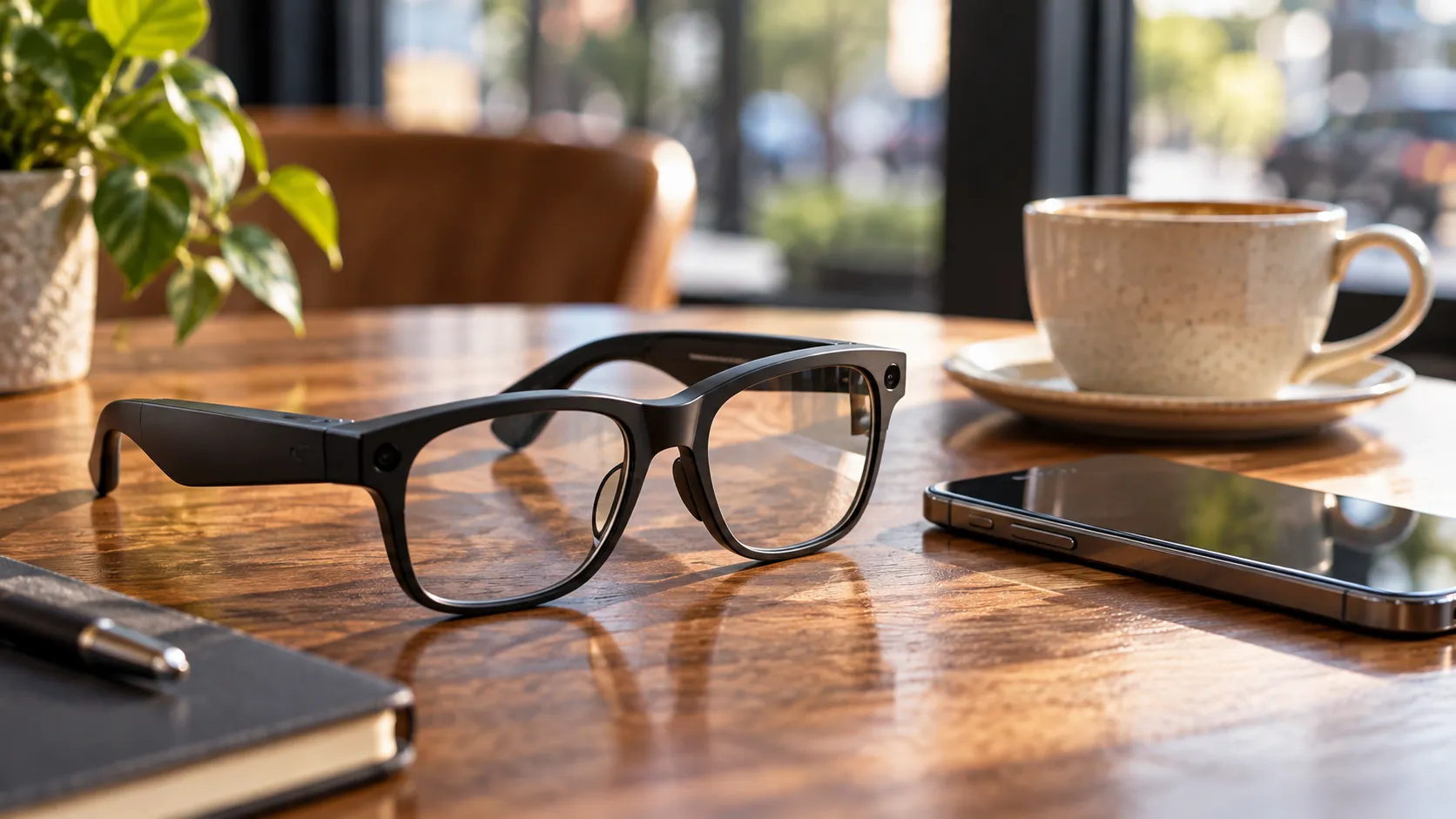
The question Even Hub poses is narrower than "can this become an app store?" It is whether a device with no camera, no speaker, a text-first glanceable display, and input limited to a temple tap or R1 ring click can support a genuinely useful software ecosystem or whether the hardware constraints that make the G2 distinctive also make it a dead end for developers.
Even seeded the platform with select developers before opening submissions broadly, per FindArticles (March 26, 2026). Even is making a simple claim with all of this: these glasses are for discreet ambient assistance, not recording, and Even Hub is how that claim gets tested by people outside the company.
What the G2's limits actually are and why they define the platform
Every app on Even Hub has to survive the same constraints: a text-first, glanceable display; input via temple tap or optional R1 smart ring click; no camera; no speaker. These are not gaps waiting to be filled. They are the product definition, WebProNews noted (January 5, 2026). Even built the G2 to surface ambient AI prompts and live translation without capturing or broadcasting anything, positioning it explicitly against recording-centric competitors.
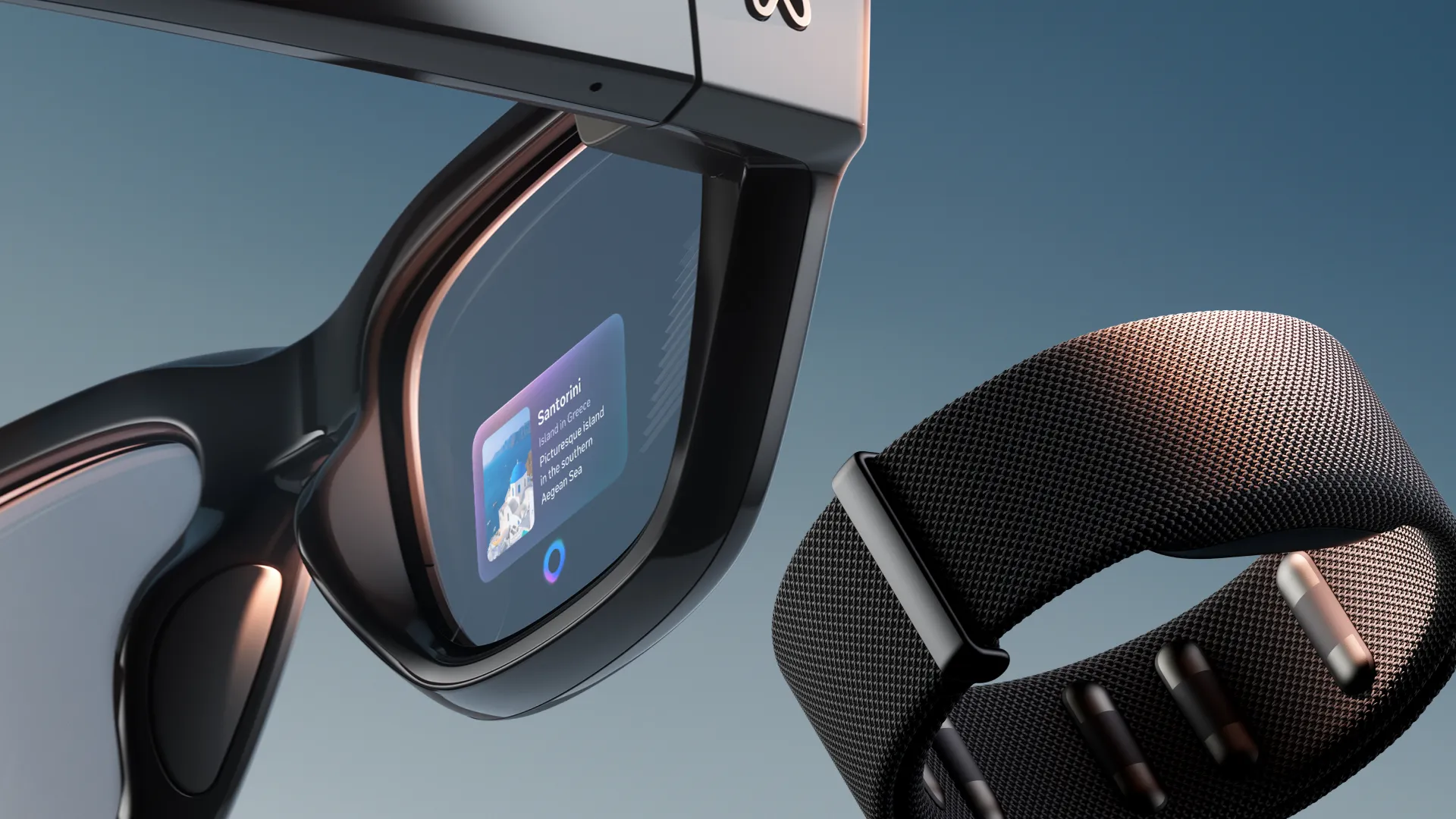
The hardware does support the software ambition in specific ways. Even doubled the G2's microphone array from two to four, directly enabling the voice-driven and conversational features the platform is built around, per the Even Realities design blog (January 9, 2026). The on-glasses interface was also updated to reduce visual clutter and improve legibility, 9to5Google reported (March 26, 2026) a foundational requirement for any app delivering information in short bursts while the user's attention is elsewhere.
Even's design team described the G2 launch as planting seeds for smarter interactions, with the software side now responsible for delivering on that promise, per the company's blog (January 9, 2026). The hardware set a ceiling. Even Hub is the first real test of how much can be built beneath it.
The constraint question matters because it determines the entire category of apps that can plausibly succeed here. An ebook reader works. A navigation prompt works. An always-on video feed does not exist. The platform is not underpowered; it is specifically powered, and the apps most likely to survive are those that treat a two-second glance as the complete interaction.
What Even Realities Even Hub is and what developers are actually getting
Even Hub is an app store built specifically for the G2's glanceable interface, not a repurposed mobile distribution layer. Developers gain API access tied to the glasses' AI features the ambient prompt system, live translation, and gesture-based input through the R1 ring and must outline how their app concepts fit the glasses' low-friction ethos before gaining access, WebProNews reported (January 5, 2026). That application filter is meaningful: Even is curating for coherence, not catalog size.
The early examples Even has cited an ebook reader, commute utilities, and a lightweight Snake-style game are not random filler, FindArticles noted (March 26, 2026). They signal what the platform is optimized for: serial text consumption, ambient information delivery, and short-session interactions that require no sustained attention. None of them try to replicate a phone experience. All of them are usable in under ten seconds. That is the template.
What Even has not disclosed is worth naming directly. There is no stated launch app count, no named developer partners, and no revenue share or approval criteria publicly available as of April 3, 2026. SDK documentation has not been published publicly as of the same date. Most critically, the G2's installed base remains undisclosed.
That last gap is the one that matters most to any developer considering where to spend build time.
The developer incentive problem
Why would a developer build for a tiny, constrained platform instead of iOS, Android, or Meta's ecosystem? The honest answer is that right now, there is no strong external reason to.
A platform without a stated audience is asking developers to bet alongside the hardware maker without knowing the odds. Even Hub's curation requirement submit a concept, demonstrate fit, get approved adds friction that mainstream app stores don't. For a hobbyist or a small team with a focused idea, that friction might be acceptable. For a studio weighing resource allocation, an undisclosed installed base is effectively a closed door.
The constraint itself could be a draw for the right developer. Building for a glanceable, text-only interface with no camera and single-gesture input is a specific creative problem, and some developers find genuine appeal in working within tight boundaries rather than against them. But even that argument requires Even to publish tooling documentation and ideally share some signal even directional about how many G2 owners exist. Without those basics, Even Hub is asking for developer faith, not developer participation.
Prep Notes: the use case that has to prove the platform's thesis
Prep Notes is the most concrete argument Even has made for why the G2 belongs in a professional context. Users upload documents pitch decks, research papers, reports, charts to the companion app, and the system distills that material into facts, figures, and keywords. When a relevant topic surfaces during a live conversation, the corresponding cue appears in the G2 display in real time, 9to5Google reported (March 26, 2026).
The feature also supports pre-meeting rehearsal. Users can hold a solo conversation with the glasses to work through their thinking before entering the room less a retrieval tool, more a structured way to pressure-test arguments quietly, per FindArticles (March 26, 2026). During the actual meeting, a tap on the temple or a click of the R1 ring cycles between live captions, AI suggestions, and prep prompts. Eyes forward, interaction minimal, nothing visible to anyone else in the room.
Even says Prep Notes will sharpen over time as it learns a user's ongoing projects, teammates, and terminology, so prompts become more specific rather than generic, FindArticles reported (March 26, 2026). McKinsey research has estimated that knowledge workers spend roughly one-fifth of their working week searching for and consolidating information the inefficiency Prep Notes targets, at least within one slice of a workday. A 2023 Stanford and MIT study found real-time AI guidance in call-center environments produced a 14% productivity improvement, as cited by FindArticles (March 26, 2026). Neither study measures the G2, but the logic holds: surface the right information at the right moment, and the interaction pays for itself.
Even has not said whether Prep Notes will reach the older G1. That is not a footnote; it tells existing G1 owners whether they are part of the platform's future or a prior generation being quietly retired.
What would make Even Hub succeed and what would sink it
The three variables that will determine Even Hub's trajectory are developer volume, tooling depth, and installed base growth. None of them are currently measurable from outside the company.
The constraint is a genuine differentiator only if it produces better apps, not just fewer apps. The ebook reader and commute helper examples show Even understands the interaction model. Whether outside developers produce apps that are equally coherent or whether the platform fills up with poorly adapted mobile ports will be the real test of the curation approach, per 9to5Google (March 26, 2026).
There is also a privacy credibility problem embedded in Prep Notes itself. The feature involves uploading documents, retaining personal context, and learning terminology over time. Even has not detailed how that data is stored, whether processing is on-device or cloud-based, or what user controls exist as of April 3, 2026. For a platform that markets privacy as its defining advantage over competitors, those are not secondary details. They are the product claim being tested every time someone uploads a pitch deck.
Prep Notes is live now for G2 owners. Even Hub is open for developer submissions this week, 9to5Google and FindArticles both reported (March 26, 2026). The timeline is real, the features are shipping. The platform is still at the stage where Even's intentions are clearer than its results.
The underlying bet is coherent: a camera-free, speaker-free wearable built for ambient professional assistance, with an app ecosystem shaped around what its display can actually do. That is a more honest product vision than trying to miniaturize a phone. Whether it is a viable one depends on whether Even publishes the tooling and installed-base data that would make building for the G2 a rational decision rather than an act of faith.
The unresolved question Even Hub leaves open is the most important one for the smart-glasses category: can a constrained wearable platform attract enough quality development to become genuinely useful, or do the same limits that make it distinctive also cap how far it can go? Even has made a coherent opening argument. The verdict is entirely open.




Comments
Be the first, drop a comment!