


Galaxy XR Performance Issues After Android XR Update: What Google Said
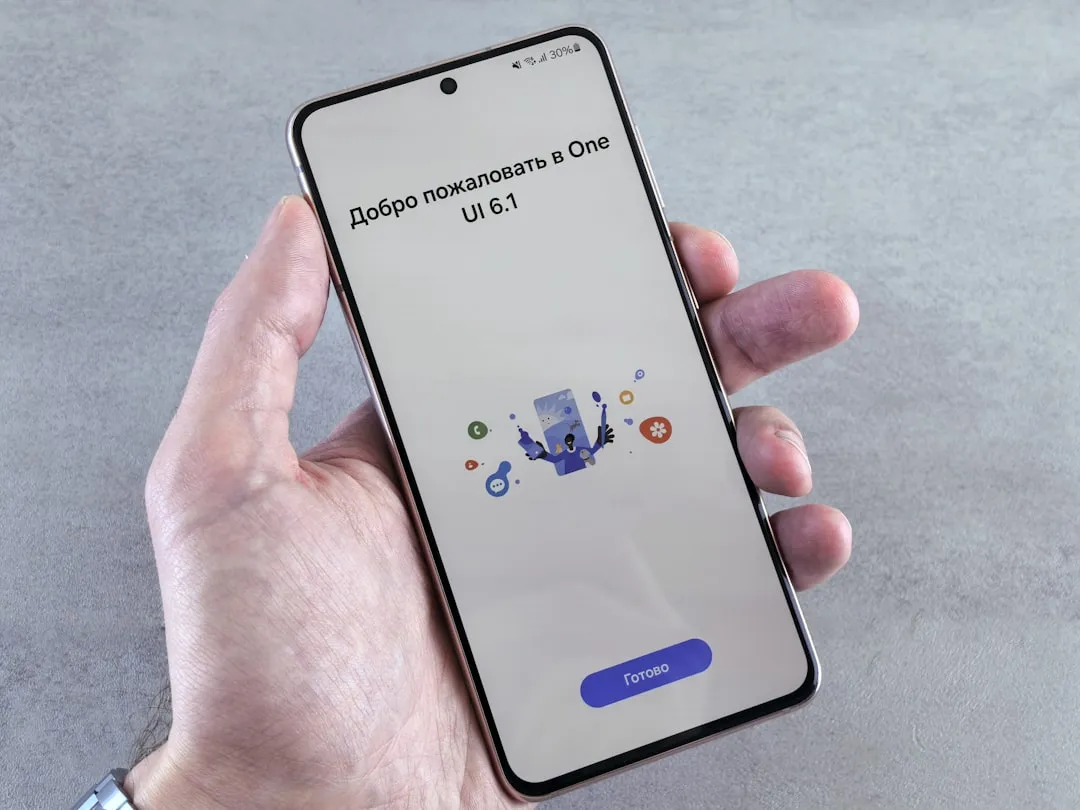
Samsung's Galaxy XR headset, previously shown publicly as Project Moohan is developing a serious problem after this month's Android XR update: the device runs normally at first, then grinds toward a near-halt within half an hour of use. Google acknowledged reports of Galaxy XR performance issues after the Android XR update, calling a hotfix an "absolute top priority," according to SamMobile. No patch timeline has been provided.
The slowdown is the most serious in a string of regressions tied to the same April update cycle. The same push introduced erratic head tracking and a significant resolution drop in VR content, problems Google also acknowledged last week, also without a repair date, per Android Authority.
Galaxy XR stuttering and freezing after update: what users report
The headset does not fail on launch. Performance starts normally, then deteriorates over roughly 20 to 30 minutes into what users describe as a slideshow: animations collapse, responsiveness drops, and the device eventually freezes or stutters until basic interaction becomes difficult or impossible.
Most complaints in community threads involve PC VR sessions, but SamMobile reports the problem does not seem limited to that use case. At least one user reported the slowdown occurring regardless of what tasks the headset is performing, which points toward a system-level fault rather than something specific to a single app or mode.
Reports come from multiple users across Reddit threads, and Google's response confirms the company is aware. No verified count of affected devices, firmware versions, or regions has been published. Multiple users reported similar symptoms across Reddit threads. How widely it extends across the installed base is still unknown.
The issue surfaced after this month's Android XR software update, not as a long-running hardware complaint. That matters because it suggests the problem may be addressable through a software patch rather than requiring any physical intervention.
What a memory leak actually means here, and why it fits
Community discussion has converged on a memory leak as the most plausible explanation for what users are experiencing. The theory has circulated in Reddit threads and been picked up in reporting on the issue. It is user-sourced pattern-matching, not an official diagnosis, and that distinction matters.
A memory leak, in plain terms, is what happens when software requests memory to complete a task but never properly releases it when the task is done. In a stable system, memory gets allocated and returned in a continuous cycle. When something breaks that cycle, the pool of available resources shrinks with every passing minute. Performance holds up early in a session because there is still enough memory to work with. Eventually there is not.
That description maps closely onto what Galaxy XR users are reporting: normal function at launch, progressive degradation through the session, and eventual collapse. The 20-to-30-minute window that SamMobile describes is consistent with a gradual resource drain rather than a sudden crash. So is the reported pattern of the headset failing to properly manage system resources over time, leading to freezing and a dramatic drop in responsiveness.
Google has not publicly named a root cause. There is no official engineering statement, diagnostic bulletin, or confirmed identification of a memory leak from either Google or Samsung. What makes the theory credible is how well the reported symptoms fit it. That is not the same as confirmed.
What is established: performance degrades progressively within a session, the issue appears to span multiple use modes, Google is aware and working on a fix, and it followed the April update. What remains unconfirmed: which component of the update is responsible, whether specific apps accelerate the problem, and whether every Galaxy XR unit is equally affected.
What Google has said, and what it has not
Google responded directly in the relevant Reddit thread, confirming the Android XR engineering team is aware of the slowdown and that work on a fix is already underway. The company called the hotfix an "absolute top priority." No delivery date was included.
The response pattern for the earlier April regressions followed the same shape. Google's Grace Yang posted in the Android XR subreddit last week to confirm the team was "looking into" unreliable head tracking and VR resolution issues. She had no progress to share at the time. Three reported issues associated with the same update cycle, each acknowledged publicly, none carrying a repair date.
No confirmed workaround for the performance degradation exists. Samsung has not issued a statement on the slowdown or the earlier bugs.
The $1,799 price point is worth keeping in mind when thinking about who is affected. An unresolved mid-session performance failure is frustrating on any device; on a premium headset with no alternative Samsung Android XR headset currently available, it is a harder situation to sit with. Anyone weighing a purchase this week is looking at an active, unresolved issue with no patch date attached.
Why this April update's track record is worth examining
The performance degradation did not land in isolation. Last week, Android Authority reported that the same April update introduced two other significant regressions. The first was unreliable head tracking that disrupted the headset across both Android XR's menus and third-party apps. Reddit user Alexis_Evo described the new hitches in tracking as making the headset "almost unusable." Several other users in the same thread reported similar problems.
The second regression involved VR180 content, a format that presents video across a 180-degree half-sphere in front of the viewer. User nucleiis reported the resolution in those apps had been cut, "capped at 50% or lower," producing visibly pixelated video on a display built for immersive clarity. Neither issue came with a timeline from Yang, only confirmation that the team was looking into them.
The language worth noting: "almost unusable" appeared in tracking complaints a week before slowdown reports escalated, and the phrase turned up again independently in those newer threads. Whether the two sets of problems share a technical root cause is unknown. The coincidence is worth noting without treating it as evidence.
Three distinct problems, all traceable to a single April update cycle. Each one acknowledged. None given a repair date. Update regressions happen on every platform, including mature ones. Three of them from one cycle, across a $1,800 device that Android Authority notes is already a difficult sell when experience-dampening bugs enter the picture, is a different kind of story.
Android XR is an early-stage platform, and some turbulence during rapid update cycles is not unusual for a young OS. What is unusual is the breadth: head tracking, display resolution, and system performance all in one month, with no resolution dates offered for any of them.
What to watch for
The hotfix, when it ships, will tell more than Google's acknowledgment did. The tracking and resolution bugs reported last week were also confirmed as active priorities, and neither has received a follow-up timeline according to Android Authority. How quickly the current slowdown patch arrives, and whether any of the three fixes ship together, will be the clearest signal yet of how Google handles issues once they reach escalation status.
Three April regressions publicly confirmed. None with a repair date. That is where things stand.







Comments
Be the first, drop a comment!