


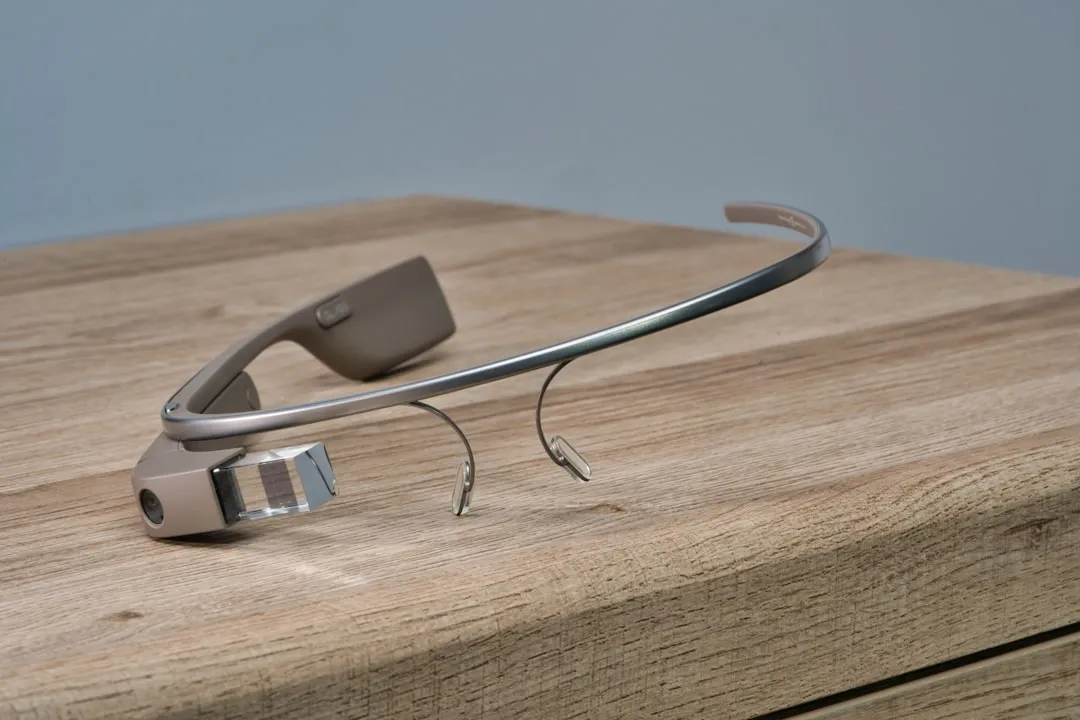
Google Smart Glasses Revealed at I/O 2026: Product or Demo?
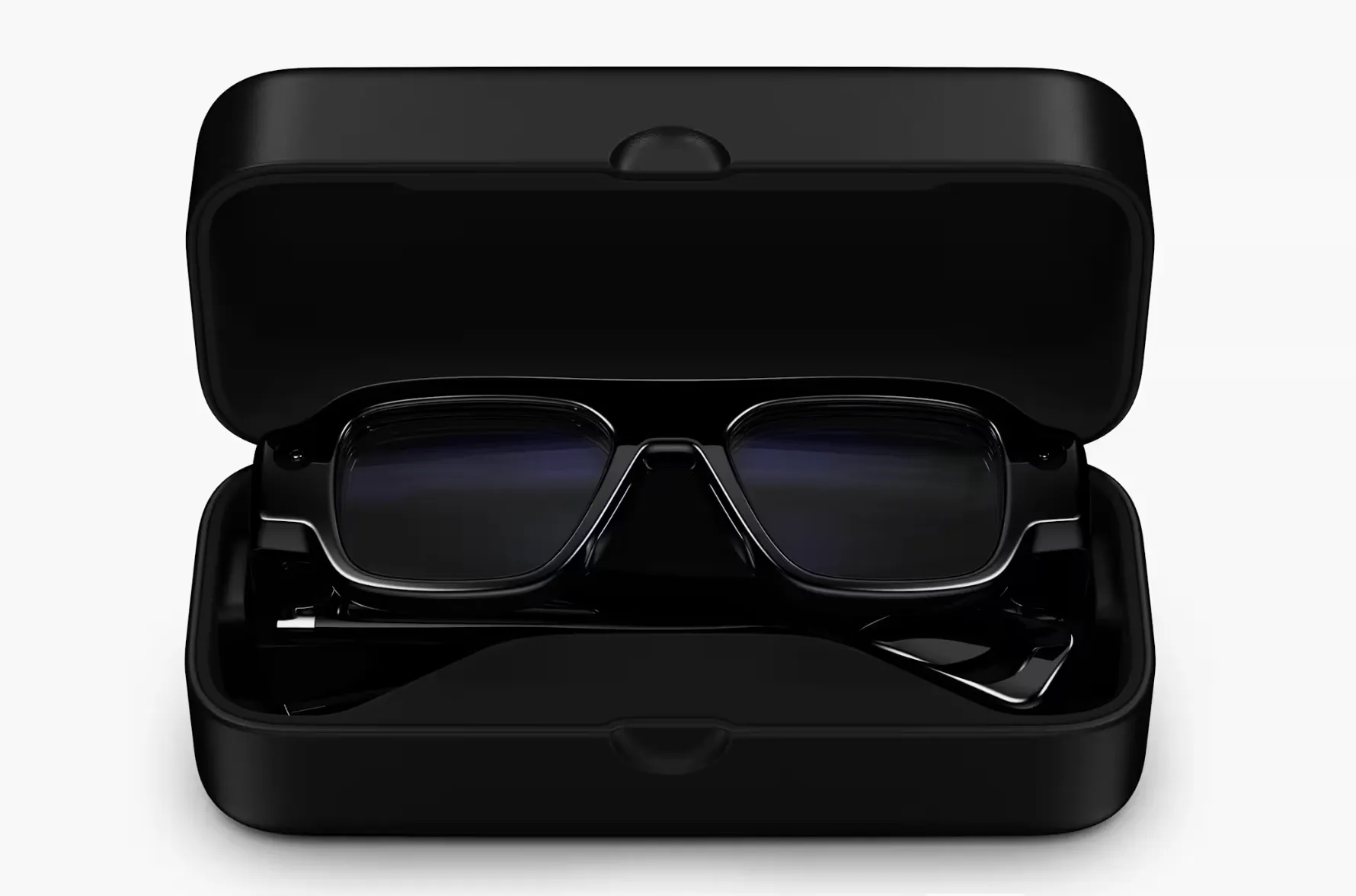
Google is showing off its Google smart glasses this week at I/O 2026, and for once the company has something real to stand behind. Not a concept video. Not a skunkworks prototype that will take three years to reach consumers. What Google is calling a "first look at consumer-ready Gemini-powered eyewear" arrives on top of a shipping headset, a live developer ecosystem, and eyewear brand partnerships that include names people actually recognize. The platform scaffolding that doomed previous attempts is no longer the obstacle.
That is the case Google wants to make. Whether the reveal substantiates it is a separate question, and the answer hinges on three tests that have nothing to do with whether Gemini can identify a restaurant menu from six feet away.
Why this moment is different from earlier smart glasses attempts
The argument for taking this reveal seriously rests on sequencing, not ambition. Google didn't announce glasses and ask the market to trust that a platform would follow. It built Android XR, shipped a commercial device on that platform, opened it to developers, and is now extending the foundation to glasses. That order of operations matters.
Samsung's Galaxy XR, the first Android XR device, went on sale in October 2025 at $1,799, establishing that the operating system is commercially real before any glasses arrive. It launched with over 50 XR-native experiences from developers including Adobe, Calm, and Fox Sports. At I/O 2025 a year ago, Google announced that developers would be able to start building for the glasses platform later that year, an attempt to seed software supply ahead of hardware rather than scrambling to fill the shelves afterward (Google Blog, about a year ago).
Android XR is now commercially real. What is not yet commercially real is a glasses experience people will wear daily.
That distinction matters because the glasses-specific app ecosystem is still largely promised rather than proven. The headset has apps; the glasses inherit the platform. But which of those experiences translate usefully to an always-on form factor is unresolved. A navigation demo looks compelling on stage. Whether developers have built anything that justifies keeping a camera on your face all day is a different question entirely.
On the hardware side, Google has lined up Samsung, Warby Parker, Gentle Monster, and XREAL as partners across both platform and eyewear, with Kering Eyewear also expected to join (The Next Web, this week; Google Blog, about a year ago). The strategic logic tracks: own the platform and AI layer, let partners own style, distribution, and price segmentation. That is how Android scaled on phones.
The risk is the inverse of that lesson. Fragmentation. If a consumer encounters five pairs of Android XR glasses from five different brands with inconsistent feature sets, varying levels of Gemini integration, and no intuitive way to compare them, they may simply walk away. Partner breadth only becomes an advantage once platform coherence is established, not before.
What Google smart glasses still need to prove on privacy and wearability
Smart glasses have failed before not because the technology was broken but because the product was socially and practically untenable. Better AI sharpens the assistant. It doesn't resolve the friction that makes people reluctant to put cameras on their faces in public spaces. Three specific questions need answers at this reveal for it to register as a product announcement rather than an elaborate demo.
Privacy and bystander trust. A peer-reviewed scoping review published earlier this year found just six qualifying studies on AI-enabled smart glasses for active aging across the academic literature, reflecting how thin the real-world evidence base remains for this category (JMIR Aging, about three months ago). Among the adoption barriers the review identifies is data protection, not as an edge case but as a recurring structural obstacle (JMIR Aging, about three months ago). Google acknowledged this a year ago at I/O 2025, describing prototype testing as partly aimed at ensuring the product "respects privacy for you and those around you" (Google Blog, about a year ago).
What has not appeared in any public communication since is operational detail. Whether recording is visibly indicated to bystanders. How long data is retained. How much processing happens on-device versus in the cloud. What protections exist for people who never consented to appearing in someone else's AI feed. These are product decisions, not engineering puzzles. What Google discloses, or sidesteps, on these points is a direct signal of whether privacy is a design constraint or a talking point.
Prescription compatibility and all-day wearability. The same academic review flags incompatibility with conventional prescription lenses as a meaningful barrier to adoption (JMIR Aging, about three months ago). Many adults wear corrective lenses. A smart glasses product that leaves that population without a clear path forward is not ready for a broad consumer launch, whatever else it gets right. Closely related are battery life, weight, and comfort under extended use. None of these details have surfaced in public communications. Their presence or absence at I/O 2026 will say a great deal about how close to a finished product this actually is.
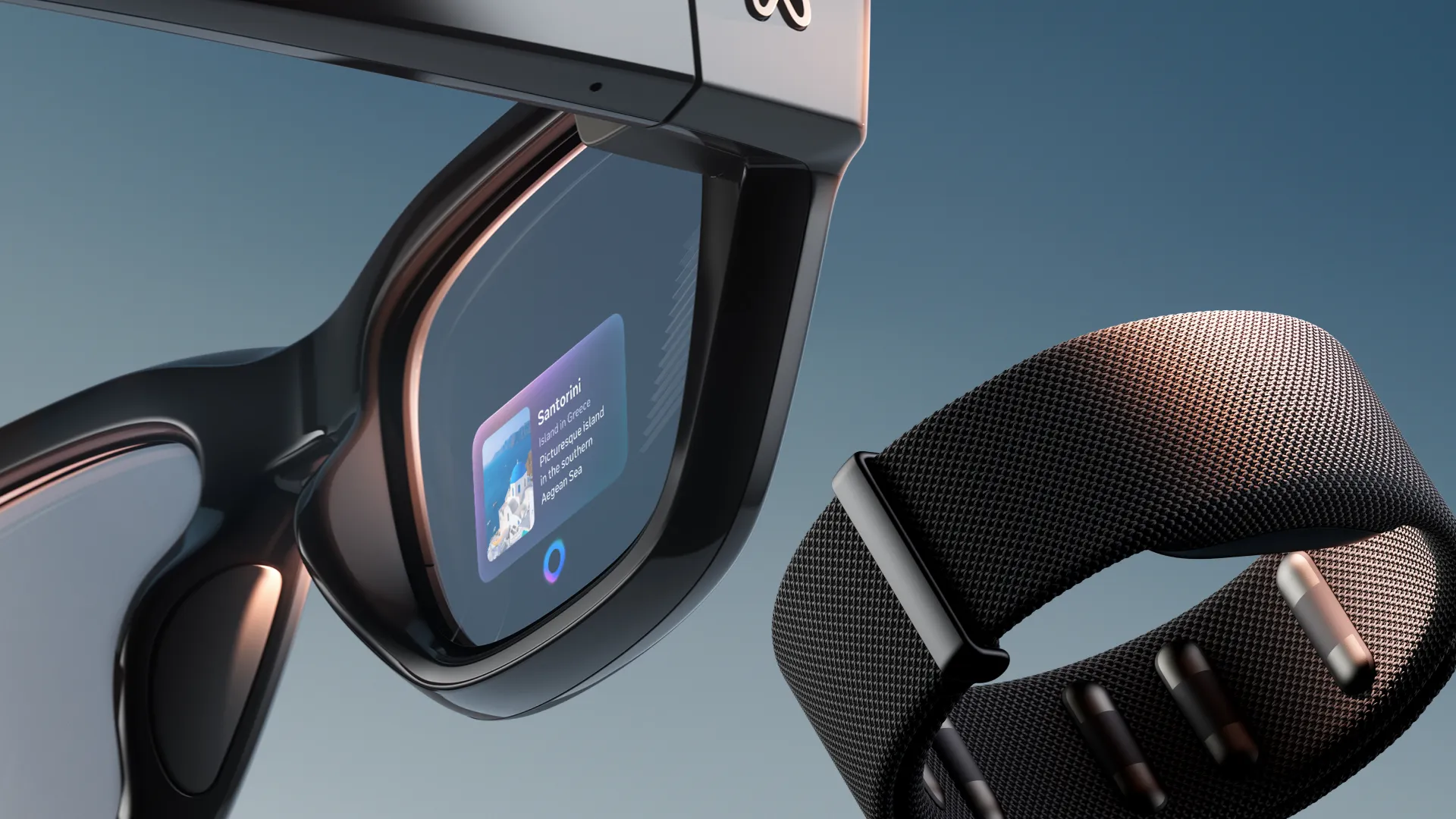
A coherent consumer story, not a feature montage. The glasses carry cameras, microphones, speakers, and an optional in-lens display, running alongside a paired Android phone and powered by Gemini 2.5 Pro for translation, navigation, visual understanding, and messaging (The Next Web, this week). That is a capable list. The harder question is whether any of those capabilities, individually or in combination, justify wearing the device every day.
Of the use cases Google has highlighted so far, real-time translation looks the easiest to justify in glasses form. It's context-dependent, genuinely hands-free, and poorly served by pulling out a phone. Google actually demoed live language translation between two people at I/O 2025 (Google Blog, about a year ago). If this week's reveal builds around one or two use cases where glasses are distinctly better than any alternative, that signals a product team that has done real user research. A montage of everything Gemini can do signals a team that hasn't yet landed on why glasses specifically.
Five signals that separate a product reveal from a better-resourced demo
Google's position going into I/O 2026 is more credible than at any point in the company's decade-plus of smart glasses work (Google Blog, about a year ago). The platform is shipping. The partner list is serious. Samsung's Galaxy Glasses are expected to reach market this year, which, if it happens, would give Android XR eyewear a commercial data point independent of anything Google shows on stage (The Next Web, this week).
None of that resolves the category's core challenges. The six-study evidence base in AI-enabled smart glasses research, even scoped to active aging, reflects how much remains unstudied rather than solved (JMIR Aging, about three months ago). The trajectory from Android XR developer preview in December 2024 to consumer-facing glasses reveal in May 2026 is fast; the glasses-specific app ecosystem has not yet had time to mature the way the headset ecosystem has (Google Blog, about 18 months ago).
Watch for five specific things during the keynote. First, whether Google explains what recording indicators look like in practice. Second, whether it discloses anything about on-device versus cloud processing of camera and audio data. Third, whether it addresses prescription lens support directly and specifically. Fourth, whether it provides credible battery life and wear-time figures. Fifth, whether the demo scenarios concentrate on a small number of genuinely glasses-first use cases or attempt to show everything at once.
If those five questions are addressed with specifics, this is a product reveal. If they're absent or buried in vague language, it remains a demo, a more credible and better-sequenced demo than anything Google has produced before, but still a demo.


Comments
Be the first, drop a comment!