


John Ternus Apple Vision Pro Comments: What the Record Shows
John Ternus Apple Vision Pro comments are sparse by design. Apple's incoming CEO has said almost nothing on the record about the headset, and what exists in his place is reported internal positioning sourced primarily from Bloomberg's Mark Gurman: Ternus was reportedly wary of Vision Pro before it launched, and his wariness, per Gurman, was prescient. With Ternus set to replace Tim Cook this summer, understanding what the reporting actually says, and what it doesn't, matters for anyone trying to read where the platform goes next.
What John Ternus said about Apple Vision Pro on record
Almost nothing. That's the accurate answer, and it's worth being explicit about it upfront.
When BBC reporter Zoe Kleinman met with Ternus informally in the UK and asked whether he was heir apparent to Cook, he deflected toward praising Cook's leadership rather than discussing products or strategy. BBC described him as "a product guy" who told her he likes to be hands-on with development teams. That characterization came from direct encounters, not from any public statement about Vision Pro specifically.
The one area where he has spoken on record is Apple's integrated model. In remarks to Apple employees reported by 9to5Mac today, Ternus said: "We have hardware, we have software, we have services. I think that's the beauty of what we do, is we tie these things together." He praised Apple's services teams and pledged to continue expanding that side of the business. On Vision Pro: silence.
That silence is itself informative. A new CEO talking to employees has every opportunity to rally the troops around the company's most ambitious hardware project. Ternus chose not to.
John Ternus on Vision Pro: the reporting so far
The substantive record comes from Gurman's reporting, relayed by Road to VR six days ago, not from anything Ternus has said publicly.
Gurman writes that when Apple pursues major new product categories, Ternus "has often been in the conservative camp." His reporting goes further: Ternus "was circumspect about Apple building a car, fearing it would distract the company, drain profits and pull engineers from core products. He was similarly wary of the mixed-reality headset that became the Vision Pro, drawing on his experience of trying to create a virtual-reality head-worn device at a startup in the 1990s." Apple killed the car. Gurman's conclusion: "The Vision Pro has been a bust," and Ternus's wariness in both cases "was prescient."
That assessment belongs to Gurman, not Ternus. The distinction matters. What the reporting establishes is a consistent pattern of internal caution attributed to Ternus, not a set of public statements he has made. His concern about the car, per the same sourcing, centered specifically on distraction and resource drain: large bets with uncertain payoffs pull engineers away from the products Apple sells at volume. His reported wariness about Vision Pro drew on firsthand experience with VR hardware from a startup venture in the 1990s, which implies a grounded technical skepticism rather than simple risk aversion.
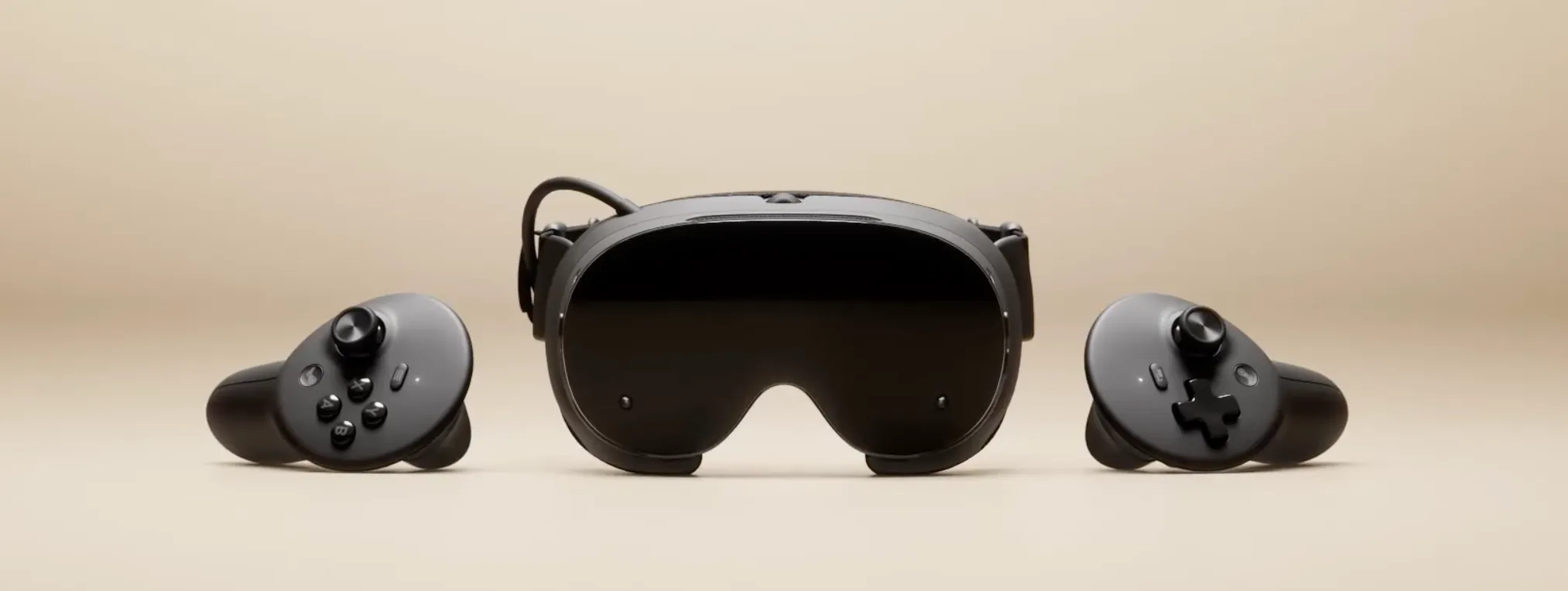
BBC noted last week that Vision Pro arrived years after VR had already established a competitive category, and at a price roughly ten times higher than rival headsets, with results that "do not appear to have been a success." Set against that commercial record, Gurman's characterization of Ternus's wariness reads less like contrarianism and more like an accurate early read on the product's structural problems.
Why his services remarks matter for Vision Pro
The employee remarks reported by 9to5Mac today aren't about Vision Pro. They're still the clearest on-record signal of how Ternus frames Apple's competitive identity, and that framing has direct implications for the headset.
Ternus spent his entire career in hardware engineering, with little prior involvement in Apple's services business before being named CEO. His enthusiasm for the integrated model is notable given that background. "I look forward to continuing to expand that and continuing to look for the kinds of services where we're really finding the opportunities between the hardware and software," he told employees, according to that reporting. Coming from a hardware-first executive, it reads as a deliberate reorientation, not boilerplate reassurance for the services teams.
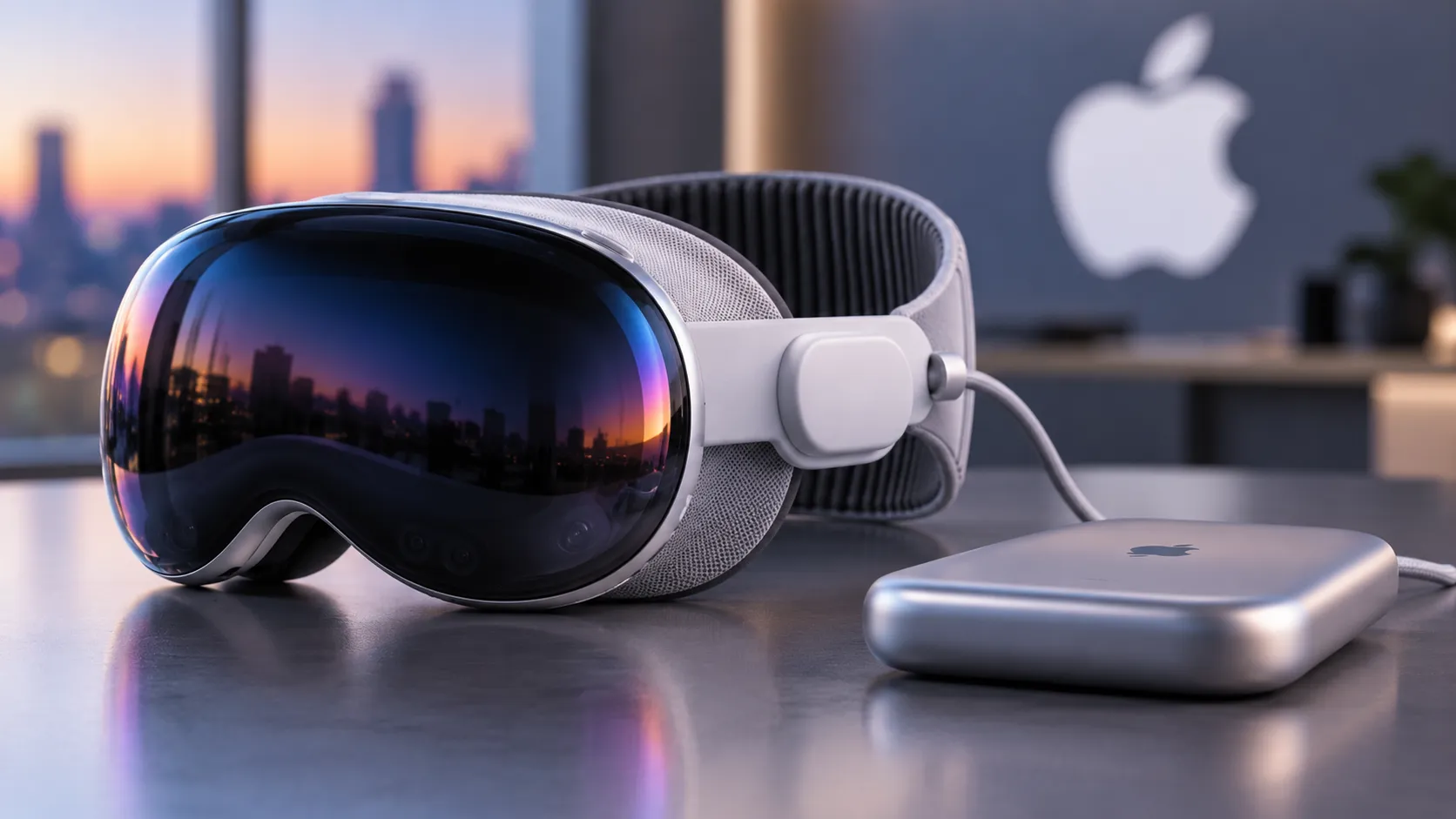
The framework he's describing evaluates products by how effectively they pull hardware, software, and services together. A headset priced at roughly ten times the cost of competing devices, restricted to a narrow user base, with limited API integration with Apple's high-volume products, fits awkwardly inside that model. BBC's observation is worth keeping in mind here: the iPhone wasn't the first smartphone when it launched in 2007, but it redefined the category precisely because it integrated hardware, software, and emerging services in a way competitors hadn't. Vision Pro hasn't produced that kind of integration story. It's an impressive engineering achievement that hasn't found its place in the stack.
9to5Mac noted that under Cook, services expansion helped stabilize Apple's revenue during periods when product sales were flat or declining. Ternus inherits both that playbook and the expectation that he'll apply it. A product that doesn't contribute to services growth, and doesn't pull users deeper into the ecosystem, has a harder internal case to make under that model.
What actually proves Vision Pro has a future under Ternus
Skip the scenario stacking. There are four concrete, observable signals that will answer this question faster than any executive statement.
The first is whether Apple names Vision Pro directly in its spatial computing messaging. Language is a reliable early indicator. If Apple's communications shift from "Vision Pro" to "spatial computing" as the preferred framing, that's a product being managed into abstraction rather than invested in as a platform.
The second is what happens at WWDC. Developer tooling investment in visionOS, new API integrations connecting the headset to iPhone and Mac workflows, and financial support for developers building on the platform would signal continued commitment. A subdued visionOS presence at the developer conference would say the opposite, more clearly than any press release.
The third is hardware cadence. A meaningful product refresh keeps the platform credible with developers. An extended silence on the roadmap is how platforms quietly cede ground. VRC.org.au argued last month that Apple may have twelve to eighteen months before developers permanently migrate to platforms with larger user bases. That's a niche source with limited authority; treat it as directional. The stronger reporting from BBC and Road to VR points toward the same structural problem regardless.
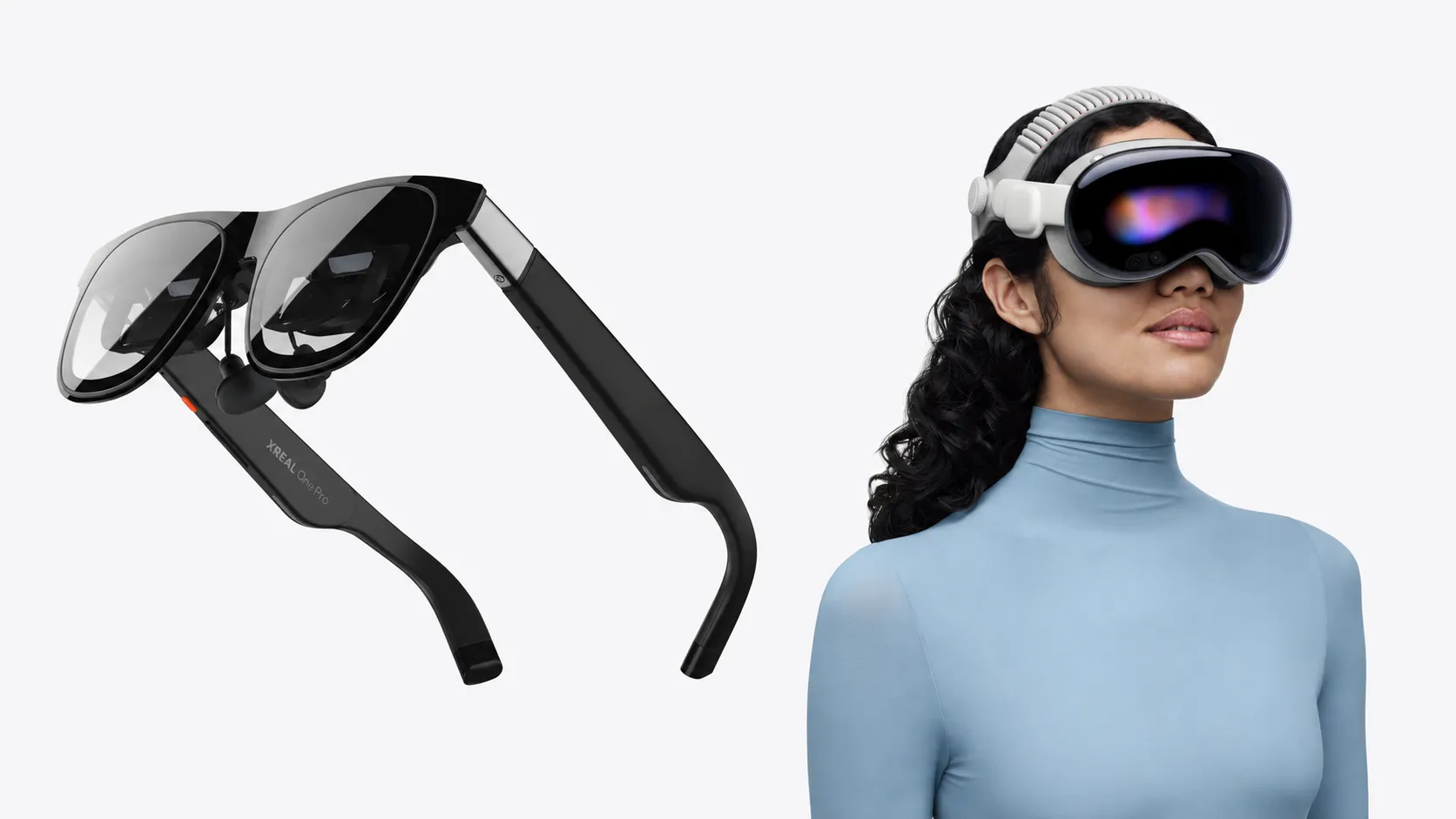
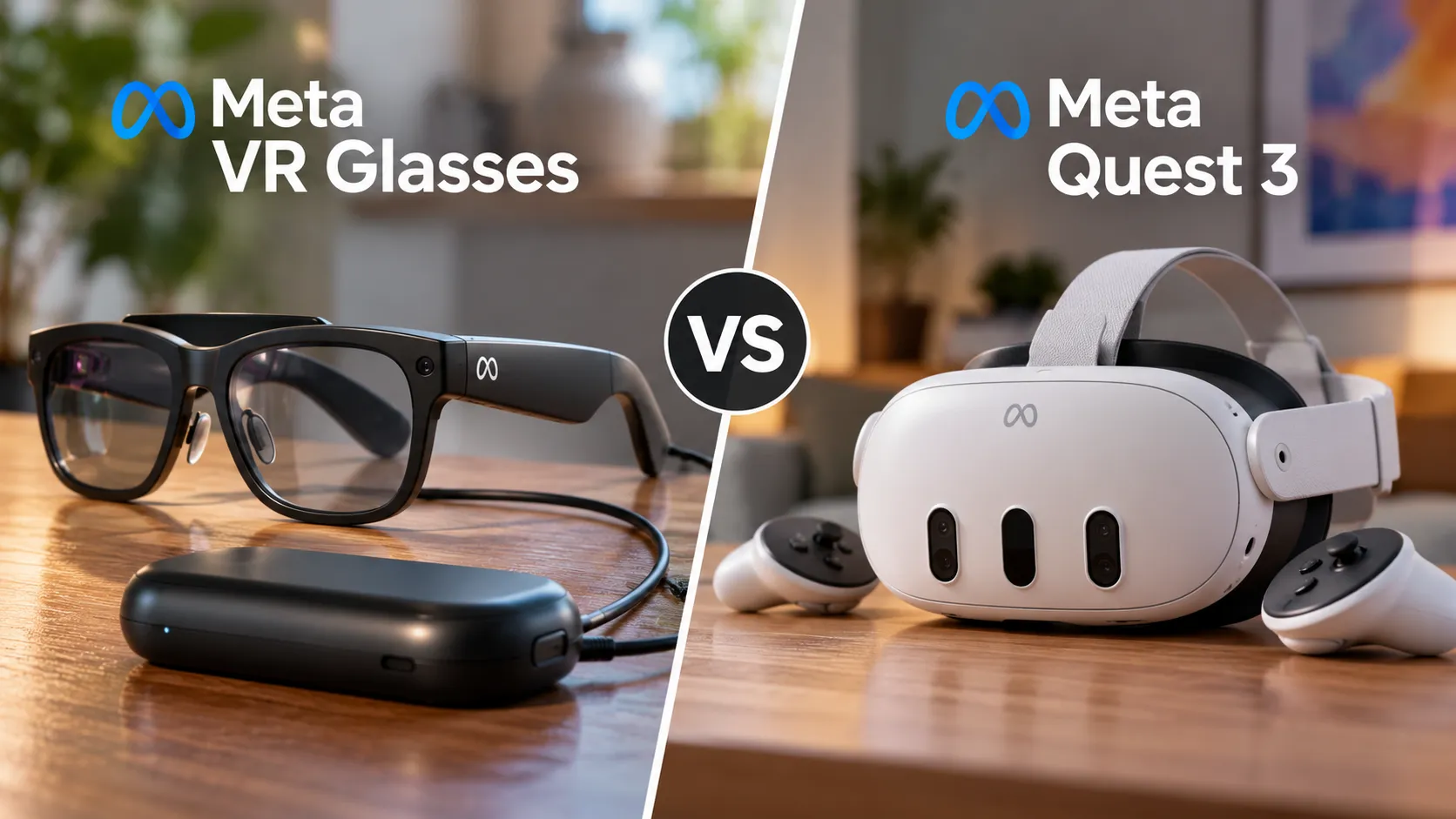
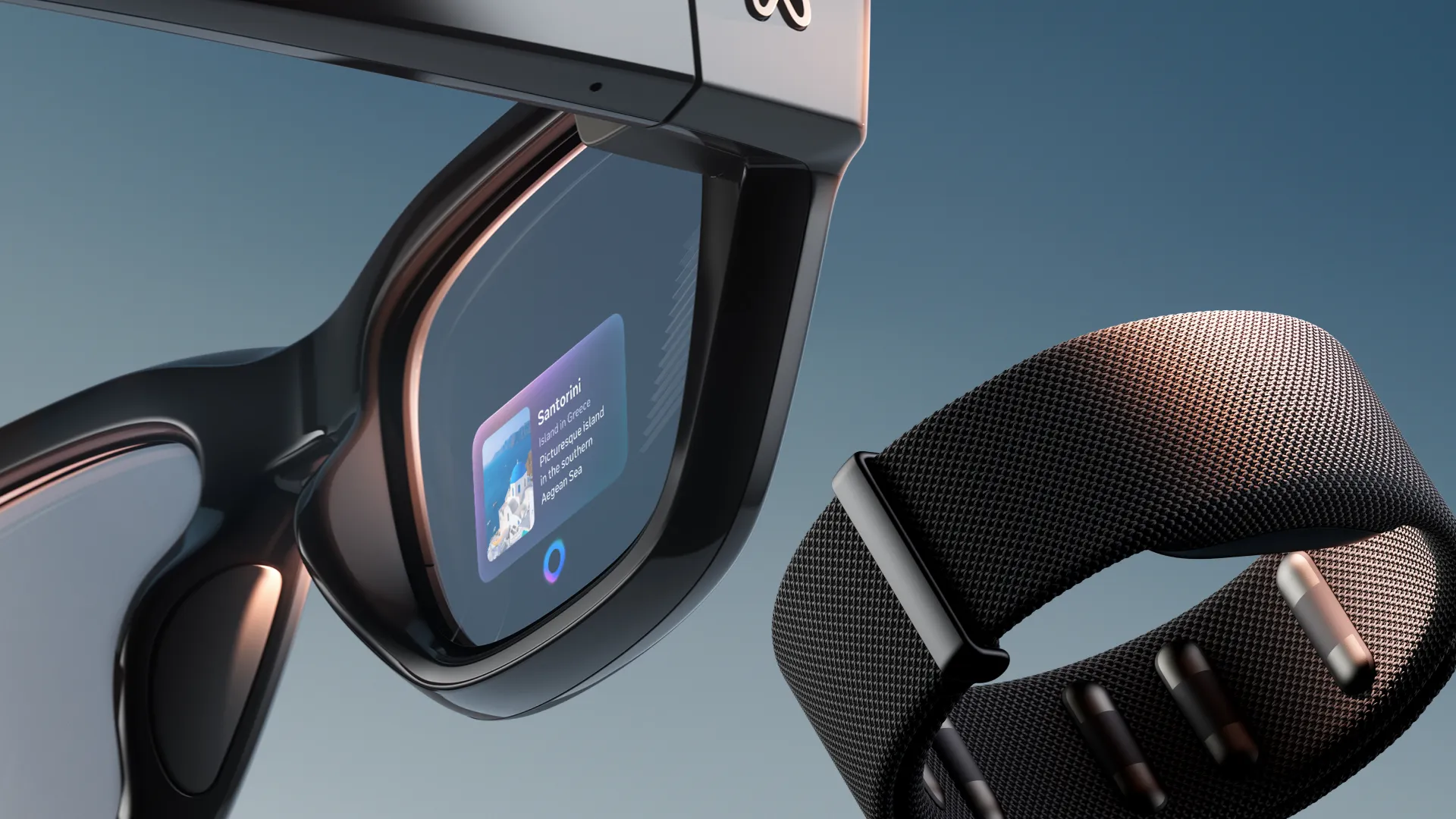
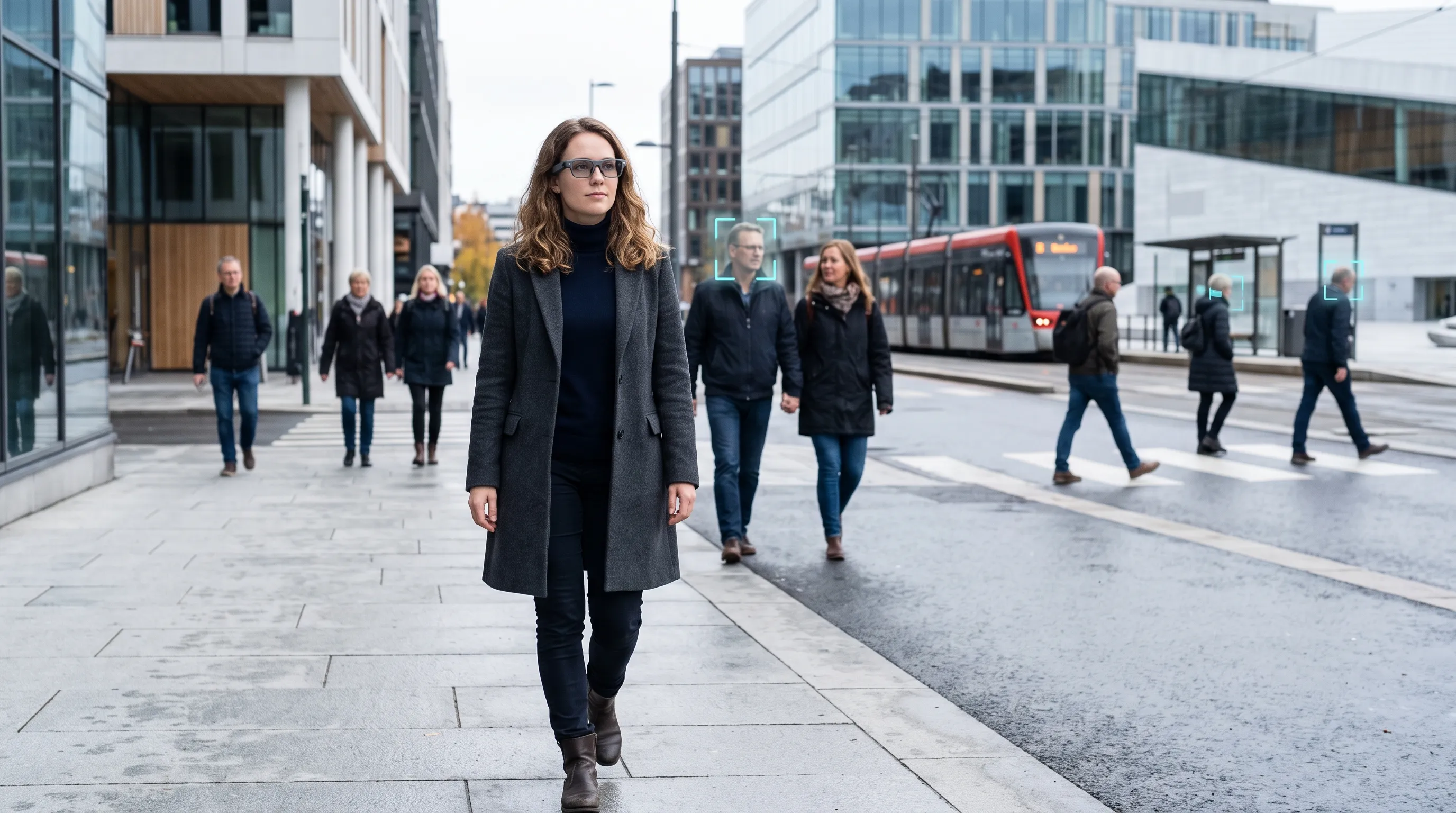
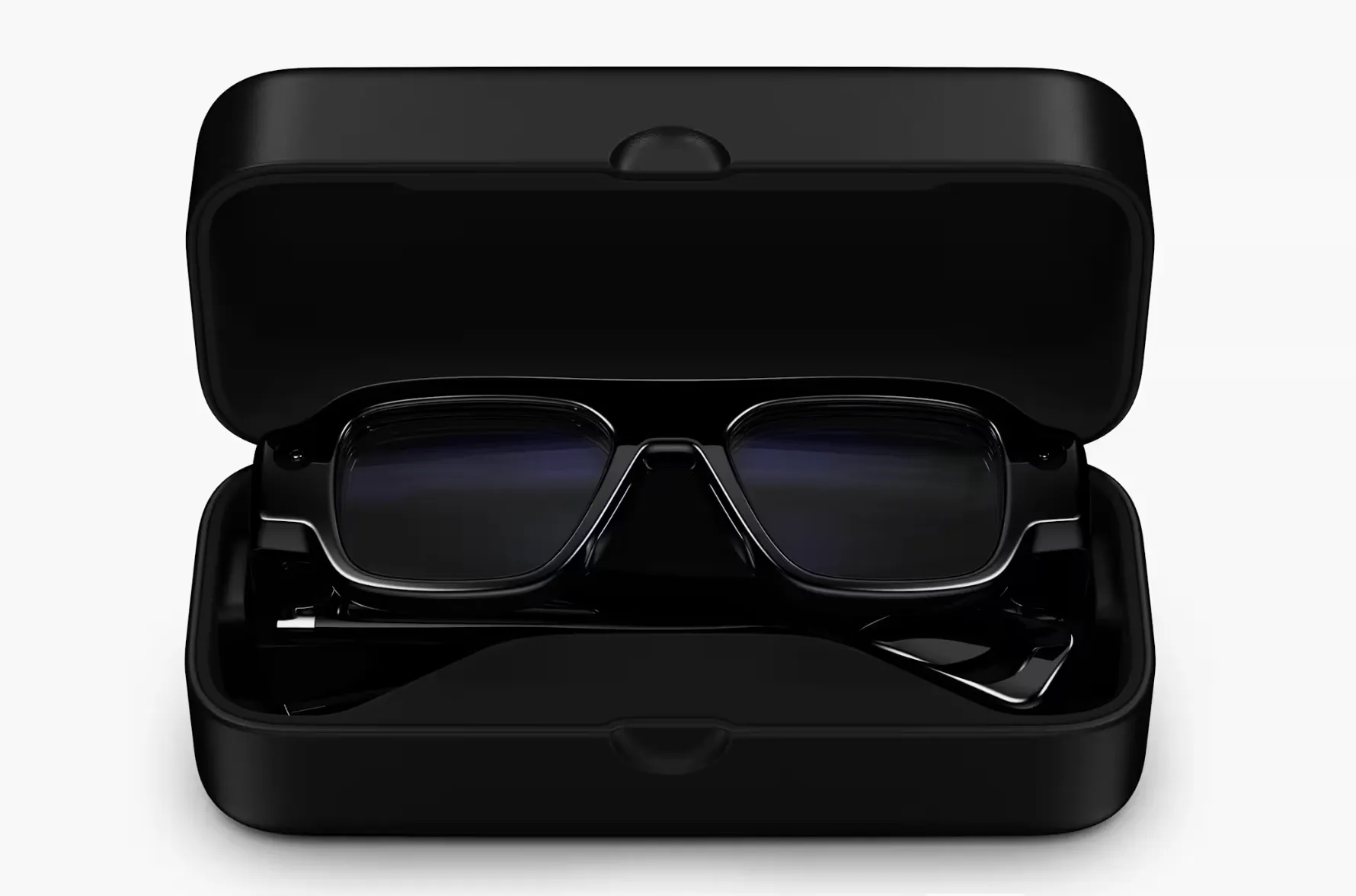
The fourth signal is AR glasses. Road to VR reported that Cook reportedly hoped to ship Apple's AR glasses before Meta's competing product reaches market, a competitive pressure Ternus now inherits. Apple's outgoing product marketing head Joz, in a Tom's Guide interview twelve days ago, called the convergence of digital and physical worlds an "inevitability" while offering no timeline. A glasses form factor at a lower price point, designed around ambient use rather than immersive isolation, fits Ternus's integration emphasis considerably better than Vision Pro's current positioning does. If Apple's spatial computing energy shifts decisively toward glasses, Vision Pro becomes the proof-of-concept chapter rather than the main story.
Wealth Club chief investment strategist Susannah Streeter told BBC last week that Ternus is expected to pursue a "defensive strategy, without over-deploying capital." Whether Vision Pro is a platform worth defending or a cost to be managed down will become legible in those four signals before Ternus says a word about it publicly. He didn't address the headset when he had the chance to. Watch what the product calendar does instead.

Comments
Be the first, drop a comment!