


![Zoë Bakes Cookies: Everything You Need to Know to Make Your Favorite Cookies and Bars [A Baking Book]](https://m.media-amazon.com/images/I/81hPK71osDL._AC_UY218_.jpg)
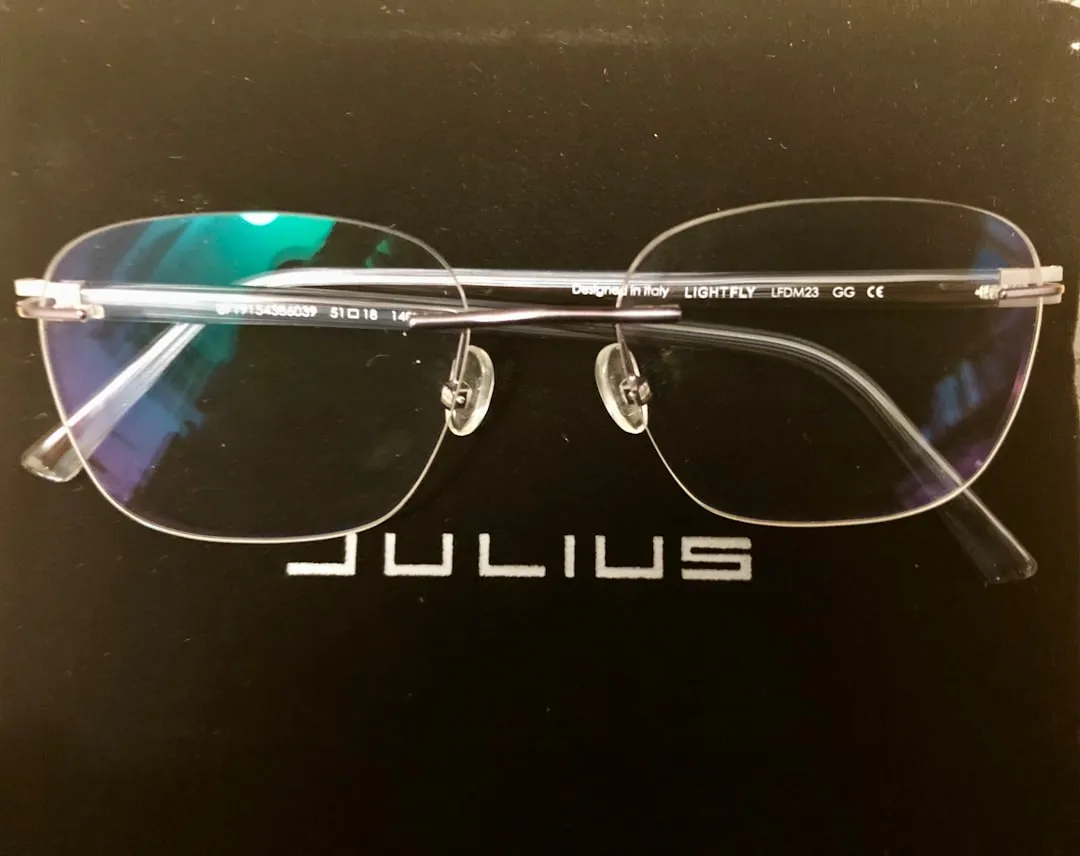
Lumus Takes AR Glasses From Prototype to Practical at CES 2026
Lumus is making waves at CES 2026 with their latest breakthrough in AR waveguide technology, promising to reshape how we think about augmented reality glasses. The company showcased their next-generation optical components, according to Android Central, highlighting advancements that could finally make AR eyewear as ubiquitous as smartphones. Their revolutionary ZOE model achieves an impressive 70-degree field of view; Lumus has not published a confirmed resolution for ZOE in its CES announcement.
What makes this particularly exciting isn't just the performance leap—it's that these aren't just lab prototypes anymore. The company's focus extends beyond impressive specifications to address the fundamental challenge that has kept AR glasses expensive and niche: creating components that are simultaneously thinner, lighter, and more cost-effective to manufacture at scale.
The 70-degree breakthrough that changes everything
The ZOE model represents a significant technical milestone for geometric waveguides, achieving what Lumus claims is a world-first 70-degree field of view for this technology type. This isn't just an impressive number on a spec sheet—it's the difference between peeking through a window and actually feeling immersed in a digital world.
To put this in perspective: current prototype waveguides demonstrate full-color moving images with a 30-degree field of view, but the ZOE promises to more than double this capability, Android Central reports. Most of us have around 210 degrees of total peripheral vision, so a 70-degree AR display starts to feel genuinely immersive rather than like staring at a floating smartphone screen.
This expanded viewing area unlocks applications that were previously impossible—imagine having multiple AR windows open simultaneously for your calendar, messages, and navigation without constantly shifting your gaze to see different elements. The wider field of view enables immersive applications like spatial entertainment and multi-app productivity while maintaining natural transparency, according to Auganix. We're finally moving beyond that narrow "window" limitation that has plagued AR displays, bringing us closer to truly seamless augmented experiences where digital content feels naturally integrated into our field of vision.
Solving the daylight visibility challenge
Here's where Lumus tackles one of AR's most persistent practical problems. Try looking at your phone screen in direct sunlight and you'll immediately understand why brightness efficiency has been such a critical hurdle for AR eyewear. Most current AR glasses require heavily tinted lenses or only work reliably indoors—creating that awkward "wearing sunglasses inside" social barrier that has hindered mainstream adoption.
Lumus demonstrated very high luminance-efficiency in a CES demo; published figures vary by product. To understand how significant this is, consider that their Z-30 2.0 delivers 40% higher brightness compared to previous iterations while maintaining improved image quality, research from Auganix shows.
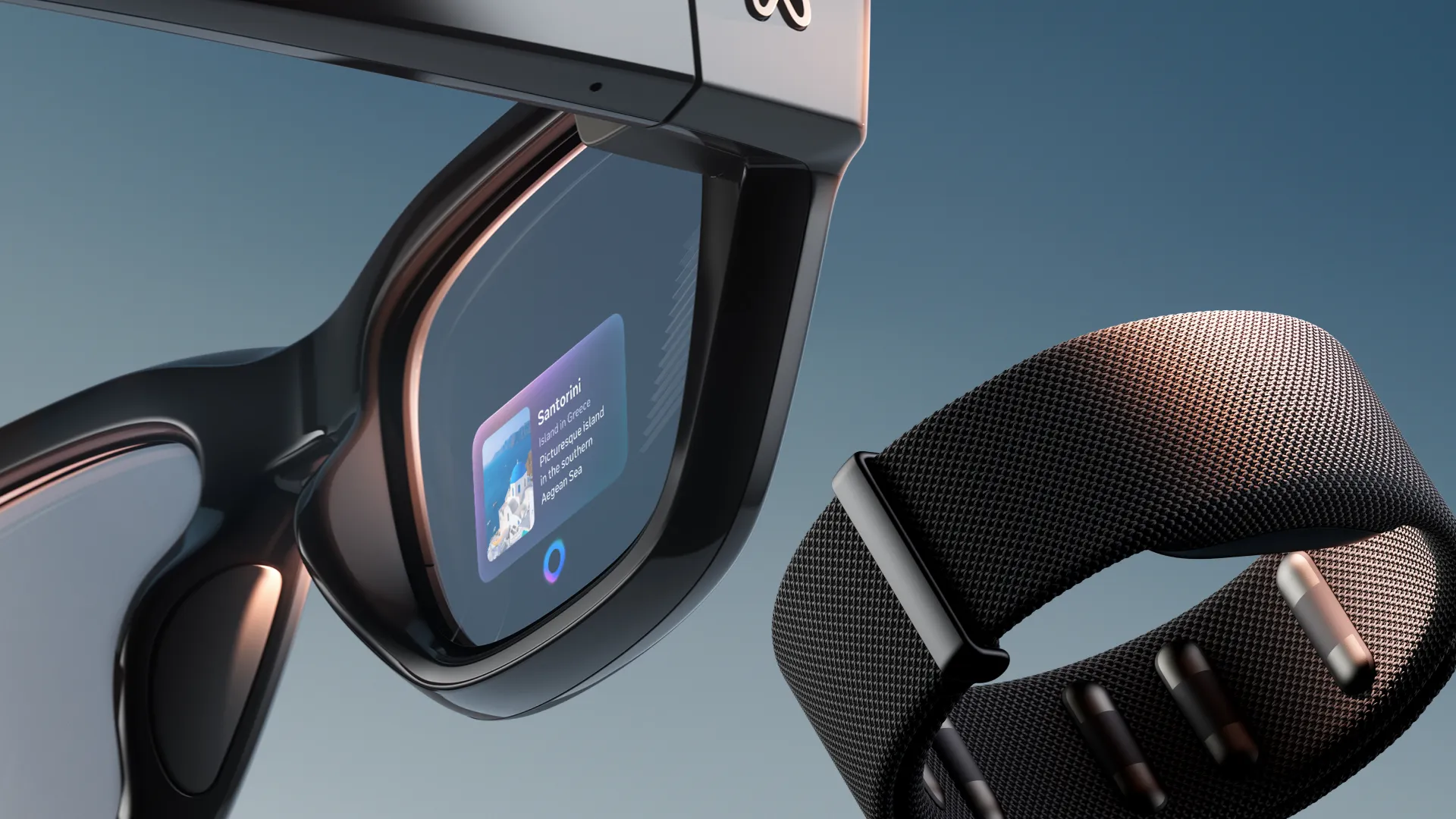
This breakthrough means users won't need heavily tinted lenses to see AR content outdoors. When your AR glasses look and feel like regular eyeglasses, they become socially acceptable for everyday wear. It's the difference between a niche gadget and something you'd actually want to use throughout your day—from checking notifications during your morning coffee to getting navigation directions during your afternoon walk, regardless of lighting conditions.
The manufacturing revolution that makes consumer adoption possible
All the technical wizardry in the world doesn't matter if you can't manufacture these components at reasonable cost and scale. This is where Lumus is addressing the elephant in the room that has kept AR glasses expensive and niche for years.
The company's approach to creating thinner, lighter waveguides fundamentally rethinks the production pipeline to make manufacturing more cost-effective, according to Android Central. As Goldman from Lumus puts it: "That's the future for us – making these waveguides thinner, lighter, and easier to produce."
The results speak for themselves: Lumus describes Z-30 family improvements (significant reductions in weight/volume vs previous gen); primary releases cite ~50% reduction in volume/weight for Z-30 vs Z-50 and brightness figures tied to specific models. This weight reduction creates a cascading effect throughout the entire device design. Lighter waveguides enable manufacturers to design slimmer, more natural-looking frames that could finally make AR glasses indistinguishable from regular eyewear.
When AR glasses stop looking like sci-fi props from the 1990s and start resembling the glasses people already wear daily, that's when they cross the threshold from specialty device to mainstream consumer product. The manufacturing improvements aren't just about cost—they're about creating devices that people actually want to wear in public.
The portfolio approach to AR's mainstream future
Rather than pursuing one universal AR device that tries to do everything, Lumus's advancements suggest we're heading toward a more nuanced ecosystem. The implications extend far beyond technical specifications—they point toward AR eyewear fragmenting into specialized devices, each optimized for specific use cases, according to Auganix analysis.
Think of it like how we currently use both smartwatches and smartphones—related technologies serving different needs. You might have lightweight daily-wear glasses optimized for notifications and basic information overlay, while more immersive devices handle entertainment, productivity, and collaborative tasks. The portfolio approach with different field-of-view options allows manufacturers to target these specific use cases effectively.
What makes this vision particularly compelling is how it aligns with broader technological advances. Complementary research in metasurfaces shows promise for even greater improvements, with new optical components potentially enhancing brightness and image quality while making AR glasses more power-efficient, research from the University of Rochester demonstrates. These metasurfaces—ultra-thin materials patterned with features thousands of times smaller than a human hair—can bend, focus, or filter light in ways conventional lenses simply can't achieve.
The convergence of Lumus's manufacturing breakthroughs with advancing metasurface technology suggests we're approaching a genuine inflection point. The combination of wider field of view, daylight readability, reduced weight, and scalable manufacturing is creating the perfect storm for mainstream adoption. This isn't just about having impressive technology anymore—it's about having technology that seamlessly integrates into our daily lives without asking us to compromise on comfort, style, or social acceptability.
The future Lumus is demonstrating isn't one where we're all wearing bulky headsets, but rather one where augmented reality becomes as natural and invisible as putting on a pair of reading glasses. When AR glasses become powerful enough for immersive experiences, bright enough for outdoor use, light enough for all-day wear, and affordable enough for mass adoption, they stop being a novelty and start transforming how we interact with digital information in our daily lives. Based on what we're seeing at CES 2026, that future is starting to look remarkably close.




Comments
Be the first, drop a comment!