


Reviewed by: Y. Garcia
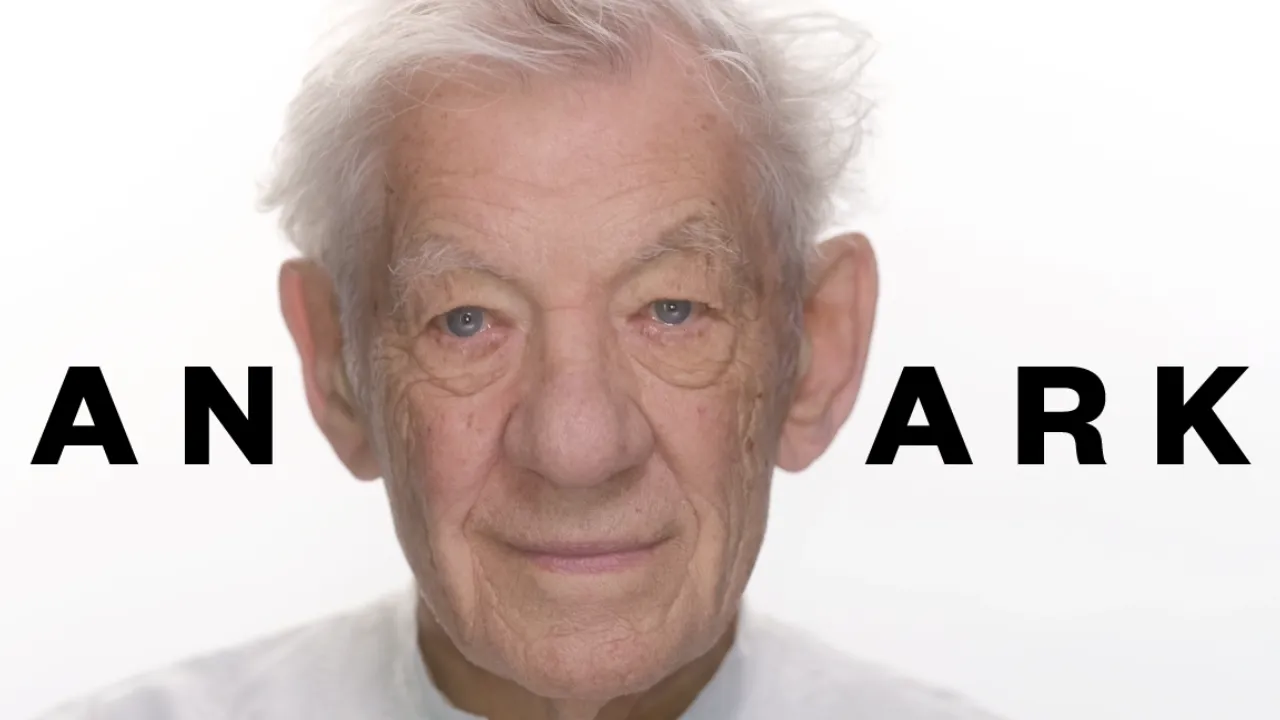
When mixed reality meets the theatrical stage, something extraordinary happens — and Ian McKellen is about to prove it. The legendary actor is set to headline a groundbreaking production that promises to redefine how we experience live performance, blending the intimacy of theater with cutting-edge technology in ways we've never seen before.
The production represents a significant milestone in entertainment technology. The Shed will present the world premiere of "An Ark," marking the first play ever created for and in mixed reality, beginning January 9, 2026. This innovative theatrical experience brings together a star-studded cast, including McKellen, Golda Rosheuvel, Arinzé Kene, and Rosie Sheehy, for what promises to be a transformative seven-week run. The production compresses an entire human lifetime into just 47 minutes of immersive storytelling, creating an intimate meditation on the human experience unlike anything audiences have encountered before.
McKellen's involvement adds extraordinary credibility to this technological experiment — when a performer of his stature commits to an untested medium, it signals genuine artistic potential rather than mere novelty. The seven-week run provides crucial time to refine the technology and gather meaningful audience feedback that could shape the future of theatrical performance.
What makes mixed reality theater revolutionary?
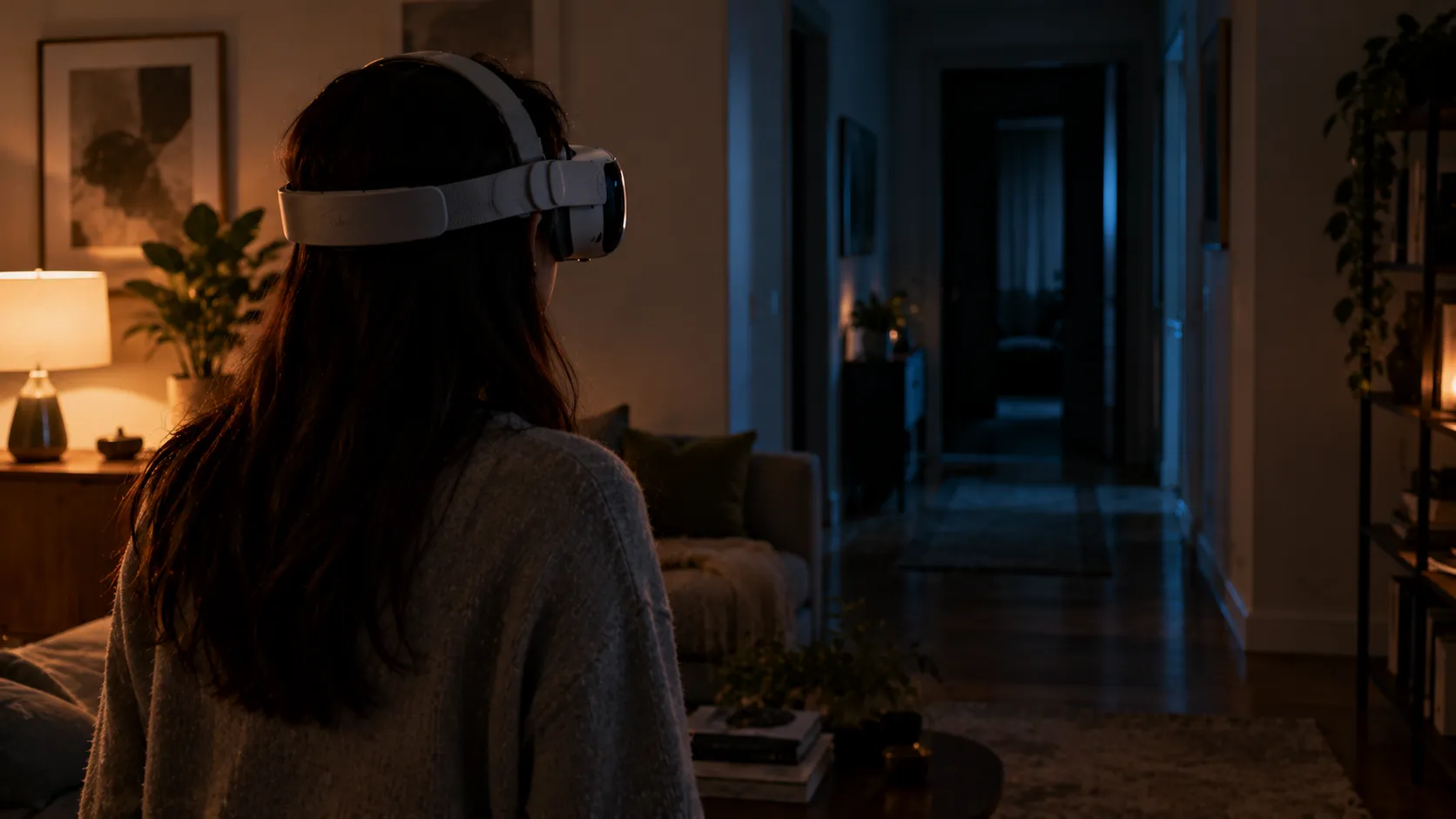
The technology behind "An Ark" represents a fundamental shift in how theatrical performances can be delivered and experienced. Unlike traditional theater, where actors share physical space with audiences, this mixed reality format allows performers to appear directly in headsets, speaking intimately to each individual viewer. The experience accommodates up to 200 people seated in The Shed's Level 2 Gallery, each wearing headsets that create the illusion of personal connection with the cast.
What's particularly fascinating is how this approach solves one of theater's greatest limitations — scale versus intimacy. The actors won't be physically present during performances, yet the technology creates what promises to be an intensely personal experience through what's being termed "dimensional recording". This represents a significant evolution from traditional performance formats, merging theatrical performance and digital media into a single, shared experience that maintains the communal aspect of theater while offering unprecedented individual connection.
The technical distinction here is crucial: unlike VR experiences that isolate users in completely virtual environments, or AR that simply overlays digital elements on reality, mixed reality creates a hybrid space where recorded performances feel present and alive. The "dimensional recording" process captures not just the actor's image and voice, but also their spatial presence, allowing them to appear as if occupying the same space as the audience member.
PRO TIP: Think of this as theatrical alchemy — transforming the fundamental physics of performance. Where traditional theater forces a choice between intimate connection and audience size, this technology promises both simultaneously.
The creative vision behind this theatrical breakthrough
The production brings together exceptional talent both in front of and behind the mixed reality "curtain." Written by Olivier and Tony Award winner Simon Stephens and directed by UK Theatre Award winner Sarah Frankcom, "An Ark" benefits from proven theatrical expertise adapting to this new medium. The project is produced by mixed reality pioneer Todd Eckert, whose previous work has helped establish the foundations for this emerging art form.
Director Sarah Frankcom brings a particularly compelling perspective to the project, representing the kind of artistic evolution that often signals significant shifts in creative mediums. As Frankcom explains, she's historically focused exclusively on live theater but has become excited about how mixed reality might create remarkable new relationships between audiences and actors. Her conversion from traditional theater purist to mixed reality advocate follows a pattern we've seen across creative industries — when established masters embrace new technologies, it typically indicates the technology has reached genuine artistic viability.
The thematic content selection reveals a sophisticated understanding of what works best in this intimate format. The story explores grief, love, joy, and connection that define the human experience, themes that benefit from the close, personal delivery that mixed reality enables. Deeply personal subjects require emotional proximity — something traditional theater often struggles to achieve with large audiences, but which this technology can deliver at scale.
This represents a fundamental understanding of mixed reality's strength: its ability to create genuine emotional intimacy. Where traditional theater must project emotions to reach the back row, mixed reality can whisper directly into individual consciousness while maintaining the shared experience that makes theater special.
Building on mixed reality performance foundations
"An Ark" doesn't exist in isolation — it represents the next evolution in an emerging field that's been quietly developing technical and artistic foundations. This production follows Tin Drum's previous collaboration with The Shed on "Kagami" (2023), which was presented as the first concert in mixed reality format. That earlier experiment helped establish both technical capabilities and audience appetite for this type of experience, serving as crucial proof-of-concept for more ambitious theatrical applications.
The progression from concert to full theatrical production demonstrates how mixed reality entertainment is rapidly maturing along predictable technological adoption curves. Producer Todd Eckert has expressed particular interest in using mixed reality technology to expand traditional forms of theater and film, suggesting this is just the beginning of a broader transformation in how we think about live performance economics, accessibility, and artistic possibility.
What's particularly noteworthy is how this builds on broader trends in immersive entertainment. Research indicates that mixed reality applications in performing arts are expanding rapidly, with new technologies enabling unprecedented creative possibilities. The success or failure of "An Ark" will likely influence how quickly other major productions embrace similar approaches, making this a genuine watershed moment for the industry.
The technical lessons learned from "Kagami" have presumably informed "An Ark's" approach to common mixed reality challenges: synchronizing audio delivery across multiple headsets, managing the cognitive load of immersive experiences, and optimizing the recording process to capture presence rather than mere performance. Each iteration of this technology builds on previous discoveries about what creates genuine connection in virtual spaces.
Where mixed reality theater goes from here
The implications of "An Ark's" approach extend far beyond a single production, potentially reshaping fundamental assumptions about theatrical accessibility, economics, and artistic reach. If successful, this format could democratize access to world-class performances in ways traditional theater never could. The Shed's artistic director, Alex Poots, has expressed enthusiasm about continuing collaboration with Tin Drum, suggesting institutional commitment to developing this new art form beyond experimental phases.
The commercial timing couldn't be better for this type of innovation. Tickets go on sale November 20, 2025, with member presales beginning November 12, giving audiences their first opportunity to experience what may become the template for future theatrical productions. The seven-week run provides sufficient time to refine the experience based on audience feedback and gather meaningful data about commercial viability.
For the broader mixed reality industry, "An Ark" represents a crucial test case that will answer fundamental questions about audience adoption and artistic effectiveness. Will audiences embrace this new form of storytelling? Can the technology deliver on its promise of an intimate, shared experience? Can it generate sustainable revenue models for theaters struggling with traditional economics? The answers will likely influence not just theater, but film, education, and entertainment more broadly.
Most intriguingly, "An Ark's" specific approach to dimensional recording could enable simultaneous global performances that maintain individual intimacy. If the technology proves successful, there's no technical reason why McKellen couldn't perform for audiences in New York, London, and Tokyo simultaneously, with each audience member receiving the same personal connection. This represents a fundamental shift from theater as place-based experience to theater as presence-based experience.
The broader implications suggest we're potentially looking at the future of any human communication that benefits from presence and emotional resonance. "An Ark" isn't just testing a new way to put on a play — it's testing whether technology can authentically replicate and scale the irreplaceable human connection that makes live performance special. If it succeeds, we may look back on this seven-week run as the moment theater truly entered the digital age without losing its soul.
Image source: The Shed



Comments
Be the first, drop a comment!