


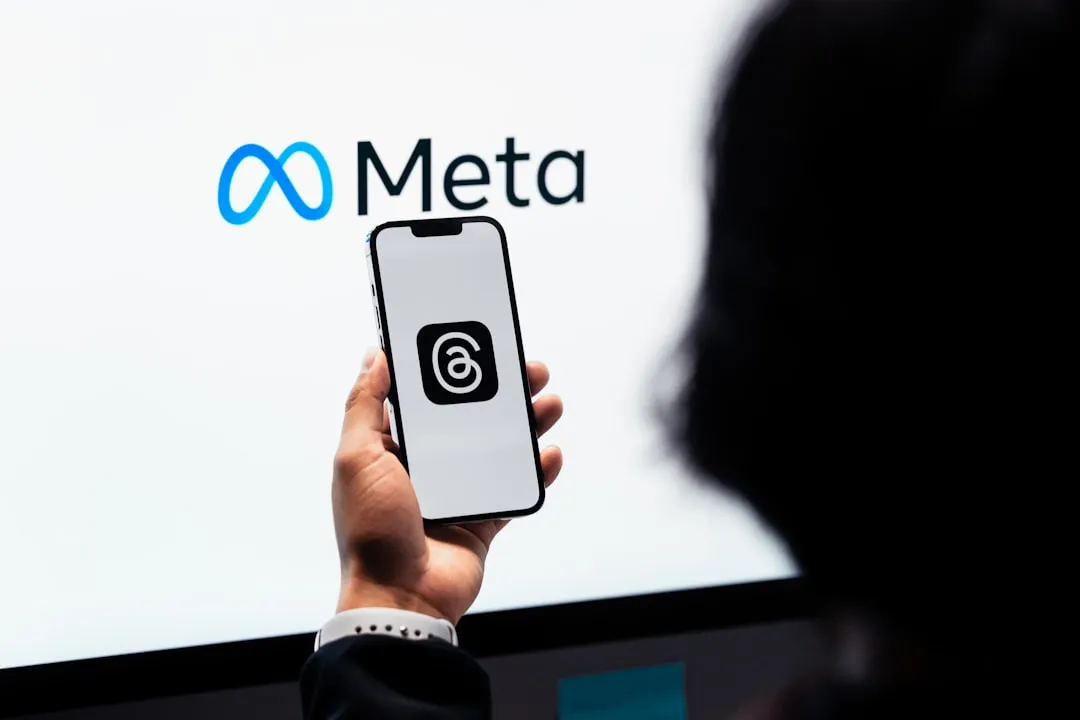
Meta's Horizon Worlds Mobile Pivot: Why VR Exclusivity Is Dead
Meta's metaverse ambitions are taking an unexpected turn: the company is pivoting Horizon Worlds away from its VR-exclusive roots and betting big on mobile accessibility. This isn't just a feature addition—it's a fundamental rethinking of how Meta's social virtual platform reaches users and competes in an increasingly crowded digital landscape. For anyone tracking the evolution of immersive technologies, this shift raises critical questions about VR adoption barriers, platform economics, and whether Meta is doubling down on accessibility or hedging its bets on Quest's future.
The strategic repositioning comes at a pivotal moment for Meta's Reality Labs division, which continues to invest billions in building the metaverse infrastructure while facing persistent questions about user adoption and return on investment. By decoupling Horizon Worlds from Quest hardware requirements, Meta is essentially acknowledging that VR headsets alone won't deliver the massive user base needed to justify its metaverse vision. This mobile-first approach mirrors successful strategies from competitors like Roblox and Fortnite—platforms that built enormous communities by prioritizing accessibility over cutting-edge immersion. The implications extend far beyond Horizon Worlds itself, potentially signaling broader shifts in how Meta approaches VR platform development, developer incentives, and the integration of its metaverse efforts with its existing social network empire.
Why Meta is abandoning VR exclusivity for Horizon Worlds
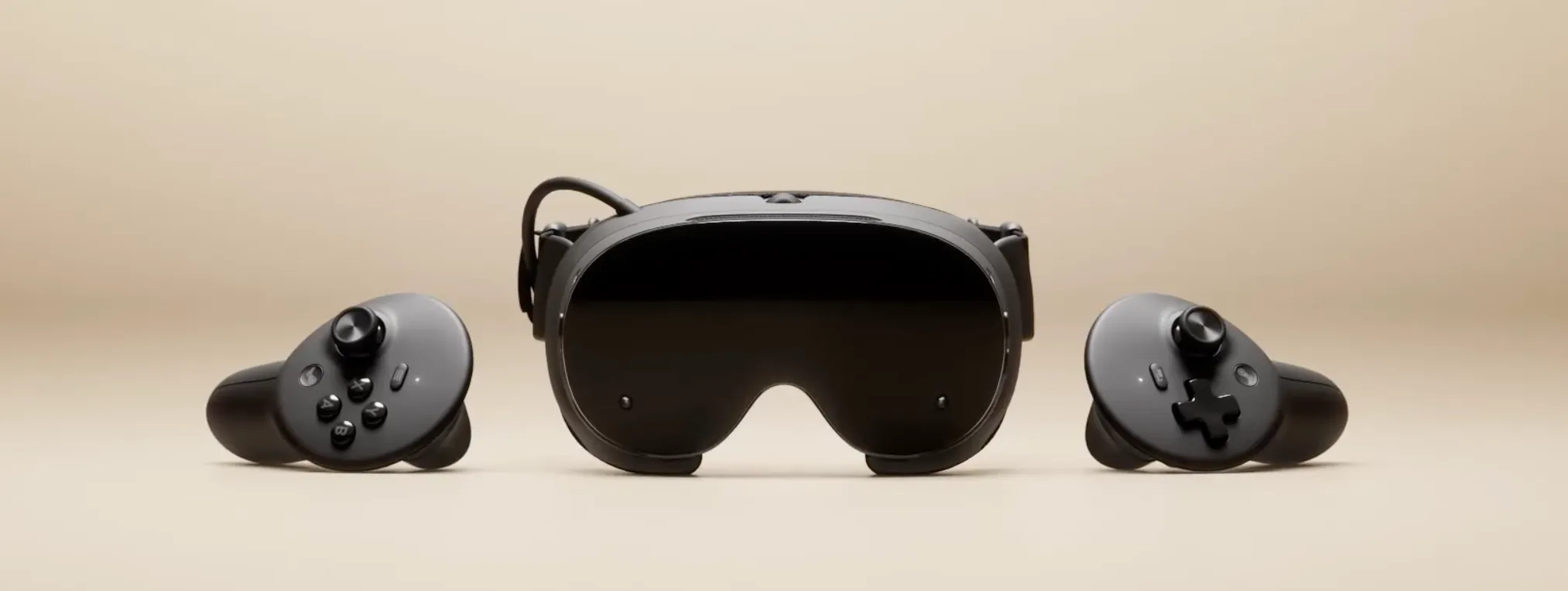
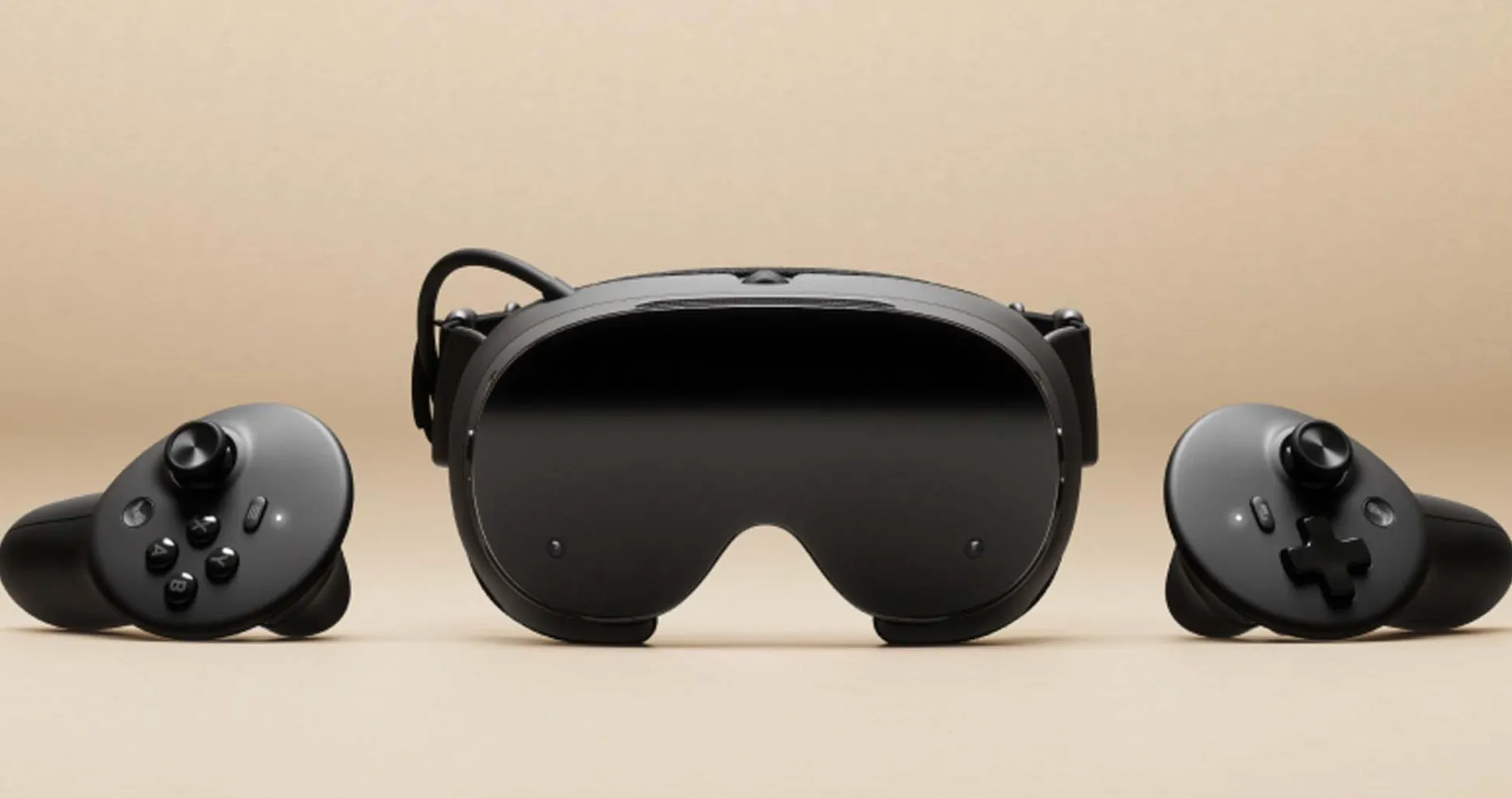
The decision to make Horizon Worlds mobile-accessible represents a stark acknowledgment of VR's adoption challenges. Quest headsets, despite their standalone convenience and competitive pricing, still represent a significant barrier to entry for casual users—both in terms of cost and the friction of donning hardware for social experiences. Think about it: even at a few hundred dollars, that's a substantial investment for something you're not entirely sure you'll use regularly. And there's something psychologically different about needing to physically put on a device versus just pulling out the phone already in your pocket.
This pivot addresses a fundamental problem with VR-only social platforms: network effects require critical mass, and that's nearly impossible to achieve when your entire user base must own specialized hardware. Meta has watched Roblox and Fortnite build thriving virtual economies and social ecosystems by meeting users where they already are—on phones, tablets, and PCs. Not by demanding everyone buy specific hardware first. The mobile-first strategy allows Horizon Worlds to tap into Meta's existing social graph across Facebook and Instagram, potentially leveraging billions of existing relationships rather than starting from zero with Quest owners.
From a competitive standpoint, this move positions Horizon Worlds more directly against established metaverse-adjacent platforms rather than other VR experiences. The battle isn't just about creating the most immersive virtual reality—it's about capturing attention, engagement time, and ultimately, transaction volume in virtual social spaces. Mobile accessibility dramatically expands the addressable market while allowing Meta to experiment with cross-platform interactions that could eventually drive VR headset interest among mobile users who get hooked on the experience.
PRO TIP: If you're a developer building in Horizon Worlds, start thinking about your core experience as device-agnostic from day one. Design for the constraints of mobile touchscreens, then layer in VR enhancements as premium features rather than core mechanics. This "mobile-first, VR-enhanced" approach future-proofs your content for whatever direction the platform evolves.
What this means for Quest developers and the VR ecosystem
The platform fragmentation created by this mobile expansion introduces both opportunities and complications for developers building on Meta's ecosystem. Creators who invested heavily in VR-specific features—room-scale movement, hand tracking, spatial audio cues, gesture-based interactions—now face a critical decision: optimize for the lowest common denominator of mobile interfaces, or maintain separate experiences for different platforms. This split focus risks diluting what makes VR development special while simultaneously opening new monetization avenues through dramatically increased potential audience size.
Developer incentive structures will likely need significant rethinking as Meta balances its VR hardware ambitions against mobile platform growth. Quest-exclusive experiences have benefited from Meta's promotional support and featured placement within the headset ecosystem, but mobile-accessible Horizon Worlds content could attract entirely different algorithmic promotion through Facebook and Instagram integration. The economics shift substantially when considering mobile microtransactions versus VR content sales. VR experiences often command premium pricing because of their novelty and production costs. Mobile apps typically rely on massive volume with smaller per-user transactions—a fundamental difference that could reshape what types of experiences get built and how developers approach the platform entirely.
The tooling and creation pipeline will also face pressure to accommodate this dual-platform reality. Meta's Horizon Worlds creation tools were designed around VR interaction paradigms—building and manipulating objects in three-dimensional space using motion controllers. Adapting these workflows for mobile touchscreen interfaces without sacrificing creative capability represents a significant technical and UX challenge. How Meta resolves this tension will signal whether they view mobile primarily as a consumption platform for VR-created content or as a full-fledged creation environment in its own right. That distinction matters enormously for the long-term health of the creator ecosystem.
How Meta's social networks become metaverse distribution channels
The integration of Horizon Worlds with Meta's existing social infrastructure represents perhaps the most strategically significant aspect of this pivot. Facebook and Instagram collectively reach billions of daily active users—a distribution advantage no VR-only platform could hope to match. By making Horizon Worlds accessible through mobile apps, Meta can leverage its social graph, content recommendation algorithms, and existing user habits to drive metaverse adoption in ways that were impossible when confined to Quest hardware.
This distribution strategy transforms how users might discover and engage with metaverse experiences. Rather than requiring deliberate decisions to put on a headset and launch a VR application, Horizon Worlds content could surface organically in Facebook feeds, Instagram stories, or messaging threads. Imagine scrolling through your feed and seeing that three of your friends are hanging out in a virtual space right now—just tap to join them. Friends' activities in virtual spaces could generate social notifications and FOMO-driven engagement similar to how event invitations or photo tags currently function. The friction of entry drops dramatically when joining a virtual hangout requires just tapping a notification rather than switching devices entirely.
The implications for Meta's advertising and monetization models are equally significant. Mobile-accessible metaverse experiences create new inventory for ads, sponsorships, and branded virtual goods that can be promoted through Meta's existing advertising infrastructure. Brands already spending billions on Facebook and Instagram ads gain new immersive formats to experiment with, while Meta gains additional engagement metrics and transaction data to fuel its advertising targeting capabilities. This convergence of social networking and metaverse platforms could ultimately prove more valuable than VR hardware sales alone. Meta makes its money through advertising, and advertising works best when you have massive scale and detailed user data. VR-only experiences provided neither in meaningful quantities. Mobile metaverse experiences could deliver both.
PRO TIP: For brands considering metaverse advertising, this mobile accessibility dramatically lowers your experimentation risk. You can test virtual sponsorships or branded spaces with your existing Facebook/Instagram audience before committing to expensive VR-native campaigns. Start simple with mobile-friendly virtual events or product showcases, then analyze engagement data to inform larger investments.
Where does this leave the Quest roadmap and VR's future?
Meta's mobile-first metaverse strategy inevitably raises questions about the company's commitment to advancing VR hardware and experiences. If Horizon Worlds succeeds primarily as a mobile platform, does that reduce the strategic imperative to subsidize Quest development and drive down headset prices? The risk of platform cannibalization is real—why would Meta push users toward expensive VR hardware if the core social metaverse experience works adequately on devices they already own?
However, this pivot could alternatively represent a more sustainable path toward eventual VR adoption. By building large, engaged communities on mobile first, Meta creates a pipeline of users already invested in metaverse social experiences who might be curious about the enhanced immersion VR offers. This inverted funnel approach—mobile accessibility leading to VR interest rather than VR exclusivity limiting growth—mirrors how gaming platforms have successfully used cross-platform strategies. Consider how games like Genshin Impact or Call of Duty offer mobile versions that introduce players to the core experience, then encourage upgrades to PC or console for superior graphics, performance, and features. Meta might be betting on a similar dynamic: people start on mobile because it's convenient, discover compelling use cases, then upgrade to Quest when they want the premium immersive experience.
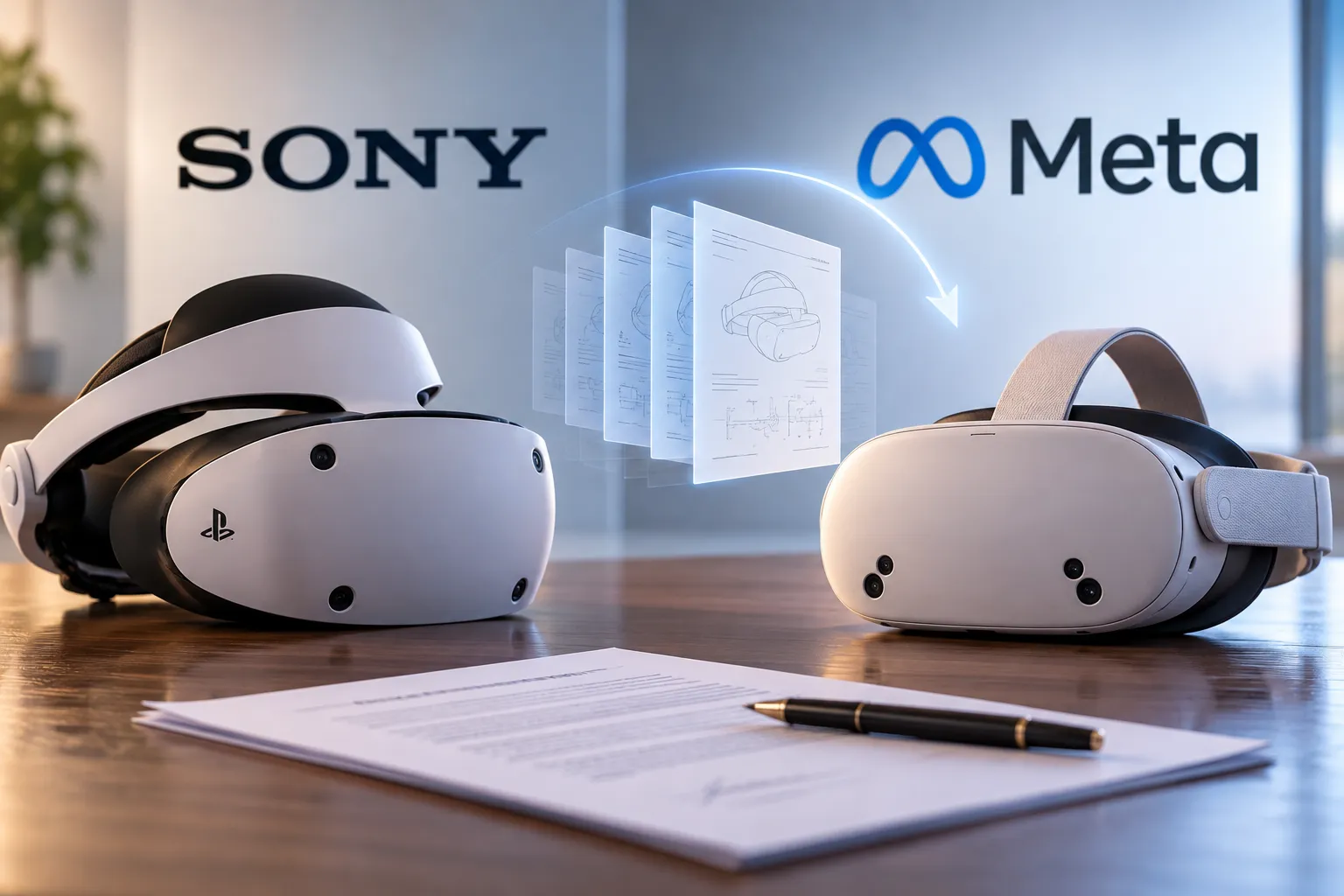
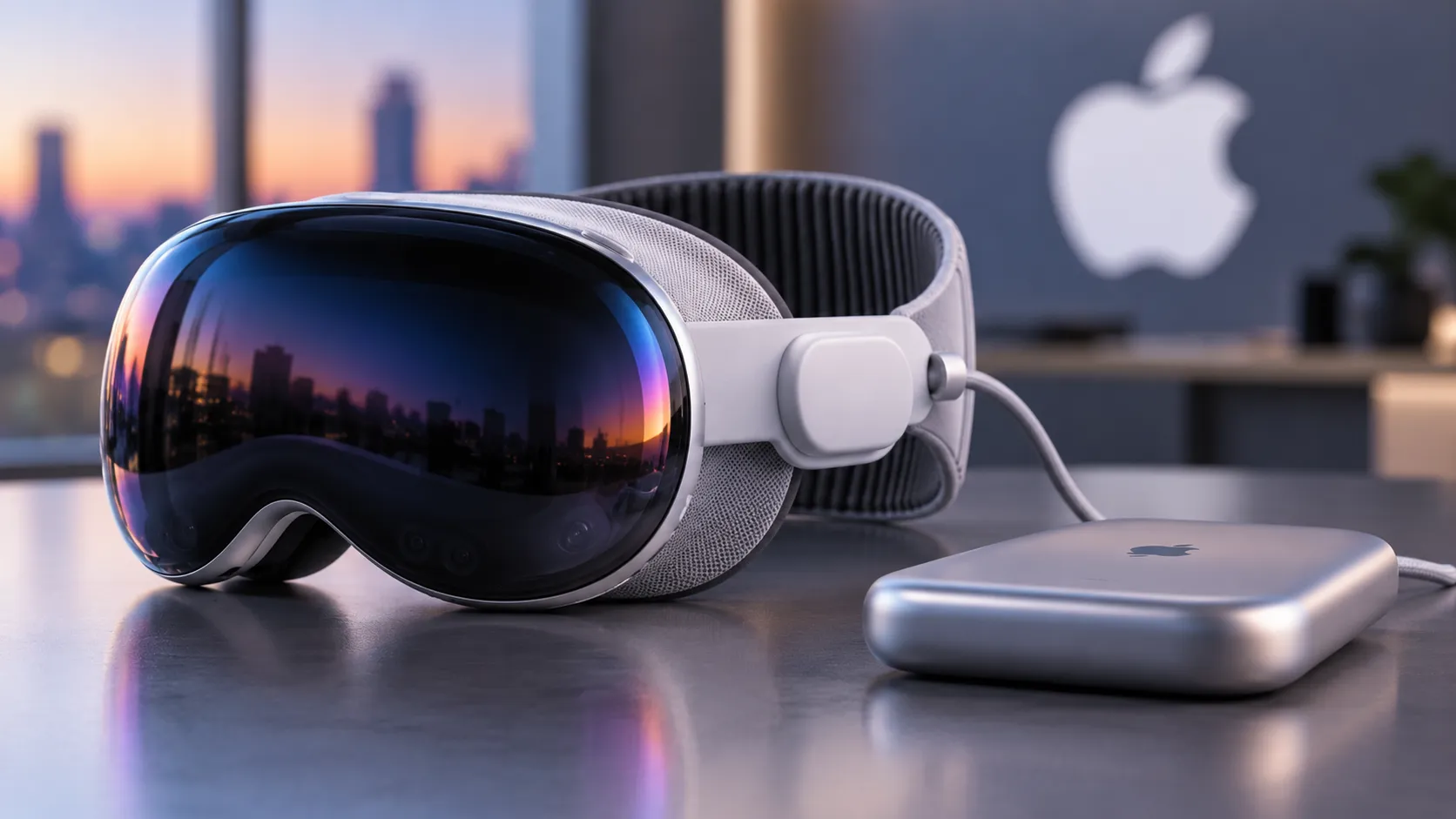
The competitive landscape also factors into how this mobile shift affects VR's trajectory. If Meta's primary metaverse platform becomes device-agnostic, other VR headset manufacturers lose a key exclusive draw that might have driven Quest alternatives. Why develop a competing headset when the biggest metaverse platform works on phones anyway? Conversely, if Horizon Worlds' mobile version proves compelling enough, it could pressure competitors like Apple, Sony, and HTC to similarly prioritize cross-platform accessibility over VR exclusivity.
The broader implication is that VR might evolve into a premium tier of metaverse experiences rather than the foundational requirement Meta once envisioned—a significant recalibration of the industry's trajectory that extends well beyond Horizon Worlds itself. We're watching a fundamental reassessment of what role VR actually plays in the future of social computing. Maybe it's not the revolution that replaces everything else, but rather an optional enhancement layer for those who want maximum immersion. That's a very different future than the one Meta was selling just a couple years ago, but it might ultimately be a more realistic one.
PRO TIP: If you're considering purchasing a Quest headset, this strategic shift shouldn't necessarily change your decision—but it does clarify what you're buying. You're getting a premium tier of access to Meta's metaverse platforms, not the only way to participate. Evaluate your purchase based on the VR-exclusive experiences you want (gaming, fitness, immersive creation) rather than betting on VR becoming the dominant form of social interaction.






Comments
Be the first, drop a comment!