


You've probably heard the buzz about VR being the "next big thing" for years now, but here's what's actually happening behind the scenes: Meta is making a fascinating bet on today's teenagers that could determine whether virtual reality finally breaks into the mainstream or remains forever niche.
Chris Pruett, Meta's director of VR games, has essentially staked the company's VR future on something that's never existed before—a generation that grew up playing games like GorillaTag in virtual reality (The Verge). Think about it: we're talking about kids who learned to navigate 3D spaces with hand controllers before they could drive a car. What makes this strategy particularly compelling is that it addresses VR's fundamental chicken-and-egg problem—creating sustainable demand for premium content while building a loyal user base that can economically support the platform's evolution.
What makes this strategy so intriguing (and risky) is that Meta isn't just trying to retain existing users or attract traditional gamers. They're simultaneously courting two completely different demographics while fundamentally reshaping how we interact with virtual environments—a complex balancing act that could determine the trajectory of the entire medium.
The "VR-native" generation challenge
Here's what sets Meta's approach apart: these teenage users bring fundamentally different expectations to virtual experiences—they prefer gameplay with heavy social interaction and show significantly less susceptibility to motion sickness than older players (The Verge). It's like they have a built-in VR compass that took the rest of us years to develop.
The complexity emerges as these users mature. Pruett acknowledges that as people transition into adulthood, they naturally seek more challenging and sophisticated experiences (The Verge). The company anticipates these users will continue engaging with VR, but expects their preferences to shift toward more polished experiences that retain the social elements and physics-based interactions they've grown accustomed to (The Verge).
The economic implications are profound. Currently, much of VR's growth has been driven by free-to-play titles because teenagers don't have significant disposable income (The Verge). But as Pruett notes, "the games they play are going to change, and the amount of money they'll have to spend will change too" (The Verge). This economic transformation could shift VR from today's microtransaction-heavy model toward premium content that justifies higher development costs and attracts serious content creators.
Most critically, as Pruett puts it, "We've never had young adults that were VR native" (The Verge). Meta is essentially conducting a real-time experiment that won't show definitive results for several years—betting that spatial computing habits formed in adolescence will translate into platform loyalty that survives the transition to adult priorities and competing entertainment options.
Beyond gaming: courting the entertainment audience
While Meta hopes today's VR teenagers will mature into tomorrow's VR adults, they're simultaneously targeting consumers in their thirties who primarily engage with entertainment content rather than traditional gaming (The Verge). This demographic consumes significant amounts of movies, sports, and streaming content but doesn't identify as gamers (The Verge).
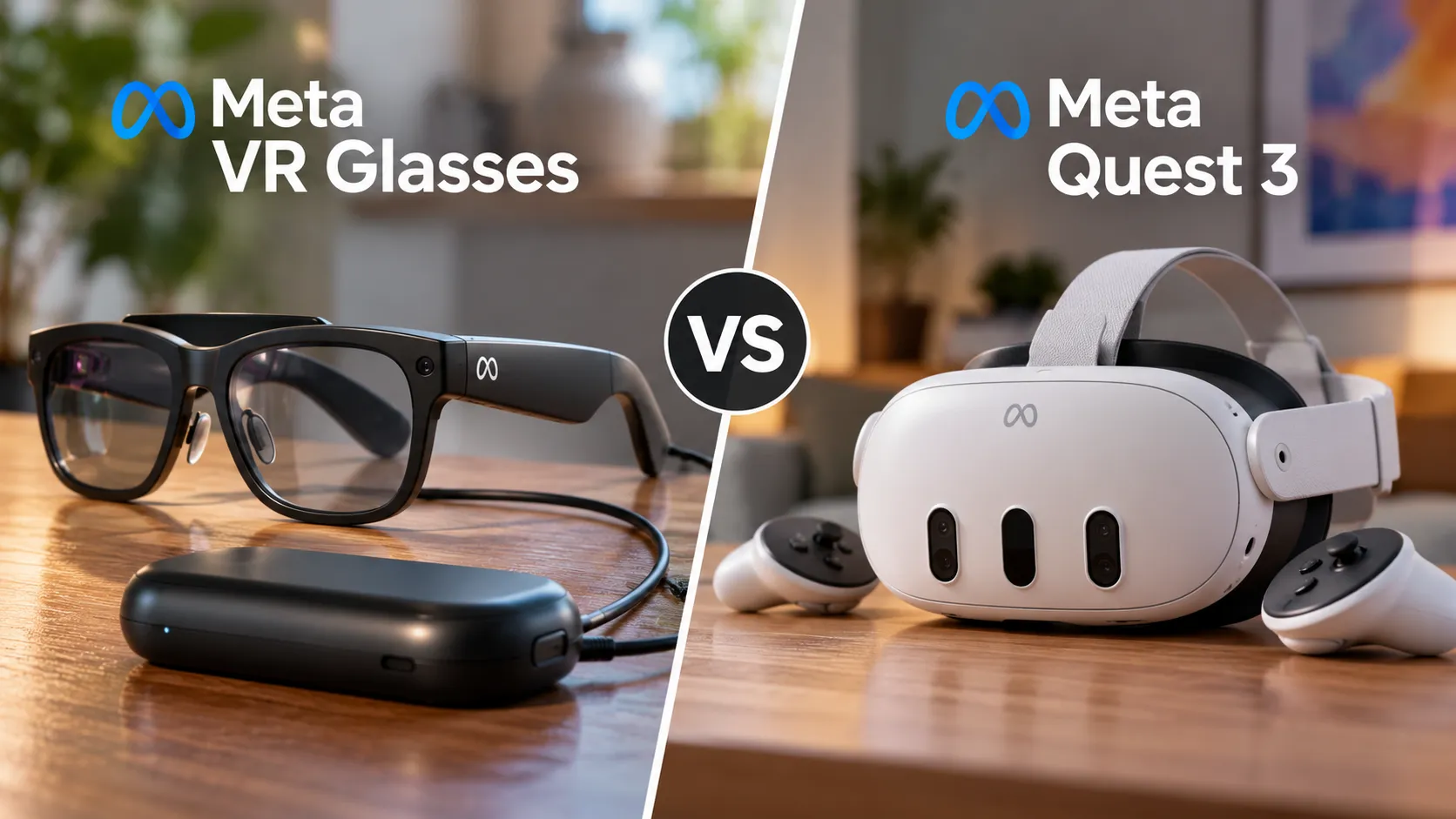
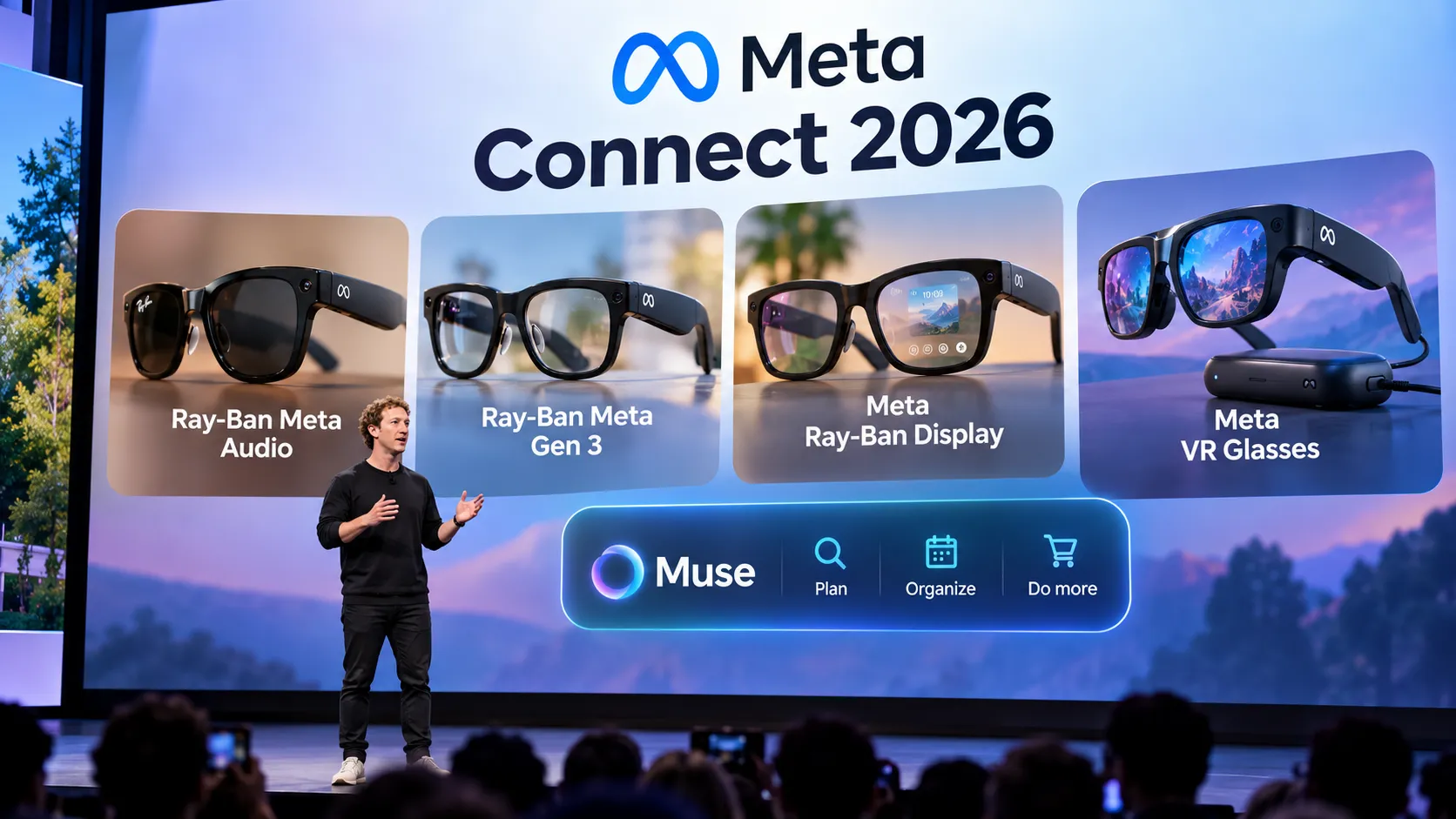
This parallel strategy reflects Meta's recognition that neither demographic alone may be sufficient to achieve mainstream adoption. The entertainment-focused approach targets users who want VR as personal entertainment devices and 3D content viewers rather than gaming platforms (The Verge). To support this vision, Meta has developed a lightweight headset with external compute capabilities expected to launch in 2027, and partnered with James Cameron to accelerate 3D content production (The Verge).
The user experience design philosophy differs dramatically between these demographics. Entertainment-focused experiences emphasize seated, low-friction interactions that prioritize relaxation over physical engagement (The Verge). As Pruett explains, "It's a low-friction, relaxing experience for them, not a workout" (The Verge).
Interestingly, Pruett suggests these older consumers will still engage with interactive content, even if they wouldn't self-identify as gamers (The Verge). This creates a content development challenge: creating "games" that don't feel like games, requiring different types of experiences including titles that can be played sitting down (The Verge). The success of this approach hinges on whether Meta can design experiences that feel more like interactive entertainment than traditional gaming.
The controller-free future
The technical foundation supporting Meta's dual-demographic strategy centers on hand-tracking as the primary interaction method. This isn't merely a feature addition—it's central to making VR accessible to entertainment-focused users who find traditional gaming controllers intimidating or unnecessary.
Pruett strongly advocates that developers targeting older, entertainment-focused audiences should embrace controller-free experiences, predicting that these users will rely almost exclusively on hand-tracking (The Verge). As he puts it bluntly: "These guys are going to be basically hand-tracking only. They aren't likely going to own controllers, or use controllers" (The Verge).
This technical shift has broader strategic implications. If entertainment-focused devices ship without controllers as standard accessories, it fundamentally changes how developers approach VR interaction design and potentially reduces hardware costs. The emphasis on natural interaction methods could significantly lower the psychological barrier to entry for mainstream consumers while simultaneously creating new categories of content that wouldn't work with traditional control schemes.
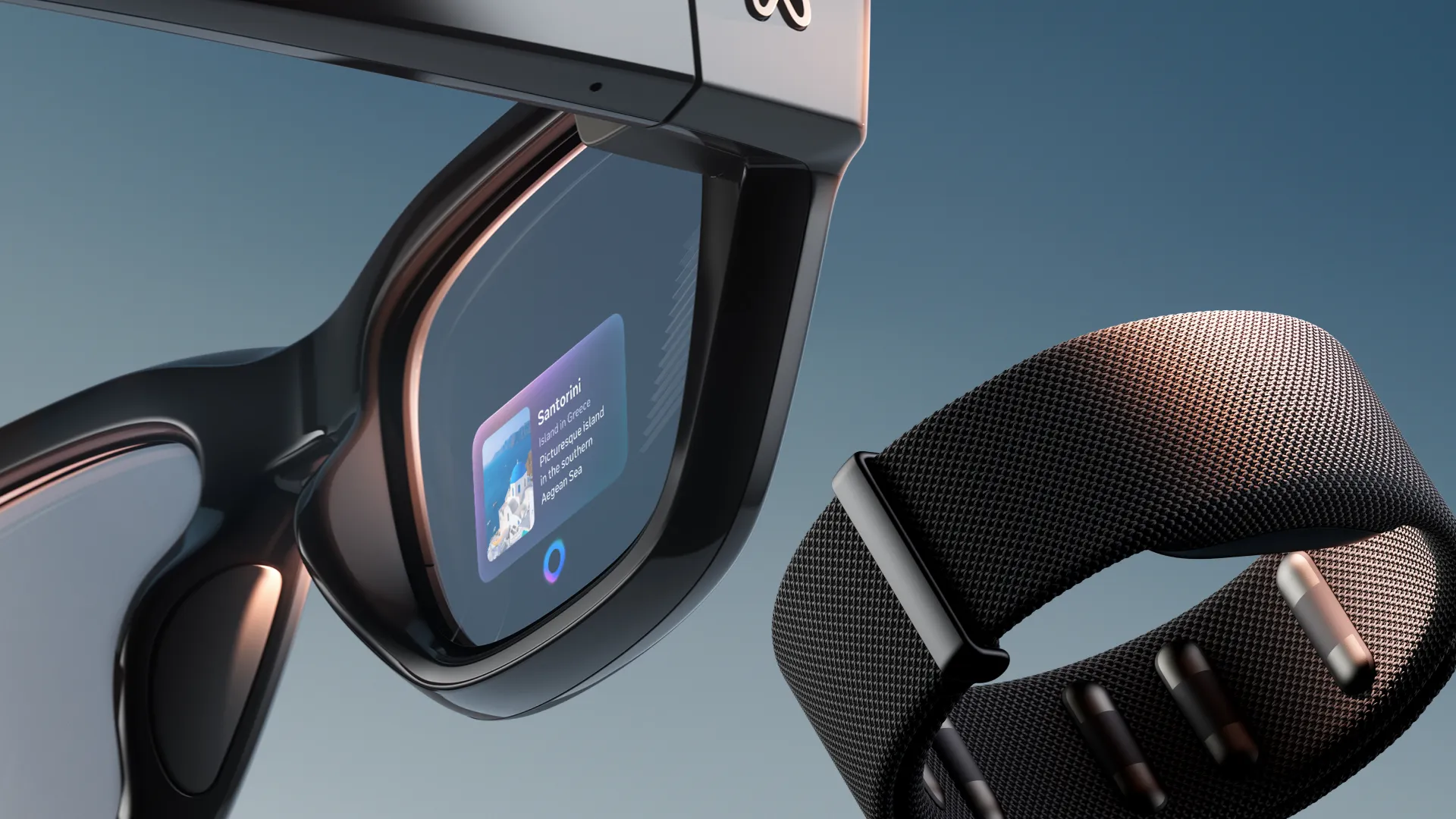
For Meta's hardware strategy, hand-tracking alignment supports their lightweight headset development by eliminating controller tracking requirements and reducing the complexity of the user setup experience. This could be particularly important for users who want VR to feel as simple as putting on a pair of smart glasses rather than entering a gaming environment.
Market realities and competitive pressures
Despite Meta's strategic optimism, several market indicators suggest significant challenges for both demographic approaches. The company has been forced to make tough decisions, closing several high-quality development studios as part of recent restructuring efforts (The Verge). As Pruett candidly admits, "We shut down several of our studios, and make no mistake: Those were top-class studios" (The Verge).
While Quest store revenue showed modest growth in 2025, the underlying economics remain concerning. Much of the platform's expansion has been driven by free-to-play titles rather than premium content purchases (The Verge). More troubling, even established VR enthusiasts "are not spending as much as they used to," according to Pruett (The Verge). This suggests that current users—the most likely early adopters of premium content—are reducing their financial commitment to the platform.
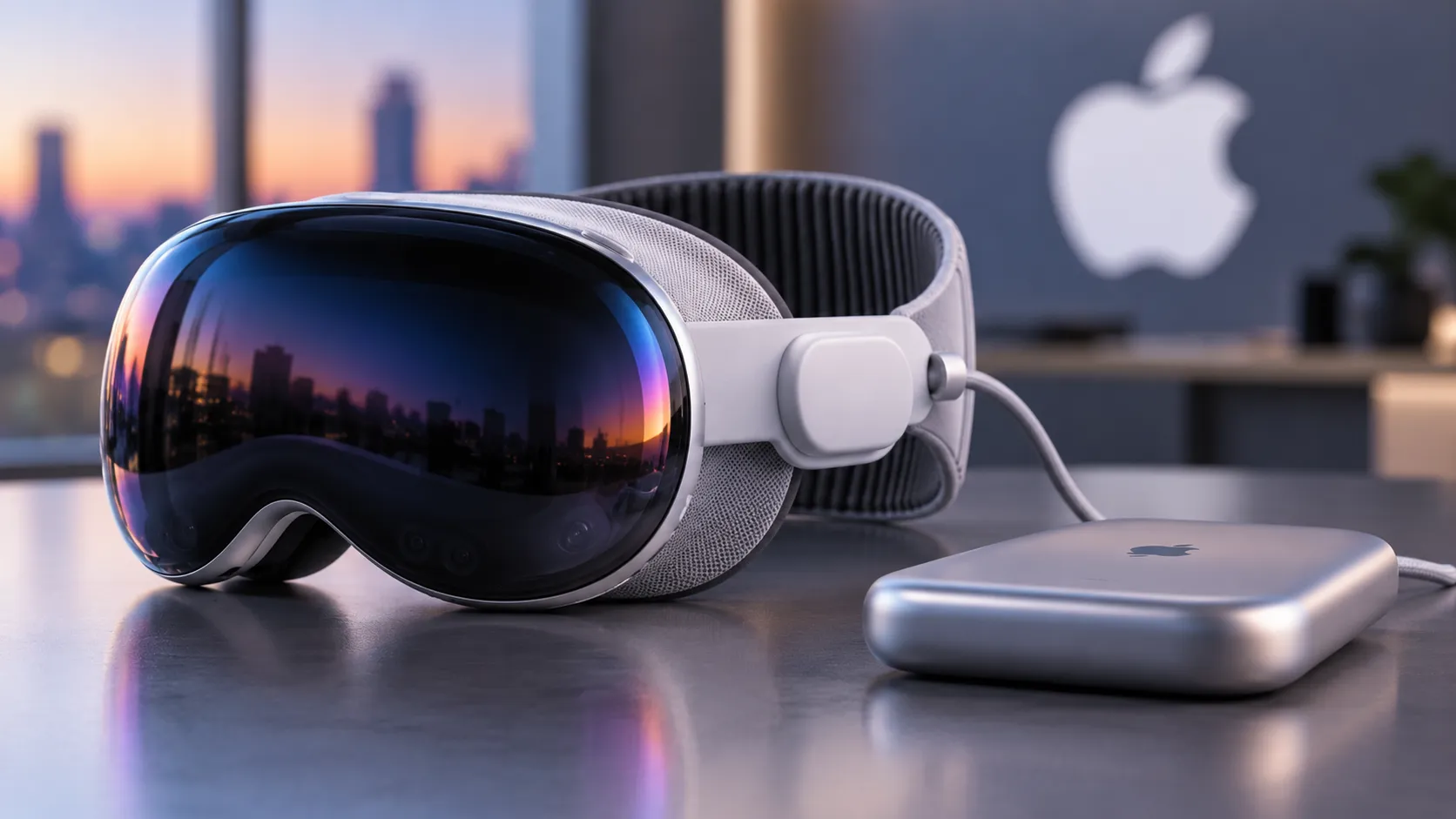
The competition for entertainment-focused users faces substantial skepticism. Apple's Vision Pro has reportedly achieved only 45,000 unit sales in its most recent quarter despite targeting similar demographics with massive marketing resources and premium brand positioning (The Verge). If Apple struggles to attract entertainment-focused consumers, it raises questions about whether this market segment exists at the scale Meta envisions.
Pruett acknowledges the uncertainty, calling entertainment users "a large looming audience" that "don't exist on the platform today" (The Verge). Meta's Reality Labs division remains massively in the red with about $6 billion in Q4 losses, though the company projects these expenses will peak in 2026 as priorities shift toward AI infrastructure development (AR Insider).
Where the real test begins
Meta's dual-demographic strategy represents both the company's greatest opportunity and its most significant gamble in VR. Success requires solving an unprecedented platform design challenge: creating experiences that can evolve with maturing users while remaining accessible to newcomers who want fundamentally different things from virtual reality.
The complexity extends beyond content creation to fundamental questions about platform identity. How do you optimize a content discovery system that serves both teenagers seeking social physics-based games and adults wanting cinematic entertainment experiences? How do you design hardware that satisfies both demographics without compromising either experience? These challenges require unprecedented flexibility in platform architecture and content curation systems.
The economic transformation Meta anticipates—from free-to-play dominance to sustainable revenue streams supporting higher-quality content—assumes that current teenage engagement patterns will translate into long-term platform loyalty (The Verge). This hypothesis won't be testable for several more years, making it one of the longest-term bets in consumer technology.
Most significantly, Meta's willingness to pursue two distinct user bases simultaneously demonstrates recognition that traditional gaming audiences alone may not provide sufficient scale for long-term platform viability. The company is essentially hedging its bets while hoping that at least one demographic approach succeeds in achieving mainstream adoption.
The next few years will reveal whether Meta's bold demographic bet creates the foundation for VR's mainstream breakthrough or whether virtual reality remains a niche medium searching for its defining application. What's certain is that Meta has moved beyond hoping for organic growth, instead making calculated bets on specific user behaviors and demographic trends that could reshape not just their platform, but the entire trajectory of spatial computing.






Comments
Be the first, drop a comment!