


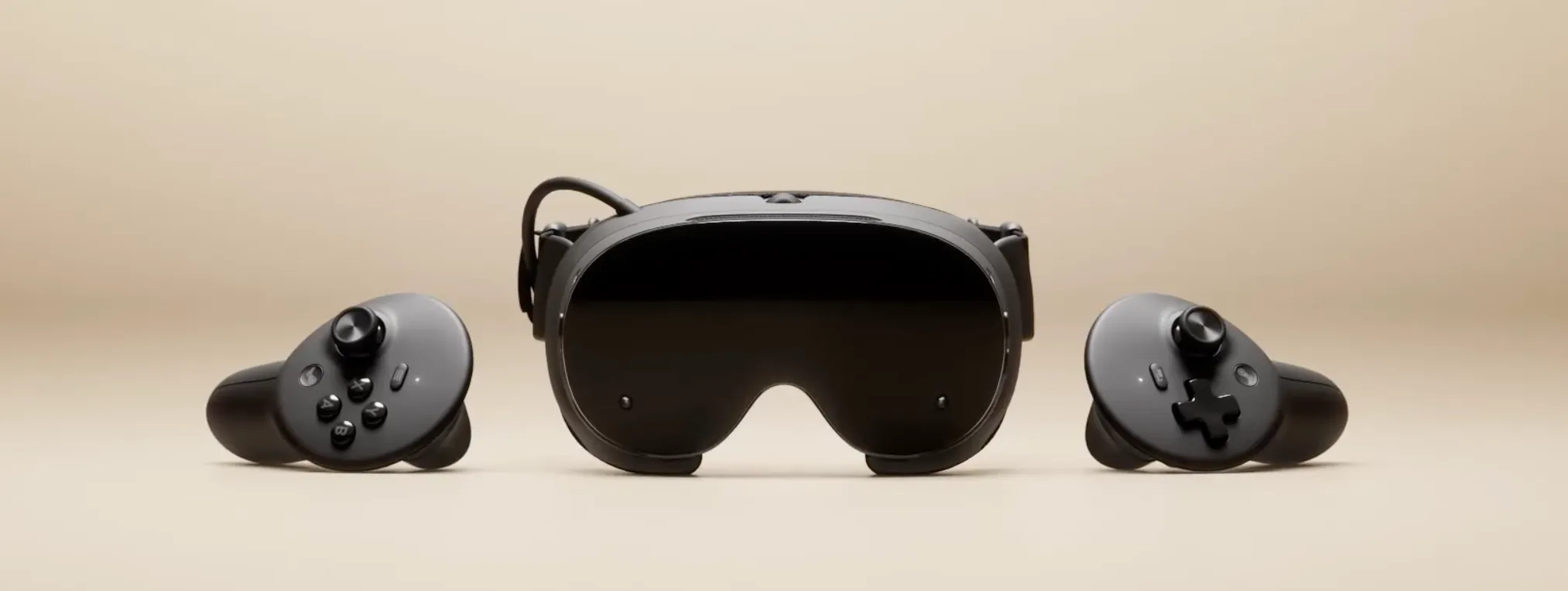
Meta's latest strategic pivot in the VR space has sent ripples through the industry, and honestly, it's one of those moves that makes you sit back and think "wait, what just happened?" The company has decided to slam the brakes on its ambitious plan to share Horizon OS with third-party manufacturers, effectively putting partnerships with major players like Asus and Lenovo on indefinite hold. This move represents a significant shift from Meta's earlier vision of becoming the "Android of XR", raising questions about the company's long-term strategy in the increasingly competitive mixed reality landscape.
What drove Meta to hit the brakes?
Here's where things get interesting from a strategic standpoint. The decision to freeze the third-party program stems from Meta's desire to concentrate resources on perfecting its own hardware and software foundation. Company representatives explained that they've chosen to prioritize developing superior first-party solutions to strengthen the VR market overall.
Now, this isn't just corporate speak—there's real substance behind this reasoning. Creating robust XR operating systems requires intricate coordination between hardware design, sensor configurations, tracking systems, and performance optimization. Think of it like trying to conduct an orchestra where half the musicians are using different instruments than what the sheet music was written for.
The technical challenges are particularly demanding in VR. Where a smartphone app might tolerate a few milliseconds of delay, VR applications become nauseating if tracking systems lag even slightly. Managing diverse hardware from multiple manufacturers would introduce complexity that could compromise the user experience and create fragmentation issues that have plagued other platforms. For a technology where precise sensor fusion determines whether users feel immersed or sick, this kind of hardware variability represents a genuine engineering nightmare.
The casualties: What happens to promised partnerships?
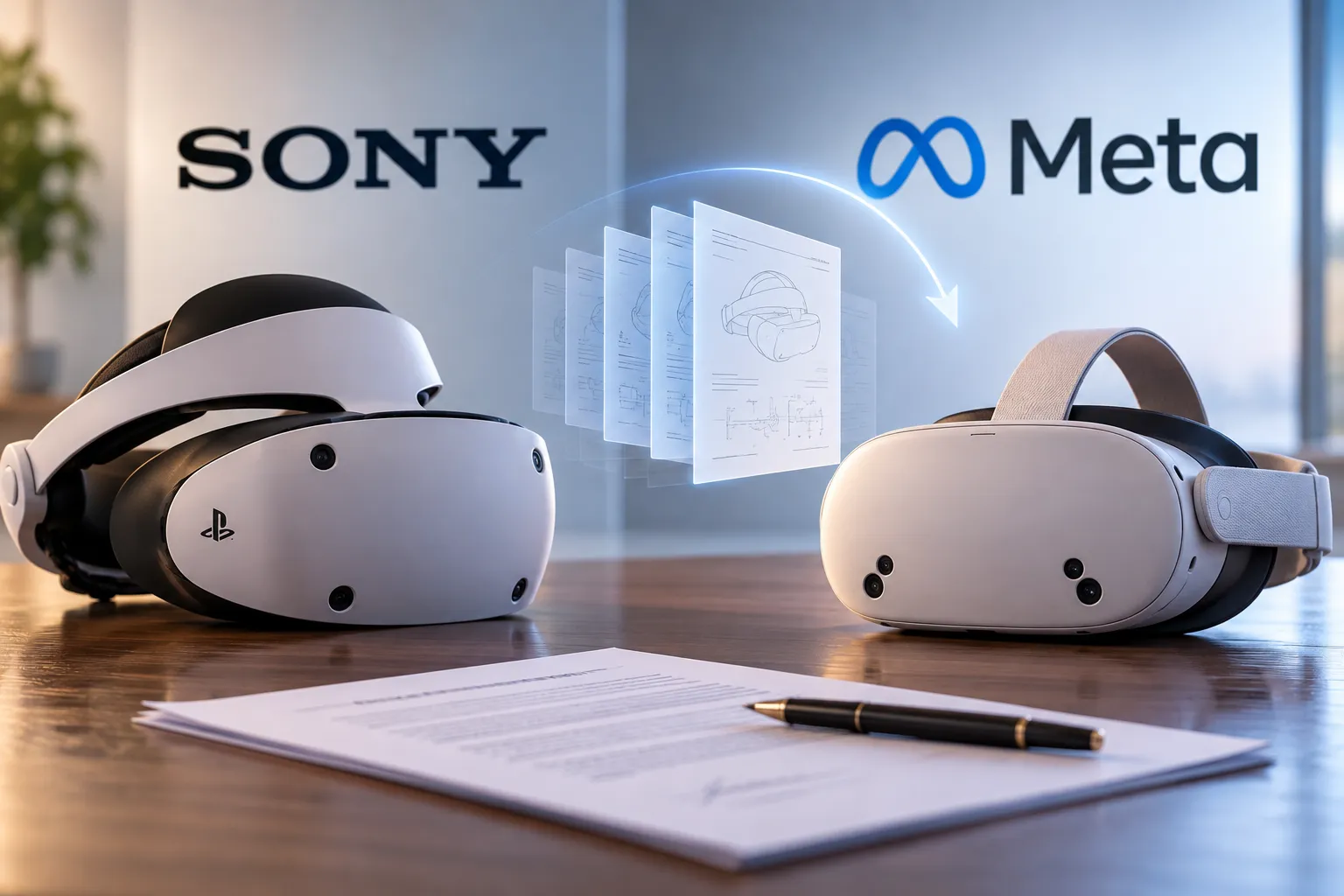
The pause puts those third-party Horizon OS devices on indefinite hold that were already in development, and this is where the decision gets particularly painful for the industry. Asus had been working on a specialized gaming-focused VR headset, while Lenovo was developing mixed reality devices targeting productivity, learning, and entertainment applications. These partnerships, announced with considerable fanfare just months ago, now find themselves in limbo.
What's particularly striking about this situation is the timing. There had been minimal public updates about the partner program's progress since its initial announcement, which in hindsight feels like a red flag. The sudden shift from ambitious partnership announcements to complete program suspension suggests these collaborations faced significant technical or strategic hurdles that weren't immediately apparent.
Meta previously signalled Xbox as a partner/branding collaborator in this now-suspended initiative, which makes you wonder how many conversations and development resources just got shelved indefinitely. For these hardware partners, this represents not just a strategic setback but potentially millions of dollars in R&D that may never see a return.
The competitive landscape that changed everything
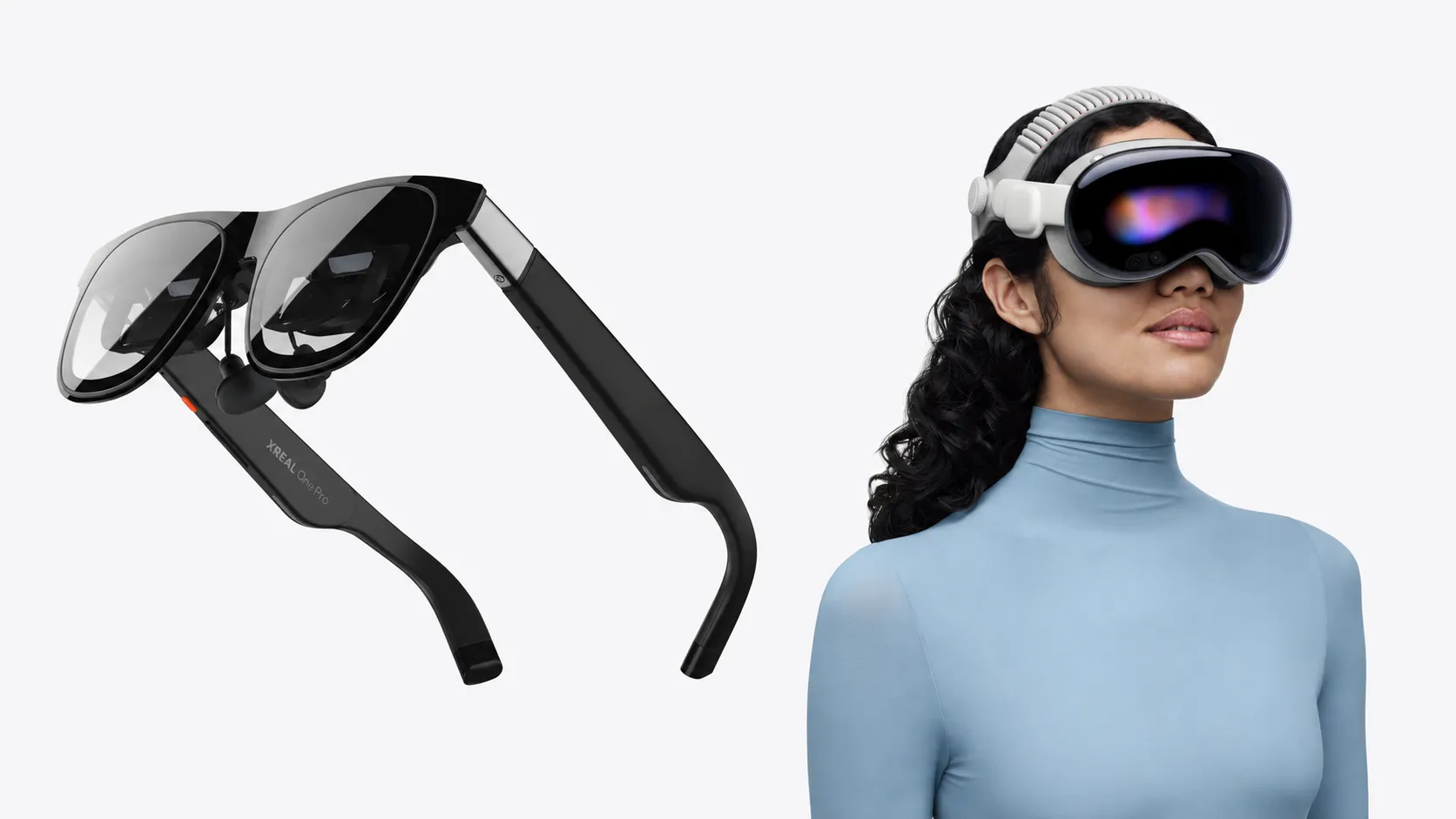
Meta's strategic retreat coincides with what might be the most significant development in the XR space this year: Google's entry with Android XR, a platform specifically designed for mixed reality headsets. This isn't just another competitor throwing their hat in the ring—this is Google, with all the ecosystem advantages that come with that name.
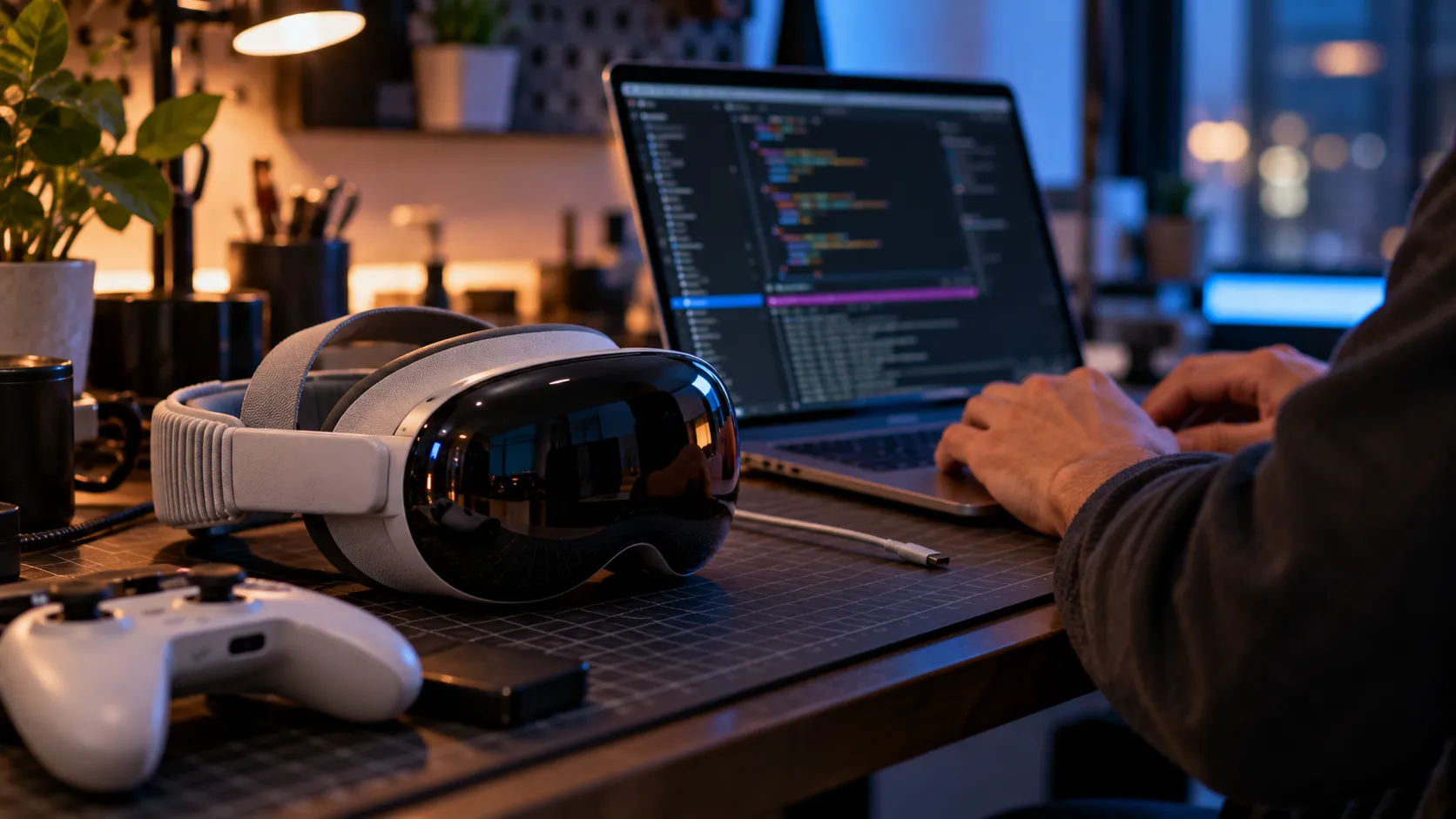
The competitive threat here is multifaceted. Android XR's backing by Google Play could prove more attractive to hardware partners seeking robust app store support and revenue opportunities. From a hardware manufacturer's perspective, partnering with Google means tapping into a massive existing developer base, established monetization infrastructure, and familiar development tools that could significantly reduce time-to-market.
This competitive pressure appears to have influenced Meta's strategic calculus significantly. By concentrating on first-party development, Meta appears to be avoiding a direct confrontation with Google while ensuring Horizon OS remains competitive in the rapidly evolving XR market. The company's approach also reflects broader organizational changes, with Reality Labs reportedly facing potential budget cuts of up to 30% for metaverse-related projects. When budgets get tight and competition intensifies, companies tend to focus on what they can control directly rather than complex partnerships.
What this means for Meta's VR future
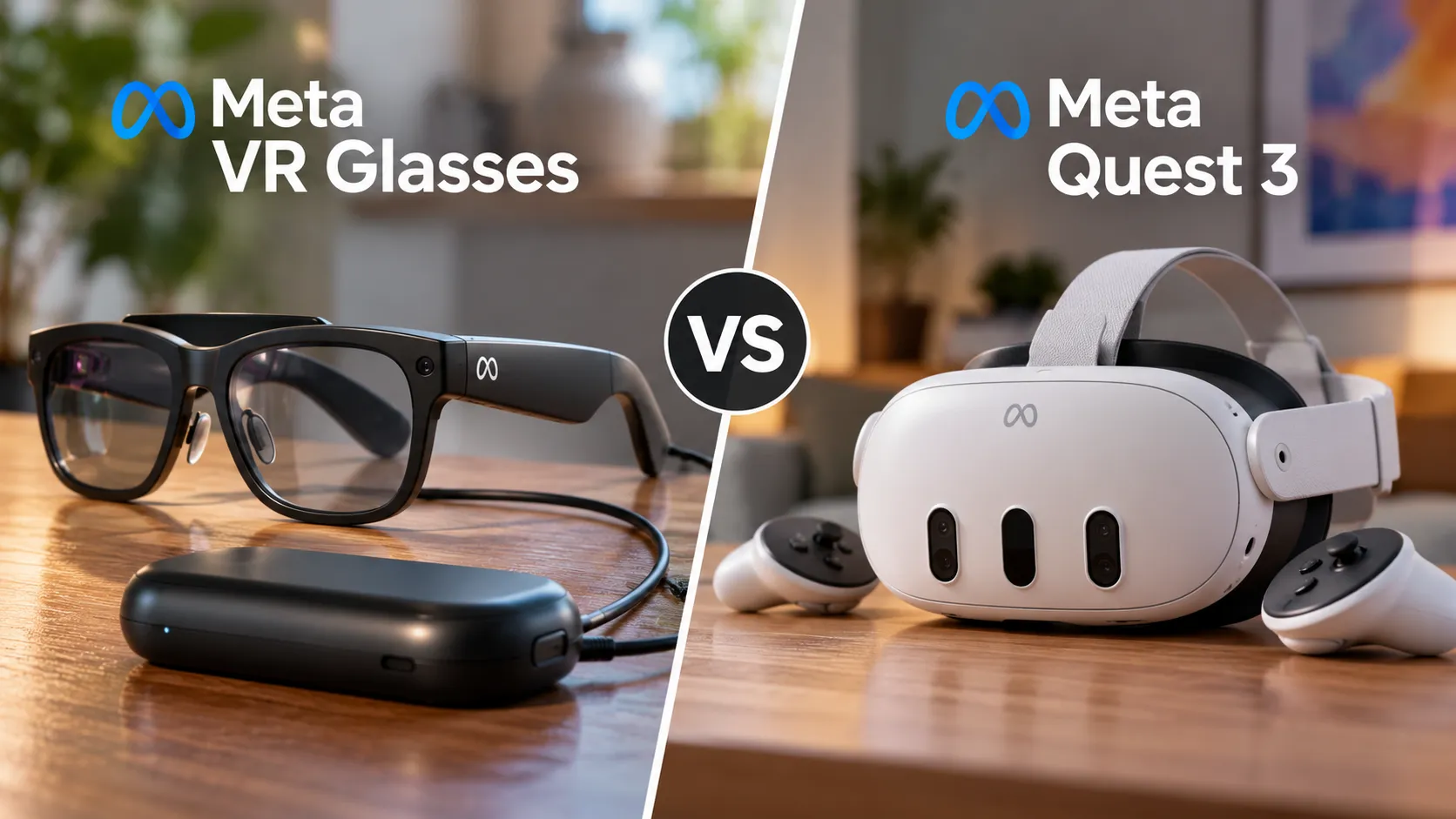
The pause signals a more focused but potentially longer development timeline for Meta's VR ambitions, and the numbers here tell an interesting story. Internal reports suggest the company's next major mixed-reality headset won't arrive until 2027, with the Quest 3 potentially serving as the flagship device for four to five years.
This extended timeline reflects a strategic shift toward perfection over proliferation. Meta is also developing a gaming-focused Quest 4 as a substantial upgrade over the Quest 3, targeted for the same 2027 timeframe. Rather than rushing multiple hardware variations to market through partners, they're concentrating resources on breakthrough first-party innovations that could redefine the category.
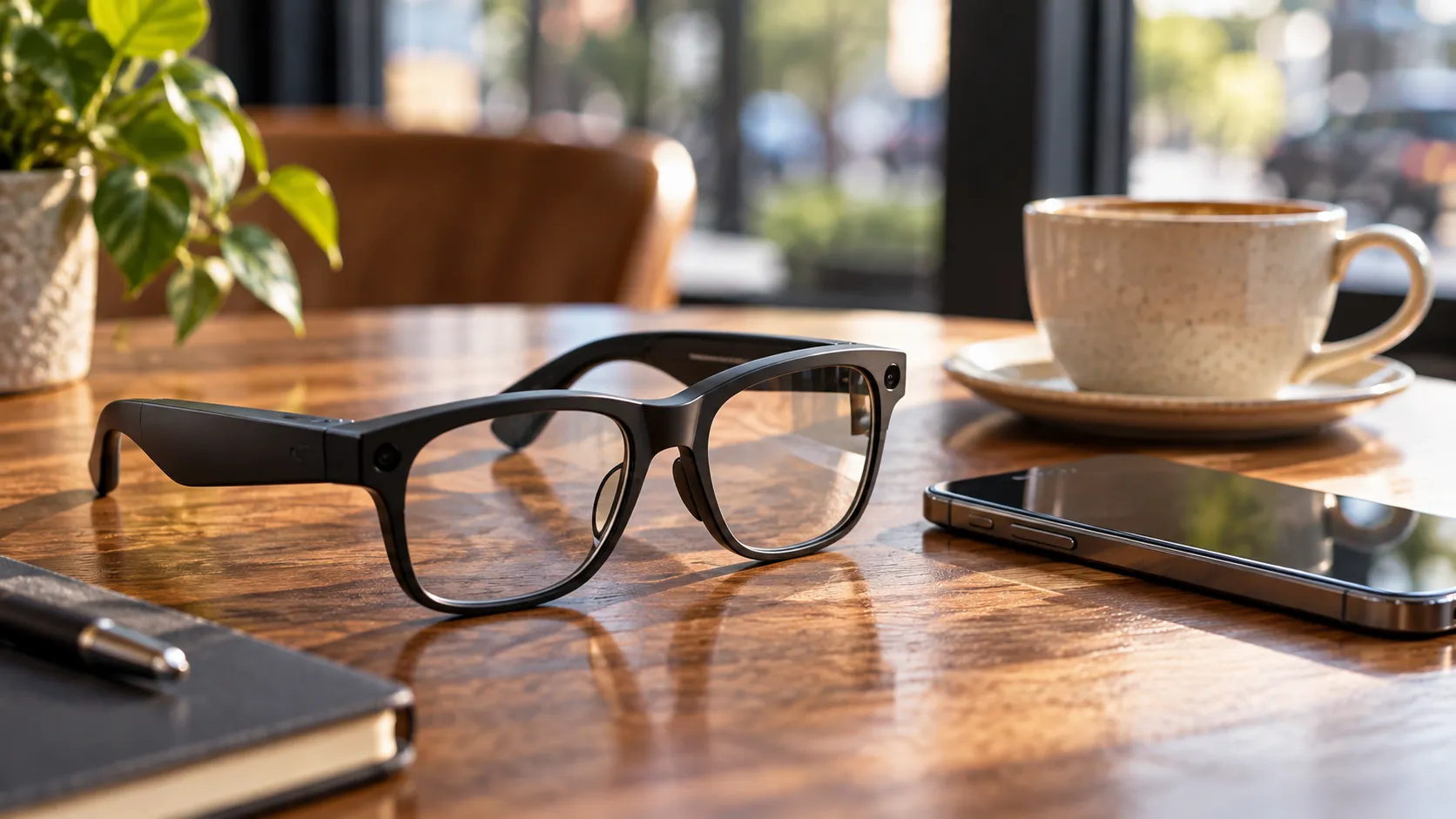
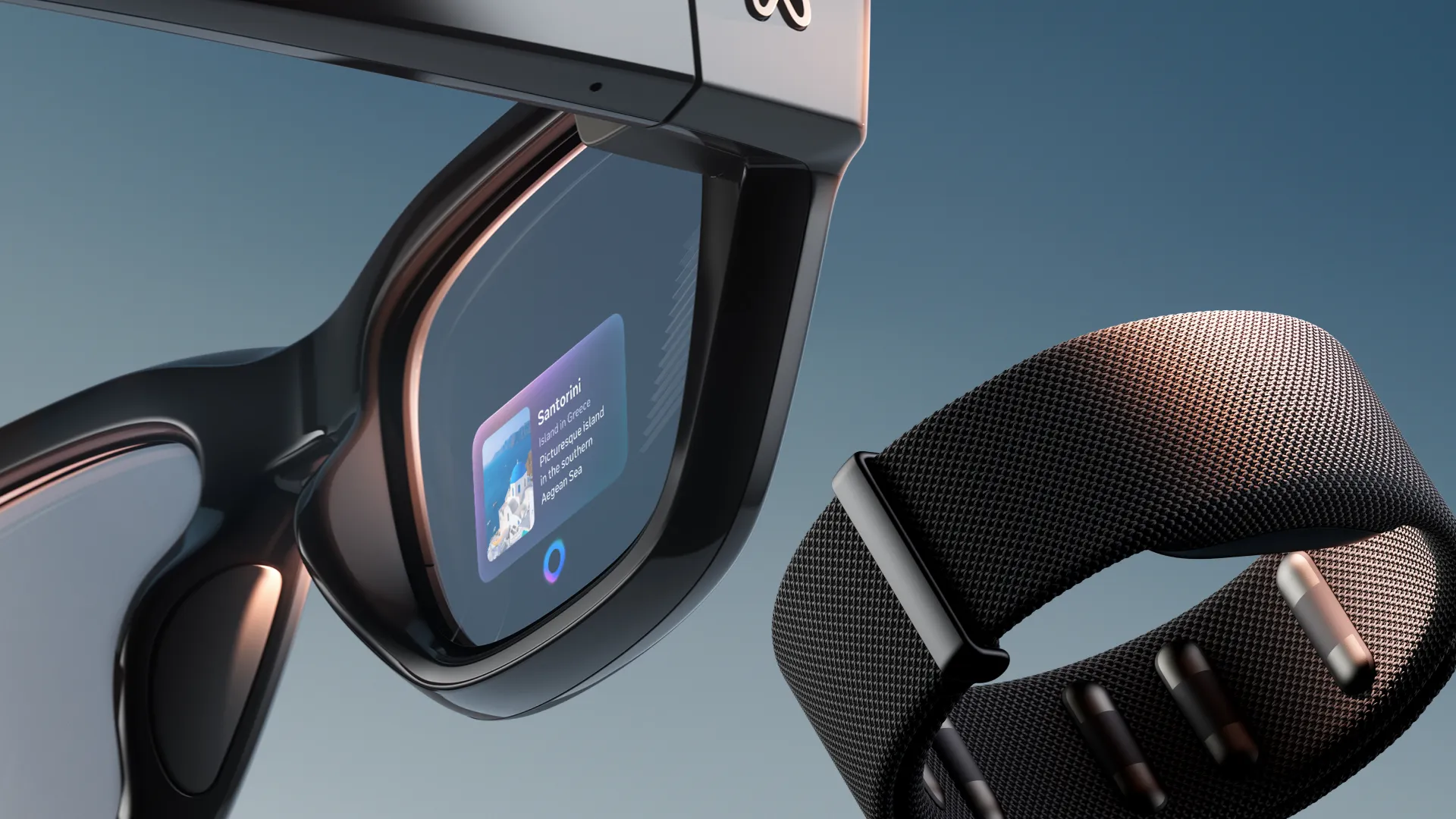
The broader organizational realignment is equally telling. The company has confirmed it's reallocating investment from metaverse projects toward AI glasses and wearables, recognizing the momentum in those areas. This shift reflects a more pragmatic approach to emerging technologies—instead of forcing the metaverse revolution, they're following market signals and user adoption patterns where AR glasses show more immediate consumer appeal than immersive VR experiences.
Despite the current pause, Meta maintains its long-term commitment to revisiting third-party partnerships as the XR category matures. Translation: they're not giving up on the "Android of XR" vision, but they're acknowledging that the timing and market conditions aren't aligned for that strategy just yet.
Where does the VR industry go from here?
This strategic shift reflects the complex realities of building a sustainable XR ecosystem in 2025, and it's honestly a pretty mature decision when you look at the bigger picture. Meta's decision to concentrate on first-party development may ultimately strengthen Horizon OS by ensuring a more cohesive user experience. Sometimes the best way to build a platform is to prove it works exceptionally well on your own hardware first.
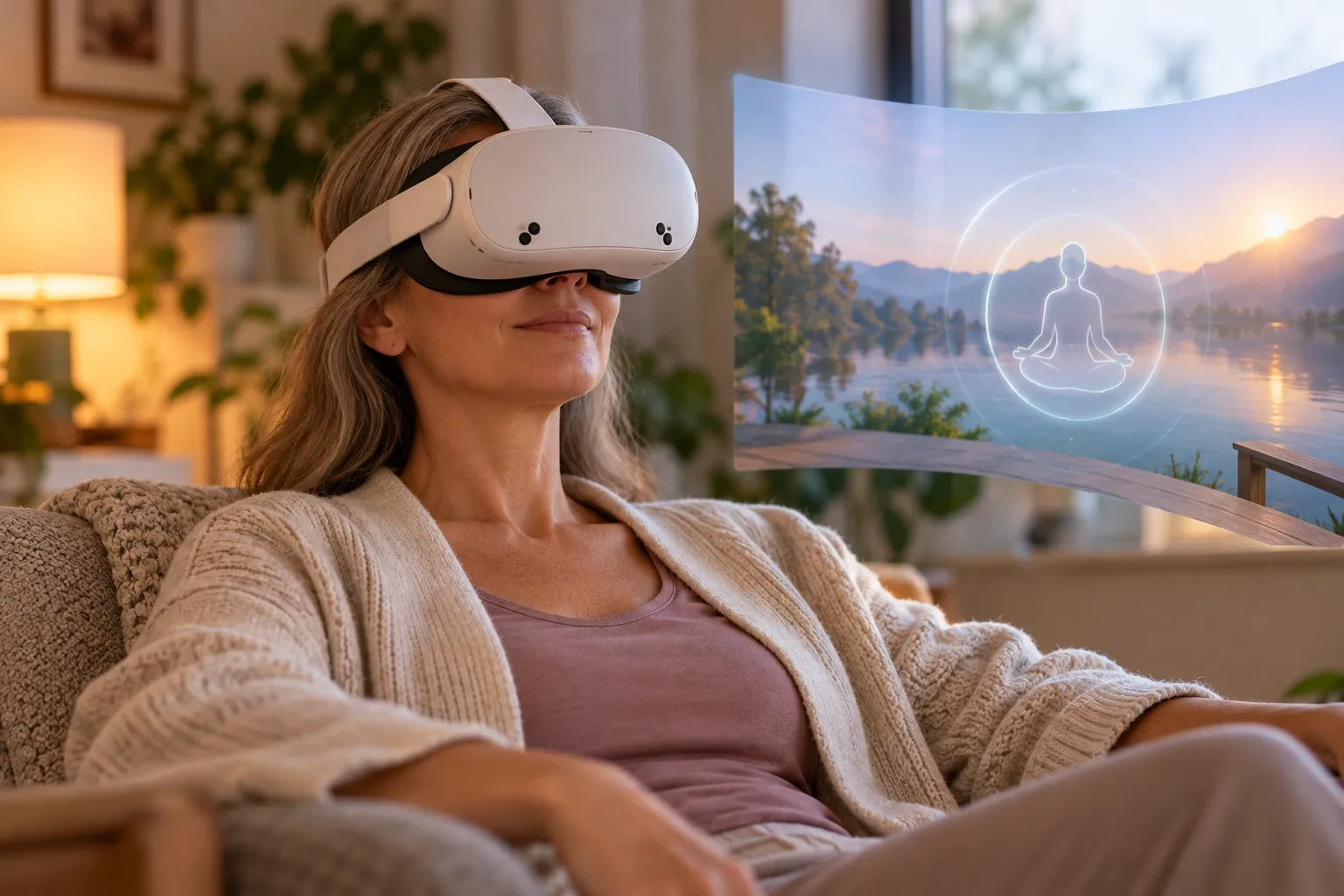
The company's focus on entertainment applications, including the recent Disney+ app launch for Quest headsets, demonstrates its commitment to expanding beyond gaming. This entertainment-first strategy could prove crucial—while productivity applications struggle with VR adoption barriers, immersive entertainment experiences offer immediate value that could drive mainstream acceptance.
However, this consolidation strategy also highlights the fundamental challenges facing the XR industry in 2025. The competition between Meta's vertically integrated approach and Google's platform-first strategy represents two fundamentally different philosophies about how emerging technology markets develop. For the VR industry, this consolidation around fewer platforms could lead to more refined experiences, though it may also limit hardware diversity and innovation in the short term.
The real test will be whether Meta's concentrated approach can deliver the breakthrough innovations needed to accelerate mainstream VR adoption before competitors establish dominant positions in the market. What we're witnessing is essentially a race between different philosophies, where the winner will likely be determined not just by technical excellence, but by who can better serve the needs of both developers and end users in this still-evolving space. The pause may ultimately prove to be a strategic masterstroke—or a costly delay that allows competitors to capture the market momentum Meta spent years building.



Comments
Be the first, drop a comment!