


Meta's Reality Labs Layoffs: The $70 Billion Pivot from VR Dreams to AI-Powered Wearables
The tech world is witnessing a seismic shift as Meta dramatically restructures its virtual reality ambitions, leaving thousands of Supernatural fitness enthusiasts wondering what comes next. The company has started eliminating roughly 1,500 positions within its Reality Labs division, according to Windows Central, marking a significant pivot away from the metaverse vision that once defined the company's future. This strategic realignment affects approximately 10% of Reality Labs employees and signals Meta's aggressive push toward artificial intelligence and wearable technology, as reported by Economic Times. Perhaps most heartbreaking for dedicated users, the beloved VR fitness platform Supernatural will cease receiving new content updates, transitioning into maintenance mode after Meta's $400 million acquisition just three years ago, according to CNBC.
Here's what makes this situation particularly striking: we're talking about 1,500 people who believed in Zuckerberg's metaverse vision, many of whom spent years building virtual worlds that millions of users would never actually visit. The irony is almost painful—while Meta poured billions into creating immersive digital spaces, most people remained perfectly content scrolling through Instagram on their phones.
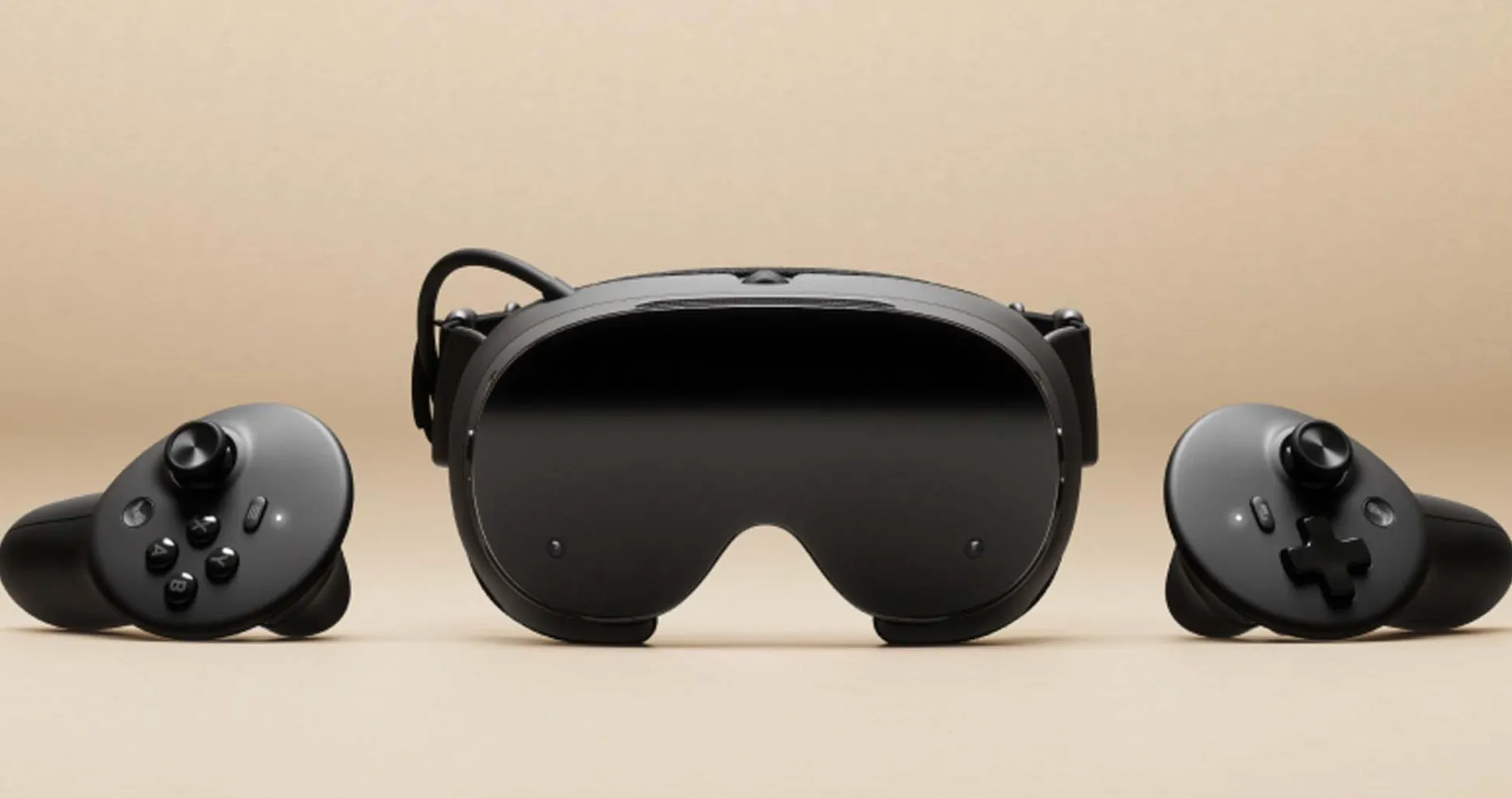
What's particularly telling is how this decision protects certain teams while eliminating others. The core teams working on VR headsets and Horizon Worlds face cuts, while employees developing the Ray-Ban smart glasses keep their jobs—a clear indicator of where Meta sees actual market demand versus expensive experiments with uncertain returns.
The financial reality behind Meta's VR retreat
Let's talk numbers, because they reveal the staggering scope of this strategic miscalculation. Meta's Reality Labs division burned through approximately $17.7 billion in 2024 alone, according to Economic Times, bringing total losses since 2021 to an eye-watering $70 billion—enough money to fund several small countries' annual budgets, or to acquire companies like Netflix or Adobe outright.
These weren't just research and development costs either. Meta invested heavily in high-end VR headsets, digital avatars, and immersive social platforms that consistently failed to attract significant user bases, as reported by Irish Examiner. The most telling statistic? Horizon Worlds, Meta's flagship virtual social platform, never managed to draw more than a few hundred thousand active users monthly, according to CNBC—fewer users than some moderately successful mobile games achieve in their first month.
This pattern of massive investment with minimal returns created a consistent drain on shareholder value. When you're spending billions to create a platform that attracts fewer people than a typical TikTok creator's follower count, investor patience eventually runs out. The financial pressure became unsustainable when competitors began demonstrating more practical paths to the next computing platform.
PRO TIP: For investors tracking Meta's pivot, watch the quarterly Reality Labs revenue figures closely. The shift toward wearables should start showing improved revenue-to-loss ratios by late 2026 if the strategy is working.
From metaverse dreams to AI-powered wearables
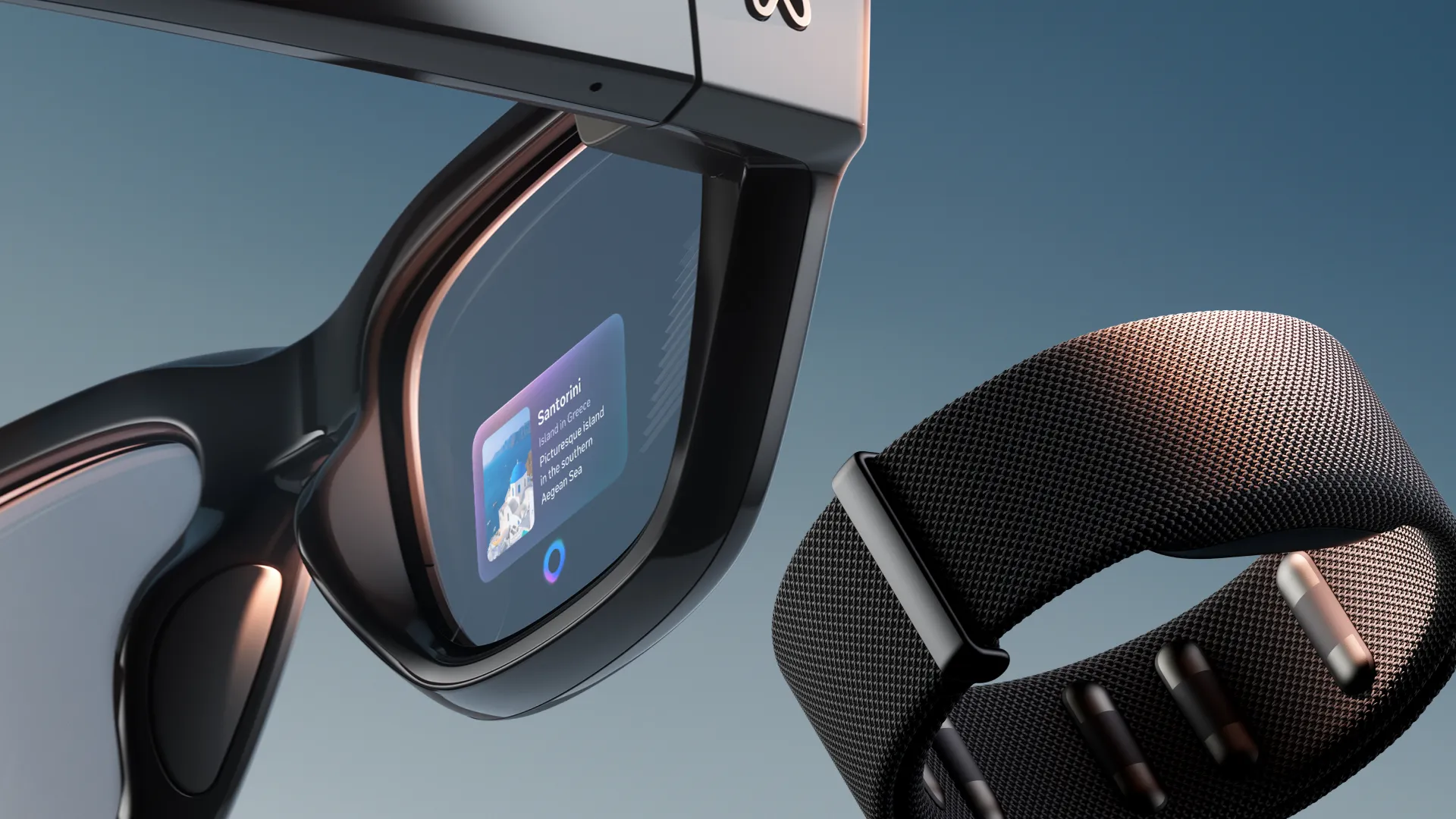
Here's where Meta's story takes a fascinating turn toward actual consumer demand. The company's Ray-Ban smart glasses have demonstrated significantly stronger market performance than anyone expected, with over two million units sold and plans to double production capacity by the end of 2026, according to Economic Times.
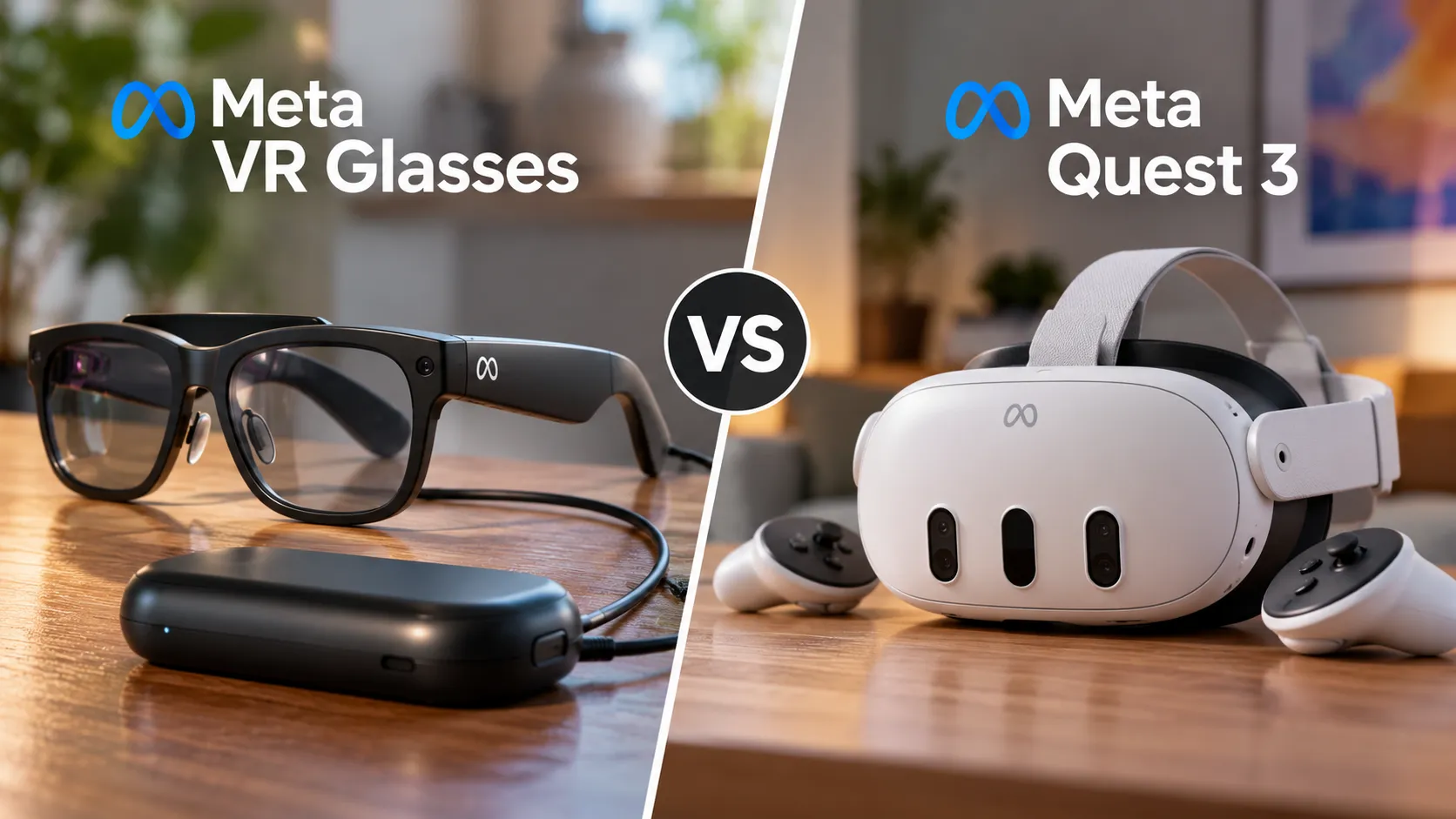
The contrast couldn't be more stark in terms of user behavior. While VR headsets required complete disconnection from physical environments, smart glasses enhance real-world experiences without demanding that level of commitment. You can wear Ray-Ban smart glasses to capture photos, make calls, or get AI-powered assistance while maintaining normal social interactions—try doing that with a Quest headset strapped to your face.
Meta's leadership has clearly recognized this fundamental difference in consumer adoption patterns. Company executives now believe this transition toward AI-enhanced wearables will achieve mainstream adoption much faster than persistent virtual worlds ever could, as reported by Economic Times. The company is reallocating resources away from VR initiatives toward AI glasses and wearable devices, with ambitious plans to increase annual smart glasses production capacity to 20 million units or more, according to Irish Examiner.
What makes this pivot particularly smart is the integration of practical AI capabilities. Instead of trying to create entirely separate virtual worlds, Meta is focusing on AI that enhances everyday activities through subtle, accessible applications—giving people superpowers in the real world they already inhabit rather than asking them to escape into digital alternatives.
Supernatural's journey from acquisition to abandonment
The saga of Supernatural perfectly encapsulates everything that's gone wrong—and right—with Meta's shifting strategy. This story reveals how quickly corporate priorities can change and the human cost of strategic pivots.
Meta fought the Federal Trade Commission for nearly three years to complete its acquisition of Within, Supernatural's parent company, just three years ago, according to Athletech News. At the time, CEO Mark Zuckerberg was comparing VR fitness subscriptions to Peloton's massive success in 2021, describing immersive workouts as a major market opportunity with enormous potential, as reported by Athletech News.
But here's where the strategic shift became evident: during court testimony in late 2022, Zuckerberg began downplaying fitness applications while elevating social experiences as higher priorities, according to Athletech News. This testimony essentially foreshadowed the platform's eventual abandonment, though most users had no idea what was coming.
The whiplash must be incredible for dedicated Supernatural users who built their fitness routines around the platform. One day you're part of what feels like the future of home fitness, complete with exotic locations and choreographed workouts that gamify exercise. The next day, your preferred workout method enters maintenance mode with no new content development.
What's particularly frustrating from a business perspective is the timeline: Meta spent $400 million and years of legal battles to acquire Supernatural, only to abandon active development less than three years later. The app remains functional with its existing content library, according to Athletech News, but the promise of ongoing innovation has evaporated along with the jobs of its creators.
The competitive landscape driving Meta's transformation
The urgency behind Meta's pivot becomes clear when you examine the increasingly competitive race to define the next computing platform. Every major tech company is moving aggressively toward AI-powered wearables, and Meta can't afford to fall behind again.
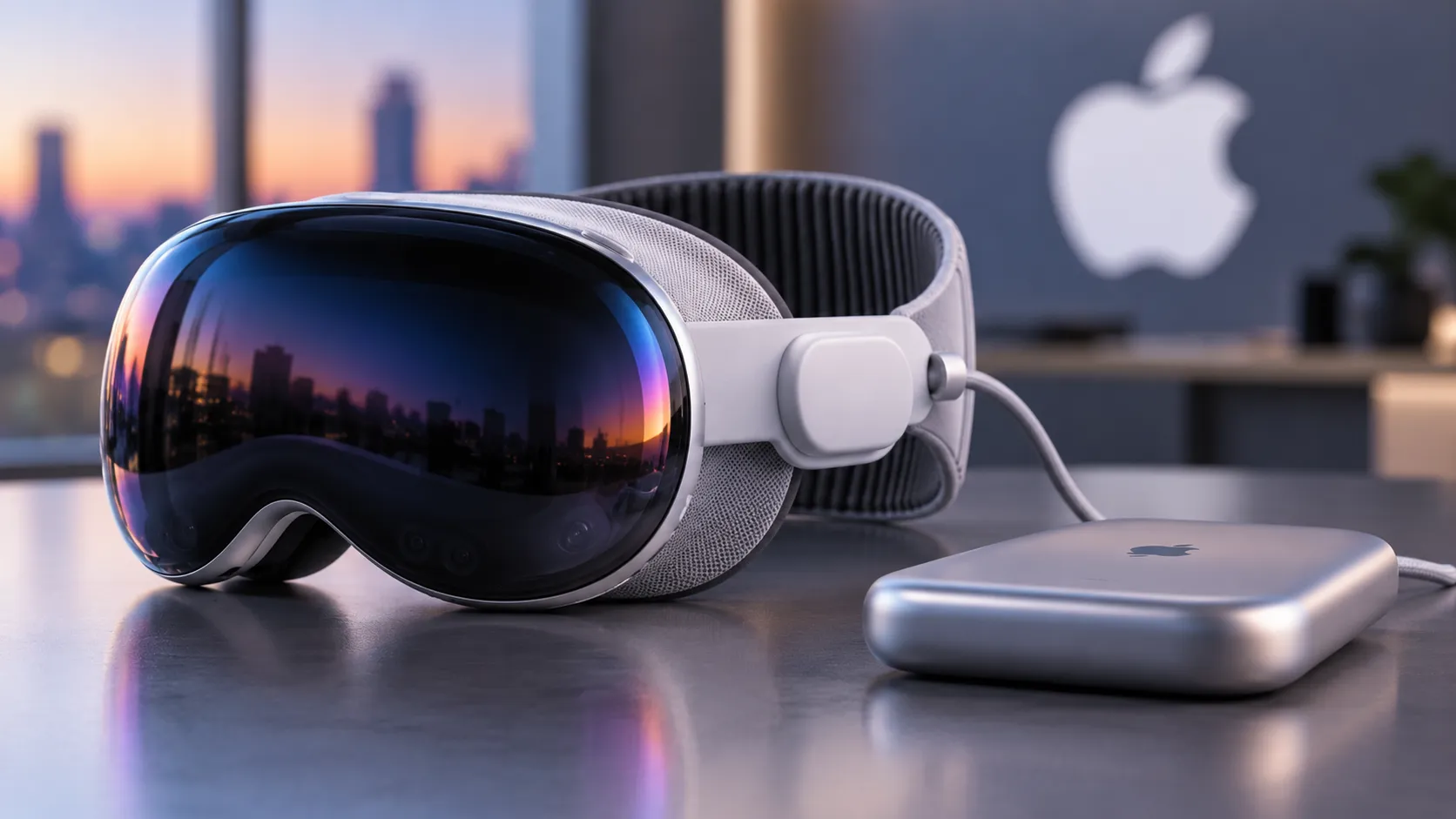
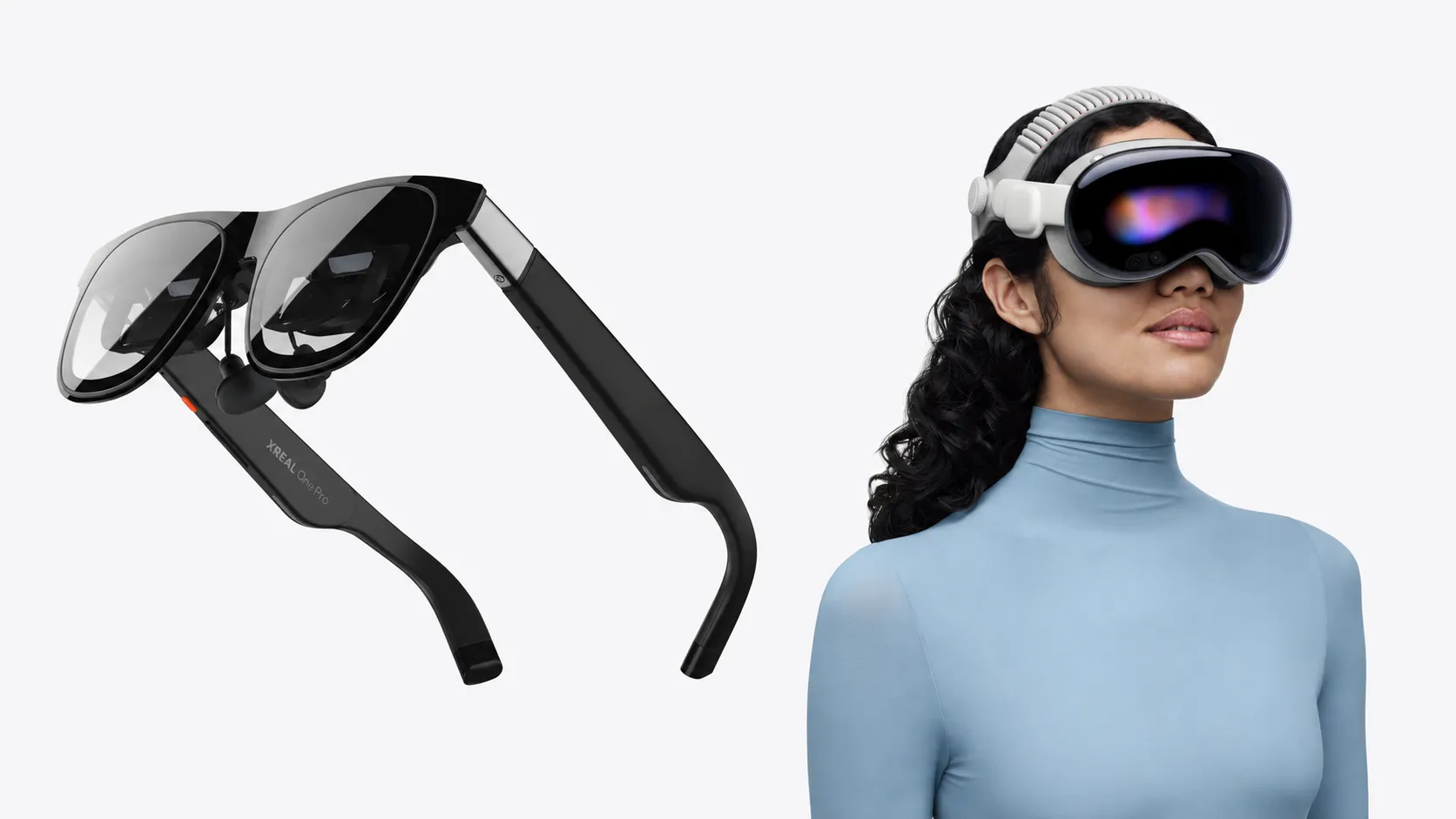
Apple is methodically refining its artificial intelligence strategy while exploring lightweight smart glasses to complement its Vision Pro headset, according to Economic Times. When Apple enters a market with their signature attention to design and user experience, they tend to redefine entire product categories—just as they did with smartphones and tablets. Meta knows they can't let Apple set the standard for mainstream AI wearables.
Google is pursuing a different strategy, pushing Android XR with partners like Samsung to build an open ecosystem for AI-enhanced glasses and headsets, as reported by Economic Times. This approach could potentially recreate Android's mobile success by offering more choices and flexibility than Apple's closed ecosystem, directly threatening Meta's platform ambitions.
Even Snap is getting aggressive, with plans to release AI-enhanced Spectacles in 2026 featuring built-in displays and advanced camera-based augmented reality capabilities, according to Economic Times. Snap has always been ahead of the curve on camera-based social features, giving them a significant advantage in AR applications that could capture younger demographics.
Each competitor is moving fast with distinct strategies that raise the stakes for achieving mainstream adoption first. Meta learned the hard way what happens when you let competitors define new technology categories while you're focused elsewhere. Having dominated social media by moving fast and breaking things, they can't afford to be slow and methodical when the next computing platform is being established by rivals with clearer product-market fit.
What this means for the future of immersive technology
Here's what makes this situation particularly intriguing: Meta's Reality Labs restructuring doesn't signal the death of virtual reality, but rather a more pragmatic approach to building sustainable immersive technology businesses based on actual consumer behavior patterns.
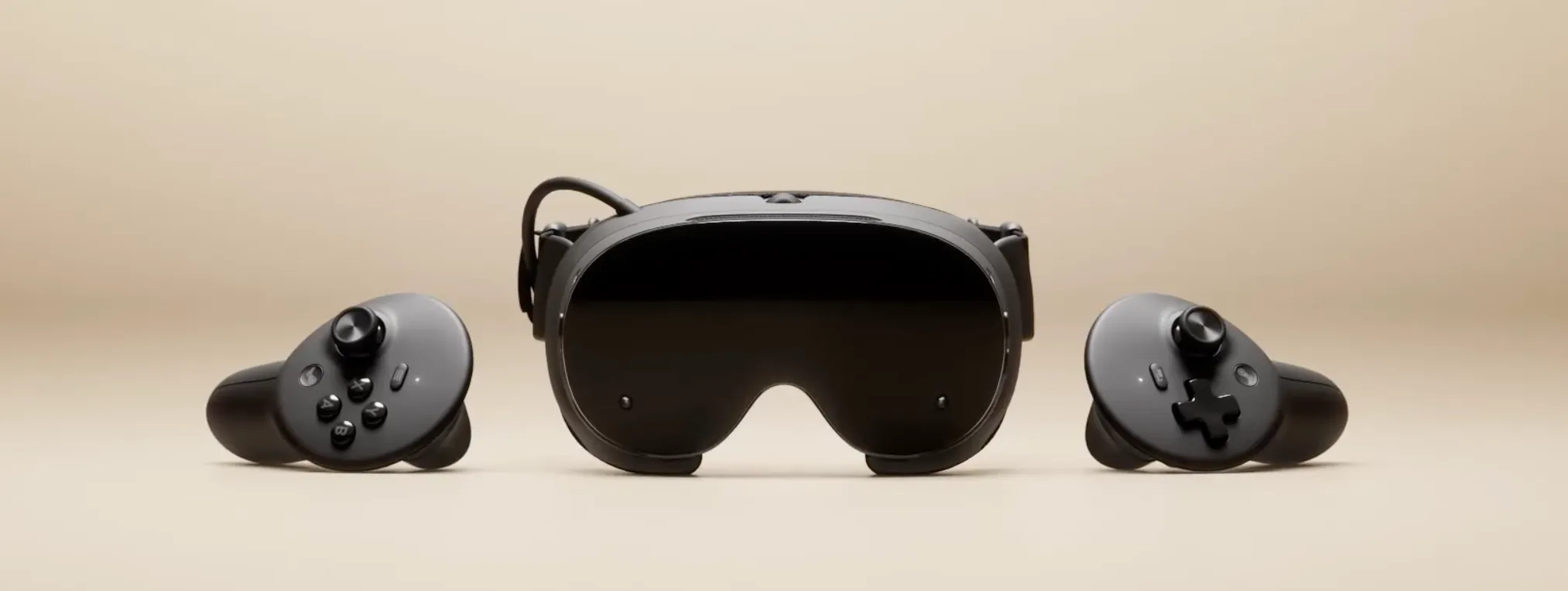
The company will continue developing Quest VR headsets and mixed reality experiences, but with reduced investment and more focus on mobile-integrated metaverse experiences rather than VR-first platforms, according to Economic Times. This approach makes strategic sense when you consider how people actually integrate technology into their daily routines.
Meta is essentially building a more sustainable business model that prioritizes high-demand technology over experimental long-term bets with uncertain returns, as reported by Economic Times. After accumulating $71 billion in losses since 2021, this pivot represents a fundamental rethinking of how to approach emerging technology markets with realistic adoption timelines.
The fascinating aspect is that this strategy might actually accelerate VR adoption in the long run. Instead of creating entirely separate virtual worlds that compete with reality, Meta can focus on AR experiences that enhance real-world activities. When smart glasses become as ubiquitous as smartphones, the natural progression to more immersive VR experiences becomes much smoother for mainstream consumers.
For Supernatural users and VR fitness enthusiasts, this transition represents both an ending and a beginning. While the platform will remain accessible with its existing content library, according to Athletech News, the broader fitness technology industry continues evolving. Companies like Virtuix are still pushing forward with innovative products like the Omni One full-body treadmill system, proving that immersive fitness experiences aren't disappearing—they're just finding new forms and different companies to champion them.
Meta's bold bet on AI-powered wearables may ultimately prove more transformative than their metaverse vision ever could have been. The key difference is accessibility and integration with existing behavior patterns. Instead of asking people to fundamentally change how they live, Meta is now enhancing how they already live—and that's a much more realistic path to the mainstream adoption and financial returns that have long eluded Reality Labs.
Whether this strategic pivot delivers sustainable success remains to be seen, but one thing is clear: the company has learned expensive lessons from their $70 billion metaverse experiment, and they're applying those insights to build technology that people actually want to use every day.







Comments
Be the first, drop a comment!