


Meta's strategic pivot in VR isn't just another corporate reorganization—it represents one of the most significant recalibrations we've seen in the virtual reality industry to date. The numbers tell a stark story: Reality Labs is facing budget cuts of up to 30%, according to recent reports, while the division has burned through more than $70 billion since 2021. Their latest quarterly loss hit $4.4 billion, prompting executives to declare they want to "let VR be what it is and what it does great."
What's particularly telling? Meta's stock jumped 5.7% on news of these cuts, suggesting Wall Street has been eagerly waiting for exactly this kind of strategic focus. But rather than representing retreat, this pivot reveals something more nuanced about VR's evolution toward sustainable growth.
What's really driving Meta's VR strategy shift?
The restructuring extends far beyond simple cost-cutting measures. Meta recently shut down three major VR game studios—Twisted Pixel Games, Sanzaru Games, and Armature Studio—while conducting significant layoffs at Camouflaj. These closures affected approximately 1,500 employees, representing about 10% of Reality Labs' workforce.
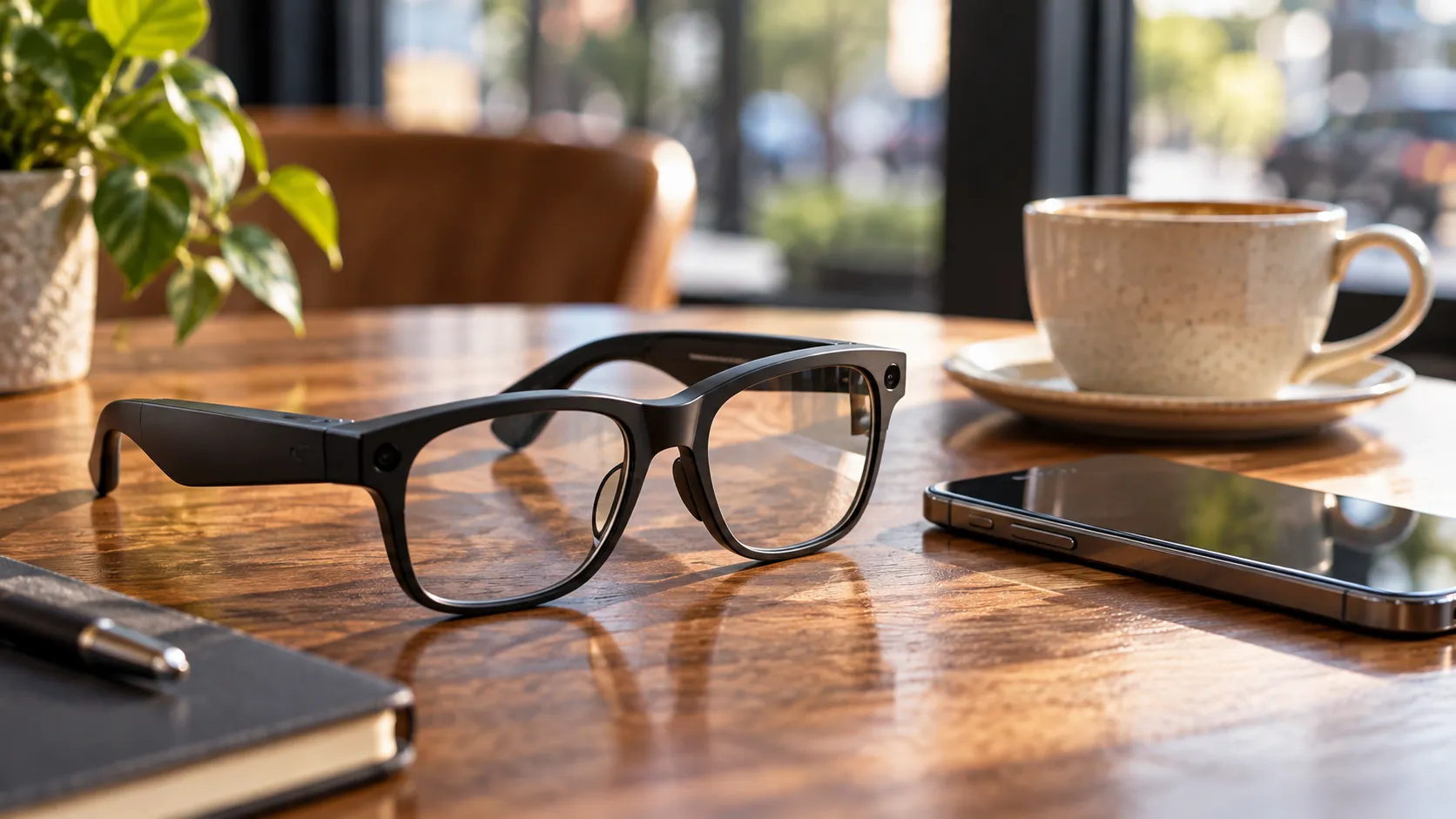
Here's where the strategy becomes clearer: Meta isn't simply cutting—they're simultaneously shifting investment focus toward AI glasses and wearables as part of a broader strategic realignment. This approach includes maintaining Quest development while accelerating work on Ray-Ban smart glasses and the ambitious Orion AR prototype.
The company has also formed a new division within Reality Labs to split it into more focused business units—launched just one month ago. They've even hired two top-tier designers from Apple to lead creative efforts, which hardly suggests abandonment of the space.
Most significantly, over 50% of Reality Labs' budget since 2022 has been spent developing true AR glasses like Meta Orion, not Quest headsets. This reveals the cuts as strategic rebalancing rather than wholesale retreat—focusing resources on technologies with clearer paths to mass adoption.
How Palmer Luckey's perspective reframes the narrative
Oculus founder Palmer Luckey offers the most counterintuitive take on these developments, arguing that Meta's studio closures might actually strengthen the VR ecosystem's long-term health. His reasoning cuts to the heart of sustainable platform development: Meta's first-party content strategy was "crowding out the rest of the entire ecosystem" by forcing independent developers to compete with blockbuster titles that cost more to produce than they could ever return.
The market realities Luckey reveals are sobering. Even high-profile exclusives like Rock Band VR sold only 700 copies despite significant investment. When you're spending millions to develop games that barely register in terms of sales or ecosystem growth, the fundamental economics simply don't work.
Luckey's broader perspective on the workforce reduction is equally illuminating. He maintains that Meta still employs more VR-focused personnel than any other company "by about an order of magnitude", characterizing the 10% reduction as essentially "six months of normal churn concentrated into 60 days" rather than fundamental strategic retreat.
The crucial insight here is that the majority of the 1,500 jobs cut were roles working on first-party content that competed directly with third-party developers. By stepping back from this approach, Meta potentially creates breathing room for the independent developer ecosystem to flourish—a development that could prove transformative for VR's long-term sustainability.
The Quest platform's evolving identity and user experience
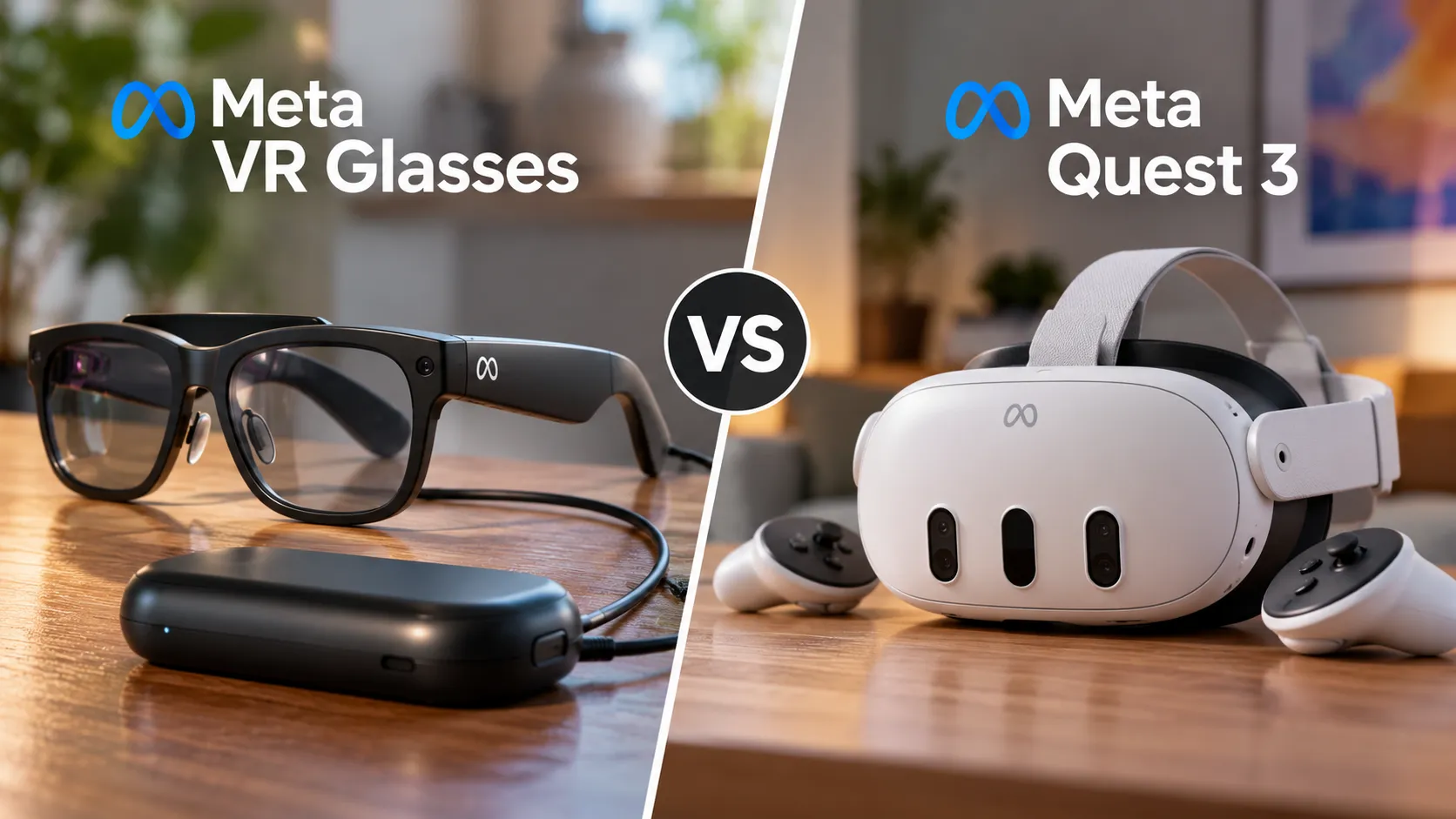
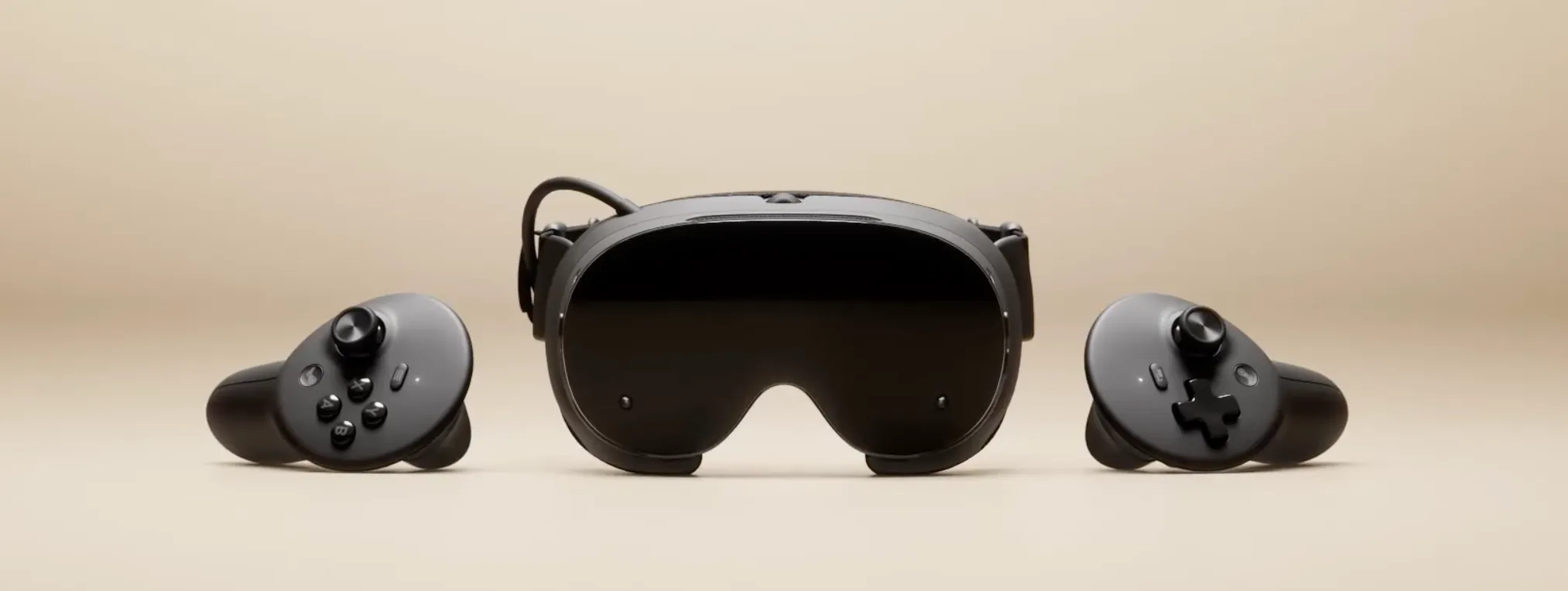
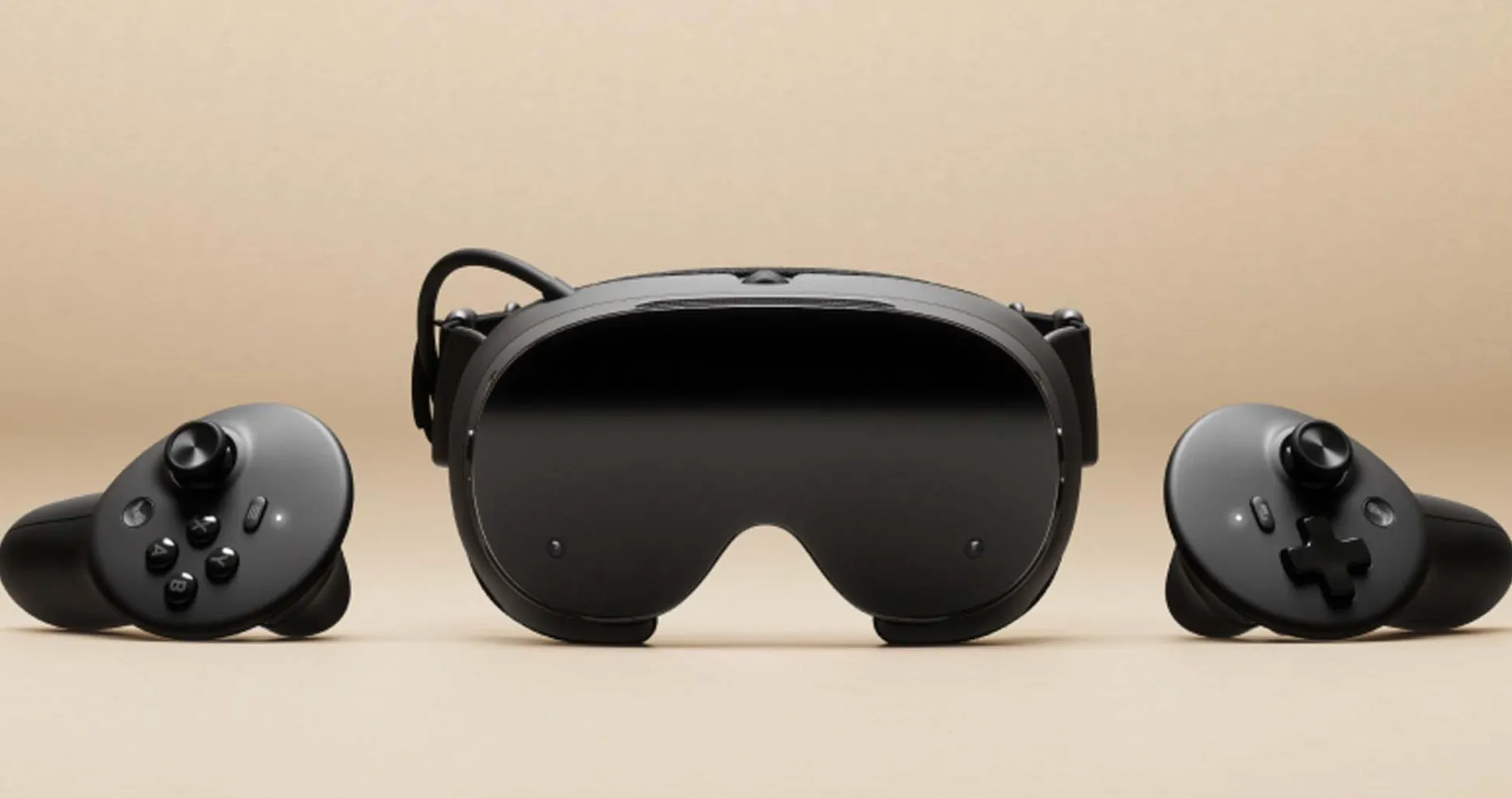
Despite organizational changes, Meta's hardware development continues advancing with impressive technical achievements that suggest deepened commitment rather than retreat. The Quest 3 represents significant progress in VR accessibility, featuring improved resolution reaching 2064×2208 per eye—a 30% increase over Quest 2—while maintaining a similar 515g weight.
Recent software updates have delivered substantial productivity enhancements that may prove more significant than hardware improvements in defining VR's future applications. The platform now supports up to 12 active windows and enhanced mixed reality capabilities, transforming Quest from primarily a gaming device into something approaching a spatial computer.
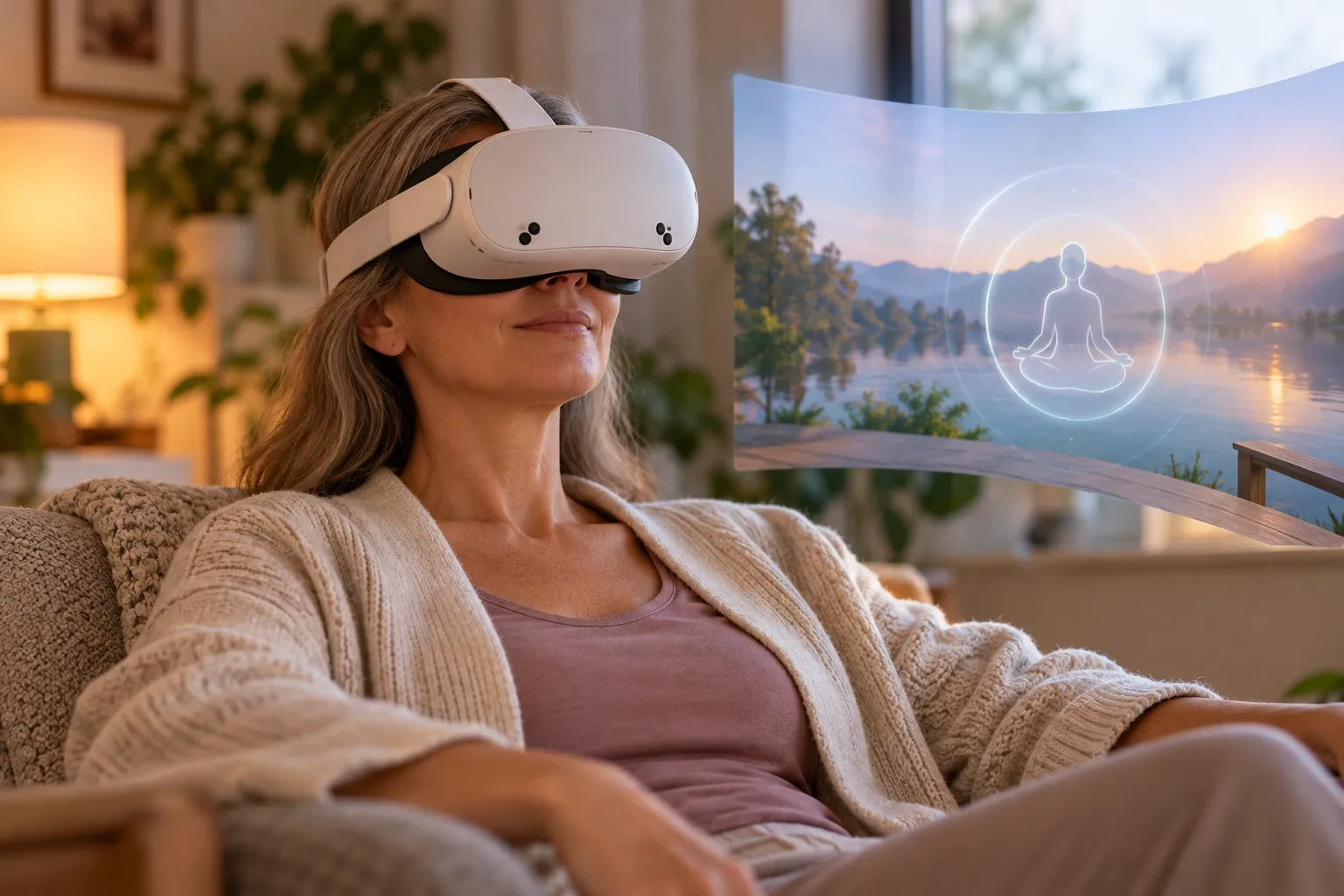
Meta's user experience research reveals sophisticated understanding of VR's practical limitations and opportunities. They've identified a "Goldilocks zone" of 20-40 minutes for optimal VR sessions, with user enjoyment dropping significantly below 15-20 minutes and showing diminishing returns beyond 40 minutes. This kind of nuanced research suggests Meta is designing for how people actually use VR rather than pushing for maximum engagement at any cost.
The platform now serves four distinct user segments: Leisure Lovers seeking relaxation, Mainstream Omnivores wanting balanced experiences, Social Explorers prioritizing connection, and Skill Seekers focused on competitive mastery. This segmentation approach demonstrates a maturing understanding of VR's diverse use cases that extends well beyond hardcore gaming into sustainable mainstream applications.
Where VR excellence meets strategic focus
Meta's refined approach represents strategic maturation rather than retreat from virtual reality as a medium. The company continues generating approximately $1 billion quarterly revenue from Quest headsets and smart glasses while redirecting resources toward more sustainable development models that acknowledge market realities.
Industry projections support this strategic evolution: the combined AR and VR market will reach $22.6 billion by 2036, with VR shipments expected to exceed 27 million units. These projections suggest VR is finding sustainable footing in specific use cases rather than struggling to be everything to everyone.
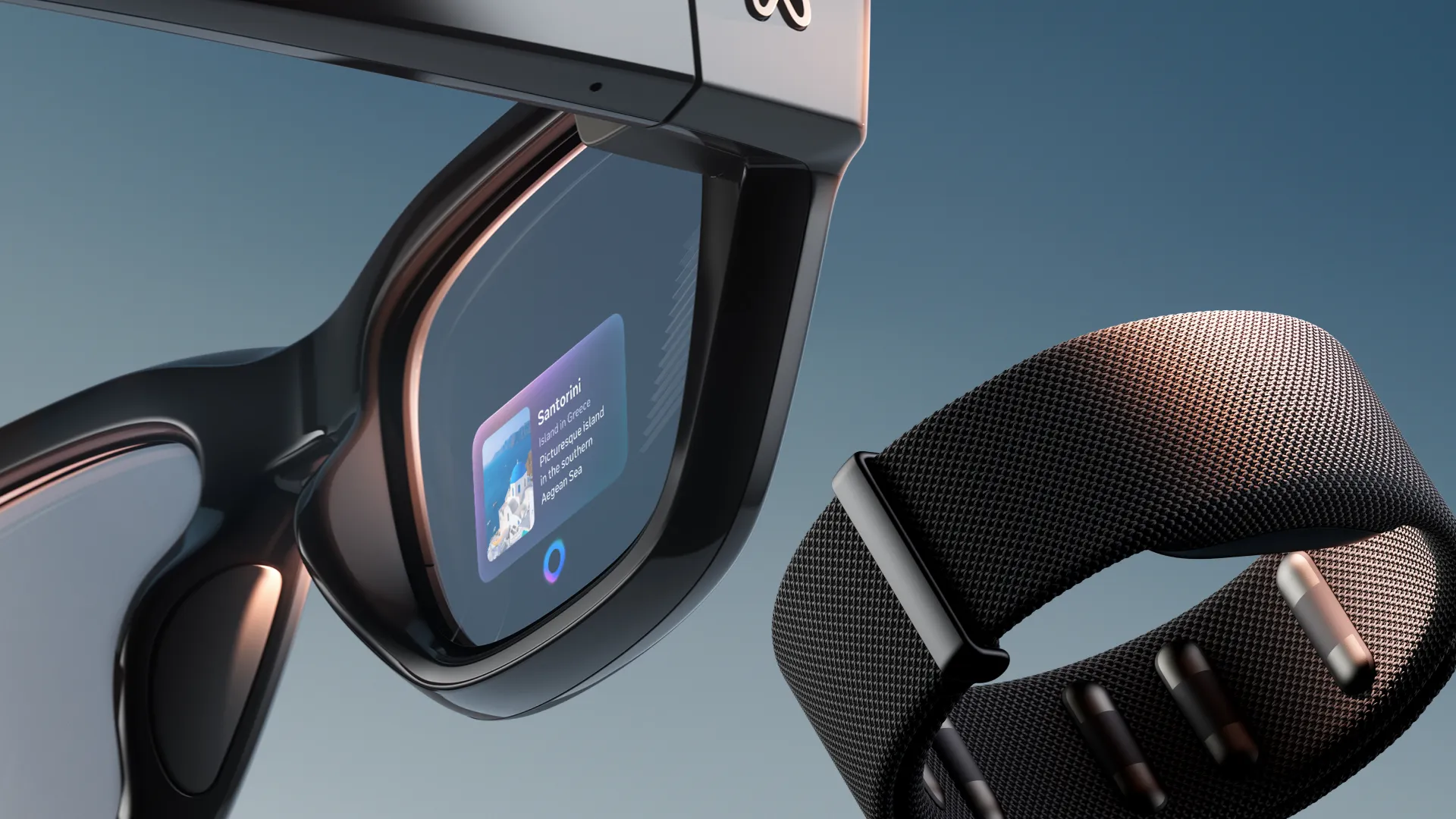
Meta's strategy aligns with broader industry trends toward more practical, gaming-focused VR applications while maintaining long-term investments in AR glasses technology. The company is simultaneously developing Ray-Ban Display glasses with small field-of-view displays and advancing waveguides with 70° field-of-view ready for production.
This represents what industry analysts call a "gradual, grinding & multitrack approach to XR"—simultaneously advancing Quest as a refined VR gaming platform, developing Ray-Ban smart glasses for ambient computing, and prototyping future AR with Orion. Rather than forcing VR into applications where it struggles, this approach embraces what Palmer Luckey calls letting "VR be what it is and what it does great."
The strategic pivot may ultimately accelerate rather than limit VR's evolution. By focusing resources on sustainable growth areas and stepping back from unsustainable content spending, Meta is potentially creating space for a healthier ecosystem to emerge. In an industry still defining its identity, this kind of strategic focus—combined with continued hardware innovation and sophisticated user research—might be exactly what VR needs to transition from experimental technology to sustainable platform.



Comments
Be the first, drop a comment!