



Meta's Reality Labs division is making headlines with sweeping budget cuts and a dramatic strategic pivot that's actually great news for VR gaming enthusiasts. The company is reportedly preparing to slash spending by up to 30% starting in January, according to Bloomberg, while simultaneously refocusing its efforts on what made Quest headsets successful in the first place: gaming. shares rose roughly 4–6% intraday on the news (various market reports), suggesting investors are finally on board with this more focused approach. The division has been hemorrhaging cash with over $70 billion in losses since 2021, and this strategic realignment could mark the beginning of a more sustainable path forward that benefits both Meta's bottom line and VR gamers who want powerful, well-supported hardware.
What's driving Meta's strategic overhaul?
When you're burning through recent quarterly losses in the ~$4–5 billion range, according to AR Insider, something fundamental has to change. The Reality Labs spending trajectory tells the story: from approximately $2 billion in Q4 2020 to a staggering $6.05 billion in Q4 2024, as detailed by Android Central. What's particularly revealing is where this money has been going—over 50% of Reality Labs' budget since 2022 has been devoted to developing true AR glasses like Meta Orion, according to the same Android Central report.
The financial pressure intensified when Mark Zuckerberg's requested 20% spending reduction by the end of 2025 never materialized, according to Android Central. Since late 2022, Meta has been cutting spending by roughly 10% annually across most divisions to get costs under control. Reality Labs now needs to implement a 30% cut to catch up with the company's broader cost-control initiatives—like trying to pay off a credit card that's been ignored for too long.
From our analysis of Meta's VR strategy over the past three years, this correction was inevitable. The company had spread resources too thin across speculative projects while their core VR gaming audience was asking for better hardware, improved performance, and more compelling gaming experiences. This budget realignment forces Meta to focus on what actually drives Quest adoption: immersive gaming that you can't get anywhere else.
How Quest 4 benefits from this gaming-first approach
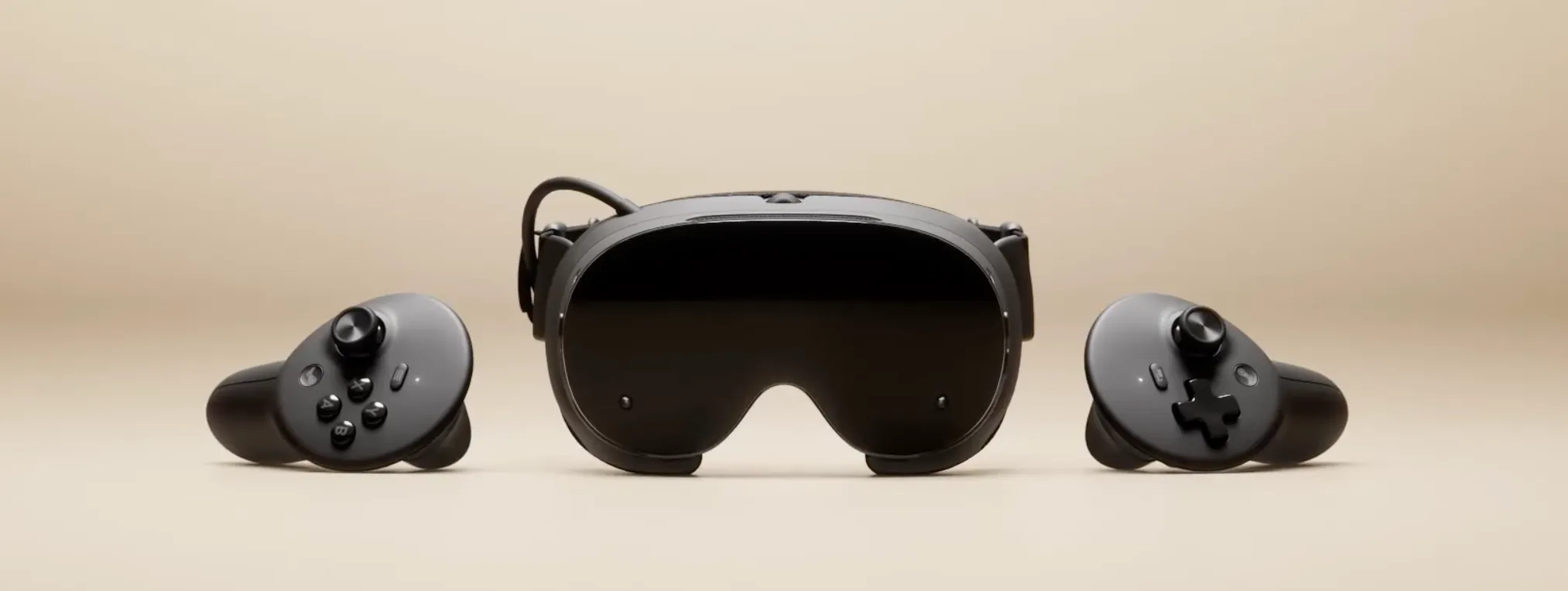
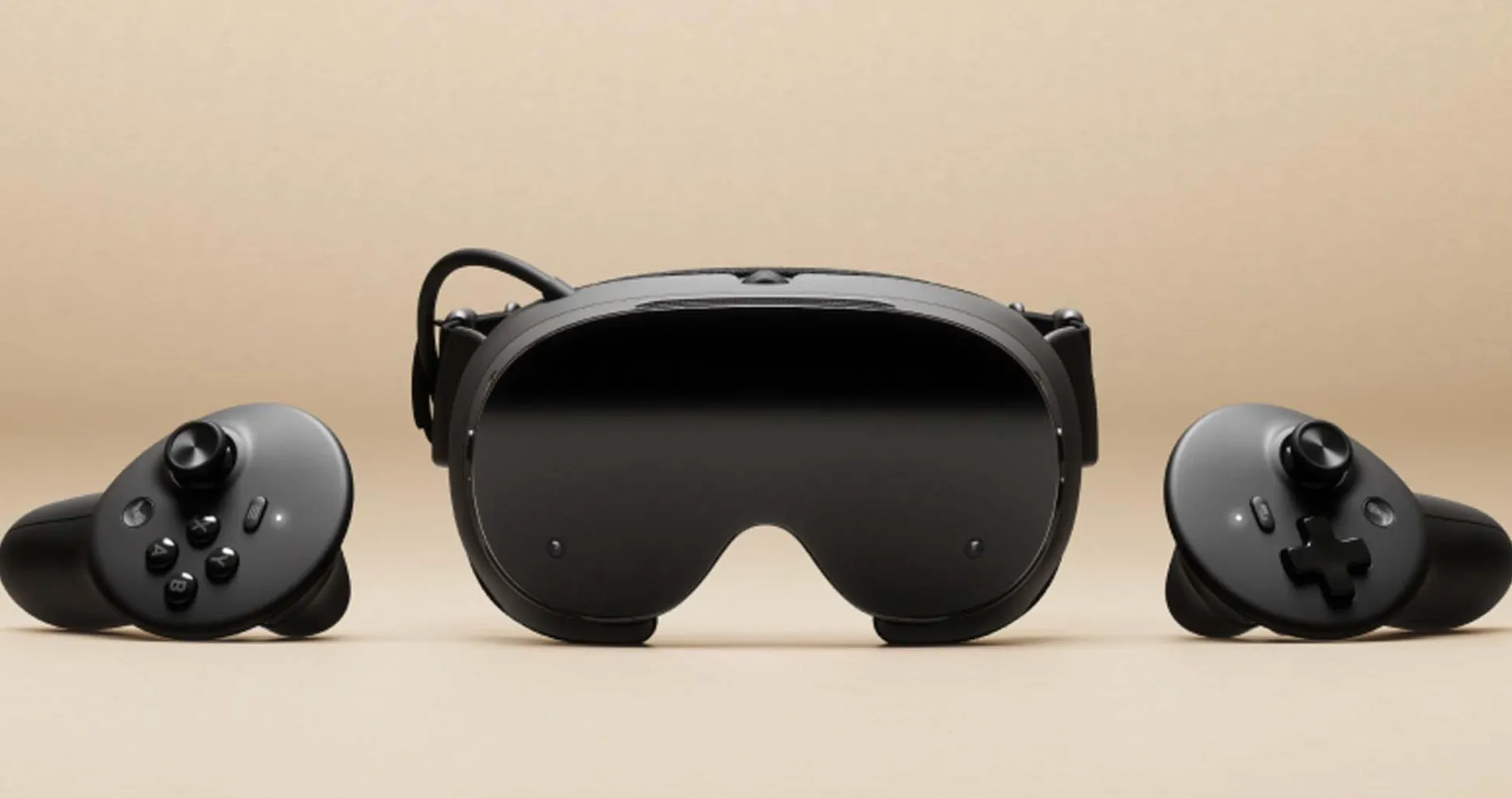
This strategic shift toward gaming represents a return to Quest's winning formula, and the early details about Quest 4 demonstrate how concentrated resources can deliver meaningful improvements. Internal memos reveal that Meta is now developing a gaming-focused Quest 4 that will represent a "large upgrade" over current devices while significantly improving unit economics, according to Road to VR. This gaming emphasis means resources previously scattered across various metaverse initiatives can now concentrate on delivering the GPU power, display quality, and ergonomic improvements that VR enthusiasts actually want.
The Quest 4's development timeline has been extended to 2027 or 2028, as reported by Tom's Guide, which might initially sound disappointing. However, this extended development period, combined with the gaming focus, should result in substantial technological leaps rather than incremental updates. We're talking about the difference between a modest refresh and a generational jump in VR capability.
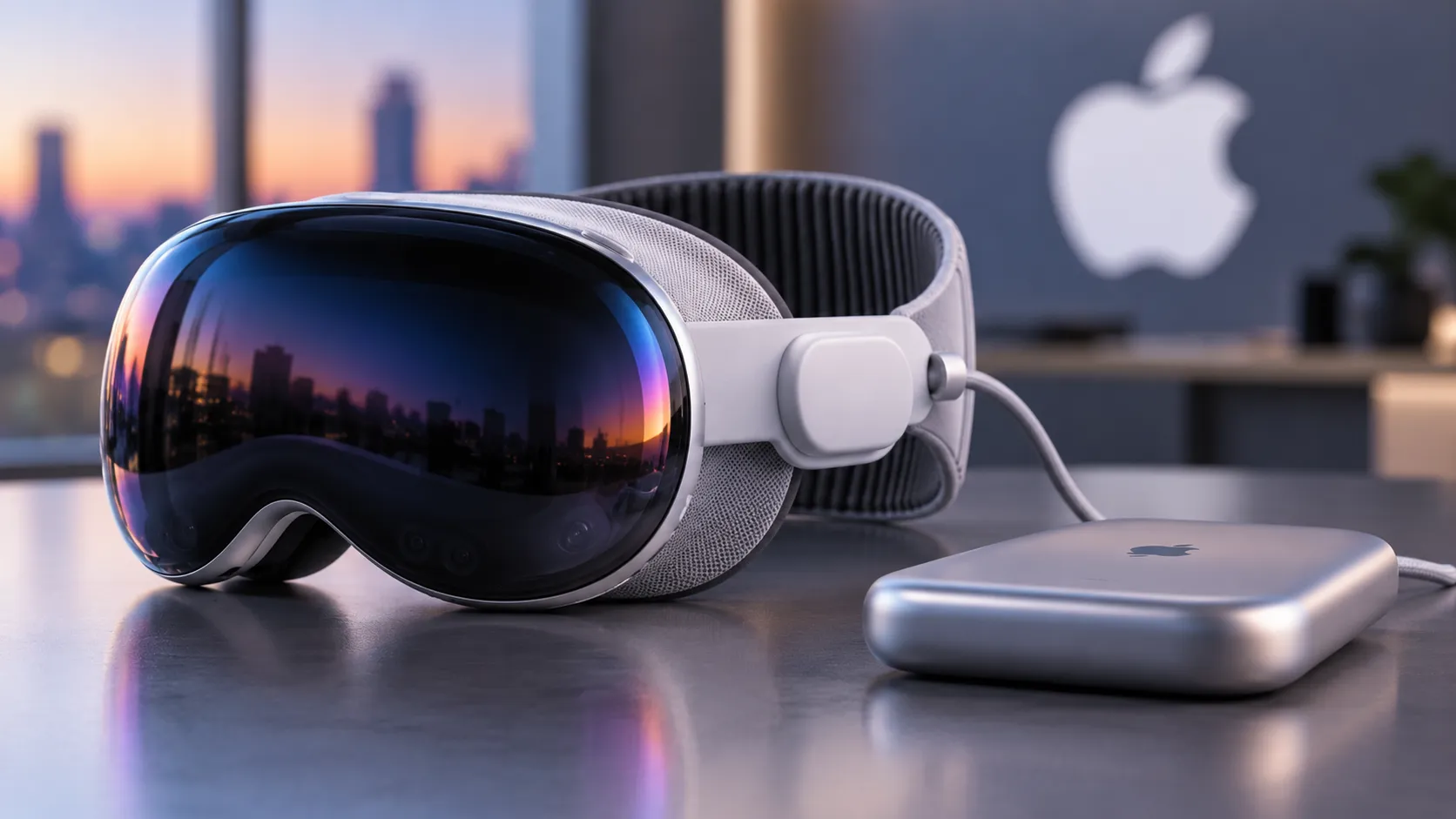
Meta has also brought in top-tier talent, including former Apple UI designer Alan Dye, according to SkarredGhost, who will oversee hardware, software, and AI integration for Reality Labs interfaces. When you're hiring the designer behind Apple's Liquid Glass UI, you're signaling serious commitment to creating interfaces that feel intuitive during extended gaming sessions. This kind of talent acquisition suggests Quest 4 won't just have better specs—it'll have better user experience design that makes those specs actually matter for gaming.
PRO TIP: The gaming-focused approach likely means Quest 4 will prioritize features that enhance immersion—expect significant improvements in display refresh rates, field of view, and haptic feedback systems that directly impact gaming performance rather than general computing tasks.
Why this shift benefits everyone in VR
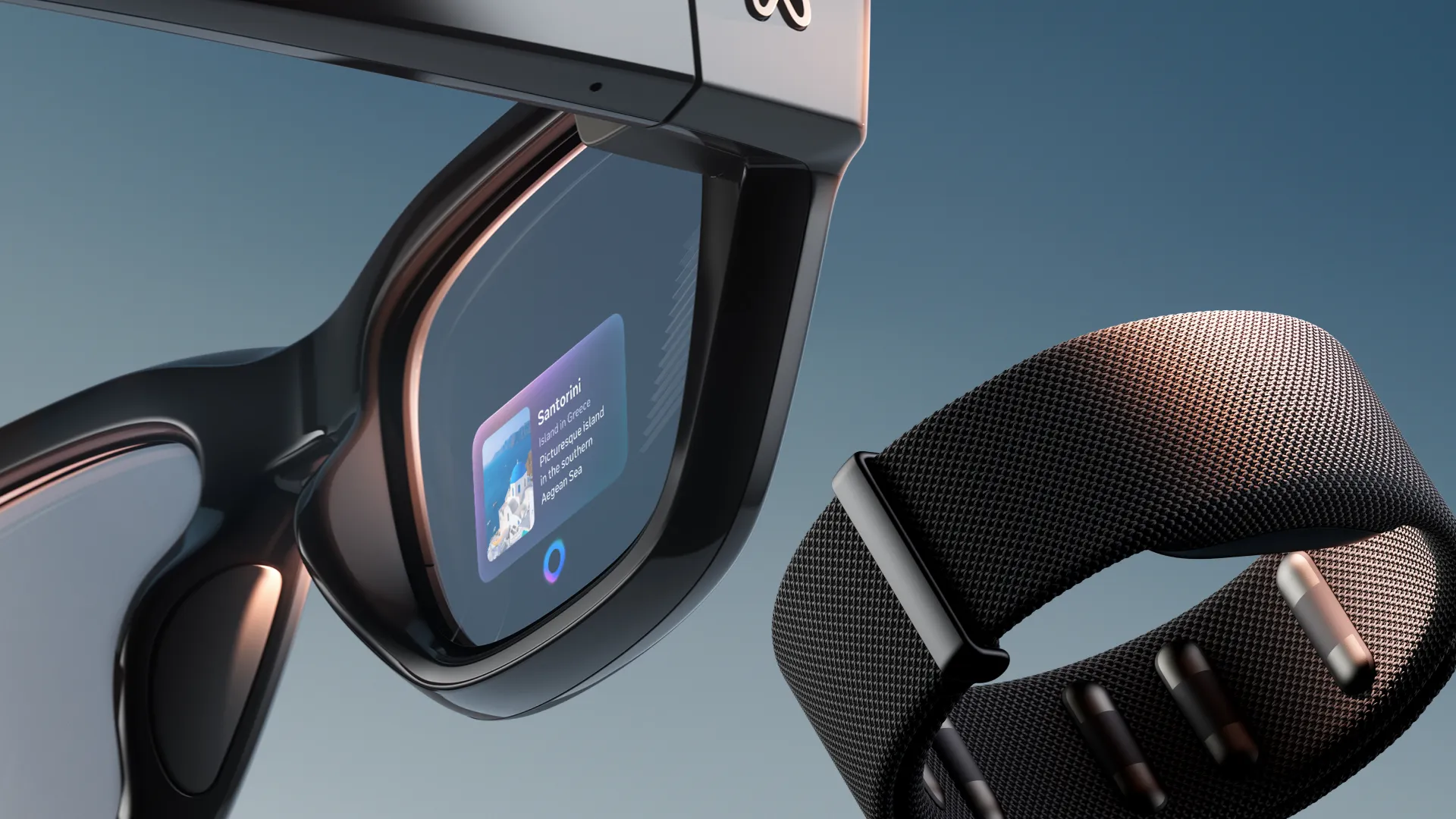
Meta's strategic realignment creates positive ripple effects throughout the entire VR ecosystem by establishing gaming as VR's proven foundation. By concentrating resources on gaming rather than spreading them across ambitious but unproven metaverse concepts, Meta can deliver substantial hardware improvements that benefit all VR applications. The company is moving away from failed projects like Horizon Worlds while maintaining focus on successful products like Quest headsets and Ray-Ban smart glasses, according to Android Central.
The financial sustainability aspect is crucial for VR's long-term health. Quest headsets and smart glasses are already generating around a billion dollars in revenue each quarter, as noted by Android Central, proving there's real market demand for well-executed VR products. Meta's commitment to improving unit economics means future devices won't rely as heavily on subsidization, creating a more sustainable business model that can support continued innovation without requiring massive ongoing losses.
Think about it this way—when hardware is heavily subsidized, companies gamble that they'll recoup costs through software sales and services. But if those services fail to gain traction, the entire strategy collapses. By focusing on products that can actually turn a profit, Meta creates a foundation that doesn't require constant faith-based investment from shareholders.
This approach also validates gaming as VR's killer application, which should encourage more developers to create compelling VR gaming experiences. With Meta's renewed focus on proven use cases rather than speculative concepts, the entire industry can build on solid foundations. We've seen this pattern before—when the original Quest proved that wireless VR gaming could work, it sparked an entire ecosystem of developers and accessory makers.
What this means for VR's future trajectory
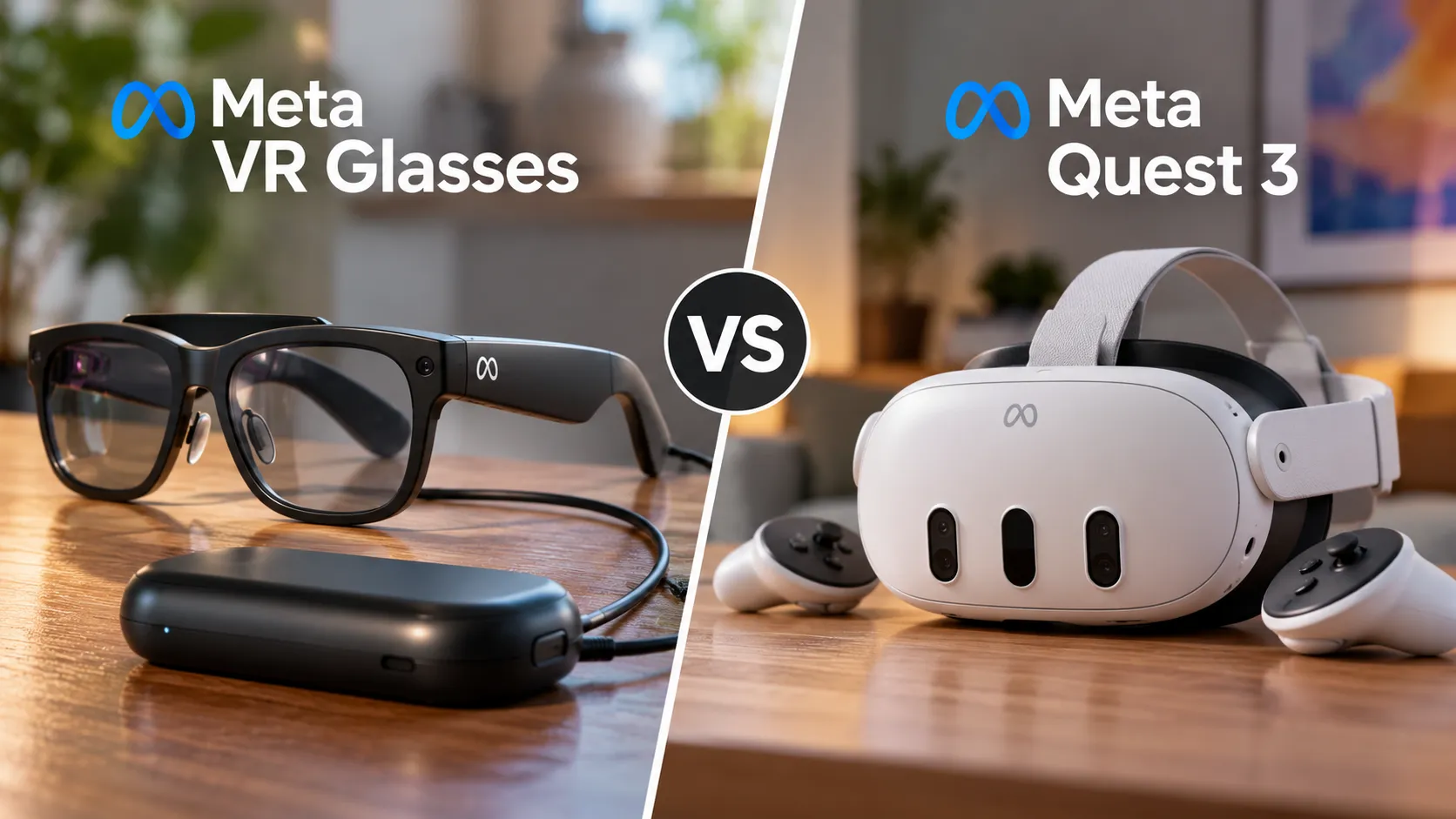
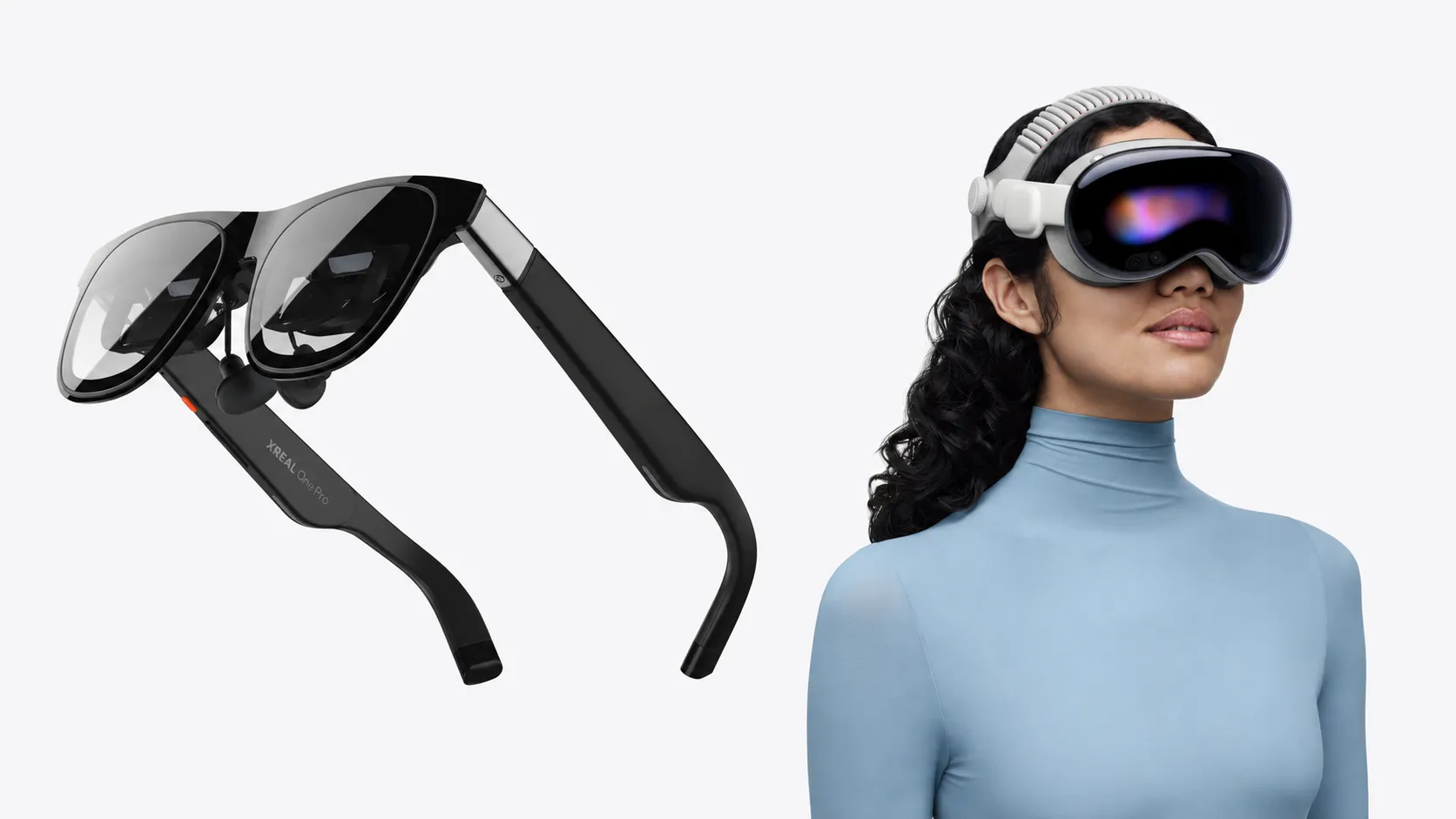
Meta's strategic pivot represents a maturation of the VR industry from experimental moonshots to sustainable product development. The company continues working on innovative form factors, including an ultralight headset with a tethered compute puck delayed to the first half of 2027, according to Upload VR. However, these projects now operate within realistic timelines and budgets rather than rushing to market with half-baked concepts.
The gaming focus doesn't mean Meta is abandoning other VR applications entirely. The company continues developing smart glasses and wearable devices, with a limited edition device codenamed "Malibu 2" planned for 2026, as reported by Road to VR. This diversified but focused approach allows Meta to explore multiple VR form factors while maintaining gaming as the core use case that drives adoption and revenue.
This strategic shift reflects hard-learned lessons from VR's development over the past few years. Instead of trying to build an entire virtual universe from scratch, Meta is focusing on creating compelling hardware that people actually want to use for activities they already enjoy. Once that foundation is solid, other applications can naturally build on top of it—just like how smartphones started as communication devices and evolved into general computing platforms.
The market's enthusiastic response to these budget cuts—with Meta's stock climbing significantly on the news, according to Virtual Reality News—suggests investors finally see a sustainable path forward for VR technology. This financial confidence should translate into continued investment in VR development, but with realistic expectations and timelines that benefit both users and the broader industry. It's the difference between a startup burning through capital with no clear profitability path versus a mature company making strategic investments based on proven market demand.
For VR gaming enthusiasts, this pivot represents the best possible outcome: a major player doubling down on what works while building the financial foundation to support long-term innovation in the space.





Comments
Be the first, drop a comment!