



Meta Hits Pause on Third-Party VR Headsets: A Strategic Retreat That Could Reshape the Industry
Meta's decision to pause its third-party Horizon OS headset program marks a significant strategic pivot that's sending ripples through the VR industry. The company has halted its initiative to expand beyond first-party hardware, according to PC Gamer, citing a renewed focus on developing superior first-party solutions. This move effectively cancels anticipated headsets from major partners like Asus and Lenovo, Road to VR reports. The timing is particularly striking given Meta's broader budget reallocations, with The Verge noting potential cuts of up to 30% in metaverse spending as the company pivots toward AI development.
The speed of this reversal reveals something significant about Meta's internal pressures—we're talking about a program announced with considerable fanfare around 20 months ago (April 2024), complete with big-name partnerships and what seemed like a clear strategic vision. Now Meta is essentially saying, "Thanks, but we'd rather go it alone."
What exactly got paused and why now?
Meta's third-party licensing program launched with considerable fanfare in April 2024, when the company first opened Horizon OS to external manufacturers, as reported by PC Gamer. The initiative had secured notable partnerships, with Asus developing a gaming-focused ROG-branded headset and Lenovo working on productivity-oriented hardware, according to the same source.
This ecosystem approach—successful in smartphones and gaming—faces unique challenges in VR's nascent market. While Asus was bringing their gaming expertise to create what could have been a powerhouse VR gaming machine, and Lenovo's productivity focus might have opened entirely new enterprise use cases, Meta's experience revealed a critical insight: platform fragmentation could confuse consumers rather than expand choices in a market still defining its core value propositions.
However, Meta's recent statement indicates a preference for maintaining complete control over its VR ecosystem, with the company telling Road to VR that it wants to keep its VR division entirely under its own management, Road to VR confirms. This strategic reversal comes as Meta simultaneously delays its mixed reality glasses project to 2027, suggesting a comprehensive reassessment of its hardware timeline and priorities.
Meta's official reasoning focuses on building "world-class first-party hardware and software needed to advance the VR market." This phrasing suggests they believe the market isn't ready for ecosystem diversity—that what VR needs right now is excellence in execution rather than variety in hardware options, even at the cost of potential market expansion.
The bigger picture: Meta's shifting priorities
This pause reflects Meta's broader strategic realignment as the company navigates mounting financial pressures and evolving market conditions. Reality Labs has accumulated losses exceeding $70 billion since early 2021, Bloomberg data cited by The Verge shows, prompting leadership to reassess resource allocation across the division.
Those numbers are staggering when you put them in perspective—we're talking about losses that dwarf the entire market capitalization of most major corporations. This financial reality has created internal pressures that CEO Mark Zuckerberg has explicitly requested 10% budget cuts across all departments during annual planning, with metaverse projects potentially facing even steeper reductions, The Verge reports.
Meta CTO Andrew Bosworth has pushed back against speculation that VR is "dead" at the company, stating during a recent Q&A session that "VR is not dead" while acknowledging increased investment in AI glasses and wearables, Upload VR documents. The defensive phrasing reveals the internal pressure Reality Labs faces—when a CTO needs to explicitly state a core product "is not dead," it signals that such concerns are widespread enough to require public addressing.
The company is also implementing significant organizational changes, with Reality Labs leadership transitioning to focus more heavily on AI integration across both traditional apps and VR platforms. This shift represents more than simple resource reallocation—it's a fundamental platform evolution where AI becomes the connective tissue that elevates VR experiences beyond current limitations.
What this means for the VR ecosystem
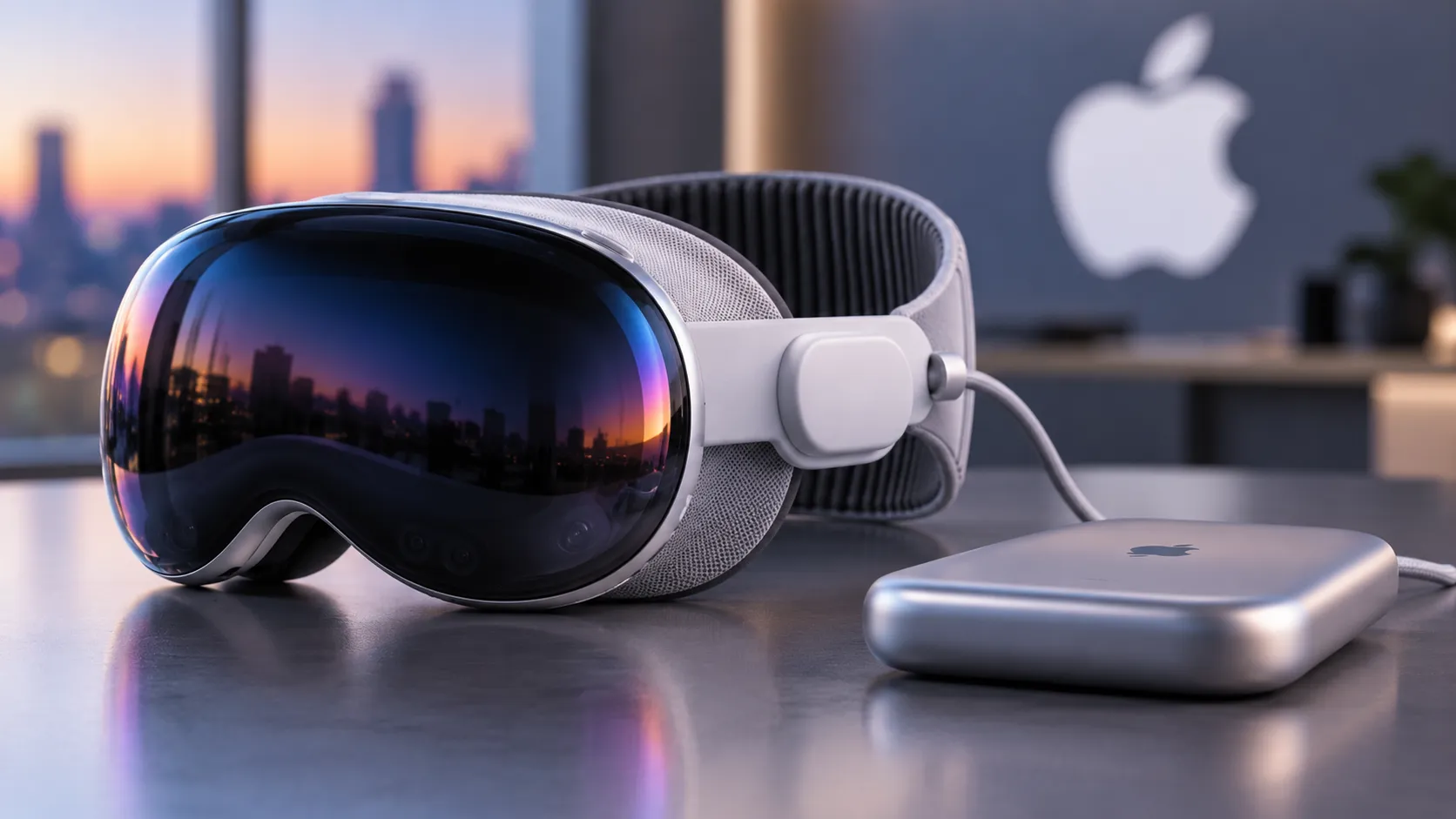
The implications extend far beyond Meta's internal restructuring, potentially reshaping competitive dynamics across the entire VR landscape. Meta's decision to maintain tighter control over its ecosystem mirrors Apple's historically closed approach, though it abandons the more open strategy that many hoped would accelerate VR adoption through diverse hardware options.
This closed approach enables Meta's shift toward premium positioning. When you control the entire experience stack, you can justify higher prices through guaranteed quality and integration—a lesson Apple has demonstrated repeatedly in consumer electronics. Internal memos suggest Meta plans to position future devices as more premium offerings, with company leaders indicating that "devices will be more premium in price going forward" to create "a healthier business," Road to VR obtained documents showing.
This represents a fundamental shift in Meta's market positioning. Instead of competing primarily on price accessibility, they're betting that consumers will pay more for superior experiences—essentially trading market breadth for profit margins and strategic sustainability.
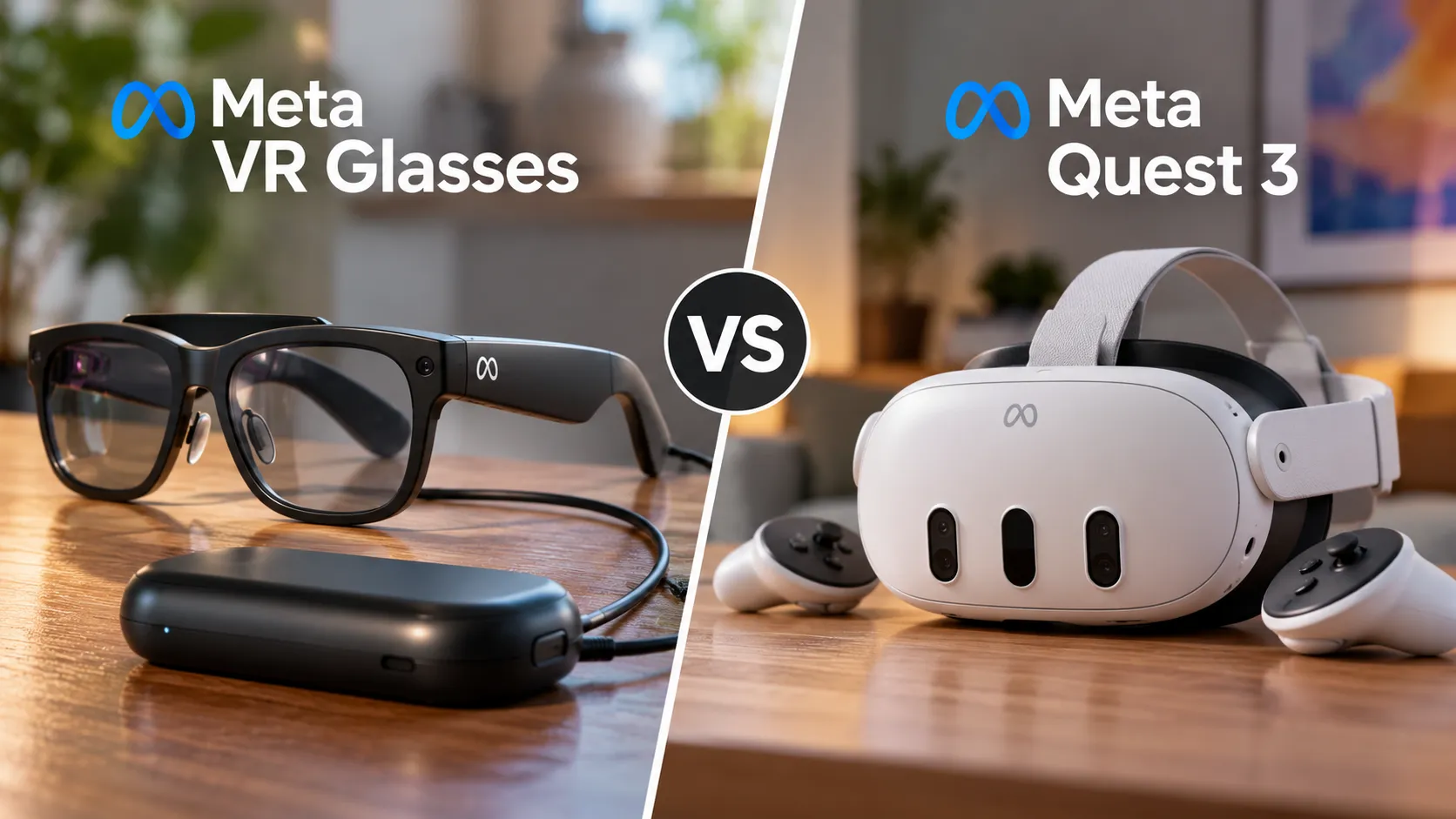
The company is also slowing its hardware release cadence while extending the lifecycle of existing products like the Quest 3 and Quest 3S, which currently retail for $500 and $300 respectively, the same source confirms. This measured pace serves multiple strategic purposes: it gives software developers stable platforms to optimize for, reduces consumer upgrade fatigue, and allows Meta to perfect each generation rather than rushing to market with incremental improvements.
Meanwhile, Meta continues development on its next-generation Quest, described internally as a "large upgrade" focused on immersive gaming experiences, according to Road to VR. The gaming focus is particularly telling—it suggests Meta believes the path to mainstream VR adoption runs through compelling entertainment experiences rather than productivity applications or social platforms.
Where does Meta's VR strategy go from here?
Meta's strategic consolidation suggests a more focused but potentially riskier approach to VR market leadership. The company appears committed to perfecting its first-party hardware experience rather than expanding market reach through partner diversity, banking on the belief that superior execution will drive adoption more effectively than ecosystem breadth.
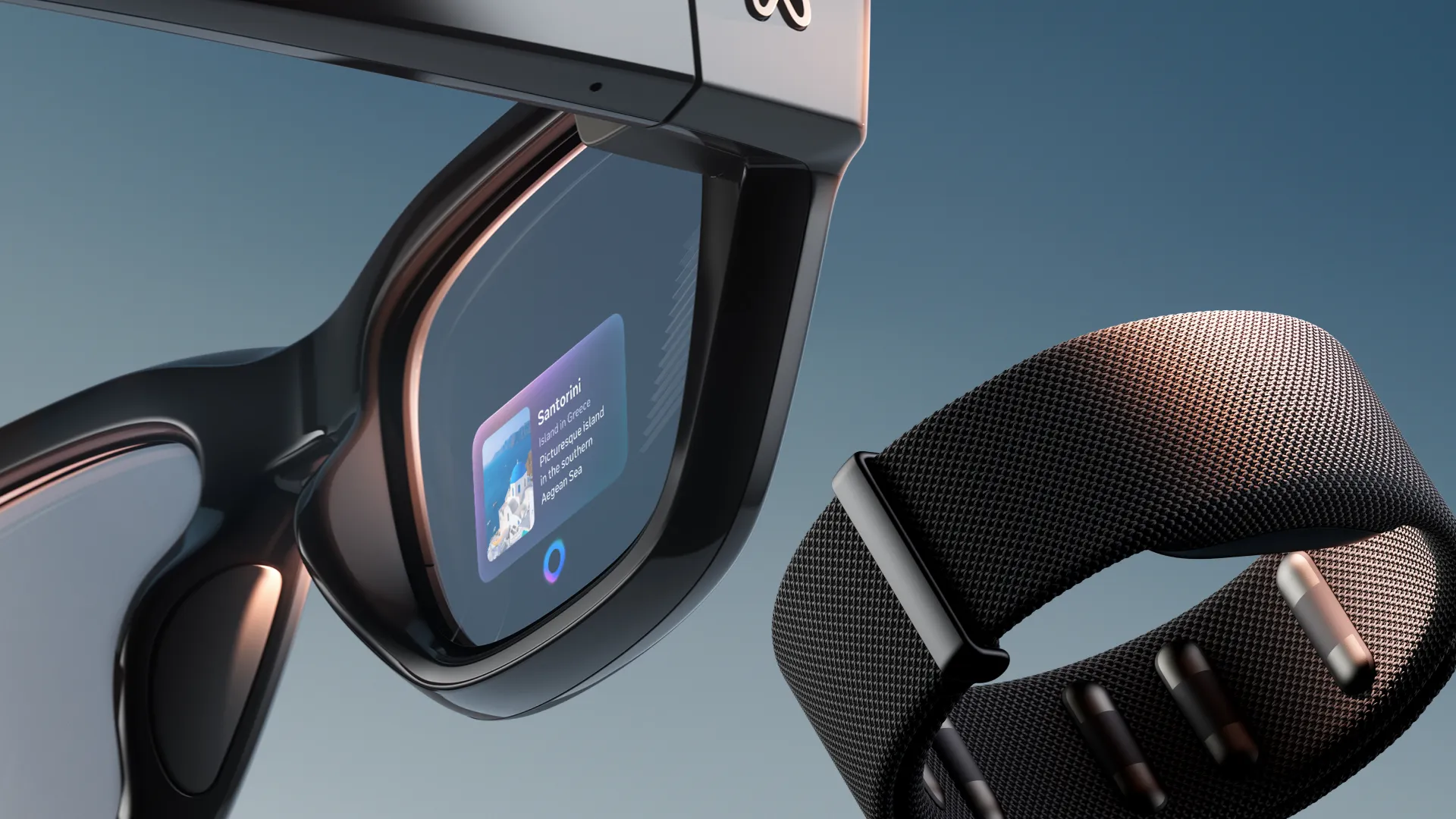
This shift aligns with Meta's broader pivot toward AI integration, with the company officially confirming it's "shifting some investment from Metaverse toward AI glasses and Wearables," Upload VR reports. This repositions VR within Meta's broader technology portfolio—rather than being the singular focus of their hardware ambitions, VR becomes one component of a larger mixed-reality and AI strategy where artificial intelligence serves as the foundation that makes all experiences more intuitive and valuable.
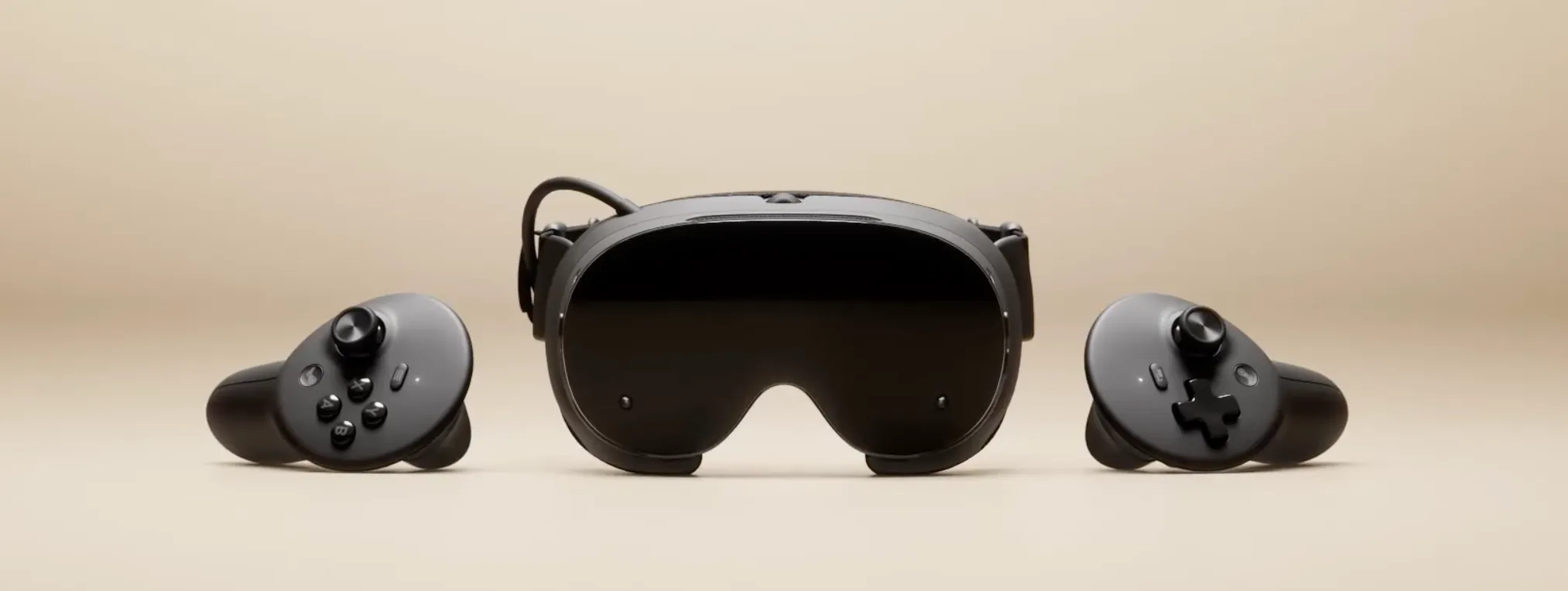
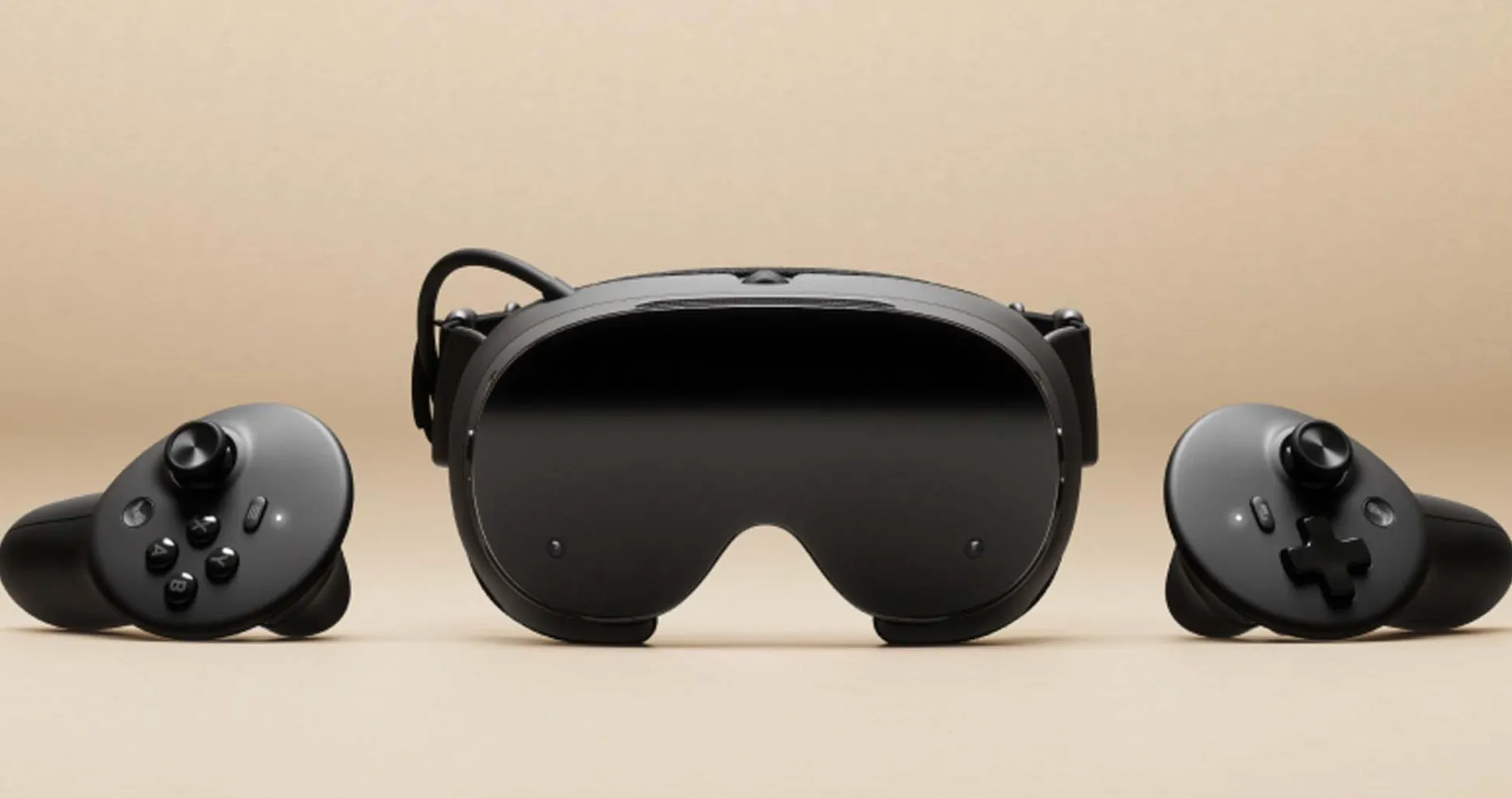
The delayed Phoenix XR headset, now pushed to 2027, represents Meta's bet on next-generation form factors that could redefine the category entirely, Road to VR details. This device—with its goggle-like design and tethered compute unit—represents Meta's vision for how VR hardware might evolve beyond current all-in-one limitations. The delay reflects strategic patience learned from the third-party program experience: better to perfect breakthrough technology than rush incremental improvements to market.
For the broader VR industry, Meta's retreat from third-party partnerships creates both opportunities and challenges. Other platform holders might now court manufacturers like Asus and Lenovo, potentially accelerating alternative ecosystem development. However, Meta's renewed focus on first-party excellence could also result in devices that set new quality benchmarks, making competition more difficult for less integrated approaches.
The ultimate test will be whether Meta's concentrated approach can justify the strategic trade-offs. Is the VR market ready for the kind of hardware diversity that drives smartphone adoption, or does it still need the focused, curated approach that defined early gaming consoles? Meta's betting on the latter, but their success will largely determine whether the industry follows suit or fragments around competing visions of VR's future.




Comments
Be the first, drop a comment!