



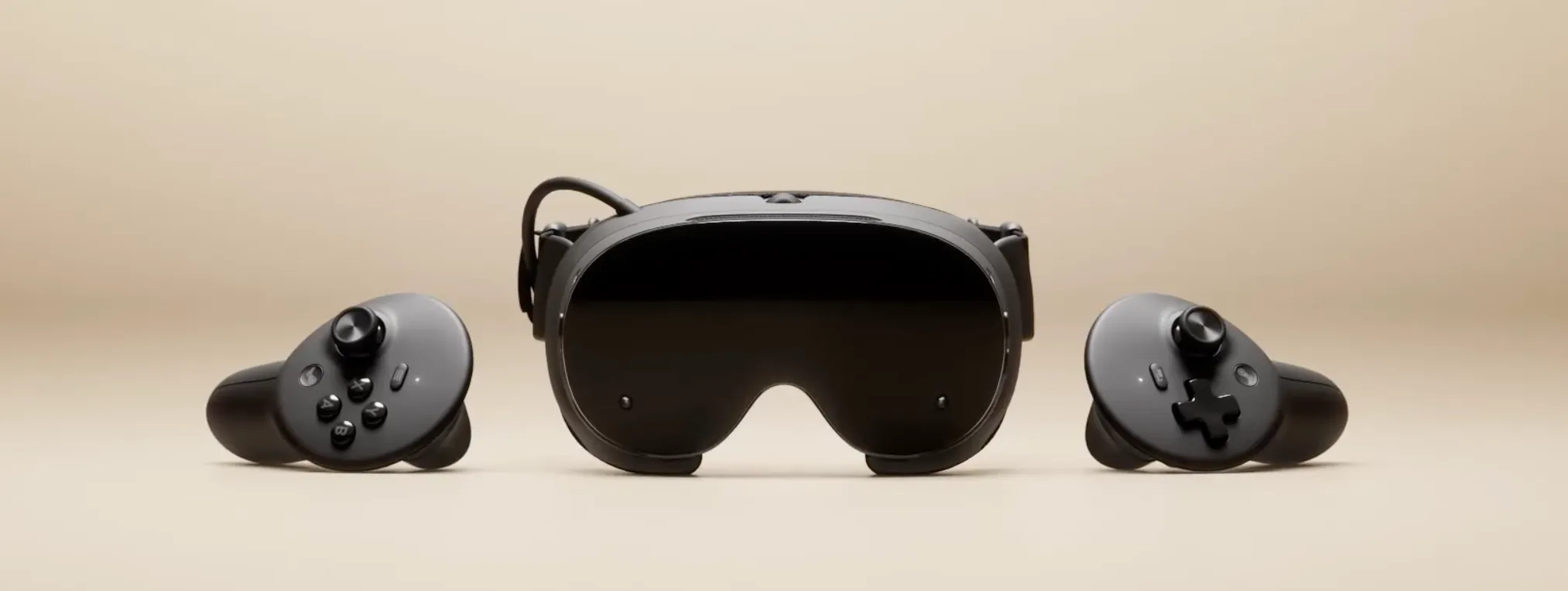
The Meta Quest 3S has returned to its historic low of $249, and honestly, this feels like a pivotal moment for VR. Having tracked headset pricing trends since the original Oculus Rift launch, I can confidently say what we're seeing here goes way beyond your typical holiday discount—this represents a fundamental shift in how premium virtual reality technology reaches everyday consumers.
What makes this particularly striking is the timing and market context. Meta continues to dominate the VR market with a 70.8% share in Q3 2024, while global AR/VR headset shipments grew 12.8%. The company isn't just riding market momentum; they're actively reshaping consumer expectations about what VR should cost. The Quest 3S delivers performance remarkably close to the premium $599 Quest 3, which positions this $249 price point as something approaching a market disruptor rather than just another seasonal deal.
What makes this deal genuinely unprecedented?
Let's break down why this $50 discount transforms the entire value equation. The Quest 3S was already compelling when it hit $299, but at $249, it becomes something else entirely—a device that sits just $50 above the discontinued Quest 2 while delivering dramatically enhanced specifications. We're talking about bridging the gap between budget-conscious first-time buyers and performance-seeking enthusiasts who previously had to spend double this amount.
The market response validates this sweet spot pricing strategy. Amazon moved over 30,000 units in just a few days during the initial Black Friday rollout—that's not just strong sales, it's the kind of volume that suggests we're hitting a price sensitivity threshold that unlocks entirely new customer segments, from curious gamers to families considering their first shared VR experience.
What's particularly strategic about the timing is how holiday shoppers are actively comparing entertainment options, and these price points are reshaping entire category perceptions. When a VR headset costs the same as a gaming console, it stops being a niche tech toy and starts being a legitimate entertainment platform choice that competes directly with PlayStation, Xbox, and Nintendo Switch purchases.
PRO TIP: At $249, the Quest 3S now sits in the same price range as premium wireless earbuds or mid-tier tablets, making it an easier impulse purchase for tech enthusiasts who might have previously hesitated at VR's traditional price points.
How does the hardware justify this aggressive pricing?
Here's where things get really interesting from a technical standpoint. The Quest 3S doesn't just offer decent specs for the price—it delivers surprisingly robust performance that challenges traditional price-performance assumptions across the entire consumer electronics category.
Under the hood, you're getting the same Snapdragon XR2 Gen 2 processor as the more expensive Quest 3, which provides double the graphical processing power of previous generations. That's flagship-level processing power in what's now positioned as an entry-level device—imagine getting iPhone Pro performance in an iPhone SE price category.
The visual experience holds up remarkably well, too. We're talking about 1832×1920 pixels per eye with a 96-97° field of view, delivering clear, immersive visuals that don't immediately scream "budget compromise." The wireless design eliminates all those cable management headaches that made early VR setups feel like launching a space mission, and battery performance reaches practical territory—over two hours of usage on a single charge during content consumption, enough for extended gaming sessions or full movie experiences.
But what really justifies this pricing is the mature ecosystem backing it. The device includes full-color passthrough capabilities and access to an extensive library of VR games and mixed-reality experiences. You're not just buying hardware; you're buying into a platform with thousands of games, productivity apps, and social experiences that justify the investment beyond the initial novelty factor.
What's driving Meta's strategic pricing gamble?
This isn't just aggressive pricing—it's a calculated bet on the future of computing platforms that mirrors successful strategies from console gaming history. Meta's willingness to subsidize hardware costs reflects confidence in their long-term platform strategy, essentially following the PlayStation and Xbox playbook, where hardware is sold at or below cost to build market share and drive software revenue streams.
Think about Sony's approach with the PlayStation 2 or Microsoft's Xbox strategy—both companies took massive losses on hardware to establish platform dominance, then recouped investments through game sales, subscriptions, and licensing fees. Meta's betting on the same model, but for mixed reality computing rather than traditional gaming.
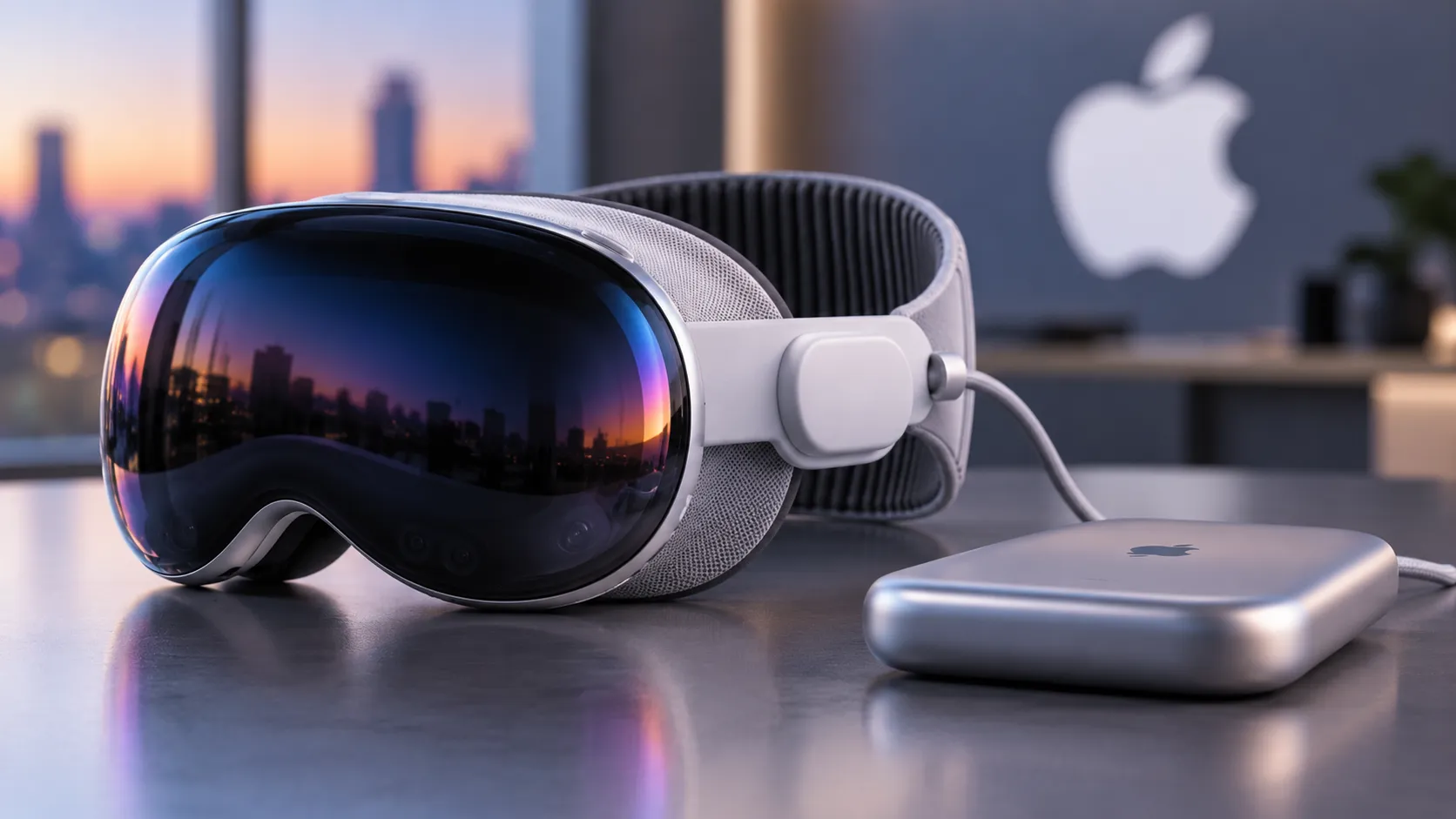
What's particularly telling is how Meta views 2025 as a pivotal year for mainstream VR adoption, with hardware accessibility serving as the crucial catalyst. They're positioning themselves to capture market share before competitors like Apple, Google, or emerging startups can establish footholds in the consumer mixed reality space. Getting devices into millions of hands now means ecosystem lock-in and platform loyalty that could pay dividends for decades.
This strategy also establishes new precedents for how emerging technologies transition from early adopter markets to mainstream acceptance. When you can offer flagship performance at entry-level pricing, you're not just competing within your category—you're expanding the entire market by making the technology accessible to price-sensitive consumers who would never consider a $600+ headset.
From a competitive standpoint, this puts enormous pressure on other VR manufacturers. How do you compete with a company willing to lose money on hardware to build platform dominance? It's the kind of move that can reshape entire industries, similar to how Amazon's aggressive pricing on Kindle readers transformed digital reading adoption.
Where does this leave the broader VR market?
The ripple effects of this pricing strategy extend well beyond Meta's immediate sales numbers, potentially reshaping how consumers approach digital entertainment investments and competitor strategies across the mixed reality landscape. When flagship VR performance becomes available at console-competitive pricing, it could influence how consumers approach digital entertainment choices more broadly.
Consider the consumer decision-making process: you're shopping for holiday gifts, comparing gaming consoles, streaming devices, tablets, and entertainment options. Suddenly, a VR headset that was previously in "expensive tech gadget" territory is now priced competitively with mainstream hardware. That fundamentally changes the consideration set, moving VR from "maybe someday" to "why not try this instead?"
The technical specifications support this mainstream positioning perfectly. The 128GB storage capacity provides roughly enough space for a dozen games, making the base model genuinely functional for typical users rather than feeling like a stripped-down entry point designed to upsell you to higher-capacity models. This means most buyers won't immediately need to spend additional money to get a satisfying experience.
For competitors, this creates some serious strategic challenges. How do you justify premium pricing when consumers can get flagship VR performance at these price points? It's likely to accelerate innovation cycles across the industry as companies scramble to match both Meta's hardware capabilities and aggressive pricing strategy. We might see similar price drops from HTC, Pico, or other manufacturers, or alternatively, a push toward premium features that justify higher price points.
This pricing positions VR headsets as legitimate alternatives to traditional gaming consoles and streaming devices for families, potentially expanding the total addressable market beyond dedicated VR enthusiasts to include mainstream entertainment consumers looking for shared experiences.
What does this mean for VR's mainstream future?
Looking at the Quest 3S at $249, I think we might be witnessing VR technology's transition from premium novelty to accessible mainstream entertainment—a shift I've been anticipating since testing early Oculus prototypes years ago. This pricing strategy represents Meta's broader gamble on democratizing mixed reality technology, and the early market response suggests they might be onto something genuinely significant for the industry's trajectory.
The combination of flagship-level processing power, wireless convenience, and console-competitive pricing addresses the three primary barriers that have historically limited VR adoption: cost (now resolved), complexity (eliminated through standalone design), and content quality (solved through a mature app ecosystem). For the first time, consumers considering their first VR purchase can get flagship VR performance at an entry-level price point without feeling like they're making significant compromises in experience quality.
What makes this particularly compelling is that this isn't just a temporary promotional price—it appears to be Meta's strategic positioning for the platform going forward. If this pricing becomes the new normal rather than a seasonal exception, we could be looking at a fundamental acceleration in VR adoption timelines, potentially shortening the path to mainstream acceptance by several years.
The broader implications extend beyond just VR gaming, too. At these price points, mixed reality becomes economically viable for productivity applications, social experiences, fitness programs, and entertainment consumption in ways that weren't previously feasible for average consumers. We might look back at 2024 as the year VR finally achieved the accessibility trifecta needed for genuine mainstream adoption: compelling content, user-friendly hardware, and mass-market pricing.
For anyone who's been waiting for the "right" time to jump into VR—whether you're curious about immersive gaming, interested in virtual travel experiences, or exploring new ways to stay connected with distant family and friends—the Quest 3S at $249 represents a compelling answer to that question. It's not just a good deal; it's potentially our first glimpse into the future of how we'll interact with digital content when price is no longer the primary barrier to entry.







Comments
Be the first, drop a comment!