


Meta Ray-Ban Display Developer Preview: SDK Paths and Platform Gaps
Meta has opened the built-in display on its Ray-Ban Display glasses to third-party developers for the first time, according to an announcement made last week. Outside developers can now push content directly into the wearer's right lens rather than routing information through a phone notification or voice response. Per PPC Land, this marks the first time third-party developers can target the built-in display on a consumer AI glasses product already on retail shelves.
Before this change, developers working with Meta's glasses had access to camera, audio, and voice capabilities. The addition of display access is what separates glasses that talk to you from glasses that show you things. That distinction is narrower than it sounds, but it's the one that makes a third-party app ecosystem structurally possible.
The $799 Ray-Ban Display, available at Best Buy, LensCrafters, and Ray-Ban stores since late September 2025, is the development hardware. No separate dev kit is required, Meta confirmed at launch.
Smart glasses have accumulated a long track record of developer programs that went nowhere. A real platform needs enough users to justify building, tooling with low enough friction that developers actually start, a viable way to distribute and test, and clear rules about what third-party apps can do. This Meta Ray-Ban Display developer preview addresses the first three with more substance than most previous attempts. The fourth remains largely unaddressed.
What the Meta Ray-Ban Display developer preview actually unlocks
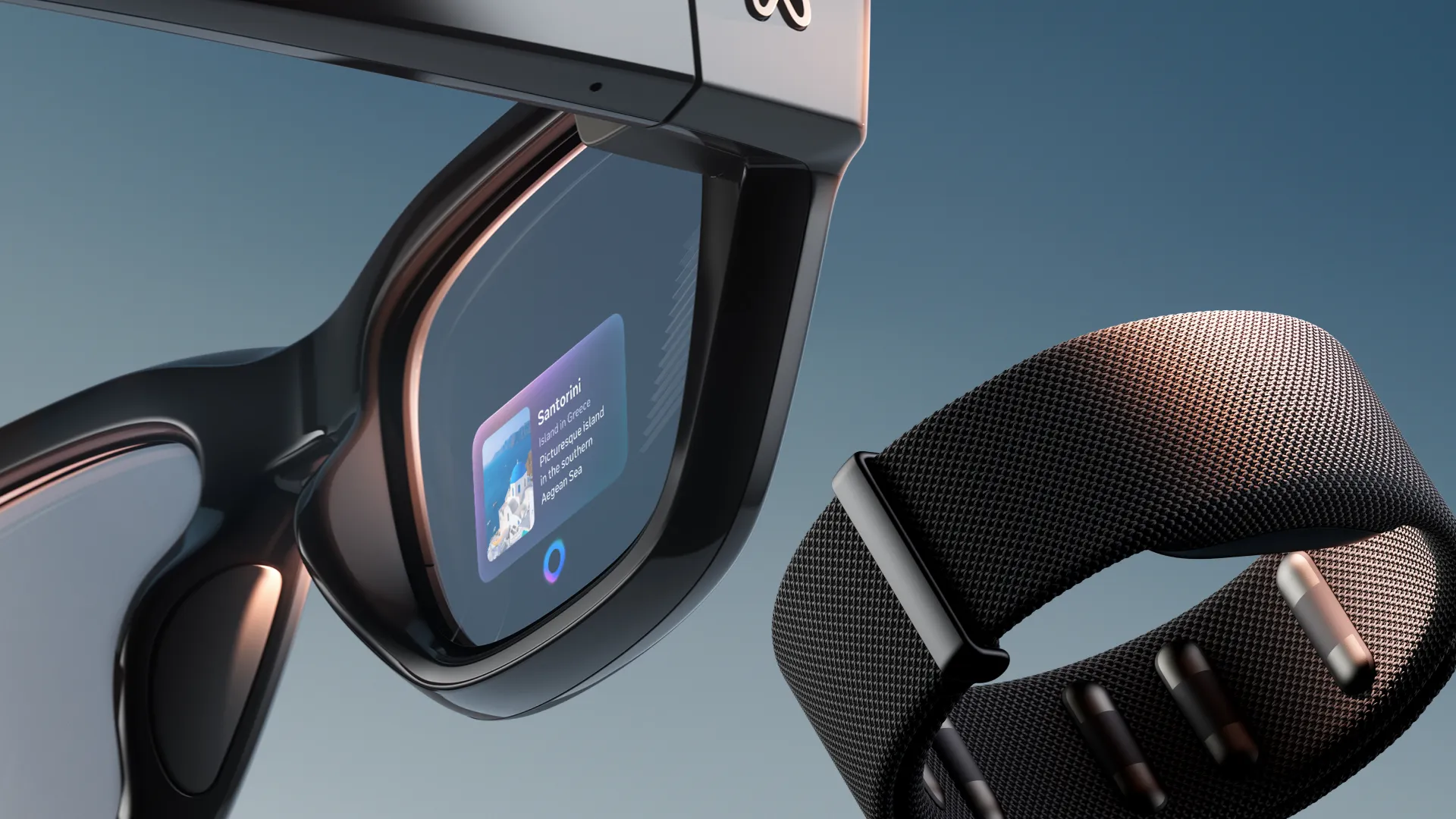
Third-party apps can now render text, images, lists, buttons, and video into the right lens panel, a 600x600 pixel private display built into Transitions adaptive lens technology and invisible to anyone nearby, according to PPC Land.
Both build paths also expose the Meta Neural Band as an input device. The EMG wristband ships with every pair of Ray-Ban Display glasses and reads wrist muscle signals through surface electromyography, transmitting only discrete gesture events to the glasses. Raw signal processing stays on-device. For developers, that means a click-equivalent input that doesn't require touching the frame, raising your voice, or pulling out a phone.
The consumer device is the development target. Developers who already own a pair can start building today. At $799 it's not cheap, but it's accessible in a way a proprietary dev kit typically isn't. Both paths carry developer preview status, meaning APIs may change before any stable release, and the rollout that began May 14 is still spreading, PPC Land noted.
Two build paths, familiar tools
The first path runs through the updated Meta Wearables Device Access Toolkit, a native mobile SDK supporting Swift for iOS and Kotlin for Android. Developers can extend an existing mobile app onto the glasses display rather than starting from scratch. Source kits and documentation are on GitHub.
The second path is new: Web Apps for Meta Ray-Ban Display, built entirely on standard HTML, CSS, and JavaScript with no proprietary framework required. Developers build and preview in a browser, then deploy to the glasses via URL. Web Apps get access to motion and orientation data, phone GPS, Neural Band gesture input, and local storage. The starter kit on GitHub is explicitly compatible with AI coding tools including Claude Code, Cursor, and GitHub Copilot, per PPC Land.
Meta's own example use cases include live-score overlays, transit navigation (live in 32 U.S. cities as of January), in-lens teleprompter cards, cooking guides, grocery lists, instrument practice aids, and games (PPC Land; Meta CES post). These aren't full AR experiences. They're glanceable, task-specific, ambient. That's a legitimate and underserved category for app development, though it's also a constrained one.
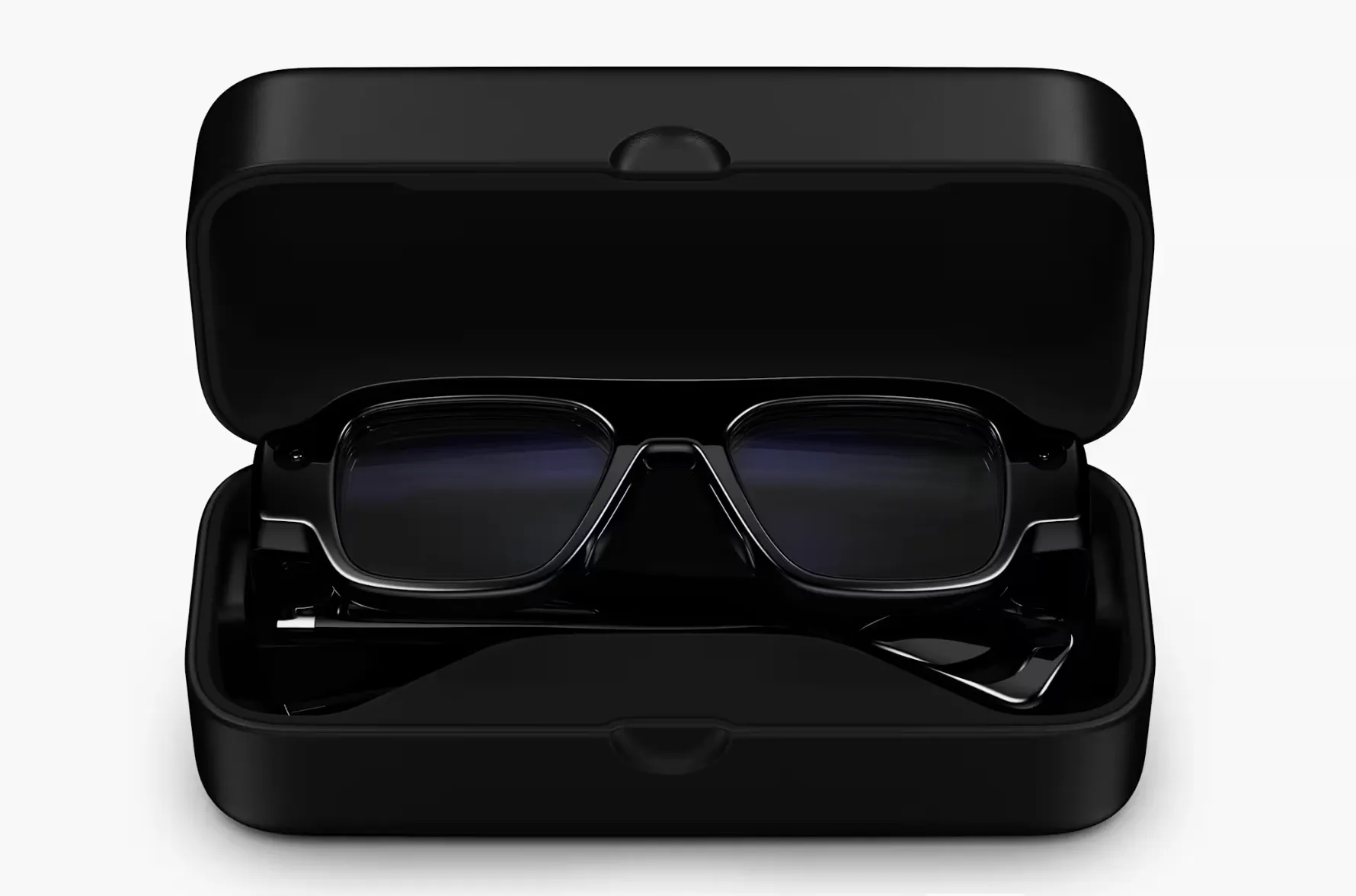
Hardware limits define what's buildable here. The glasses offer up to six hours of mixed-use battery life, extended to 30 hours with the charging case, while the Neural Band runs up to 18 hours, Meta states. The display is private and monocular. Every app built for this platform has to fit within those boundaries: short sessions, glanceable information, low-friction wrist input.
Distribution during preview works through private channels. Device Access Toolkit builds can be tested with up to 100 users. Web Apps distribute via password-protected URLs. Neither requires an app store submission, which speeds up iteration but also means there's no public discoverability path yet, PPC Land reported.
The platform gaps that will determine whether this goes anywhere
Demand for the Ray-Ban Display has been strong by any observable measure. Meta reported waitlists extending into this year after the fall 2025 launch and paused planned expansion to Canada, France, Italy, and the UK because U.S. inventory couldn't keep up, according to Meta's CES announcement in January. That's an encouraging demand signal. But Meta has not disclosed actual unit sales, and developers building for a platform need to know how many potential users exist, not just that demand was "overwhelming."
The sharper gap is governance. Meta highlights the Neural Band's on-device EMG processing as a privacy-preserving design, since only discrete gesture events leave the wristband. But the developer materials don't specify what permissions third-party display apps can request, what data Web Apps are permitted to collect, or whether any review process governs what ends up in users' lenses, per PPC Land. Those are significant omissions for a newly opened display surface.
The existing privacy record around these glasses provides context that matters. The EFF documented earlier this year that Meta's AI features on the glasses don't run locally: footage processed via Meta AI is sent to Meta's servers, some is used for AI training, and in documented cases humans have reviewed that material. An investigation by Swedish newspapers found workers annotating camera footage that included sensitive and private situations. That's Meta's first-party behavior, not what third-party developers would do. But it establishes the trust baseline that any new app ecosystem has to operate within.
No public information currently exists on app review or approval, a future storefront, monetization for developers, or discoverability beyond URL sharing. These aren't edge-case concerns. They're the mechanics that turn preview access into a platform developers can actually build businesses on. Their absence doesn't mean they're not coming, but it does mean the platform as announced is structurally incomplete in ways that matter to anyone considering serious investment.
The Neural Band carries its own longer-term questions. Meta VP of Wearables Alex Himel said at CES in January that regular Band users start wanting it to control more than their glasses, and a proof-of-concept with Garmin showed it operating as a vehicle interface via pinch and scroll gestures, per Meta's CES post. For the current developer preview, the scope is more immediate: gesture input for glasses apps. That's what's actually available to build with.
What comes next
Meta positions the Ray-Ban Display as the middle tier in a three-category glasses lineup, sitting between camera-only glasses and full AR headsets like the Orion prototype, per its September 2025 launch announcement. Opening the display to developers is how that middle category either becomes a platform or stays a product.
The tooling is credible. Two SDK paths using standard toolchains, deployed on shipping retail hardware, with gesture input included from day one, is a more substantive starting point than most previous attempts at a consumer smart glasses developer program. Whether it goes anywhere depends on things that aren't in the SDK.
The signals worth watching: whether showcase apps with genuine user traction emerge from this preview period; whether Meta publishes specific data policies governing third-party display and Web App access; whether distribution moves beyond private test channels to something searchable; and whether Meta discloses enough about its installed base to give developers a real market sizing. Those developments, more than any future SDK update, will determine whether this developer preview has a second act (EFF; PPC Land).



Comments
Be the first, drop a comment!