



Meta's wearable ambitions are heating up again. The company is reportedly preparing to launch its first smartwatch later in 2026 (reported Feb 18, 2026), reviving a project that was shelved back in 2022 during broader spending cuts at its Reality Labs division. Internally known as "Malibu 2," this device will feature health-tracking capabilities and integrated Meta AI, according to The Information. But here's the thing: this isn't really about challenging the Apple Watch's dominance in the smartwatch market. Instead, Meta's wrist-based strategy appears designed to serve a very different purpose—acting as a sophisticated companion for its expanding smart glasses ecosystem. The timing is particularly interesting given that Meta's Ray-Ban Display AR glasses proved unexpectedly popular, forcing the company to postpone international expansion. This watch launch signals Meta's commitment to building a multi-device wearable ecosystem where each piece plays a specific role in the company's AR-first vision.
Why Meta abandoned cameras for neural sensing
The original smartwatch concept looked radically different from what's coming this year. Back in 2021, The Verge reported on Meta's plans for a watch featuring dual cameras—one front-facing for video calls and a rear camera that could function as an action cam, with the watch body detaching from its frame for versatile shooting. Meta was targeting a summer 2022 launch at approximately $350, according to early reporting.
But that version never saw the light of day. Bloomberg revealed the project's cancellation that same summer, and the reason was telling: the rear camera design made it impossible to integrate electromyography (EMG) a skin based neural-sensing method in future versions, which was Meta's long-term objective. This wasn't just a minor technical hiccup—it represented a fundamental shift in Meta's strategic thinking. The company realized that capturing photos and videos from your wrist was far less important than building control mechanisms for AR glasses, and the two features couldn't coexist on the same device.
This pivot away from cameras toward neural interfaces reveals Meta's true priority. The canceled camera-equipped models never made it past the prototype stage, with leaked images showing a chunky, dual-camera design that would have competed more with GoPro than Apple Watch. Those three different camera-equipped models that Meta explored? According to reporting, those camera-equipped prototypes are unlikely to return to the revived lineup (per The Information). Meta chose neural sensing over photography features, signaling that the watch's primary job isn't to be a standalone content creation device—it's to be an input mechanism for something more ambitious.
The real purpose: a glasses control hub
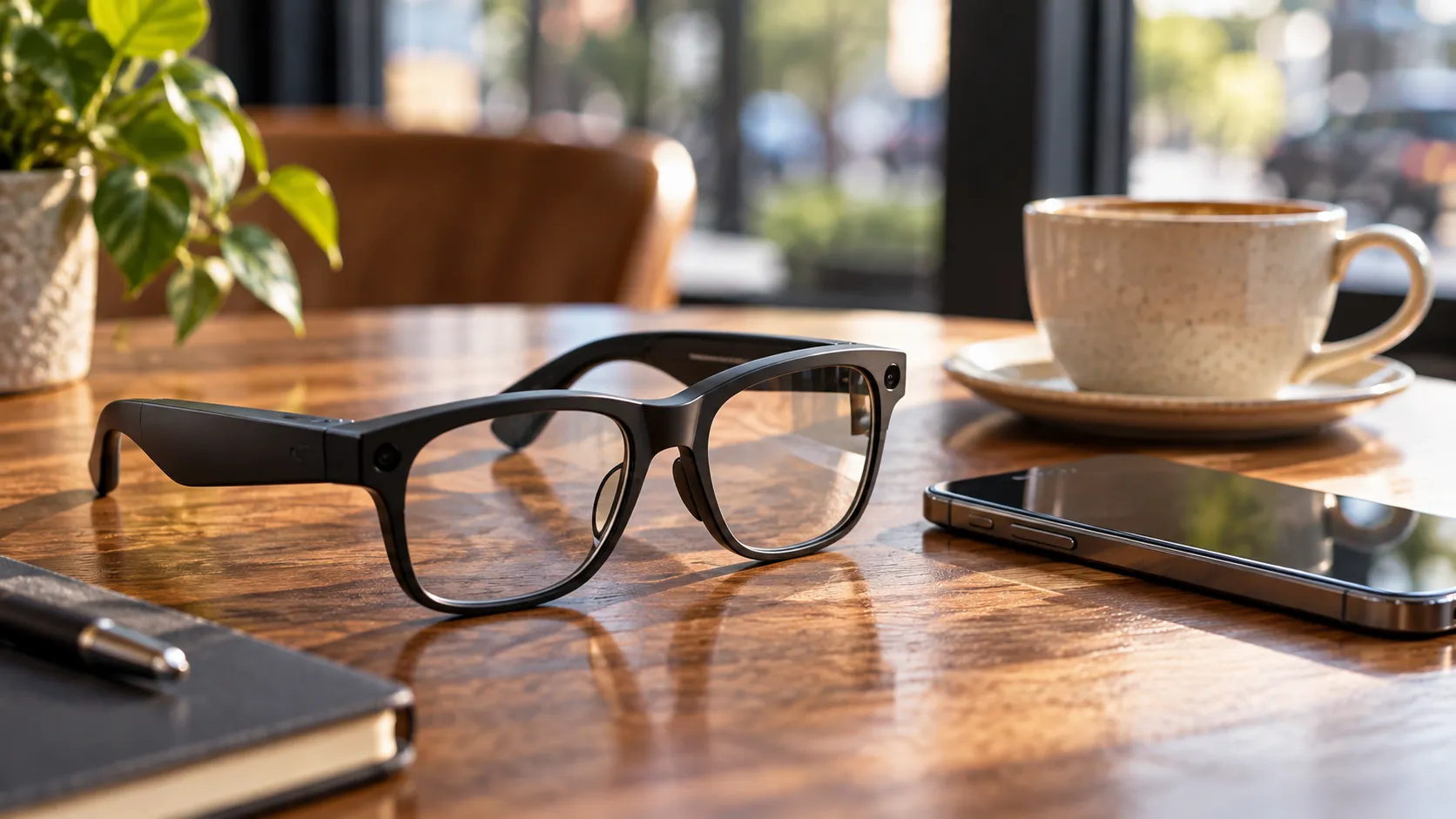
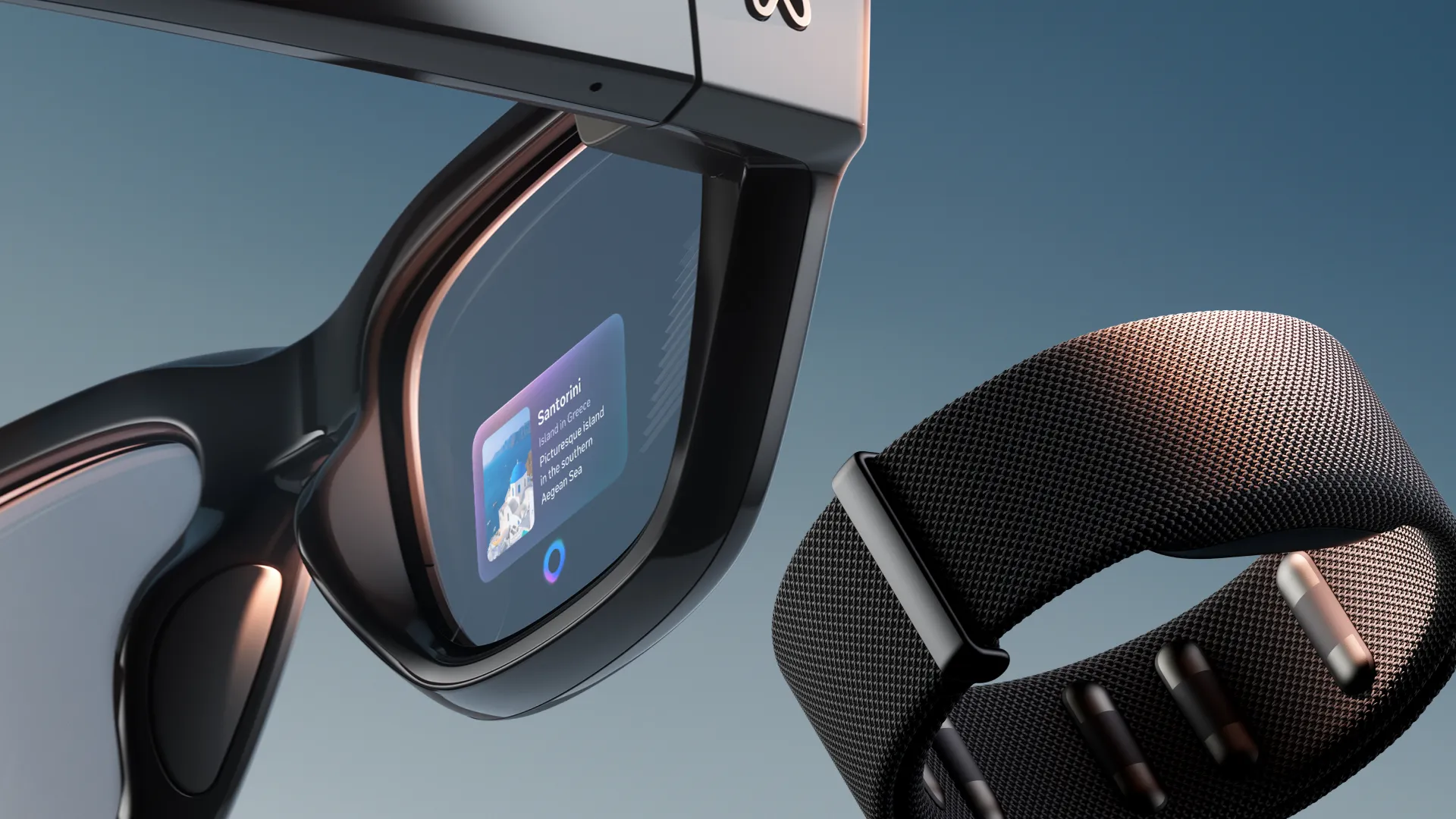
Meta's current Ray-Ban Display glasses already ship with a neural wristband that uses skin-based electromyography to detect motor neuron signals and translate them into interface gestures. It's genuinely impressive technology when it works. The problem? That neural band currently only controls the Ray-Ban Display glasses, limiting its utility as a standalone device. You're essentially wearing a specialized controller that has exactly one job.
Meta CTO Andrew Bosworth has already hinted at the evolution. He told CNET last year that the neural band would eventually make sense as part of a watch, acknowledging what was probably obvious to anyone wearing the current setup. The upcoming smartwatch could potentially absorb those gestural controls, according to MacRumors, creating a more versatile wrist-worn interface that justifies its presence even when you're not actively using the glasses.
Beyond gesture control, a touchscreen watch opens up several practical use cases. It could serve as a viewfinder for glasses-mounted cameras, CNET suggests, letting you frame shots more precisely than relying on the glasses' field of view alone. Or it could provide a discreet way to manage photos and settings without pulling out your phone or using voice commands in public. Think of it as a remote control interface for your face computer.
This positioning as a glasses companion rather than a phone replacement fundamentally changes the competitive landscape. Meta isn't trying to replicate Apple's ecosystem dominance or convince people to abandon their iPhones. Instead, they're building a complementary wearable network where glasses remain the primary interface and the watch serves a supporting role. That's a much more realistic ambition—and one that doesn't require winning the smartphone wars.
Health tracking and the Garmin connection
While neural sensing and glasses integration drive the strategic vision, Meta still needs to give people reasons to wear this thing when their Ray-Bans are sitting on a table. The device will include health-tracking capabilities similar to those found in Apple Watch or Fitbit, The Information reports, covering the basics you'd expect from any modern smartwatch.
This makes practical sense given Meta's existing partnership with Garmin. The company's Oakley Vanguard sports glasses already feature heart rate-tracking LED indicators and pair with Garmin watches, establishing a working relationship that could extend to this new device. Of all the non-Apple, non-Google, non-Samsung smartwatch makers, Garmin represents Meta's best partnership option, particularly for users prioritizing fitness tracking over general-purpose computing.
The watch could also serve as another platform for Meta's AI ambitions. It might offer AI-powered fitness coaching or act as an AI companion to glasses-based experiences, according to CNET's analysis. These features could help differentiate the device from basic fitness trackers while staying within Meta's AI-everywhere strategy.
But let's be honest: these health features feel more like table stakes than differentiators. Necessary to justify the device as a standalone product, sure, but probably not the reason anyone will choose this over an Apple Watch or Galaxy Watch. The real value proposition lies in that glasses integration—the health tracking just makes the watch useful during the hours you're not wearing AR glasses.
Product timing and the AR roadmap shuffle
Meta's launch calendar reveals careful choreography designed to avoid overwhelming consumers with too many new devices at once. The smartwatch is expected to arrive alongside updated Ray-Ban smart glasses, which may include facial recognition capabilities, according to reports. That pairing makes sense—launching them together lets Meta demonstrate the integrated experience rather than forcing early adopters to wait months for the other piece.
However, Meta's mixed reality glasses—internally code-named "Phoenix"—have been pushed back to 2027 from their originally planned 2026 debut. The delay stems from executive concerns about market confusion. Meta leadership worried that launching too many devices in quick succession would confuse customers, suggesting a more measured rollout strategy than the company's previous "throw everything at the wall" approach.
This sequencing makes strategic sense. Establish the watch and updated smart glasses as a working pair first, let consumers and developers figure out what works, then introduce more advanced AR hardware that will likely depend on both devices. It's a more mature product strategy than we've seen from Meta's hardware division in the past.
Meta typically announces new products at its Connect developer conference, which usually takes place in September, giving us a likely timeframe for the official reveal. The staggered approach also gives Meta time to refine the software integration between devices before adding more complex hardware to the mix—something that should have been obvious after the Quest platform's early growing pains, but apparently needed to be relearned.
Where Meta's watch fits in the wearables race
This smartwatch launch comes as the entire tech industry converges on multi-device wearable strategies, with everyone suddenly realizing that glasses alone won't cut it. Apple is reportedly developing rival smart glasses, an AI pin, and camera-equipped AirPods that will all connect to iPhone and interface with an enhanced Siri, Bloomberg reported. Bloomberg/Mark Gurman reports Apple is targeting 2027 for smart-glasses availability, with the AI pin potentially arriving the same year and new AirPods possibly debuting as soon as 2026.
Meanwhile, Google's XR team confirmed that its upcoming 2026 smart glasses will work with Android watches, establishing a similar multi-device paradigm. The message from all three companies is consistent: the future of wearable computing requires multiple interconnected devices, not a single all-in-one product.
But Meta holds a significant advantage in this race. The company is already shipping smart glasses at volume and has real-world data on how consumers actually use these devices. That's invaluable information that Apple and Google simply don't have yet. Meta can design the watch based on actual usage patterns rather than theoretical use cases—a rare instance where being first to market provides genuine benefits.
The question isn't whether Meta's watch can beat Apple Watch on its own terms. It almost certainly can't, and Meta knows it. The Apple Watch has years of refinement, a massive app ecosystem, and tight integration with the most popular smartphone platform. Competing head-to-head would be suicide. Instead, the question is whether Meta can establish a compelling glasses-plus-watch combination before Apple and Google bring their own versions to market. Can Meta create enough of a lead that when Apple's glasses finally arrive in 2027, there's already an established user base comfortable with the multi-device paradigm—and loyal to Meta's implementation?
The original smartwatch project included plans for three different camera-equipped models, but those designs won't be part of the future lineup, suggesting Meta has fully committed to the neural-sensing, glasses-companion approach rather than trying to compete directly with established smartwatch players.
What success looks like for Meta's wrist strategy
Here's what Meta needs to nail: seamless integration with Ray-Ban glasses that makes the watch feel essential rather than optional. The neural sensing technology has to work reliably enough that users prefer subtle wrist gestures over pulling out their phones. And the health tracking features need to be competitive enough to justify the device for users who don't yet own Meta's glasses (because let's be real, the addressable market of Ray-Ban Display owners is pretty small right now).
Meta explored smartwatch concepts roughly five years ago, including those three camera-equipped versions, before shelving the effort during 2022's Reality Labs spending cuts. The company's willingness to resurrect the project suggests confidence that the market is finally ready for glasses-centric wearables. That confidence might be justified, or it might be another expensive bet on a future that takes longer to arrive than Meta's quarterly earnings can tolerate.
Meta has declined to comment on the reports, maintaining its typical pre-announcement silence. But if the company can position this watch as the must-have companion for its increasingly popular smart glasses—rather than as an Apple Watch competitor—it might carve out a sustainable niche in the wearables market.
The real test will come when consumers decide whether they're willing to invest in a multi-device ecosystem for AR experiences, or whether they'll stick with the simpler, phone-centric approach that Apple and Google will likely emphasize. Meta's betting that glasses-first computing is the future, and this smartwatch is a critical piece of that vision. Whether that bet pays off depends on execution, timing, and convincing enough people that wearing multiple connected devices is worth the hassle. Given Meta's track record with consumer hardware, that's far from guaranteed—but at least this time, they seem to have learned from past mistakes and built a more coherent product strategy.






Comments
Be the first, drop a comment!