


When Mark Zuckerberg announced earlier this year that Meta was opening its Horizon OS to third-party manufacturers, it represented a fundamental shift from the Apple-style closed ecosystem approach they'd maintained for years. The company was inviting hardware partners to build devices using their platform, seemingly embracing an Android-like strategy for VR expansion. Now, just months later, that ambitious vision has encountered a significant strategic reversal.
Meta's decision to suspend its third-party VR headset program marks a significant pivot for the company that once championed opening its Horizon OS ecosystem to hardware partners. The company has officially halted development partnerships with ASUS and Lenovo, according to Road to VR, effectively canceling what was positioned as a major strategic expansion just months ago. This move comes amid broader shifts in Meta's Reality Labs division, where internal memos reveal potential budget cuts of up to 30 percent for metaverse projects in 2026. The suspension raises critical questions about Meta's long-term VR strategy and whether the company is retreating from its ecosystem expansion or simply recalibrating its approach to hardware partnerships.
What led to Meta's strategic reversal?
The suspension didn't happen in isolation—it's part of a broader strategic realignment within Meta's Reality Labs division. The company's spokesperson explained that they have "Meta said in a statement: 'paused the program to focus on building the world-class first-party hardware and software needed to advance the VR market" as reported by Road to VR. This rationale suggests Meta is prioritizing quality and control over market expansion through partnerships.
The financial pressures driving this decision are staggering. Meta's Reality Labs has recorded cumulative operating losses of over $70B since 2021, according to reporting of Meta's segment-level results—a figure that exceeds the GDP of many countries, all invested in a vision that's still struggling to find mainstream adoption. This unprecedented level of investment without proportional market returns has created pressure for more sustainable business models.
Internal communications from December 4th revealed that Meta leadership, including CEO Mark Zuckerberg, made decisions focused on "making the business sustainable and taking extra time to deliver experiences with higher quality," according to Road to VR. This language signals a company transitioning from growth-at-all-costs to sustainability-first thinking—a shift that directly impacts how they approach partnerships and ecosystem expansion.
The timing also coincides with Meta's official acknowledgment of shifting investment priorities. The company confirmed it's "shifting some investment from Metaverse toward AI glasses and Wearables", signaling a broader reallocation of resources within the extended reality space. Rather than abandoning VR entirely, this represents a strategic hedging of bets across multiple emerging technology platforms.
How this impacts the planned hardware ecosystem
The suspension directly affects what were once promising partnerships with major hardware manufacturers. ASUS had been developing a gaming-focused headset under its Republic of Gamers brand, while Lenovo was creating a productivity-oriented device, leveraging their previous collaboration on the Oculus Rift S. Both companies were positioned as the first major partners to bring Meta's newly renamed Horizon OS to third-party hardware.
These partnerships represented more than token collaborations. ASUS was planning a "performance based" VR gaming headset that would have likely pushed the boundaries of what's possible in standalone VR gaming, potentially featuring higher-end specifications than Meta's own Quest devices. Lenovo, with their enterprise focus and proven track record from the Oculus Rift S collaboration, seemed perfectly positioned to tackle the productivity market that Meta's Quest devices haven't fully captured.
The broader implications extend beyond just these two partnerships and directly challenge Meta's ecosystem expansion strategy. Meta's approach represented a fundamental shift from the Apple-style closed ecosystem model they had previously followed, where the company retained control over both software and hardware development. The suspension suggests Meta may be returning to this more controlled approach, at least temporarily, prioritizing tight integration over rapid market expansion.
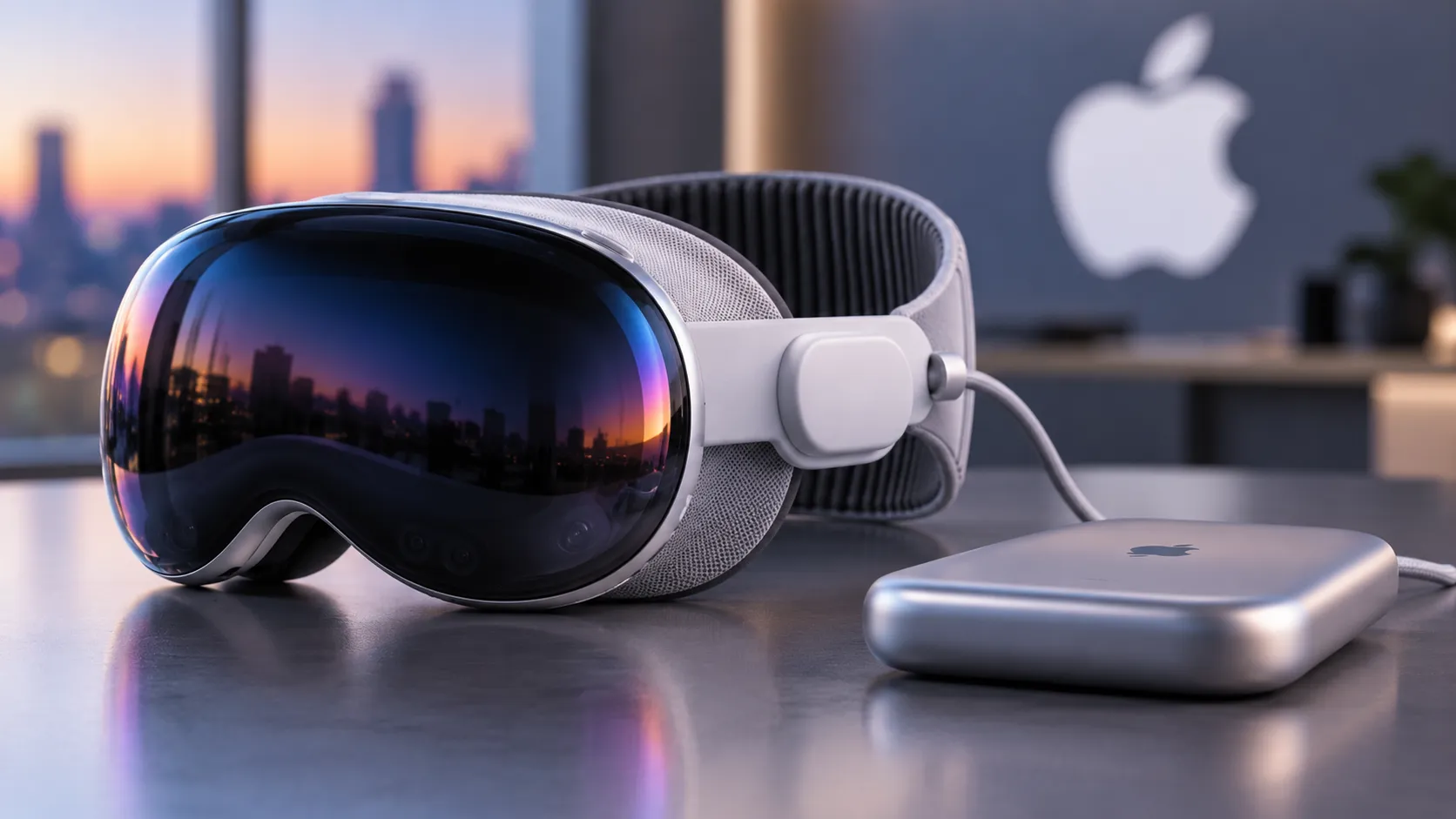
This reversal also affects the competitive landscape against other VR platforms. With many industry players, including firms in China, joining the race to build smart glasses and wearable technology, Meta's decision to pause third-party partnerships could limit its ability to rapidly expand market presence through diverse hardware offerings. In essence, they're choosing to fight a multi-front competitive battle with fewer hardware allies—a strategy that only makes sense if they believe tighter control will yield superior products.
Meta's evolving hardware strategy and pricing approach
The suspension aligns with significant changes in Meta's overall hardware strategy and business model. Recent internal communications reveal that Meta is planning to raise VR headset prices moving forward, with leadership stating that "devices will be more premium in price going forward" to create "a healthier business to anchor on." This premium pricing strategy represents a departure from Meta's previous approach of subsidizing hardware costs to drive adoption.
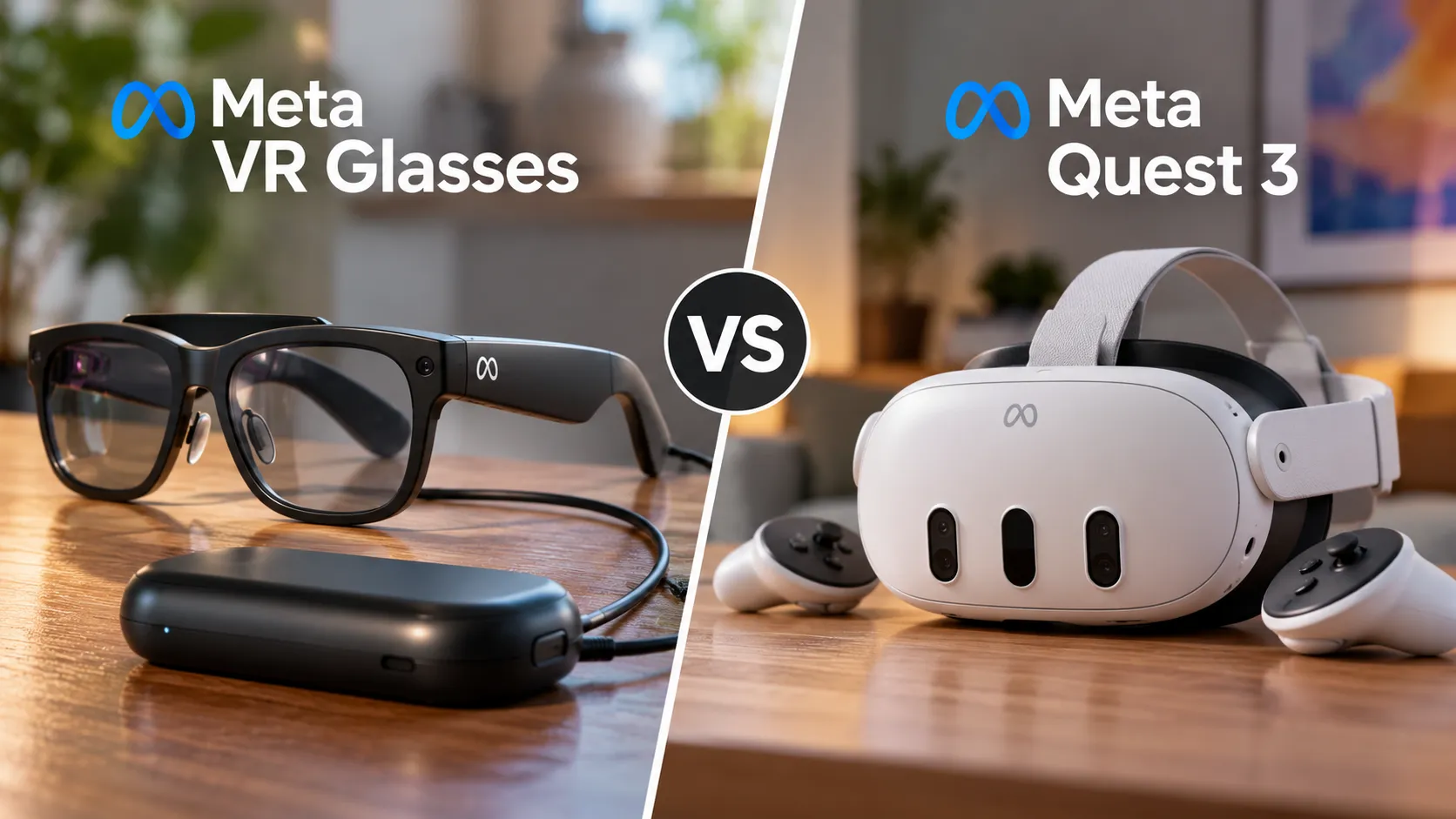
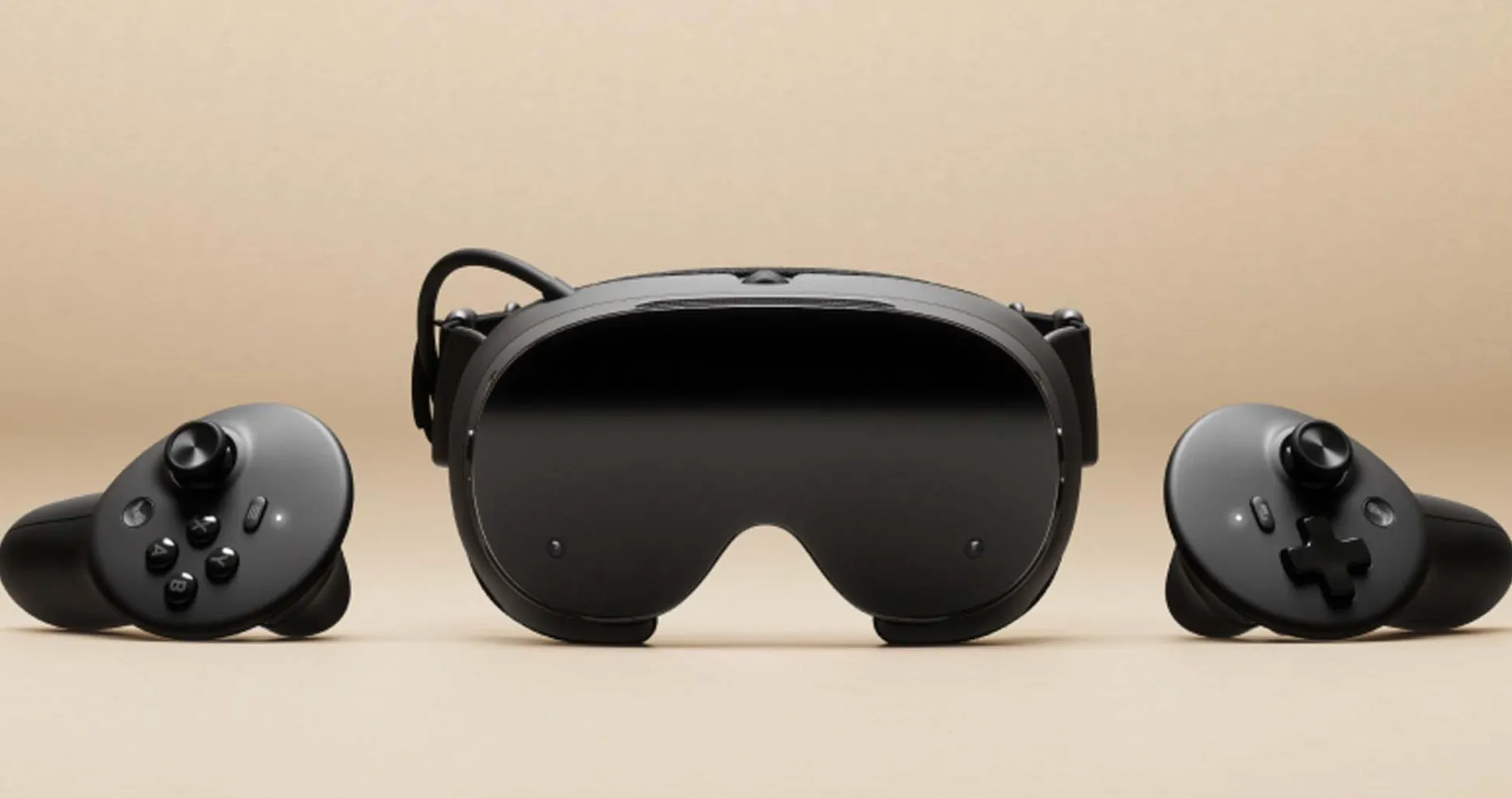
This shift toward premium pricing carries profound implications for Meta's market strategy. The company currently sells the the Quest 3 carries an MSRP of $499 and the Quest 3S an MSRP of $299, with the latter often on sale for even less. The move toward premium pricing essentially acknowledges that the race-to-the-bottom pricing strategy hasn't delivered the market penetration they hoped for, and that maintaining artificially low prices to drive adoption has proven unsustainable given their massive losses.
Meta is also extending the lifecycle of current devices, with plans to retire the Quest 3 and 3S lines later than originally expected. This decision to keep existing hardware in the market longer suggests a more measured approach to product releases, potentially reducing development costs while maximizing returns on current investments. It mirrors strategies used by companies focused on profitability over rapid iteration.
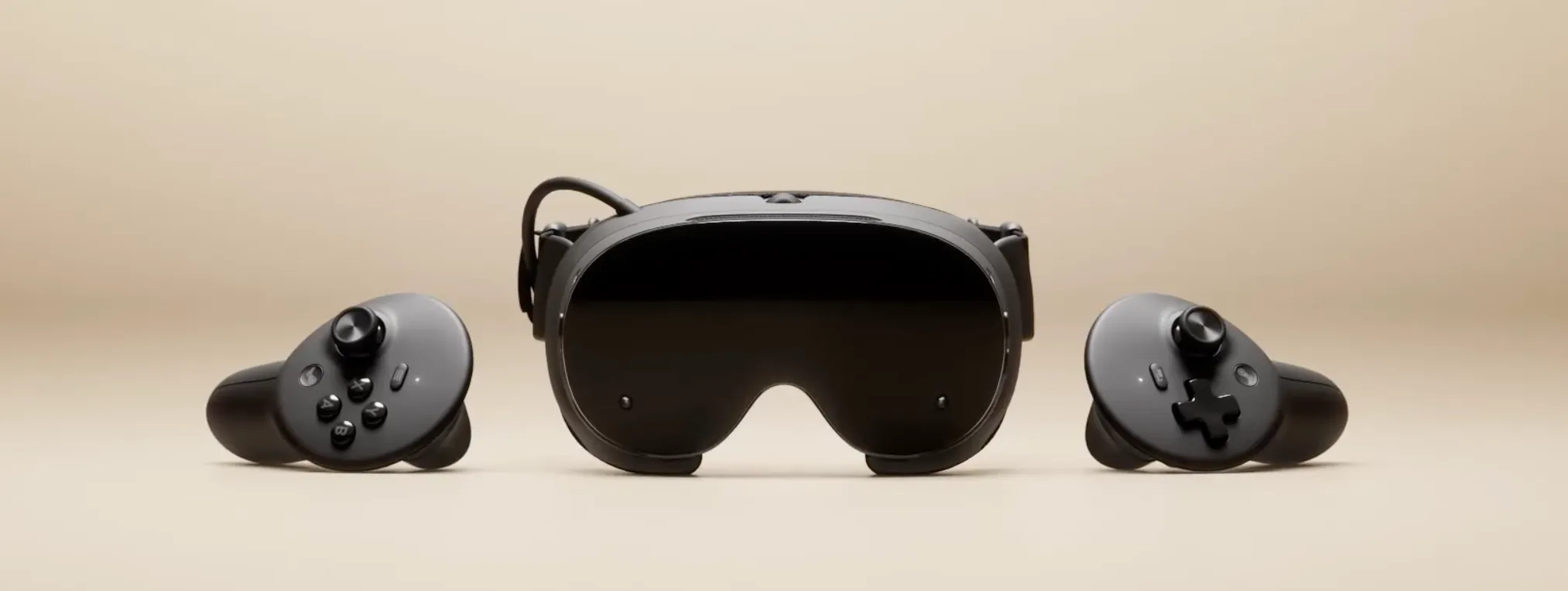
Looking ahead, Meta's next-generation Quest is described as representing a "large upgrade" over the current generation, with a focus on immersive gaming and significantly improved unit economics. However, the company has also pushed back the release of its ambitious puck-tethered XR headset, codenamed "Phoenix," from late 2026 to the first half of 2027.
The Phoenix delay is particularly telling because that device represented Meta's most ambitious hardware vision—a lightweight headset tethered to a pocketable compute unit that could deliver high-end XR experiences without the bulk of current standalone devices. Pushing it back suggests the company is prioritizing products that can immediately contribute to improved unit economics over experimental form factors that might not find immediate market acceptance.
Where does Meta's VR vision go from here?
Despite the third-party program suspension and budget reallocations, Meta's leadership maintains that VR remains a core focus. CTO Andrew Bosworth directly addressed speculation by stating "VR is not dead" and explaining that Meta can work on VR, glasses, and AI concurrently. This suggests the pause represents strategic refinement rather than abandonment of VR ambitions.
Bosworth's response during an internal ask-me-anything session is particularly revealing. He acknowledged that there's a narrative people "cannot help writing" about VR being dead at Meta, but insisted the company can pursue multiple technology paths simultaneously. This kind of defensive positioning suggests internal discussions about resource allocation have been intense, with clear pressure to justify continued VR investment alongside more immediately promising technologies.
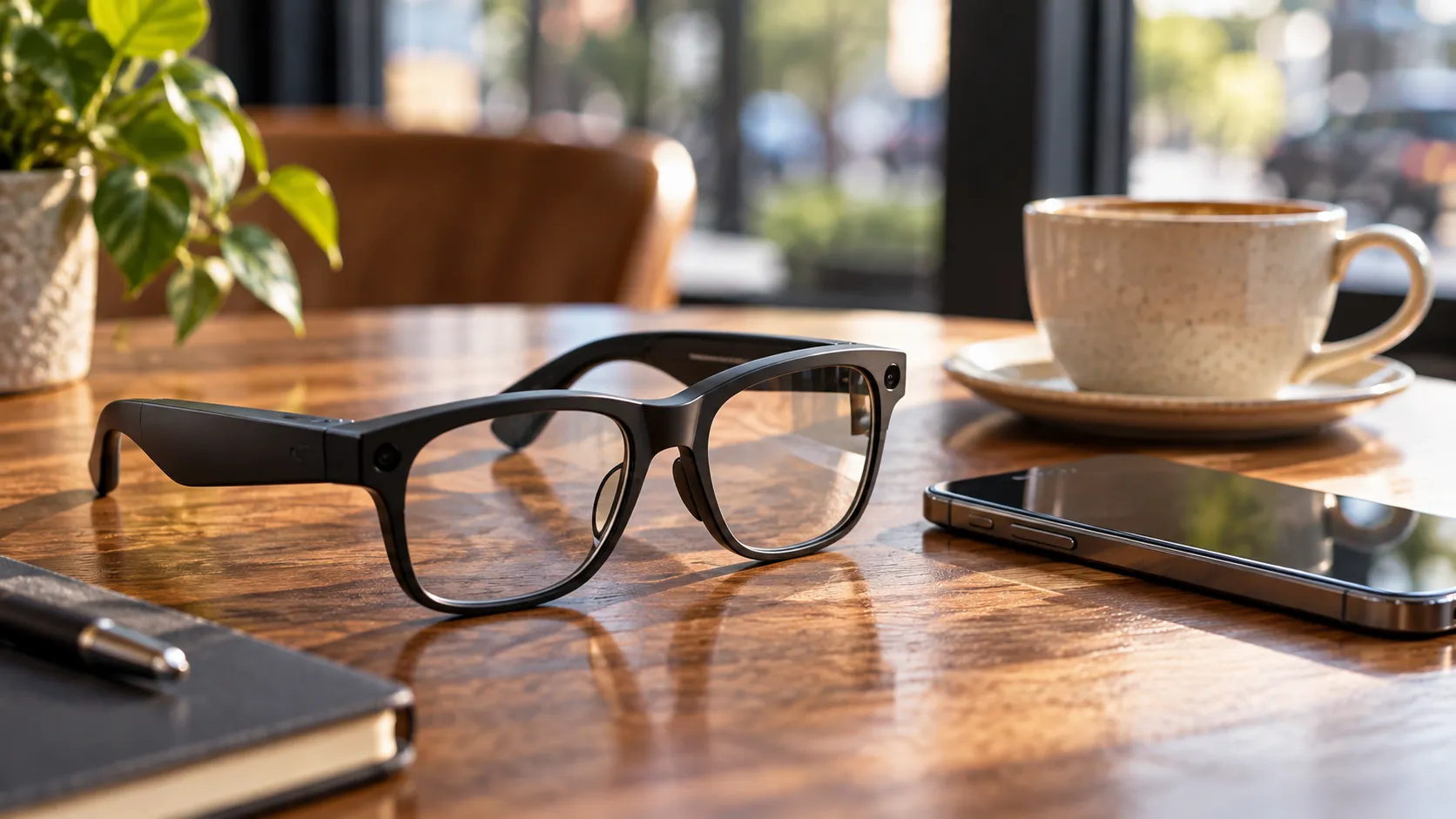
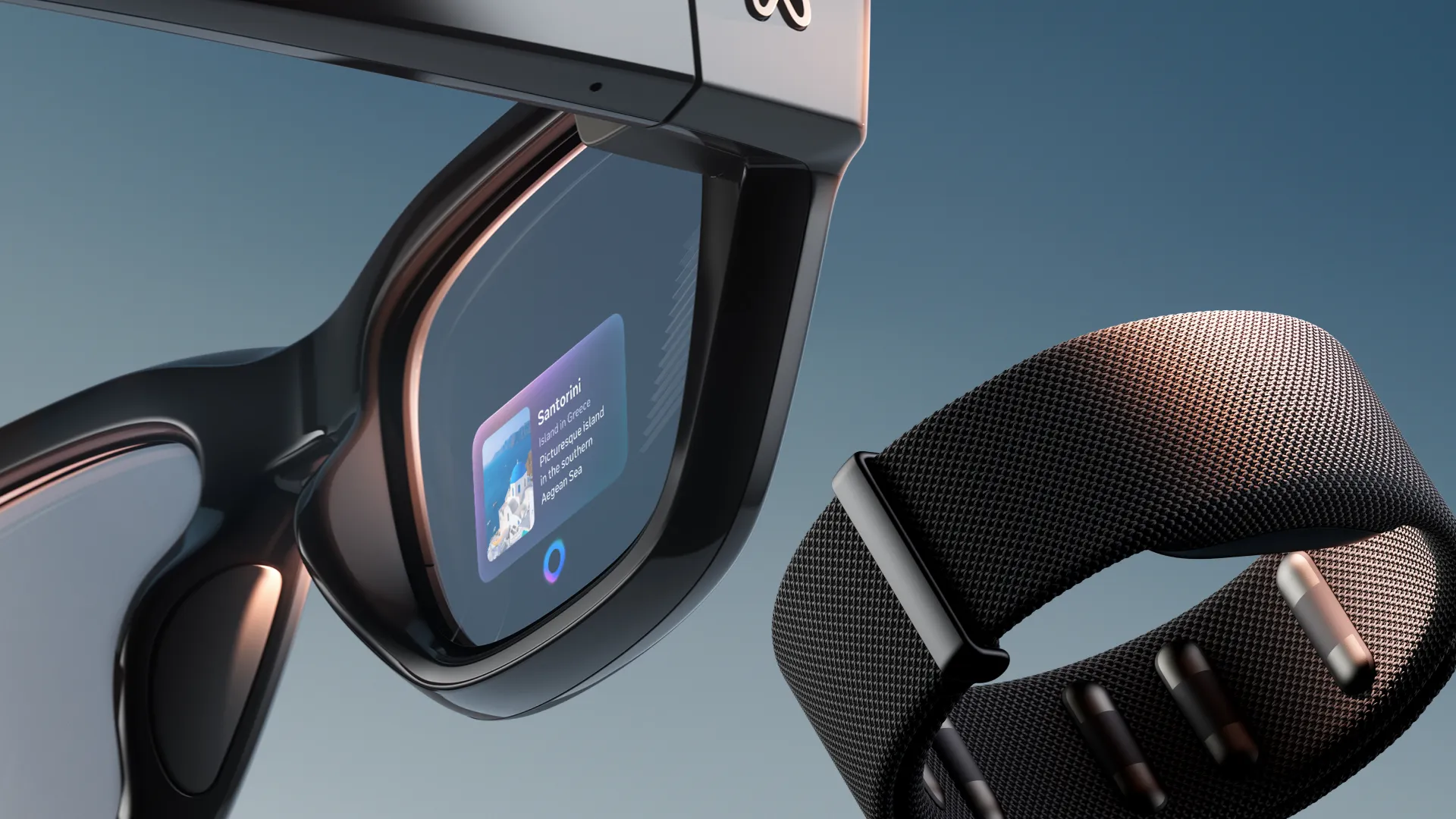
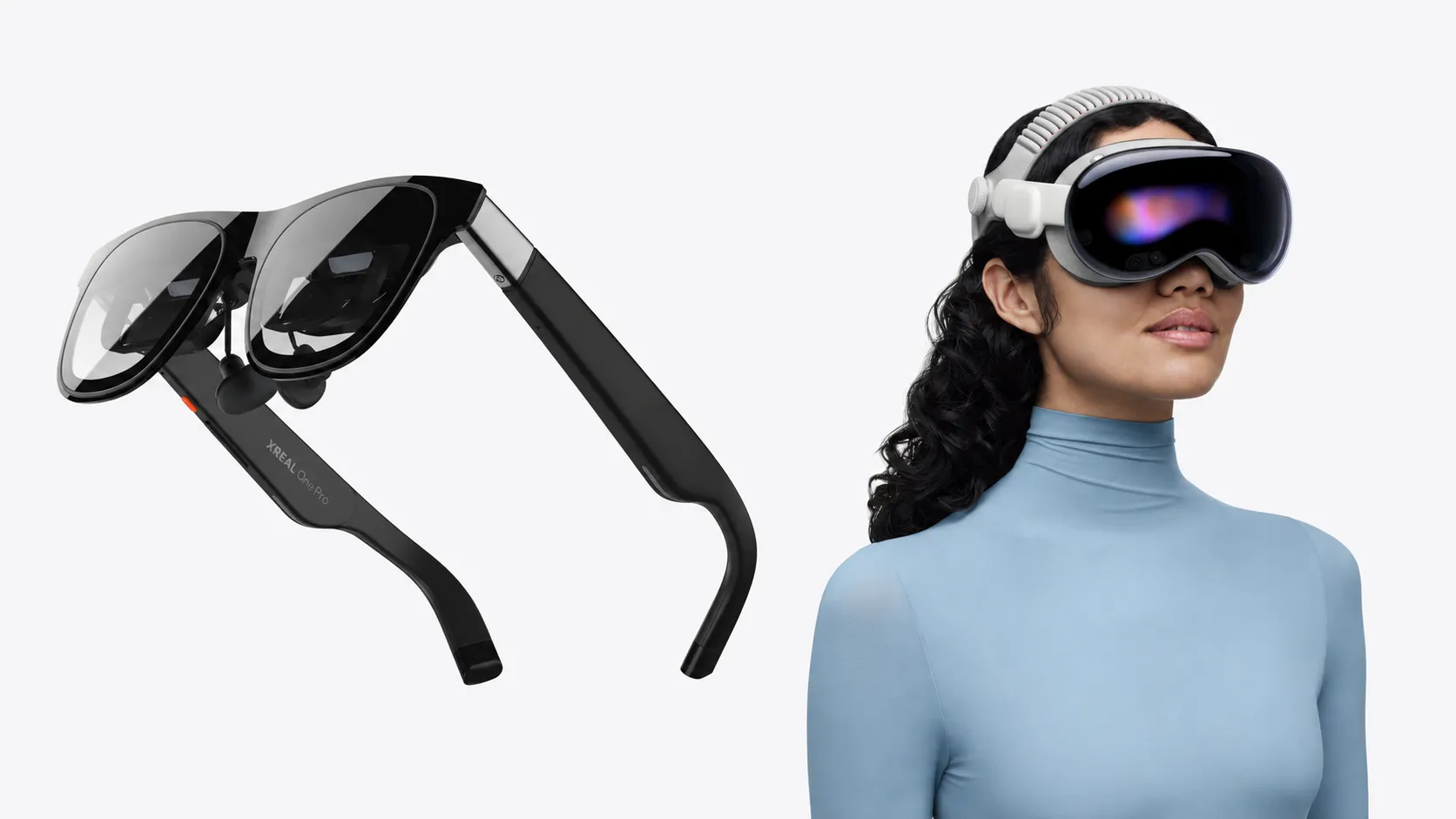
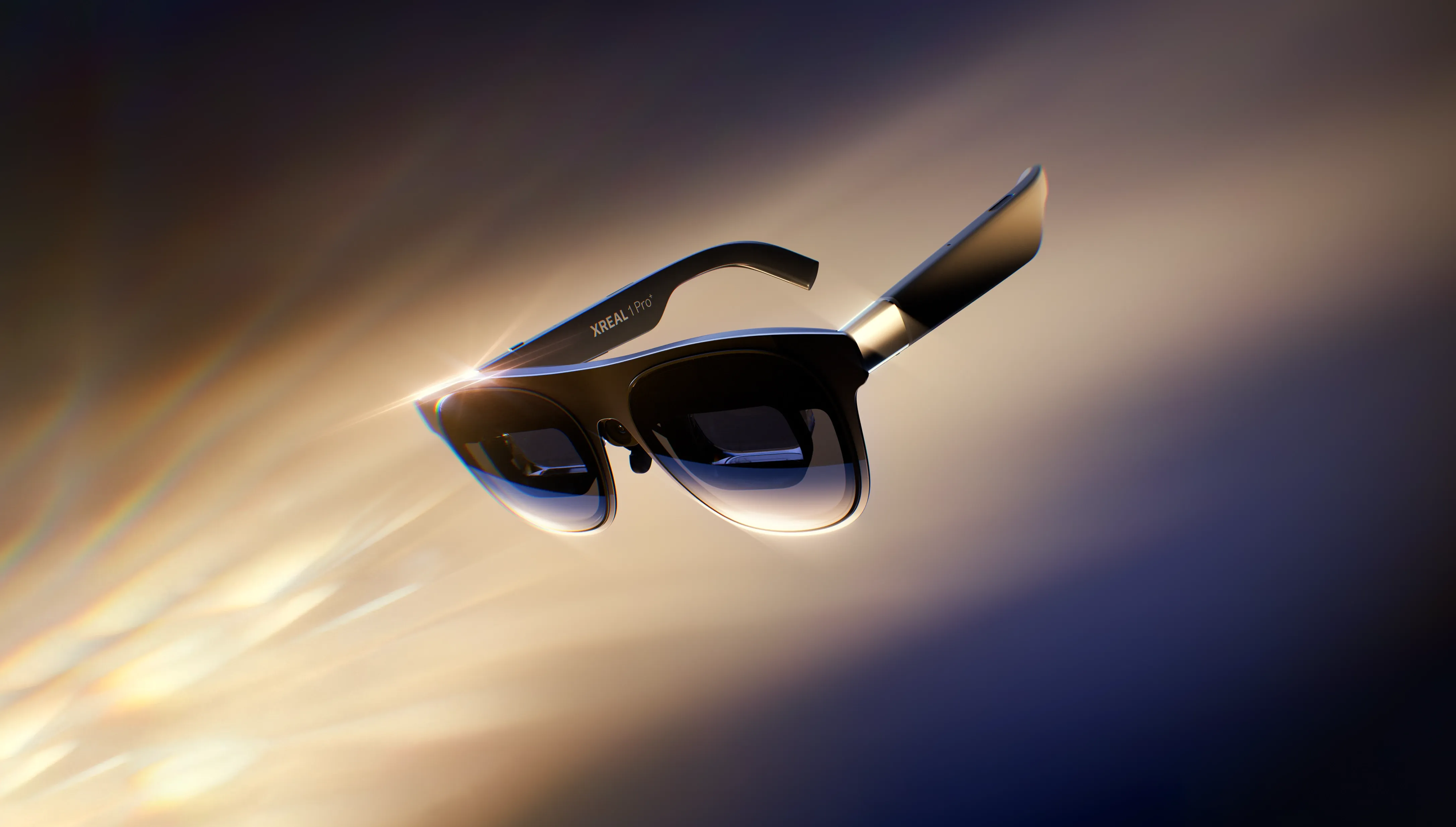
The company appears to be betting on a more focused, premium approach to VR hardware while simultaneously expanding into AI-powered smart glasses. These glasses feature displays within the lens that can describe what they see and translate text, representing a different path toward augmented reality experiences that may prove more immediately marketable than full VR immersion.
From a business perspective, this dual approach makes considerable sense. Smart glasses are easier to adopt socially—you can wear them in public without looking like you're from the future—and have clearer use cases for everyday productivity. They also don't require the same level of computing power as immersive VR experiences, potentially offering better unit economics from the start. Additionally, they're competing in a space where many industry players, including firms in China, are joining the race, suggesting real market momentum that could justify increased investment.
Meta's decision to suspend third-party partnerships ultimately reflects the challenging reality of building a sustainable VR business. With billions invested in virtual worlds over recent years and ongoing investor skepticism about the metaverse, the company is prioritizing proven approaches over experimental ecosystem expansion.
Whether this represents a temporary pause or a fundamental shift away from the Android-style open platform model remains to be seen. But it clearly signals Meta's intent to maintain tighter control over its VR destiny while the market continues to mature. For now, Zuckerberg and his team have decided that building the best possible first-party hardware and software is more important than rapidly expanding the ecosystem through partnerships—even if that means taking longer to challenge competitors who might be moving faster with a more distributed approach.





Comments
Be the first, drop a comment!