


How 3D and Mixed Reality Can Transform Bone Cancer Surgery
The operating room of tomorrow is already taking shape today. As surgeons worldwide grapple with the complex challenges of bone cancer treatment, a revolutionary wave of technology is reshaping how we approach some of medicine's most demanding procedures. Mixed reality and 3D visualization aren't just futuristic concepts—they're emerging as promising tools that could fundamentally transform patient outcomes in oncological surgery.
Let's explore how these cutting-edge technologies are revolutionizing bone cancer surgery, from pre-operative planning to post-surgical recovery, and why this convergence of digital innovation and medical expertise represents one of the most promising advances in modern oncology.
The Current Challenges in Bone Cancer Surgery
Bone cancer surgery has always been one of the most technically demanding fields in oncology. Surgeons must navigate intricate anatomical structures while ensuring complete tumor removal, preserving as much healthy tissue as possible, and maintaining structural integrity for optimal patient mobility.
Traditional surgical approaches rely heavily on 2D imaging from CT scans and MRIs, forcing surgeons to mentally reconstruct three-dimensional relationships in real-time. This cognitive load becomes particularly challenging when dealing with tumors located near critical structures like joints, major blood vessels, or nerve pathways.
The margin for error is razor-thin. Remove too little tissue, and cancer cells may remain. Remove too much, and patients face unnecessary functional limitations or complex reconstruction procedures. These decisions, made in split seconds during surgery, can profoundly impact a patient's quality of life for years to come.
PRO TIP: Understanding these fundamental challenges helps explain why mixed reality technology isn't just an enhancement—it's addressing critical gaps in how surgeons currently visualize and interact with patient anatomy during complex procedures.
How Mixed Reality Technology Works in Surgical Settings
Mixed reality in surgery represents a sophisticated blend of the physical and digital worlds. Unlike virtual reality, which creates entirely artificial environments, or augmented reality, which simply overlays digital information, mixed reality creates interactive experiences where digital objects can be manipulated as if they were physical.
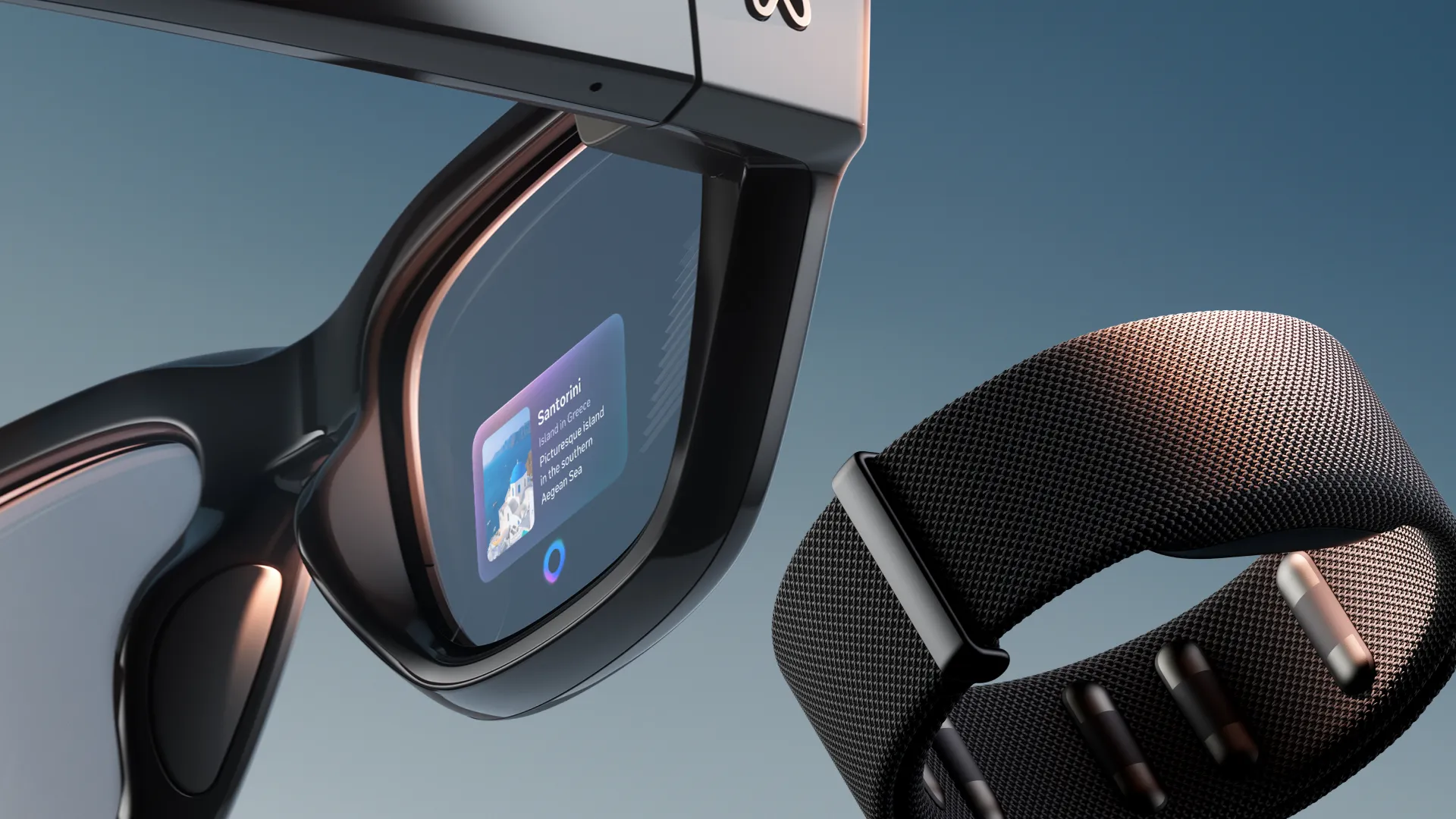
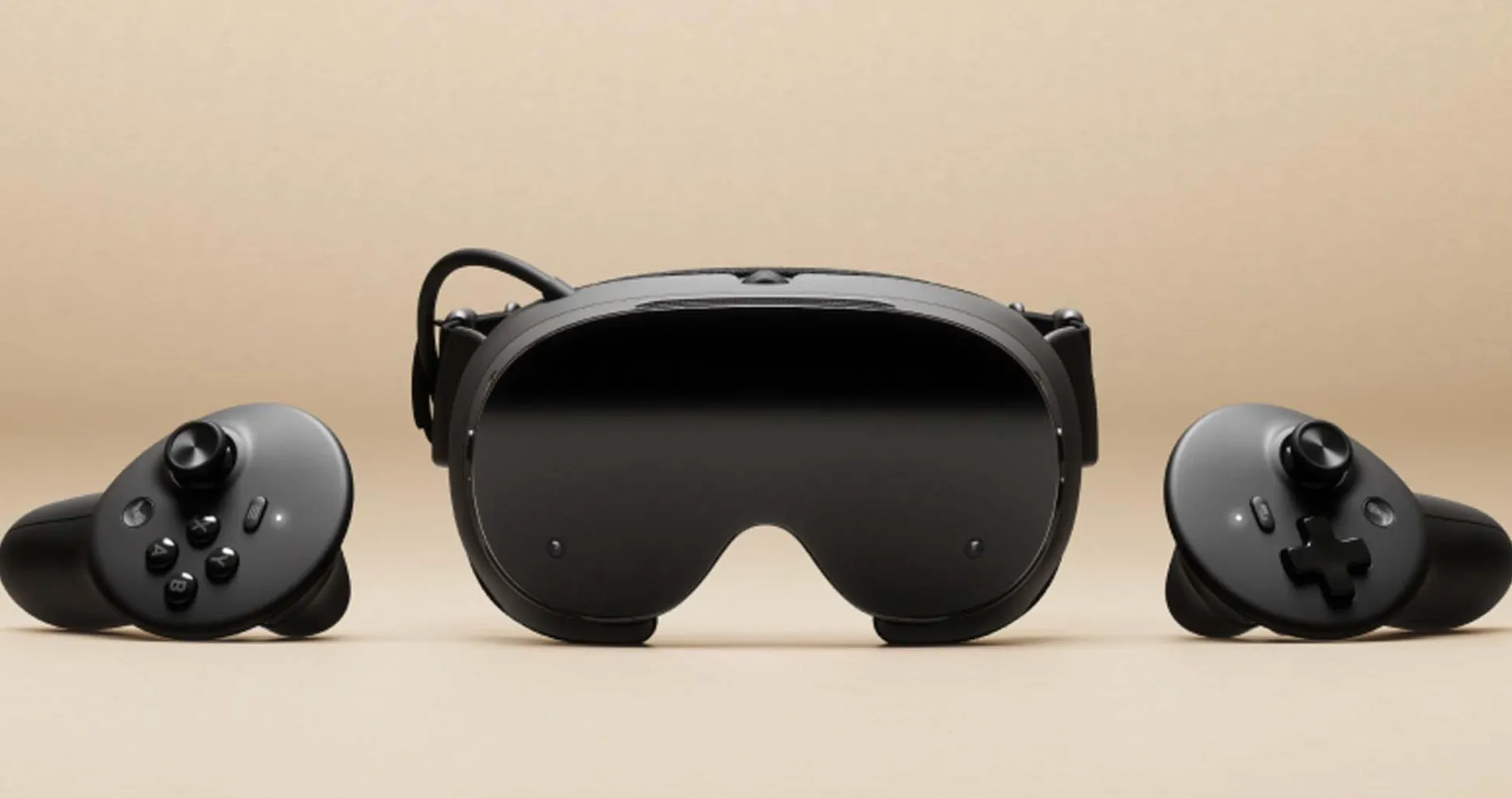
In the surgical context, this technology uses advanced imaging data to create precise 3D models of patient anatomy. These models can be viewed through specialized headsets like the Microsoft HoloLens or Magic Leap, allowing surgeons to see holographic representations of tumors, blood vessels, and bone structures superimposed directly onto the patient during surgery.
The system integrates real-time data from multiple sources: pre-operative imaging, intraoperative navigation systems, and live surgical feeds. This creates a comprehensive visual environment where surgeons can literally see through tissue to visualize tumor boundaries, plan cut lines, and anticipate anatomical variations before making any incisions.
What makes this particularly powerful for bone cancer surgery is the ability to manipulate these 3D models in real-time. Surgeons can rotate, zoom, and section virtual anatomy to understand spatial relationships that would be impossible to appreciate through traditional imaging alone.
Pre-Operative Planning Revolution
The transformation begins long before patients enter the operating room. Mixed reality technology is revolutionizing surgical planning by allowing medical teams to conduct virtual surgeries weeks before the actual procedure.
Using patient-specific imaging data, surgeons can create detailed 3D models that reveal tumor characteristics, bone density variations, and critical anatomical landmarks. These models can be shared across multidisciplinary teams, enabling collaborative planning sessions where oncologists, radiologists, and surgeons can virtually examine the same patient anatomy simultaneously.
This collaborative approach has profound implications for complex cases. Surgeons can practice challenging dissections, test different surgical approaches, and identify potential complications before ever touching the patient. The technology even allows for virtual implant fitting, ensuring that prosthetic devices or bone grafts will integrate properly with remaining anatomy.
The planning phase also extends to patient education. Families can better understand proposed procedures when they can see 3D visualizations of their loved one's specific anatomy and treatment plan. This enhanced communication builds trust and helps set appropriate expectations for surgical outcomes and recovery timelines.
Intraoperative Navigation and Precision
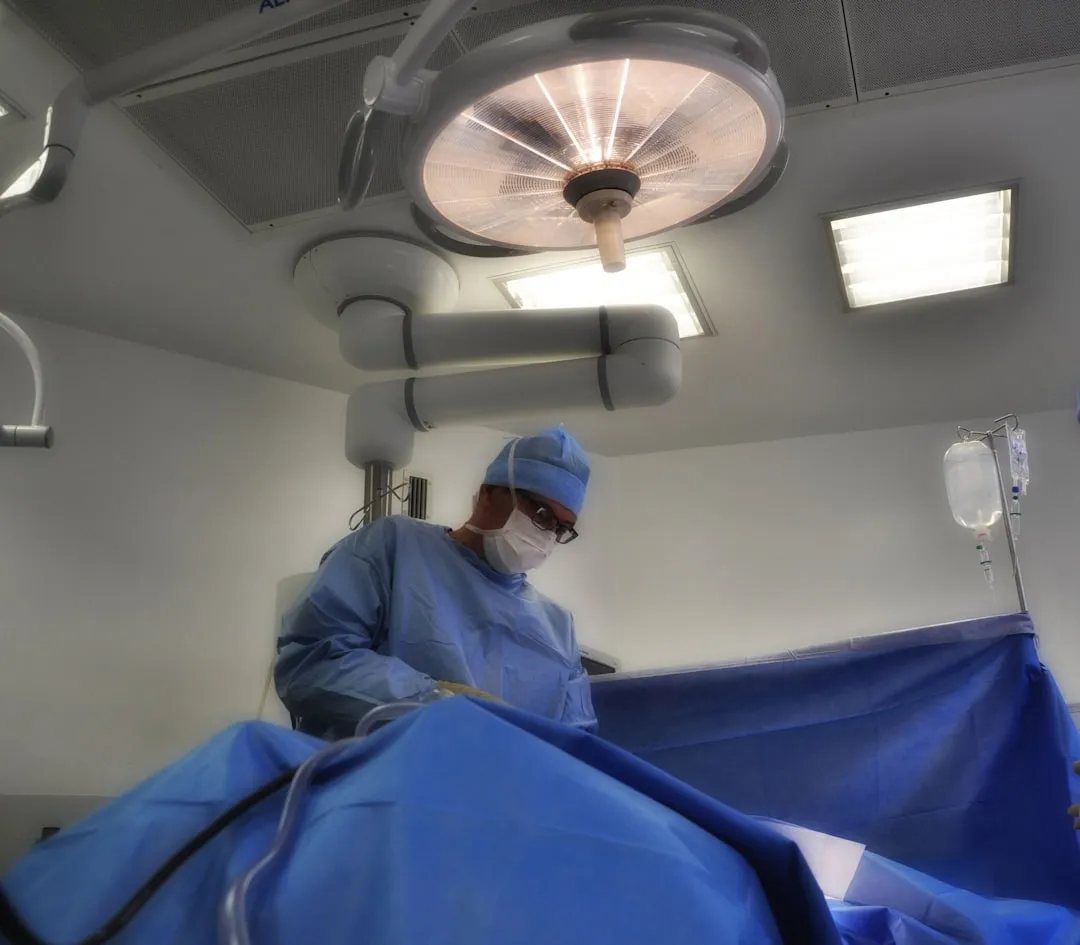
During surgery, mixed reality transforms the operating room into a data-rich environment where critical information is instantly accessible without breaking sterile protocols. Surgeons wearing mixed reality headsets can see holographic overlays showing tumor boundaries, vital structures, and planned resection margins directly on the surgical field.
This real-time guidance is particularly valuable during bone tumor resections, where preserving healthy tissue while achieving clear margins requires millimeter-level precision. The technology can highlight areas where bone density changes might indicate tumor infiltration, or show the three-dimensional relationship between the tumor and nearby neurovascular structures.
Navigation systems integrated with mixed reality can track surgical instruments in real-time, providing continuous feedback about cutting depth, angle, and proximity to critical structures. This is especially crucial during limb-salvage procedures, where the goal is removing the entire tumor while preserving as much functional anatomy as possible.
The technology also enables dynamic replanning during surgery. If intraoperative findings differ from pre-operative imaging—a common occurrence in complex cancer cases—surgeons can rapidly adjust their approach using updated 3D models that incorporate new information.
PRO TIP: The key advantage isn't just having more information—it's having the right information presented in an intuitive, spatially accurate way that reduces cognitive load during high-stress surgical moments.
Patient Outcomes and Recovery Benefits
Early adoption of mixed reality in bone cancer surgery is yielding measurable improvements in patient outcomes. Surgeons report increased confidence in achieving negative margins while preserving more healthy tissue, leading to better functional outcomes and reduced need for additional procedures.
The precision enabled by 3D visualization is particularly beneficial for pediatric bone cancer patients, where preserving growth plates and joint function is crucial for normal development. Mixed reality allows surgeons to make more conservative resections when appropriate, potentially avoiding amputations or complex reconstructive procedures.
Recovery times may also improve as more precise surgical planning reduces tissue trauma and allows for better-fitted prosthetic devices or bone grafts. When implants are virtually fitted pre-operatively and surgical approaches are optimized for minimal tissue disruption, patients often experience less post-operative pain and faster return to function.
The technology also supports post-operative monitoring by creating baseline models that can be compared to follow-up imaging, making it easier to detect recurrence or complications early in the recovery process.
Training and Skill Development
Mixed reality is transforming surgical education by providing unprecedented training opportunities for the next generation of bone cancer surgeons. Traditional surgical training relies heavily on observing procedures and gradually increasing responsibility under supervision. Mixed reality adds new dimensions to this learning process.
Residents and fellows can now practice complex procedures on virtual patients with the same spatial accuracy they'll encounter in real surgery. They can repeat challenging cases multiple times, experiment with different approaches, and receive immediate feedback on their performance—all without any risk to actual patients.
Experienced surgeons are also using mixed reality for continuing education, particularly when learning new techniques or working with unfamiliar tumor locations. The technology allows for mentorship and collaboration across geographic boundaries, with expert surgeons able to guide colleagues through complex procedures using shared virtual environments.
This enhanced training capability is crucial as bone cancer surgery becomes increasingly specialized and technique-dependent. Mixed reality ensures that surgical skills can be developed and refined in controlled environments before being applied in high-stakes clinical situations.
Current Limitations and Challenges
Despite its promise, mixed reality in bone cancer surgery faces several significant challenges that must be addressed for widespread adoption. The technology requires substantial infrastructure investment, including specialized hardware, software licensing, and ongoing technical support that many hospitals struggle to afford.
Integration with existing hospital systems remains complex. Mixed reality platforms must seamlessly connect with electronic health records, imaging systems, and surgical navigation equipment—a technical challenge that often requires custom development and extensive testing.
The learning curve for surgical teams can be steep. While digital natives may adapt quickly to mixed reality interfaces, experienced surgeons who are comfortable with traditional techniques may require significant training and practice before feeling confident with new technology workflows.
Regulatory approval processes for medical mixed reality applications are still evolving. While the FDA has approved some applications, the regulatory pathway for new innovations can be lengthy and expensive, potentially slowing the development of more advanced capabilities.
There are also practical considerations around sterile technique and workflow integration. Current mixed reality headsets weren't designed specifically for surgical environments, leading to challenges around sterilization, battery life, and ergonomics during long procedures.
The Future of Mixed Reality in Oncological Surgery
Looking ahead, several exciting developments promise to further enhance mixed reality applications in bone cancer surgery. Artificial intelligence integration could provide real-time analysis of tissue characteristics, automatically highlighting areas of concern or suggesting optimal resection strategies based on vast databases of similar cases.
Haptic feedback technology is advancing rapidly, potentially allowing surgeons to "feel" virtual anatomy during planning phases or receive tactile guidance during actual procedures. This could add crucial sensory information to the visual enhancements that mixed reality already provides.
5G networks and edge computing could enable real-time collaboration between surgical teams at different hospitals, allowing expert consultations during complex procedures or facilitating proctoring relationships for rare tumor types that individual institutions may encounter infrequently.
The development of surgical-specific mixed reality devices designed from the ground up for operating room use could address many current limitations around ergonomics, sterility, and workflow integration.
Machine learning algorithms trained on outcomes data could eventually provide predictive models that help surgeons choose optimal approaches for individual patients based on tumor characteristics, patient anatomy, and historical results from similar cases.
Implementation Strategies for Healthcare Systems
Healthcare institutions considering mixed reality adoption for bone cancer surgery should approach implementation strategically. Starting with pilot programs focused on specific applications—such as pre-operative planning for complex cases—allows teams to develop expertise while demonstrating value before broader system-wide deployment.
Successful implementation requires multidisciplinary collaboration between surgeons, IT departments, biomedical engineers, and hospital administration. Each group brings essential perspectives on clinical workflow, technical requirements, and operational considerations that must be addressed for successful adoption.
Training programs should begin well before technology deployment, allowing surgical teams to develop comfort with mixed reality interfaces in low-pressure environments. Simulation-based training can build confidence and identify workflow issues before live patient cases.
Partnerships with technology vendors and academic medical centers can provide access to expertise and resources that individual hospitals might not possess internally. These collaborations can also help institutions stay current with rapidly evolving capabilities and best practices.
Financial planning should account for not just initial technology costs, but ongoing expenses for software updates, technical support, and staff training. Developing business cases that demonstrate return on investment through improved outcomes, reduced complications, or enhanced efficiency can help justify these investments.
PRO TIP: Start small, think big, and move fast. The institutions that begin building mixed reality capabilities now may be better positioned to take advantage of more advanced features as the technology continues to evolve.
Conclusion: A New Era in Precision Surgery
Mixed reality technology represents more than just another tool in the surgical arsenal—it's a fundamental shift toward data-driven, precision medicine that could transform how we approach bone cancer surgery. By providing surgeons with unprecedented visualization capabilities and enabling more precise, confident decision-making, these technologies promise to improve outcomes for some of medicine's most challenging cases.
The convergence of 3D imaging, real-time navigation, and immersive visualization creates opportunities that were unimaginable just a few years ago. As the technology continues to mature and adoption barriers decrease, we're likely to see mixed reality become as essential to modern bone cancer surgery as microscopes and imaging systems are today.
For patients and families facing bone cancer diagnoses, this technological evolution offers genuine hope for better outcomes, preserved function, and improved quality of life. The future of oncological surgery isn't just about cutting-edge technology—it's about using that technology to provide more precise, personalized, and effective care when it matters most.
The transformation is just beginning, but the early results suggest we're witnessing the dawn of a new era in precision surgery. As these technologies continue to evolve and integrate into clinical practice, they hold the promise of turning today's most challenging surgical cases into tomorrow's routine procedures, performed with a level of precision and confidence that benefits every patient who needs them.













Comments
Be the first, drop a comment!