


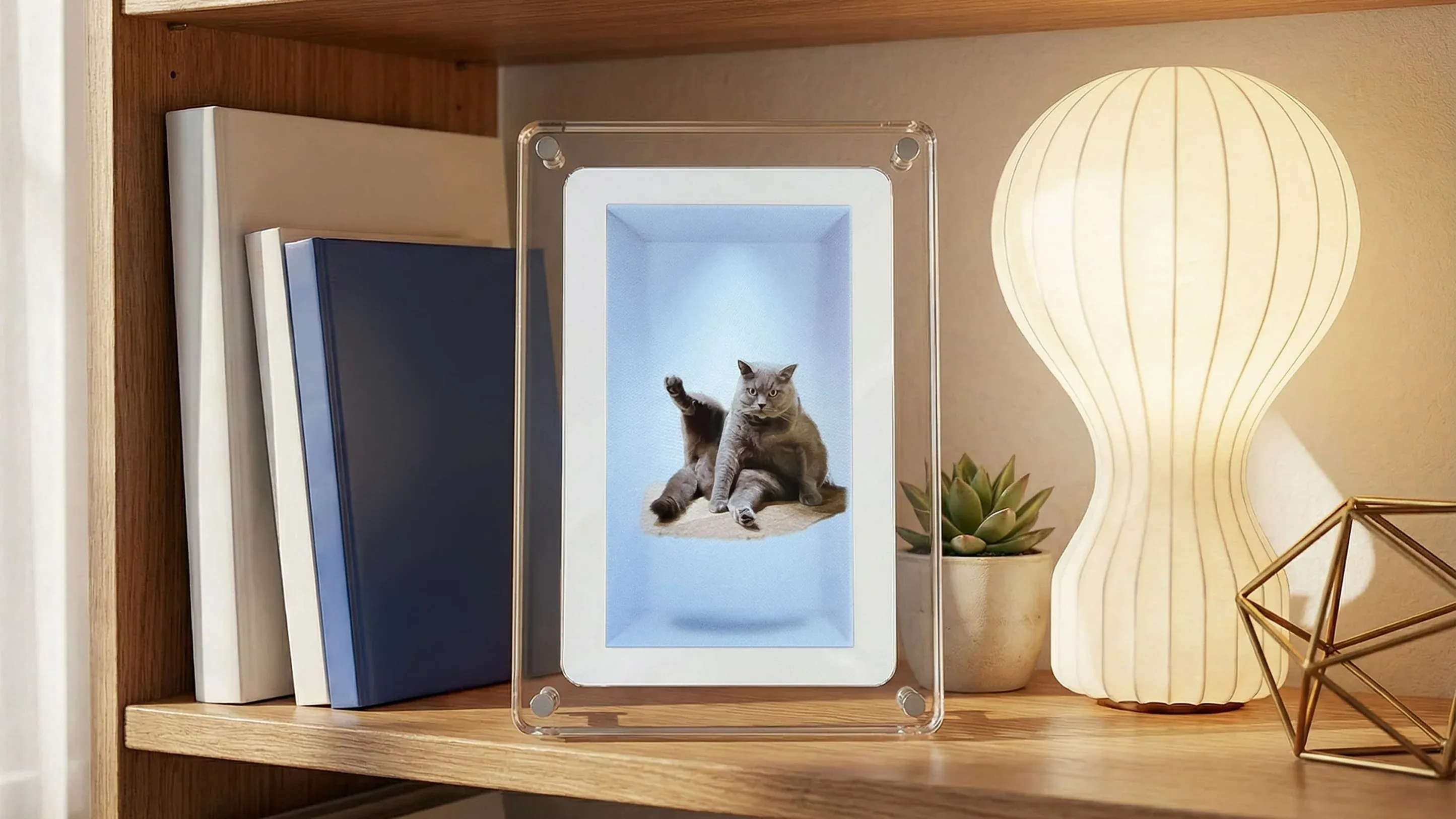
Looking Glass has introduced a device that could reshape how we experience digital memories in three dimensions. The company's new Musubi digital picture frame is an entry point into holographic technology for everyday consumers. Through AI-powered transformation of regular photos and videos into spatial content, this device aims to bridge the gap between current 2D displays and the immersive visual experiences we've long imagined for the future.
What makes light-field displays different from regular screens?
Here's where things get interesting: traditional displays are essentially elaborate illusions. They show flat images that our brains interpret as having depth, but light-field technology actually recreates how light travels through space. It's the difference between looking at a painting of a landscape and looking out a window at the actual landscape.
Looking Glass frames generate multiple viewing angles simultaneously, allowing viewers to see around objects and experience genuine three-dimensional depth without glasses or headsets. When you tilt your head to the left while looking at a regular photo, nothing changes—the perspective stays exactly the same. But with these light-field displays, you can actually peek around the corner of objects, just like you would in real life.
While stereoscopic 3D systems simply present different images to each eye to create an illusion of depth, light-field displays recreate the actual light rays that would bounce off real objects in space. The technical implementation involves a lenticular lens array positioned over a high-resolution display panel. Think of it as thousands of tiny magnifying glasses, each directing different pixels to different viewing angles, creating what appears to be a window into a three-dimensional scene.
This fundamental difference in approach—recreating actual light behavior rather than tricking our visual perception—is what enables the natural head-tracking experience that makes light-field displays feel genuinely three-dimensional.
How AI transforms your regular photos into spatial experiences
Building on that light-field foundation, Musubi's most compelling feature lies in its ability to convert standard 2D content into those multiple viewing angles using artificial intelligence. The AI analyzes depth cues, shadows, and perspective information within regular photographs to generate convincing spatial representations—essentially reverse-engineering what the scene might have looked like from the different angles that the light-field display needs.
The process is surprisingly sophisticated. The AI system looks for clues that humans naturally use to perceive depth: how objects overlap, how shadows fall, how things get smaller as they recede into the distance. Then it reconstructs the missing visual information for each of those thousands of viewing angles the lenticular lens array requires.
This transformation works with both photos and videos, though the quality depends heavily on source material composition. Images with clear foreground and background separation—like portraits with blurred backgrounds or landscapes with distinct layers—typically produce more convincing results than flat, evenly-lit photographs. The transformation happens locally on the desktop software, ensuring personal photos don't need cloud processing.
For video content, the computational challenge intensifies significantly. The AI must analyze motion patterns and depth information across multiple frames while generating all those precomputed viewing angles, creating smooth spatial transitions that maintain temporal consistency across the light-field display.
Real-world applications beyond digital nostalgia
The combination of glasses-free 3D viewing and AI-powered content conversion opens possibilities that extend far beyond traditional picture frames. Educational applications could transform how students engage with complex subjects—examining three-dimensional historical artifacts, scientific specimens, or architectural structures without specialized software or equipment.
Medical professionals could potentially leverage these displays for patient communication, using three-dimensional anatomical models that patients can view from multiple angles to better understand conditions or treatments. The spatial depth makes complex medical imaging data more intuitive than flat X-rays or MRI printouts.
For creative professionals working in architecture, product design, or 3D modeling, these displays offer immediate spatial feedback on their work. Instead of rotating models on computer screens, they can examine designs from natural head movements, potentially streamlining the review process and catching design issues that aren't apparent in traditional 2D previews.
The technology also suggests new possibilities for family communication, where relatives could share spatial moments that feel more present than traditional photographs—though this application would require broader adoption of spatial content creation tools across consumer devices.
Pro tip: The effectiveness of any application depends heavily on content quality. Well-composed photos with natural depth variation will always produce more compelling spatial results than flat, uniformly-lit images.
Privacy considerations in AI-powered photo processing
The sophisticated AI analysis required for spatial conversion raises important privacy considerations that integrate directly with the device's core functionality. While local processing addresses some concerns about cloud-based photo analysis, the computational power required for depth reconstruction means the AI must analyze personal photos in considerable detail.
Beyond simple depth mapping, these AI systems could potentially extract facial recognition data, identify locations, and analyze behavioral patterns visible in photos. Even with on-device processing, questions remain about how long processed spatial data is stored, whether it could be synchronized with other devices, and what happens to the 3D models the AI creates from personal content.
The privacy implications become more complex when considering that spatial content contains more visual information than the original 2D photos. A three-dimensional reconstruction might reveal details about room layouts, valuable objects, or personal habits that weren't immediately apparent in the source images.
Transparency about AI model functionality, clear data handling policies, and granular user controls over content processing become essential for building consumer trust in this emerging category of AI-powered display devices.
Where spatial displays fit in the broader tech landscape
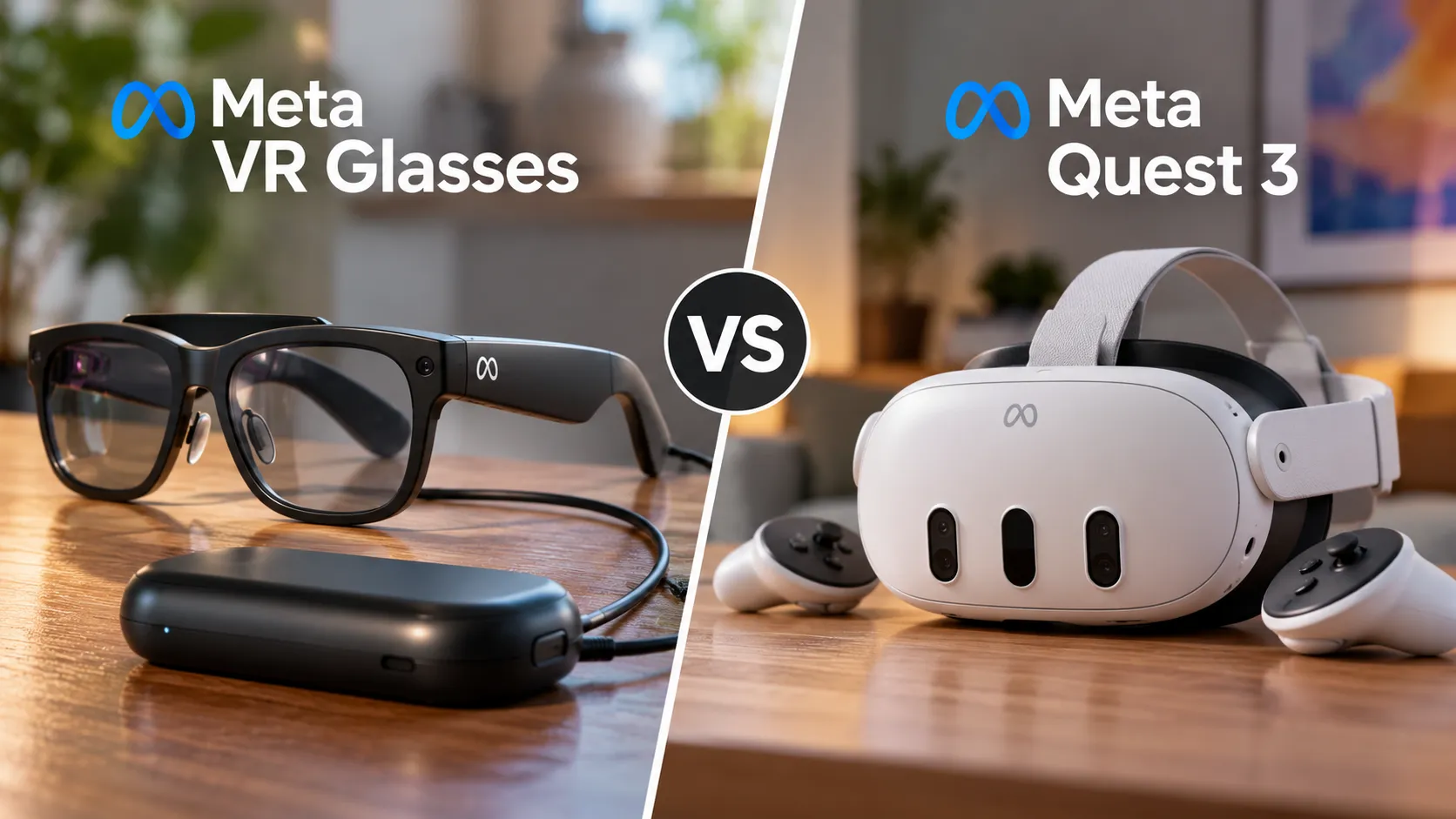
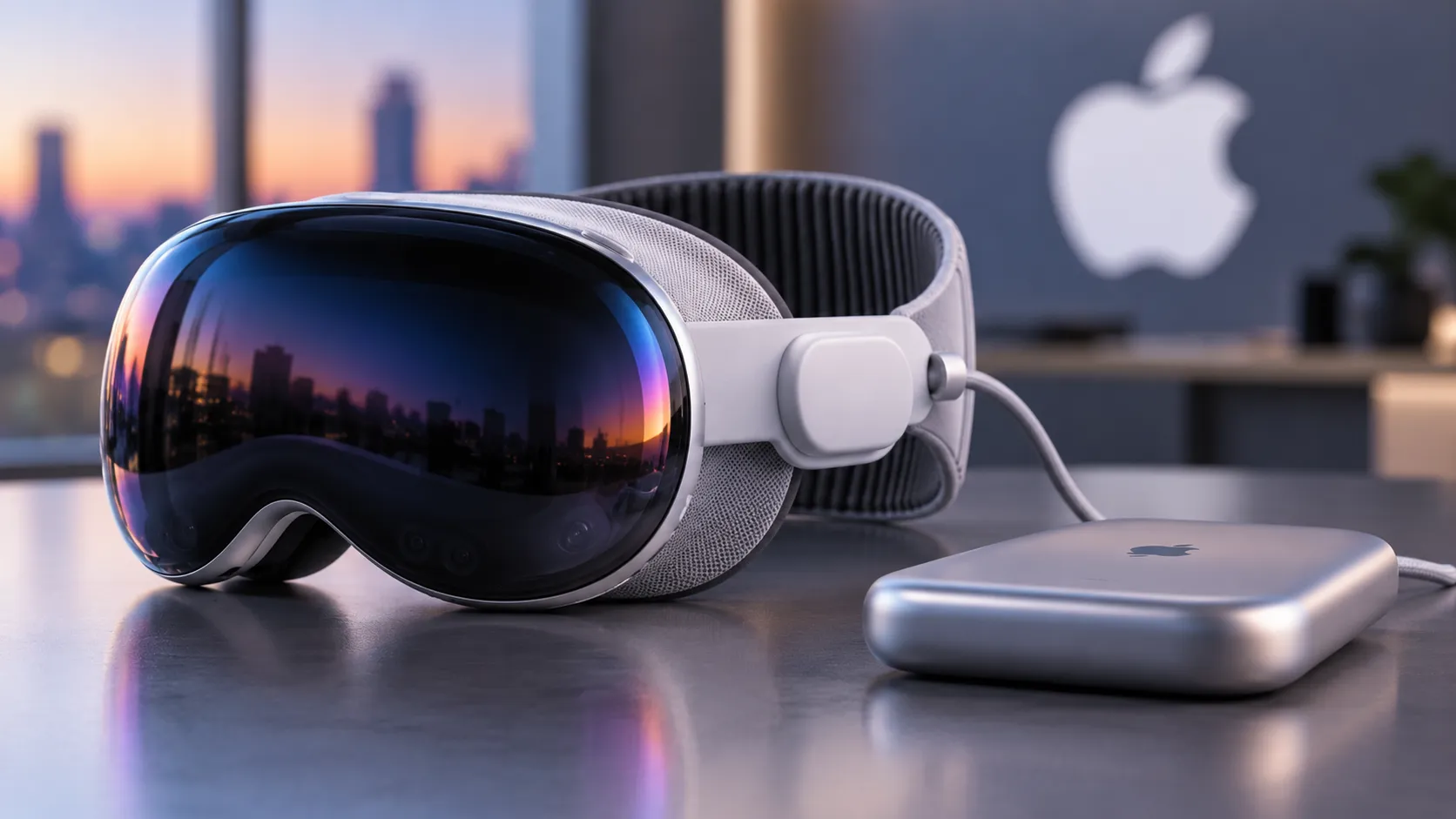
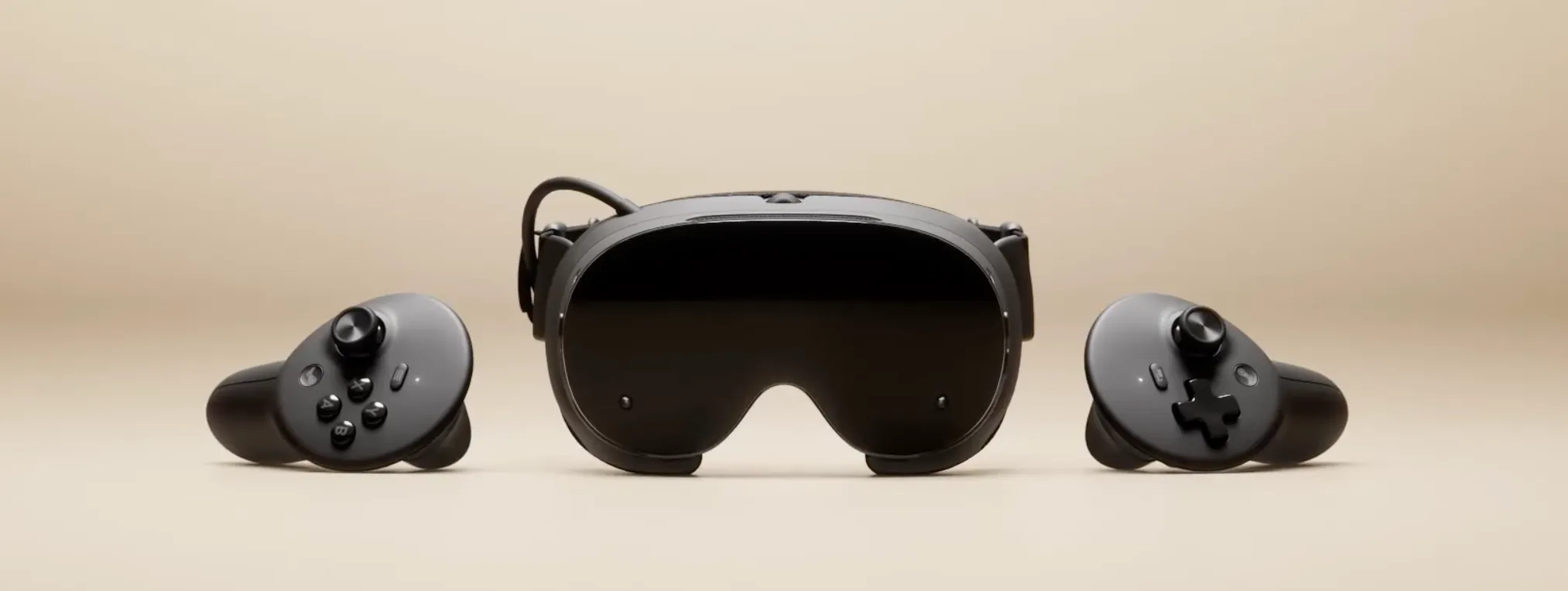
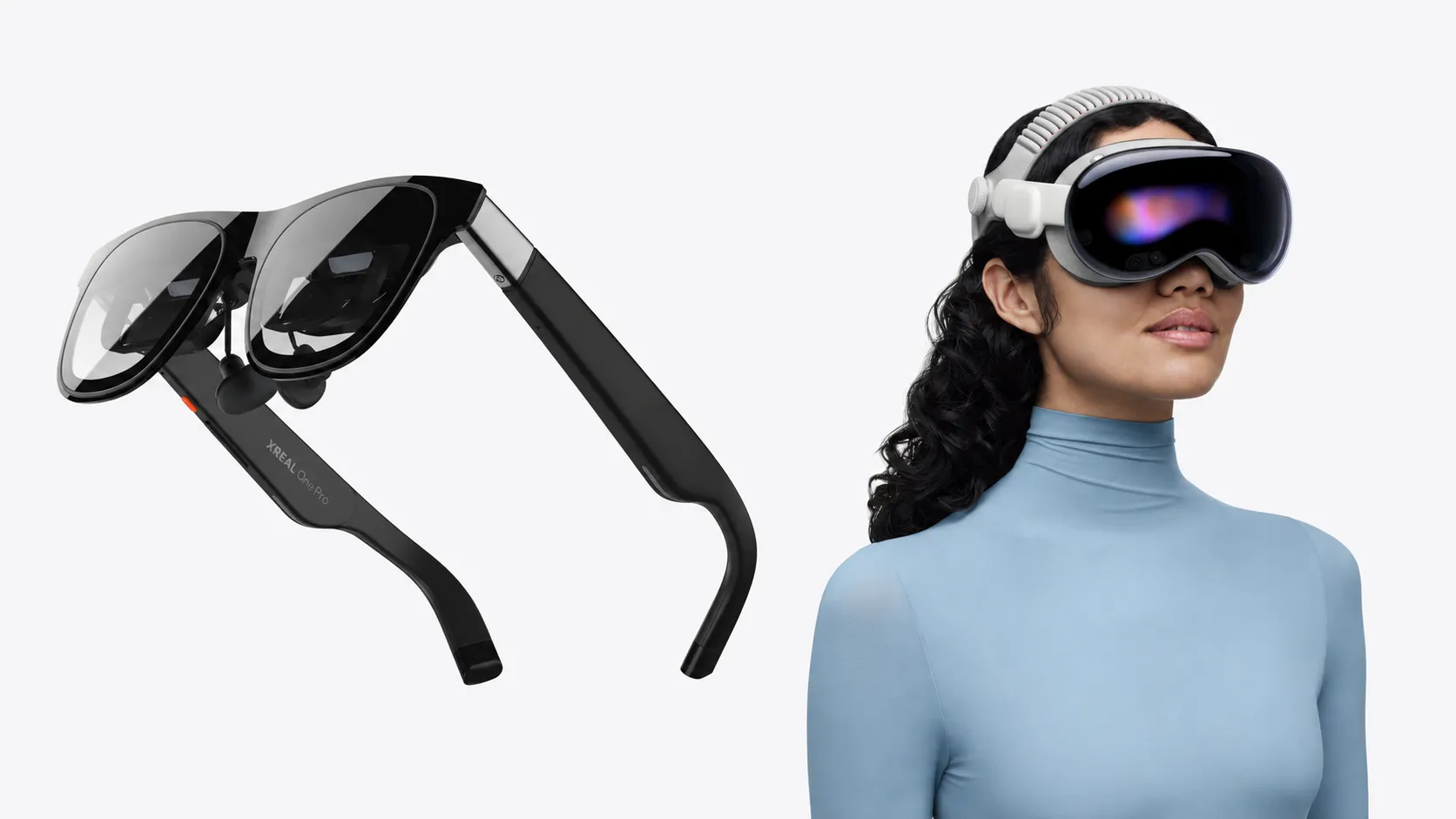
Consumer-accessible holographic displays like Musubi represent a glasses-free alternative in an increasingly crowded spatial computing landscape. While companies like Apple and Meta focus on headset-based immersive experiences, light-field displays offer spatial content viewing without requiring specialized equipment from every viewer.
This creates interesting possibilities for content ecosystem development. Spatial content captured with AR headsets could be processed and displayed on devices like Musubi, making 3D experiences accessible to people without expensive hardware. It's a more inclusive approach to spatial content sharing than requiring universal headset adoption.
Market success will likely depend on the broader integration of depth-sensing capabilities in consumer devices. As smartphones and cameras continue improving their spatial capture capabilities, the source material for light-field displays should improve correspondingly, creating a positive feedback loop between content creation and display quality.
The convergence of advancing AI processing, improving display technology, and growing consumer familiarity with spatial computing concepts through VR and AR experiences suggests that glasses-free 3D displays could transition from novelty items to practical communication and entertainment tools.
Is this the beginning of mainstream holographic adoption?
Musubi represents a critical test case for consumer appetite for spatial display technology outside gaming and professional applications. Early adopters will essentially be beta testing not just a product, but an entire category of consumer electronics that could reshape how we interact with digital content daily.
The success or failure of devices like this will likely influence whether major technology companies invest more heavily in glasses-free 3D display development. Strong consumer interest could accelerate the appearance of spatial displays in tablets, laptops, and potentially smartphones.
The real question isn't whether the technology works—it demonstrably does—but whether the value proposition is compelling enough for mainstream adoption. Will people find sufficient utility in seeing their photos spatially to justify new hardware and workflows? Will content creators embrace spatial formats broadly enough to create a sustainable ecosystem?
We're at one of those fascinating inflection points where the technical pieces are converging—better AI, improved displays, growing spatial computing familiarity—but market demand remains uncertain. Devices like Musubi will help determine whether glasses-free holographic displays become the next major interface evolution or remain an impressive niche technology. The answer will emerge one converted family photo at a time.




Comments
Be the first, drop a comment!