


Reviewed by: Y. Garcia
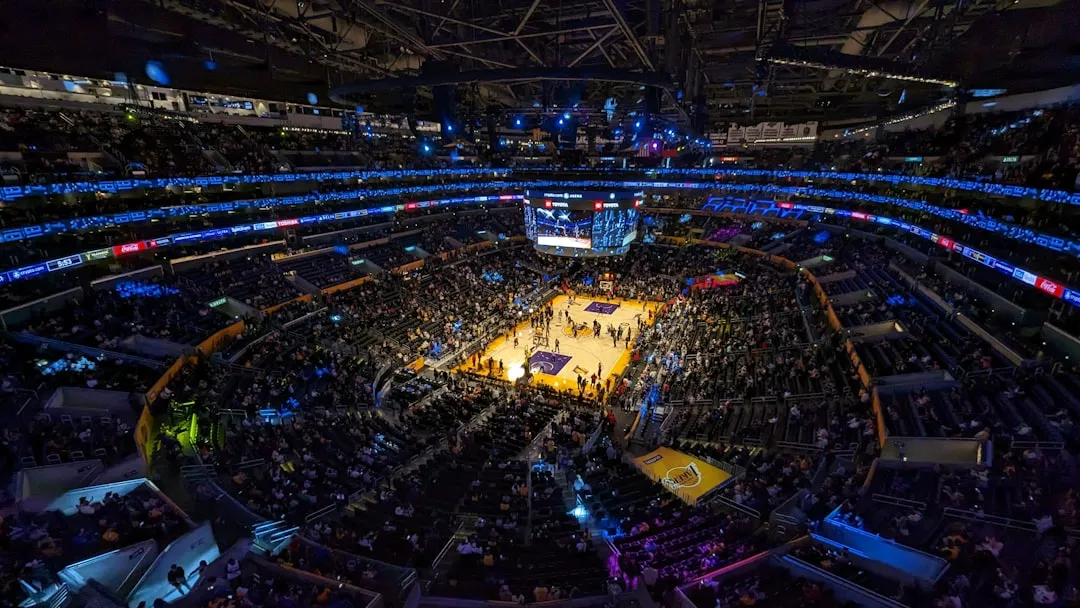
There's something magical happening at Crypto.com Arena starting Jan. 9, 2026. You walk into your living room, slip on your Vision Pro, and suddenly you're not just watching the Lakers — you're sitting courtside, feeling the thud of LeBron's sneakers on the hardwood, hearing the strategic chatter between teammates during a crucial possession. This isn't some distant fantasy about the future of entertainment. It's happening right now, and it represents one of the most significant shifts in how we experience live sports since the invention of television itself.
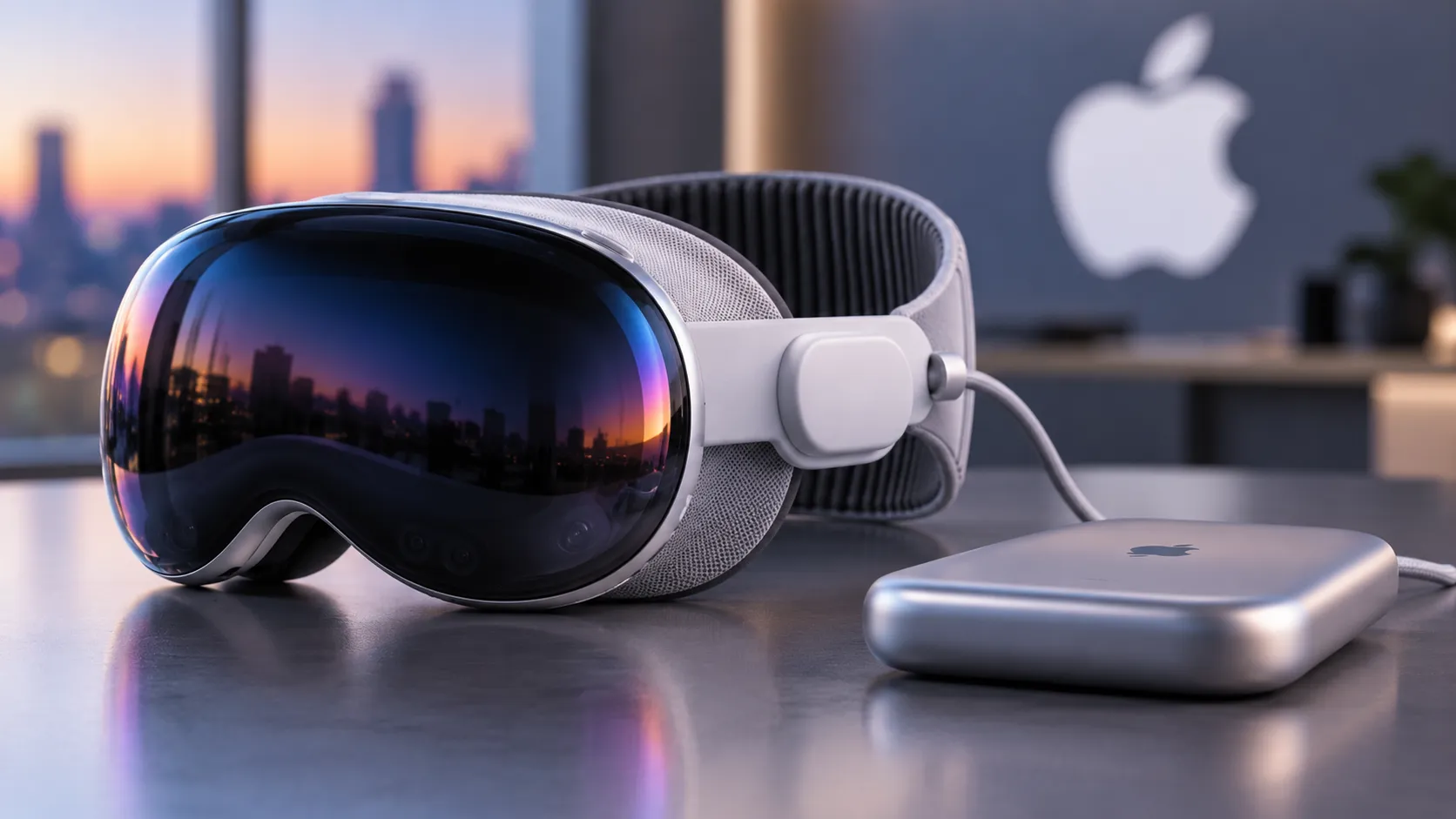
Apple has partnered with the NBA and Spectrum SportsNet to deliver immersive Lakers games via Apple Vision Pro, bringing six Lakers games captured in 180-degree immersive video directly to fans' headsets. What makes this different from every other "revolutionary" sports viewing experience we've been promised? The technical execution is genuinely impressive, and more importantly, it actually works as advertised. This partnership demonstrates how cutting-edge camera technology can unlock basketball dynamics that physical attendance and traditional broadcasting simply cannot reveal.
The technical magic behind immersive basketball
Here's where things get interesting from a technical standpoint. Apple isn't just slapping some 360-degree cameras around the arena and calling it immersive. They've built something considerably more sophisticated that addresses the unique challenges of capturing basketball's lightning-fast gameplay. Apple Immersive Video delivers 180-degree 8K recordings captured with Spatial Audio, which sounds impressive on paper, but the real magic happens in how all these components work together to preserve every crossover dribble and defensive rotation.
The production infrastructure is built around specialized Blackmagic Design's URSA Cine Immersive Live camera system positioned strategically throughout the stadium, capturing multiple simultaneous feeds that need to be synchronized with precision timing. We're talking about streams operating at bitrates up to 150 Mbps, which is significantly higher than what you get from conventional sports streaming. That extra bandwidth becomes crucial when you're trying to preserve the detail in basketball's most critical moments — every subtle defensive adjustment, every off-ball movement that sets up the perfect play.
The synchronized multi-angle playback system takes this foundation and adds real-time intelligence. Each camera feed is time-aligned and spatially mapped, allowing seamless perspective switching without rebuffering, which means you can instantly shift from the scorer's table to under the basket during a fast break without losing the flow of the action. The Vision Pro acts as a real-time compositor, dynamically adjusting lighting, scale, and depth as you move between viewpoints — essential for maintaining the illusion that you're physically present during intense fourth-quarter sequences.
The spatial audio implementation transforms ambient arena noise into strategic information. Ambisonic microphone arrays distributed throughout the arena don't just capture crowd reactions — they reveal the communication patterns that define elite basketball. As you turn your head or switch viewing angles, player calls, referee discussions, and coaching instructions adjust dynamically, letting you hear the verbal chess match that unfolds alongside the physical game.
Seven perspectives that transform the viewing experience
Traditional basketball broadcasts give you whatever angle the director chooses at any given moment. You might get frustrated when the camera cuts away during a crucial defensive adjustment, or wish you could see how a pick-and-roll develops from the screener's perspective. Apple's immersive approach eliminates these limitations while revealing basketball intelligence invisible to conventional coverage.
Games feature seven different viewing angles including the scorer's table, beneath each basket, high-and-wide arena views, the player tunnel, broadcast booth, and roaming courtside perspectives. These aren't just different camera positions — they're strategic vantage points that unlock basketball's tactical complexity. Some positions provide access that's closer than courtside seats with wide field of view stereoscopic views that reveal how spacing creates scoring opportunities and how defensive rotations develop in real-time.
From the under-basket perspective, you can watch post moves develop from floor level, seeing how players use their bodies to create leverage and position — subtleties that even expensive courtside tickets can't fully reveal. The scorer's table angle combines broadcast-quality strategic overview with immersive depth, letting you track how coaches react to specific matchups and momentum shifts. The player tunnel access shows pre-game rituals and between-quarter discussions that provide insight into team dynamics and leadership patterns.
What's particularly clever about the coverage approach is how it extends beyond pure gameplay. Broadcasts feature special pre-game introductions, team huddles, and in-arena entertainment, while timeouts, halftimes, and breaks remain live inside the arena rather than cutting away. This continuity allows viewers to observe coaching adjustments during timeouts, player body language during crucial moments, and the psychological elements that influence game outcomes — aspects of basketball that traditional broadcasts typically miss.
The visual presentation integrates in-game 3D graphics including lower thirds, player rosters, game clocks, shot clocks, and scores as spatial elements that enhance rather than obstruct your view, providing statistical context without breaking the courtside immersion.
Access, availability, and the viewing ecosystem
Getting access to these immersive Lakers games involves navigating a distribution system that balances cutting-edge technology delivery with traditional broadcast territory restrictions. Live games are accessible to authenticated Spectrum SportsNet subscribers in the Lakers' broadcast territory, encompassing Southern California, Hawaii, Las Vegas, and parts of southern Nevada, creating an initial testing ground for this premium sports technology.
For fans outside those regions, access comes through a time-shifted model that still preserves the immersive experience. Full-game replays and highlights become available as early as 24 hours after each game through both the Spectrum SportsNet and NBA apps, while international accessibility extends to users in Japan, Singapore, and South Korea who can access live games using the NBA app with a free NBA ID.
The technical requirements reflect the premium nature of this experience. You'll need visionOS 26 or later and access through either the Spectrum SportsNet app or NBA app on Vision Pro, plus the $3,499 Vision Pro headset itself. When you consider that courtside Lakers seats can cost thousands of dollars per game, the technology investment begins to make economic sense for dedicated fans who want consistent access to this level of basketball immersion.
The broadcast team demonstrates Apple's commitment to native immersive content rather than adapted traditional coverage. Emmy Award-winning play-by-play commentator Mark Rogondino and former Lakers forward Danny Green provide commentary specifically designed for spatial viewing, acknowledging different camera perspectives and guiding viewers through tactical elements visible from unique angles.
What this means for the future of sports entertainment
This Lakers partnership signals a fundamental market transition that extends far beyond basketball. We're witnessing a market for live event consumption that's at a technological inflection point, moving from passive two-dimensional viewing to active, spatially-aware immersive experiences that respond to individual viewing preferences and provide access to perspectives impossible through physical attendance.
The economic drivers accelerating this shift create genuine market opportunity. Physical attendance costs have increased significantly, with NFL tickets averaging over $156 in 2025, while immersive viewing technology offers premium alternatives that include benefits unavailable to in-person attendees. You can experience multiple camera angles during a single play, access enhanced statistical overlays, and replay crucial moments with spatial depth — capabilities that transform how fans understand and appreciate athletic performance.
Apple's approach recognizes that immersive sports viewing turns sports into an experience rather than a channel, leveraging live sports' natural advantages of movement, emotion, scale, and sound. Basketball, with its speed and proximity to fans, proves especially well-suited for this format, while the underlying technology framework can extend to other sports that benefit from multiple perspectives and tactical analysis.
The market validation appears robust. The virtual and augmented reality market for sports is projected to reach $19.5 billion by 2027, driven by demand for enhanced fan engagement, new revenue streams for teams and leagues, and technology platforms that can scale across multiple sports and entertainment formats. This Lakers experiment provides the technical proof-of-concept and user experience model that other leagues will likely adopt and expand.
The courtside revolution is just beginning
What Apple has built with these Lakers games represents a repeatable framework that can be extended to other sports, live events, and broadcast formats without redesigning the underlying architecture. This scalability is what makes this partnership particularly significant — not just as a novel viewing option, but as the foundation for a new category of sports entertainment that serves different fan needs and engagement levels.
The experience targets fans who want deeper basketball understanding rather than casual viewing. It creates a premium alternative for fans who want to feel closer to the game, whether they're analyzing coaching decisions from timeout huddles, studying player movement patterns from unique angles, or experiencing the arena atmosphere without travel and logistics constraints. The technology enhances basketball appreciation without gimmicks that distract from the core athletic performance.
As this immersive sports ecosystem expands beyond the Lakers, we're seeing the early stages of a transformation that could redefine how millions of fans connect with their favorite teams and athletes. Every living room becomes a potential courtside seat at the world's biggest games, but more importantly, every viewing experience becomes an opportunity to understand sports at a deeper level — seeing strategy unfold, observing communication patterns, and experiencing the physical intensity that makes elite athletics compelling.
The courtside seat has always been the ultimate sports viewing experience — close enough to hear player communication, feel the energy of every possession, and see the game from angles that reveal strategy invisible to television. This technology democratizes that access while adding capabilities that surpass even the most expensive arena seats. That's not just an evolution in sports broadcasting — it's the beginning of sports entertainment designed for the era of spatial computing.



Comments
Be the first, drop a comment!