


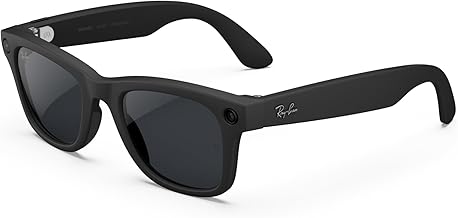


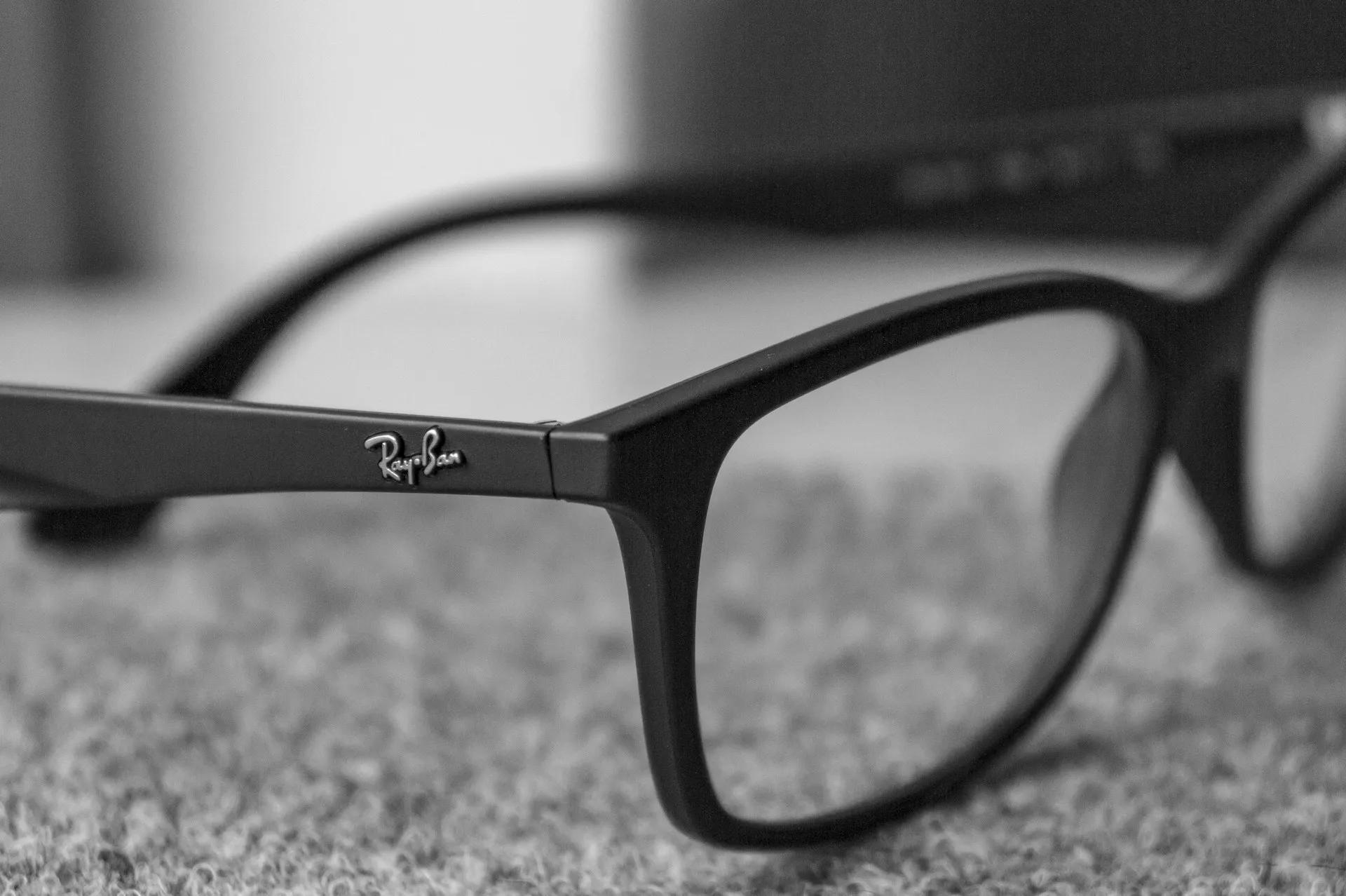
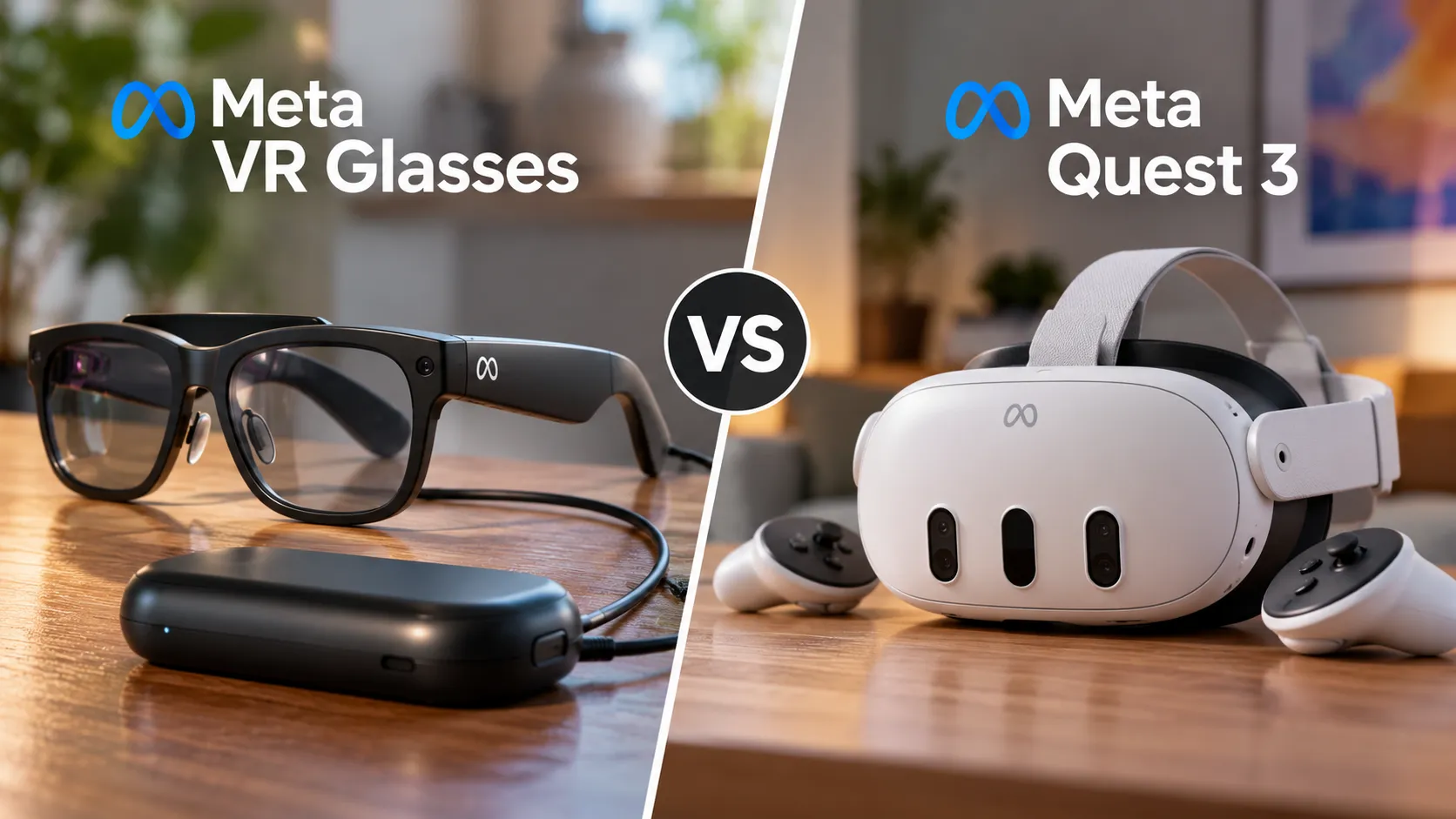
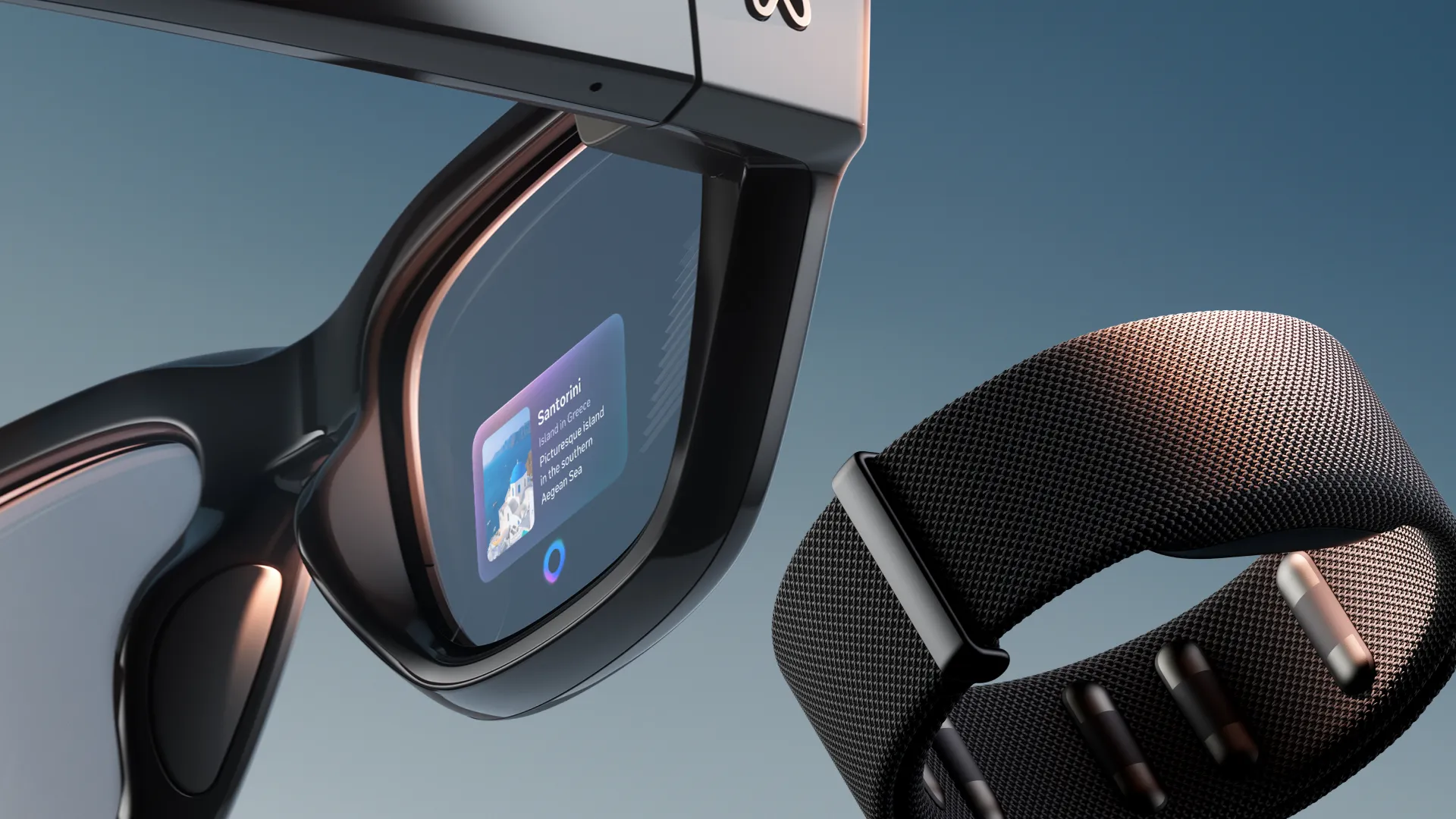
Smart glasses are becoming increasingly common in public spaces, and with that rise comes a new wave of privacy concerns. Meta's Ray-Ban smart glasses look almost identical to regular eyewear, yet they can record video, snap photos, and potentially identify faces with AI-powered features.
A developer has created an app called Nearby Glasses designed to detect smart glasses in your vicinity by scanning for their unique Bluetooth signatures, alerting users when these devices are nearby. The app was developed in response to media coverage showing how stalkers and harassers have repeatedly used Meta's Ray-Ban glasses to film people without their knowledge or consent, representing an emerging counter-surveillance trend as people seek ways to identify potential recording devices. The development arrives as smart glasses adoption accelerates and companies add AI-powered features to their devices, raising questions about recording consent and the balance between innovation and personal privacy.
It's a fascinating moment in wearable tech—we've spent years pushing toward seamless, invisible devices that blend into our daily lives, and now we're seeing the first real pushback from people who aren't quite comfortable with that vision. The fact that someone felt compelled to build a detection app tells you everything you need to know about where public sentiment stands right now.
How Bluetooth scanning identifies smart glasses in your vicinity
The app operates by scanning for distinctive Bluetooth signatures that smart glasses broadcast when active. Most smart glasses maintain constant Bluetooth connections to sync with smartphones, creating identifiable patterns that the detection software can recognize. Think of it like a digital fingerprint—each device type has its own way of announcing its presence to nearby gadgets.
The technology works similarly to how devices discover nearby headphones or speakers, but focuses specifically on the Bluetooth profiles used by popular smart glasses models. When you open your phone's Bluetooth settings and see a list of available devices, you're performing a one-time manual scan. Nearby Glasses runs continuously in the background, maintaining real-time awareness of your surroundings—the difference between glancing around a room once versus having a security camera running 24/7.
The app cross-references detected signals against a database of known smart glasses signatures, allowing it to differentiate between regular Bluetooth devices and potential recording equipment. It specifically identifies the unique Bluetooth signal given off by Meta's Ray-Bans and others, filtering out your colleague's wireless earbuds while flagging that person across the coffee shop who might be wearing recording-capable eyewear. When the app detects a potential pair of glasses in the local area, it sends a push alert to notify you.
Pro tip: You can understand this concept yourself by opening your Bluetooth settings in a crowded space. Notice how devices identify themselves—headphones often include "AirPods" or "Buds" in their name. Smart glasses follow similar patterns, broadcasting manufacturer identifiers and service profiles that detection apps can recognize and categorize.
The accuracy challenge: false positives and detection limitations
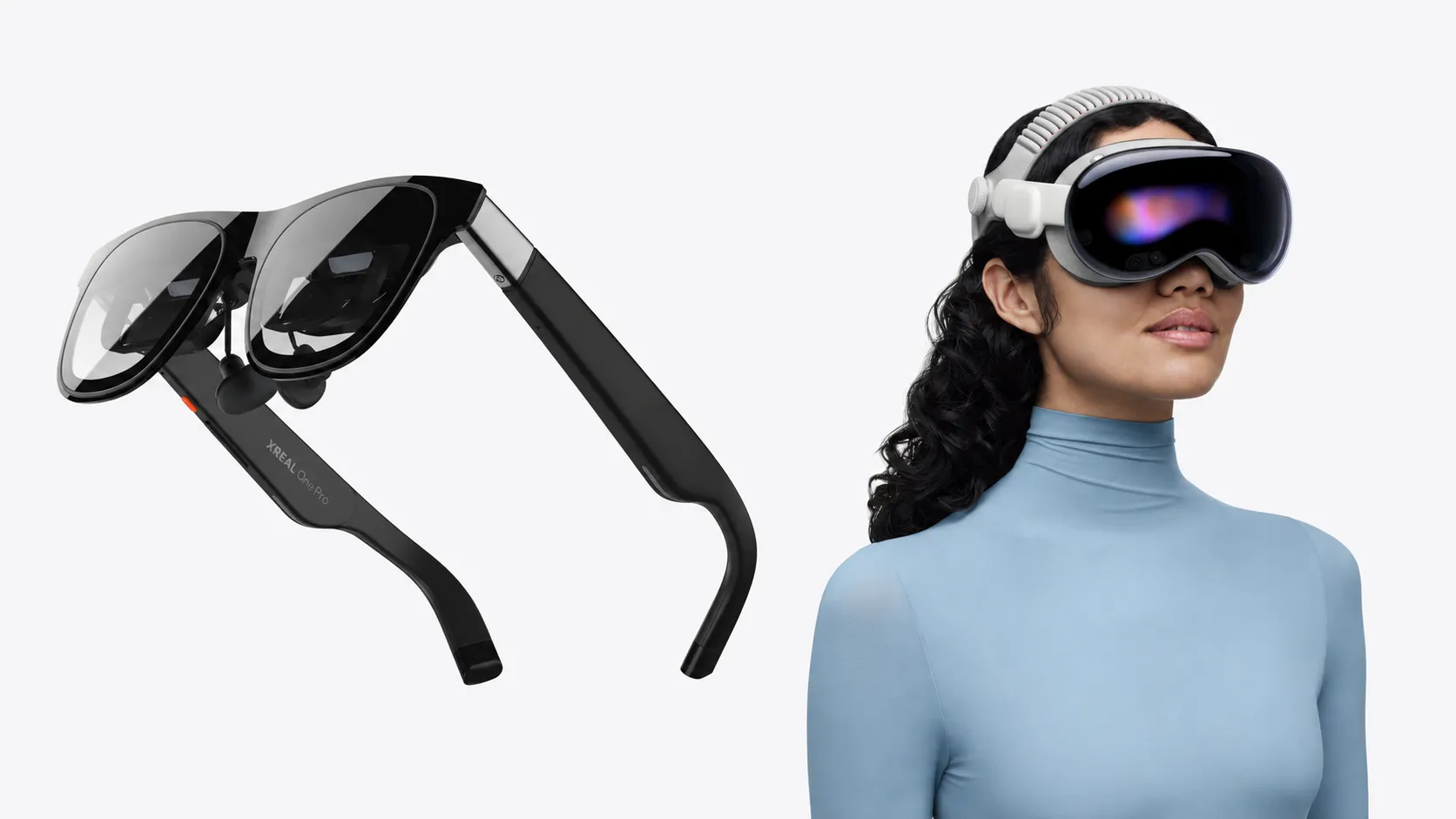
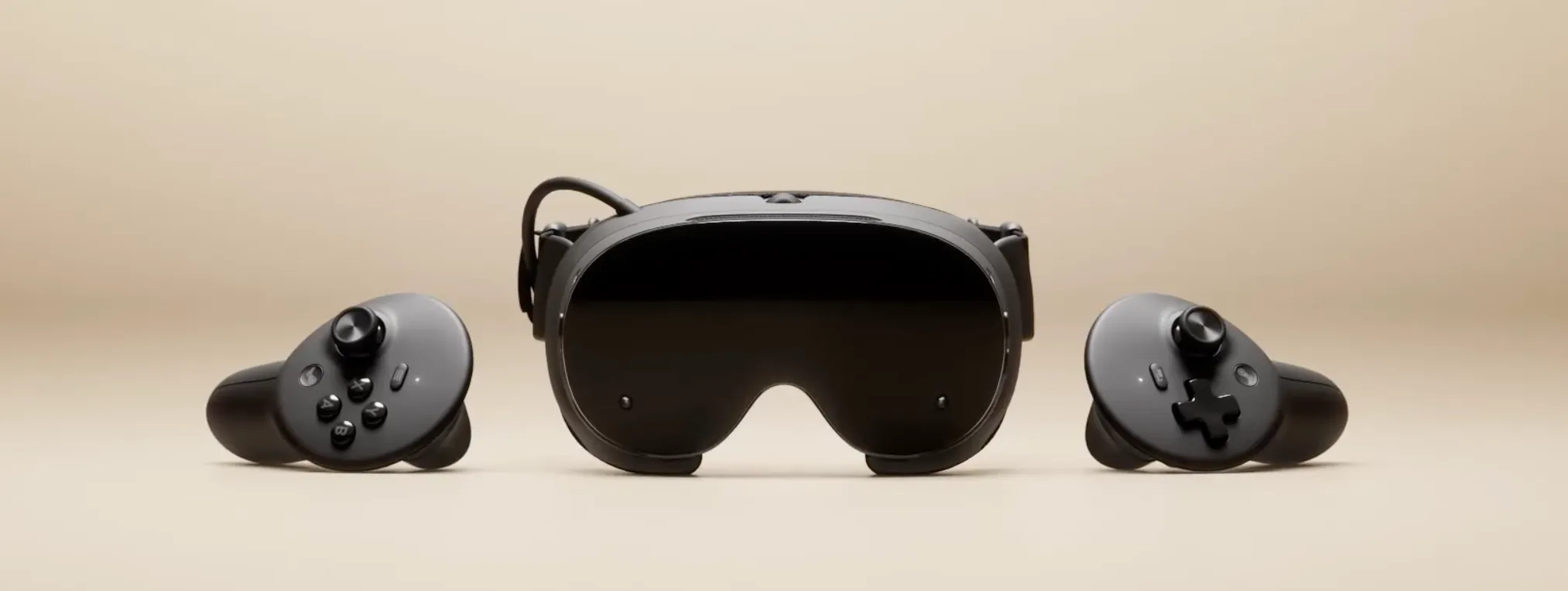
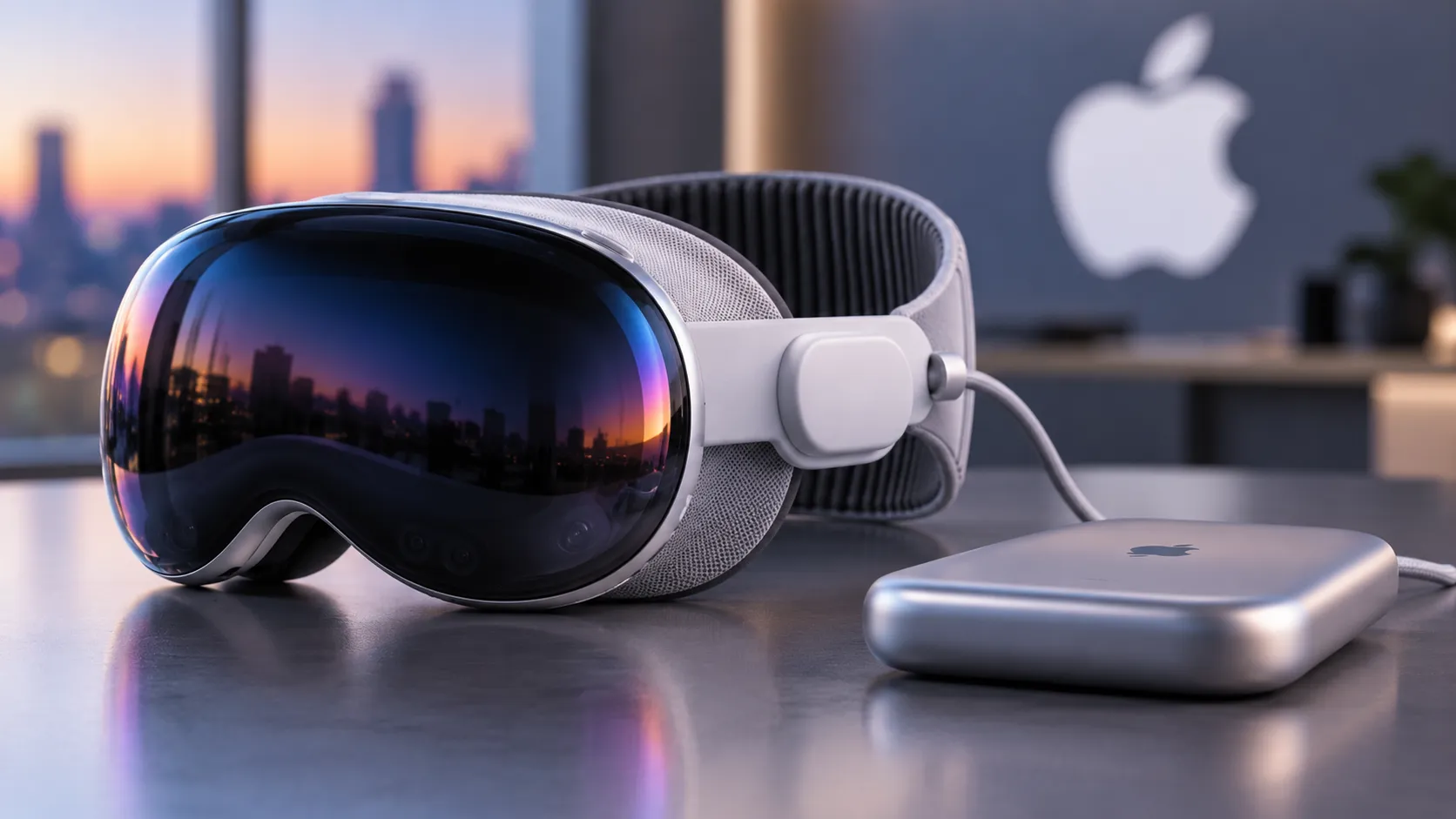
Here's where things get a bit messier in practice. Detection reliability faces several technical hurdles that affect the app's practical utility. False positives can occur when other devices use similar connection protocols—and it bears mentioning that these false positives may occur from VR headsets as well as fitness trackers or smartwatches that happen to share similar Bluetooth characteristics with smart glasses. In testing environments, devices like VR headsets and some fitness wearables can trigger alerts roughly 15-20% of the time due to overlapping Bluetooth low-energy profiles and similar service UUIDs.
The platform fragmentation issue compounds these accuracy problems in ways that directly impact who can actually use this protection. Nearby Glasses is currently available on the Google Play Store and GitHub, but iOS users face significant limitations due to Apple's privacy-focused approach to Bluetooth access. Apple's restrictions on background scanning—specifically, iOS limitations that control how frequently apps can check for nearby devices without explicit user interaction—mean the app's effectiveness varies dramatically between platforms. While Android allows more continuous background monitoring, iOS requires apps to request permission for each scan or operate only when the app is actively open, creating substantial gaps in detection coverage.
This is probably the biggest limitation from a practical standpoint, and it changes who this technology actually protects you from. Users may miss detections entirely if smart glasses have Bluetooth disabled or are in airplane mode, creating gaps in the surveillance awareness the app promises to provide. It's effective mainly against casual users who aren't thinking about concealment—the person wearing Meta's Ray-Ban glasses to capture family moments, not someone deliberately attempting covert surveillance. That distinction matters when evaluating whether this technology actually delivers on its privacy protection promise.
Privacy implications and the ethics of counter-surveillance
The emergence of detection apps highlights growing tensions between technological capability and social norms around recording. Smart glasses with built-in cameras can record video without obvious visual indicators, making it difficult for bystanders to know when they're being captured on camera. Unlike smartphones, where you can usually tell when someone's pointing a camera at you, smart glasses are designed to be subtle—that's part of their appeal for legitimate use cases, but it's also what makes people uncomfortable.
The legal landscape is genuinely complicated, and that complexity stems directly from laws written for an era when cameras were obvious. Recording consent frameworks were designed for scenarios where all parties could clearly see recording equipment—smartphones held up, video cameras on tripods, visible security systems.
Smart glasses break that fundamental assumption. Legal frameworks around recording consent vary widely by jurisdiction—California generally permits recording in public spaces while requiring two-party consent for private conversations where there's a reasonable expectation of privacy. Massachusetts extends two-party consent more broadly to include video recordings in certain contexts.
The European Union's GDPR adds another layer entirely, treating persistent video capture as potential personal data collection requiring affirmative consent regardless of public setting. What's legal in one state or country becomes a violation in another, and smart glasses exist in this awkward space where the technology has raced ahead of both social norms and legal frameworks.
Now here's an interesting twist: the app itself raises questions about surveillance of surveillance. "I consider it to be a tiny part of resistance against surveillance tech," developer Yves Jeanrenaud told 404 Media, yet detecting someone's device could be viewed as an invasion of their privacy even while attempting to protect one's own.
Consider this scenario: You're wearing smart glasses for legitimate accessibility purposes—live captioning for hearing impairment, for instance. Someone nearby runs a detection app and confronts you about "recording them without consent." Who has violated whose privacy? The person potentially capturing video, or the person scanning your personal devices without permission? These are genuinely thorny questions without clear answers, and they highlight how complicated privacy becomes when everyone has surveillance capabilities in their pocket (or on their face).
What this means for the future of wearable technology
This detection app is just the beginning of a broader counter-surveillance ecosystem likely to develop alongside smart glasses adoption. The technology signals that privacy-conscious users are actively seeking tools to identify potential recording devices, creating market demand for detection solutions. We're probably going to see an entire category of privacy protection tools emerge—apps, physical indicators, maybe even specialized hardware designed to identify or block nearby recording devices.
Smart glasses manufacturers are already responding to these concerns, though whether their solutions adequately address public anxiety remains debatable. Some current models include LED indicators when recording—though how visible those actually are in bright daylight is questionable at best.
As companies like Meta work on adding facial recognition technology to Ray-Bans—a feature reportedly called "Name Tag" that would let smart glasses wearers identify people and get information about them from Meta's AI assistant—and OpenAI reportedly develops its own smart glasses, manufacturers may implement more obvious recording indicators or privacy-respecting features to address public concerns. Some might explore audio cues, haptic feedback for nearby individuals, or blockchain-based recording registries that create immutable logs of when and where footage was captured.
This technological response from manufacturers could follow two divergent paths. The optimistic trajectory leads toward transparent, privacy-respecting designs that make recording status unmistakable. But there's an economically rational darker possibility that we need to consider seriously: the detection arms race could lead to more sophisticated concealment techniques, potentially making future smart glasses harder to identify through simple Bluetooth scanning methods.
If detection apps become widespread, manufacturers—or users themselves—might start developing workarounds. Randomized Bluetooth signatures, spoofing as innocuous devices, or simply ditching Bluetooth connectivity altogether for recording functions would all defeat current detection methods.
Where privacy awareness meets practical reality
The smart glasses detection app is one of the many indicators that there is a shift in how we navigate public spaces in an age of ubiquitous recording capability. The app's existence shows genuine public anxiety about covert surveillance as wearable cameras become normalized accessories—but more specifically, it reveals that we've crossed a threshold where people feel compelled to adopt technical countermeasures rather than relying on social contracts or legal protections. When trust in shared norms breaks down, technology rushes in to fill the gap.
While detection technology offers some peace of mind, it's far from a complete solution to the complex privacy challenges that smart glasses introduce. The app works under specific conditions—Bluetooth enabled, known device signatures, compatible operating systems—creating a false sense of security that might actually be more dangerous than no detection capability at all. If you believe you're protected when you're actually only catching a fraction of devices, you've traded awareness for complacency.
These technical limitations point toward a more fundamental truth about the challenge we're facing. The real conversation needs to center on establishing clear social norms and legal frameworks that balance innovation with respect for personal privacy—because technology alone won't resolve the ethical questions at the heart of this debate.
We need to figure out what's socially acceptable before we can properly regulate what's legally permissible, and that's a conversation that involves everyone, not just technologists and lawyers. The creator developed the app after reading 404 Media's coverage of how people are using Meta's Ray-Bans smartglasses to film people without their knowledge or consent, demonstrating how grassroots technical responses can emerge from public discourse about surveillance.
Detection apps are interesting as a technical solution, but they're really just a symptom of the larger challenge we're facing as recording devices become invisibly integrated into everyday objects. The question isn't whether we can detect smart glasses today, but whether we can build a society where we don't need to.



Comments
Be the first, drop a comment!