


Nintendo's newest accessory is turning heads by bridging a 30-year gap between the company's most infamous hardware failure and its latest console. The Virtual Boy-inspired viewer for Switch 2 isn't just nostalgic packaging—it's a deliberate callback that raises fascinating questions about how Nintendo views virtual reality today versus the red-and-black disaster of 1995. While the original Virtual Boy promised immersive 3D gaming but delivered headaches and commercial failure—selling fewer than 800,000 units before being discontinued less than a year after launch—this cardboard revival arrives in an era where VR has matured significantly, yet Nintendo remains characteristically cautious about diving into high-end headsets. The timing is particularly intriguing: as Meta and Apple push premium VR experiences, Nintendo is once again betting on accessible hardware that prioritizes playfulness over technical specs.
What exactly is Nintendo bringing back from 1995?
The new accessory recreates the Virtual Boy's distinctive binocular design, but strips away everything that made the original a cautionary tale in gaming history. Instead of a heavy, table-mounted unit with a monochrome red display, this is a lightweight viewer that holds the Switch 2 console and leverages its screen for stereoscopic 3D effects. Think of it as Nintendo learning from past mistakes while keeping the parts that actually worked—the core concept of stereoscopic viewing—and ditching everything that didn't.
This isn't Nintendo's first cardboard VR experiment. The design philosophy echoes Nintendo Labo's Nintendo Labo (launched 2018); the Toy-Con VR Kit released April 12, 2019—simple materials, clever engineering, and a focus on making VR approachable rather than cutting-edge. The Labo VR Kit let players build cardboard accessories for basic VR experiences on the original Switch, proving Nintendo could create playful VR without expensive dedicated hardware. It's quintessentially Nintendo: take an ambitious idea, scale it back to what's actually practical, and make it fun without requiring a second mortgage.
Unlike the original Virtual Boy's fixed position that forced players into uncomfortable postures, this portable version allows handheld play, addressing one of the biggest ergonomic complaints from three decades ago. Contemporary reviews of the Virtual Boy frequently cited neck strain and eye fatigue from the rigid tabletop stand that required players to hunch over the device.
The accessory specifically supports VR-enabled titles in Nintendo's library, including Mario and Zelda games that received Labo VR compatibility updates—Super Mario Odyssey and The Legend of Zelda: Breath of the Wild both added VR modes in 2019. What's interesting here is that Nintendo isn't starting from scratch. They're building on groundwork laid during the Switch's lifespan, suggesting this has been part of a longer-term strategy to test lightweight VR experiences before committing to more substantial hardware investments on their next-generation console.
How does cardboard VR stack up against proper hardware?
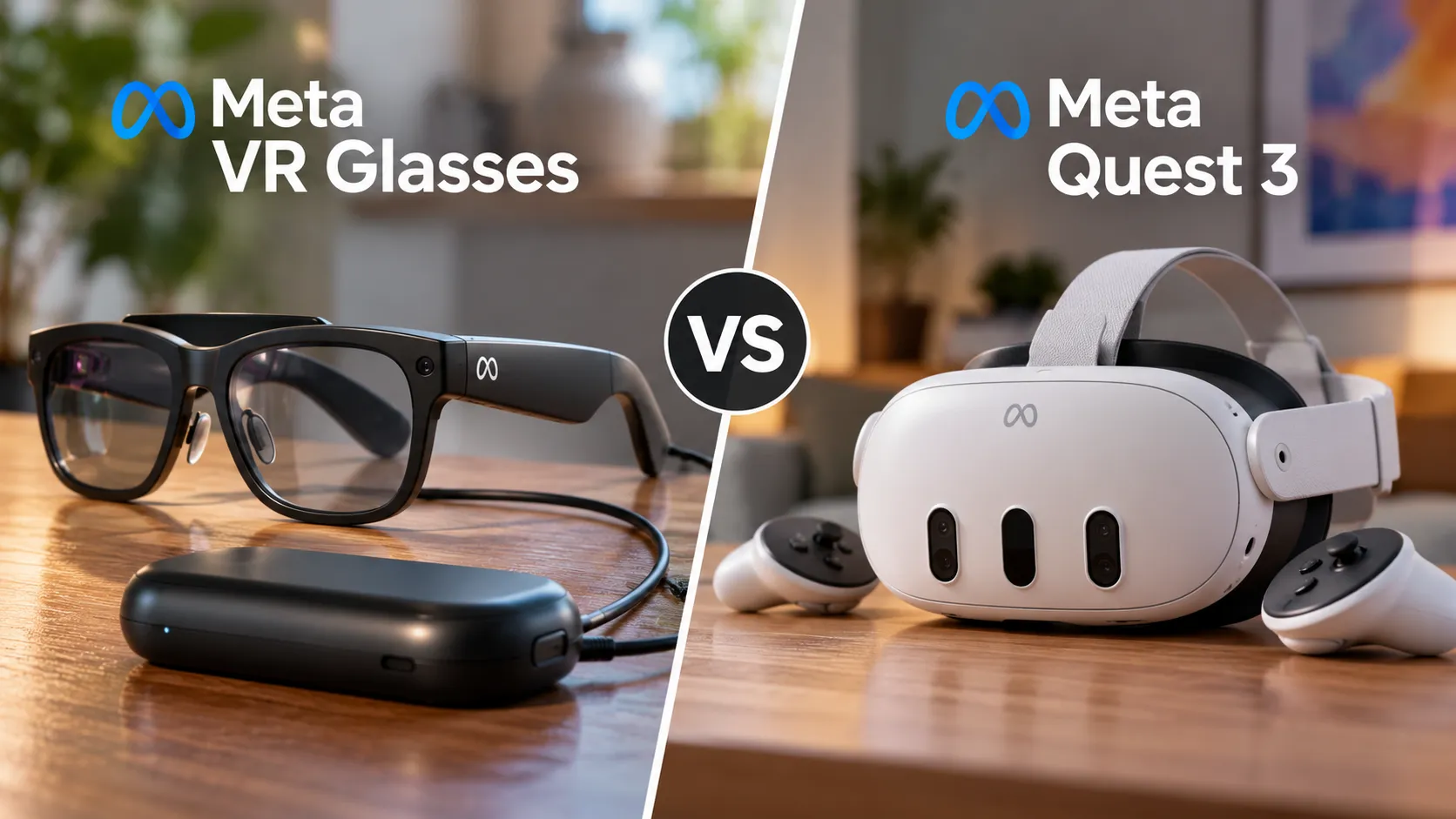
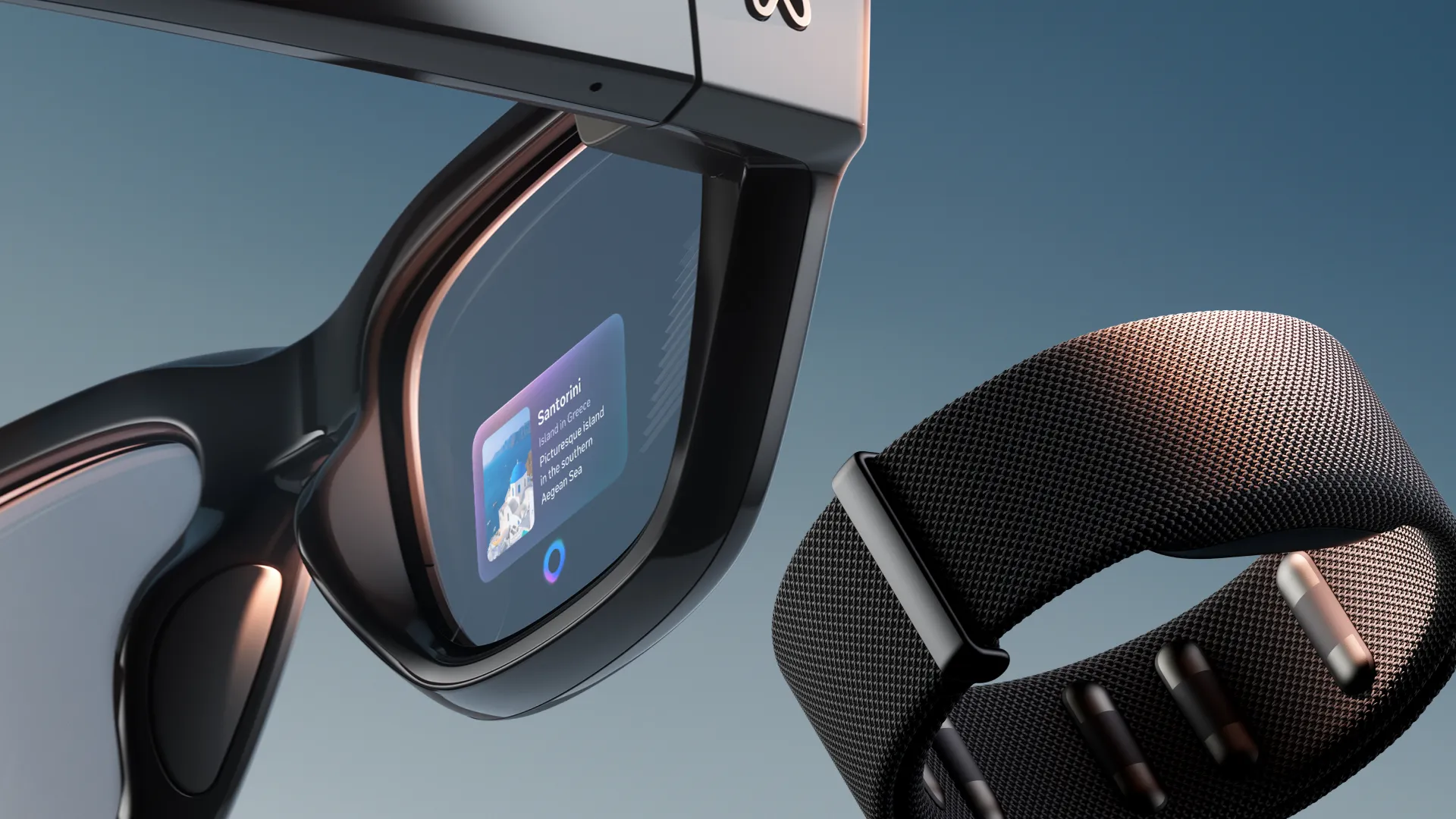
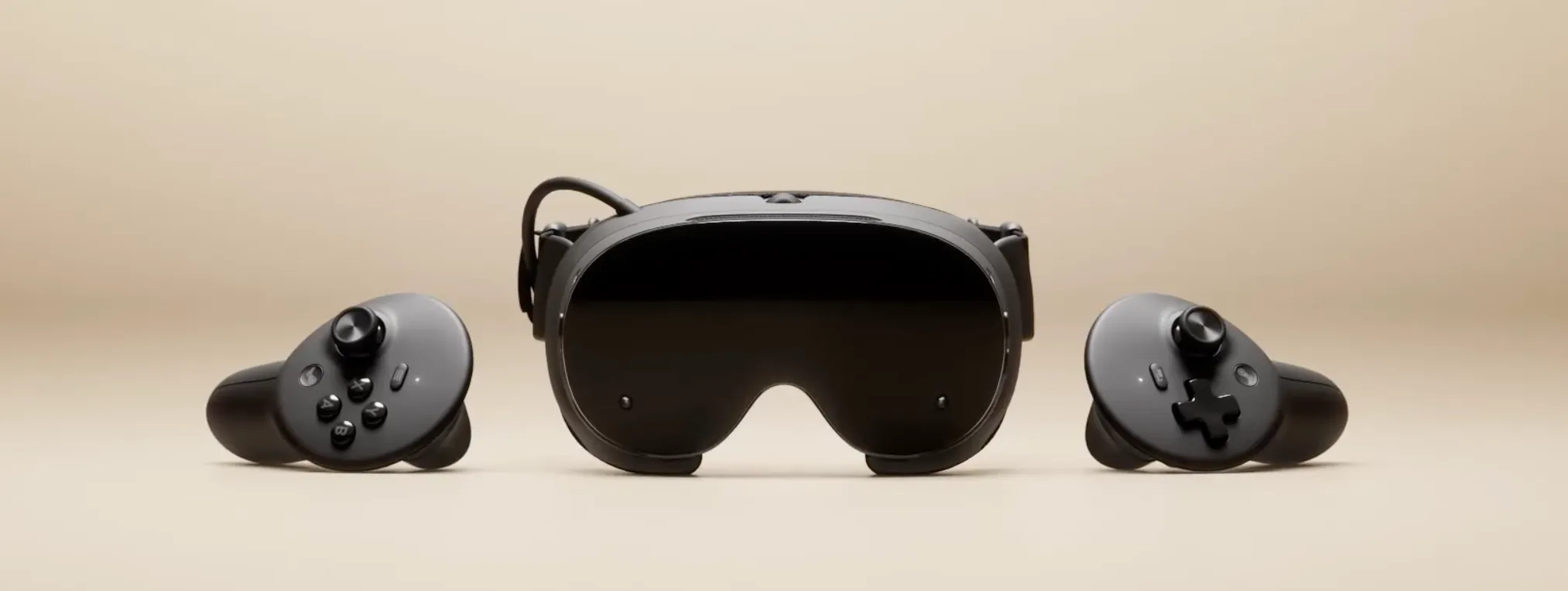
Let's be honest: calling this "VR" in the same breath as a Meta Quest 3 feels a bit generous. The material choice—cardboard versus plastic or fabric—immediately sets expectations and limitations. Cardboard construction keeps costs low and aligns with Nintendo's environmental messaging, but it sacrifices durability and comfort for extended play sessions compared to established VR headsets with foam padding and adjustable straps.
Optical quality is another critical differentiator. While dedicated VR headsets use precision-engineered Fresnel lenses with specific focal distances and field-of-view calculations—the Quest 3 offers a 110-degree horizontal field of view with pancake lenses—cardboard viewers typically employ simpler plastic lenses that may introduce distortion or chromatic aberration. It's the difference between looking through a professionally calibrated viewfinder and a toy stereoscope.
The lack of head tracking hardware means this isn't true positional VR—it's stereoscopic 3D viewing, closer to Google Cardboard's smartphone experiments than room-scale experiences. You're getting depth perception, not full immersion. You can't lean around corners or duck under obstacles in any meaningful way. This is the fundamental distinction: stereoscopic viewing creates the illusion of depth on a 2D screen, while positional VR tracks your head movements in three-dimensional space.
For Nintendo's target audience, however, these compromises may be features rather than bugs: lower cost, no setup complexity, and experiences designed around the limitations rather than fighting against them. Nintendo has always excelled at working within constraints—the Game Boy succeeded against the technically superior Game Gear by prioritizing battery life and game library over color graphics. This cardboard viewer follows that same philosophy: sacrifice cutting-edge specs for accessibility and fun.
PRO TIP: If you still own the Nintendo Labo VR Kit from the Switch era, those compatible games will work with this new accessory on Switch 2, giving your cardboard collection extended life on more powerful hardware.
What does this mean for Nintendo's VR strategy going forward?
This accessory reveals Nintendo's continued reluctance to commit fully to virtual reality as a platform while keeping one foot tentatively in the space. It's like they're testing the water temperature without actually jumping in—a very Nintendo move if there ever was one. The company's approach remains experimental and peripheral—literally—treating VR as an optional enhancement rather than a core gaming pillar.
By reviving Virtual Boy branding, Nintendo acknowledges its complicated VR history while signaling this is a curiosity rather than a serious push to compete with Sony's PlayStation VR2 or standalone headsets. There's something almost cheeky about it, actually—the self-awareness of saying "Remember that thing everyone mocks us for? Yeah, we're bringing it back, but don't worry—we learned our lesson." It's refreshing in an industry that often pretends past failures never happened.
The decision to support existing Labo VR-compatible titles suggests Nintendo is testing whether there's sustainable demand for lightweight VR experiences on Switch hardware before investing in dedicated VR development. This approach mirrors how Nintendo tested motion controls with the Wii Remote before competitors invested heavily in similar technology, and how amiibo sales data informed their DLC and digital content strategies. This is market research disguised as a product launch. If people buy it and actually use it, Nintendo gains valuable data about price sensitivity, engagement duration, and which game types work best in simplified VR. If it flops quietly, well, it was just cardboard anyway—no massive R&D investment lost.
This strategy mirrors the company's broader philosophy: let others chase technical specifications while Nintendo focuses on novel interactions and accessibility, even if that means sacrificing the immersion that defines modern VR. While Sony and Meta battle over refresh rates and pixel density, Nintendo is over here with literal cardboard asking, "But is it fun?" When the Wii launched in 2006 with standard-definition graphics against the HD capabilities of PlayStation 3 and Xbox 360, critics questioned the technical gap—yet the Wii outsold both competitors by prioritizing accessible motion controls over raw power. It's a different race entirely, and one Nintendo has won before by refusing to compete on their rivals' terms.
Where does retro-inspired VR fit in today's market?
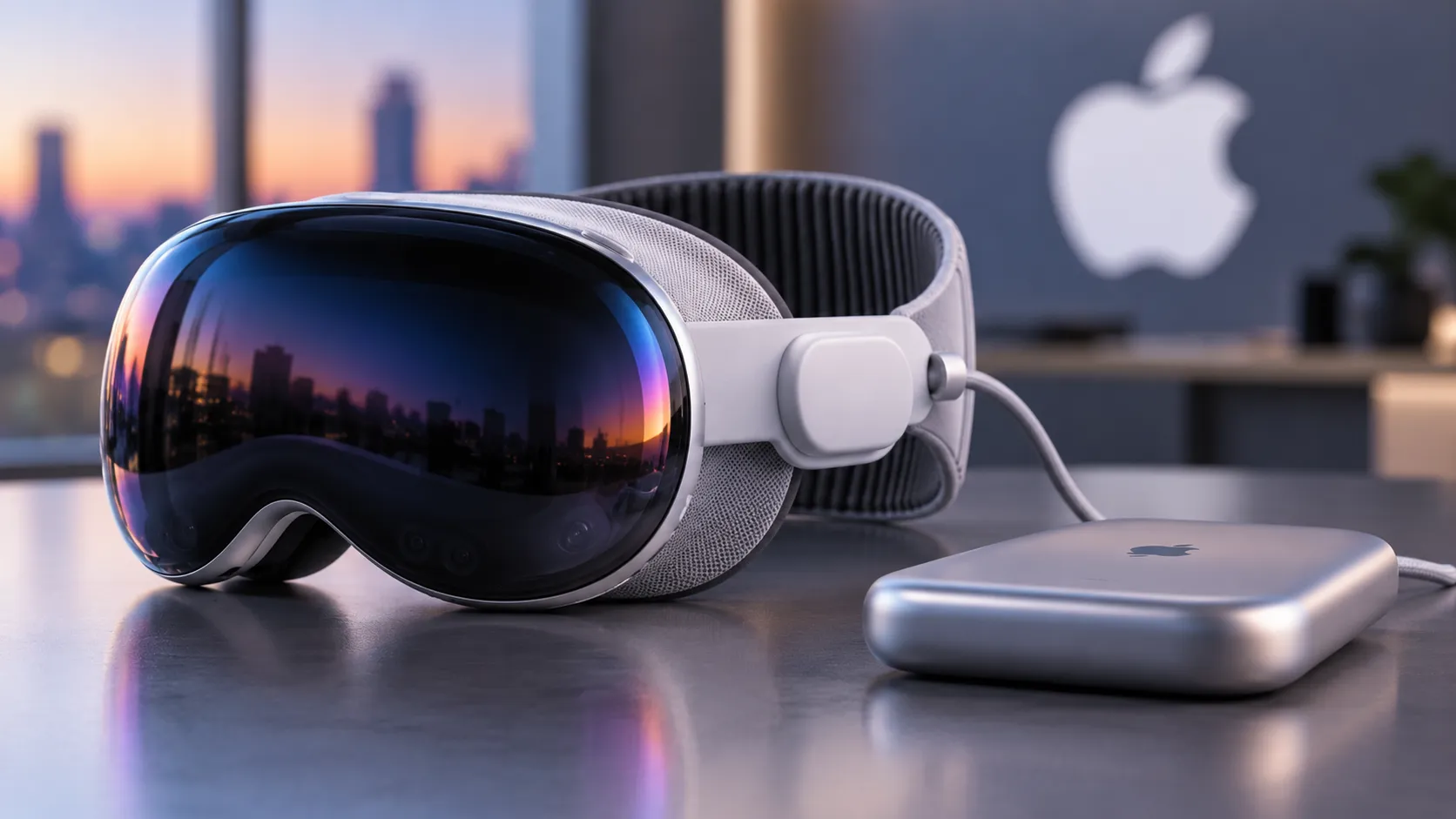
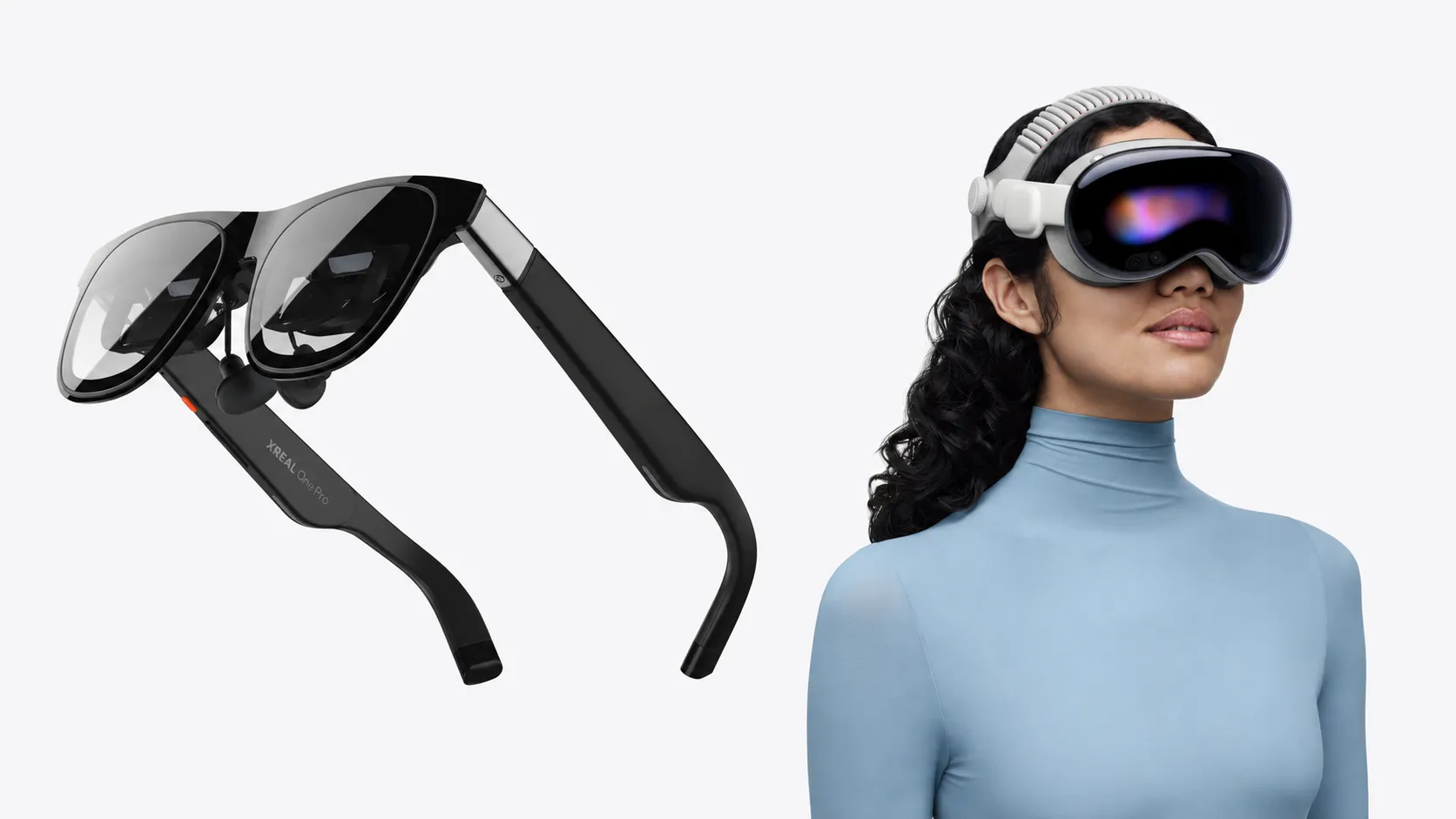
The Virtual Boy callback arrives at a peculiar moment when VR is simultaneously more mainstream and more fragmented than ever. Nearly a decade after consumer VR's 2016 debut with the original Oculus Rift and HTC Vive, the industry still grapples with fundamental adoption barriers. While premium headsets deliver increasingly convincing virtual worlds, VR adoption remains limited by cost—the Apple Vision Pro starts at $3,499 while the Meta Quest 3 starts at $499—complexity of setup, and the persistent "killer app" problem. Despite years of development, no single VR experience has achieved the must-have status that drives mass-market adoption.
Nintendo's lightweight, nostalgic approach targets a different audience entirely—one that values novelty and Nintendo's curated game library over technical prowess. These aren't the people comparison-shopping between Quest 3 and Vision Pro. They're the parents looking for something unique to do with their kids on a Saturday afternoon, or the Nintendo faithful who'll buy anything that lets them experience Mario or Zelda in a new way.
The accessory also taps into the broader retro gaming trend, where even failed hardware like the Virtual Boy has developed cult status and collector appeal—original Virtual Boy consoles now sell for $300-600 in good condition, while pristine units command even higher prices. There's something almost postmodern about Nintendo monetizing nostalgia for its own failure, transforming a legendary flop into a selling point. This parallels how the company has successfully revived other retro elements: the NES Classic Edition sold 2.3 million units despite being a simplified emulation box, proving consumers will pay for Nintendo nostalgia even without cutting-edge features.
By repackaging old ideas with modern hardware, Nintendo creates a low-risk experiment that could inform future decisions. If cardboard VR sells well and engagement metrics show sustained usage beyond initial novelty, more substantial VR investments might follow—perhaps a dedicated headset or VR-focused titles. If it flops, it's just another quirky accessory in a long line of Nintendo experiments, from the Power Glove to the Super Scope.
Either way, the company maintains its reputation for unconventional thinking while competitors battle over specs and market share. That might be the real genius here—Nintendo doesn't have to win the VR race because they're not really running it. They're doing their own thing off to the side, collecting data, learning what works, and waiting to see if VR ever achieves the mainstream acceptance that would justify a bigger bet. When Ring Fit Adventure became a surprise hit by turning exercise into a game rather than competing with traditional fitness equipment, it validated Nintendo's approach of finding adjacent markets rather than fighting head-on battles. That's a pretty comfortable position to be in when everyone else is betting billions on VR's future.
PRO TIP: For the best cardboard VR experience, use the accessory in well-lit rooms to minimize eye strain, and limit sessions to 15-20 minutes initially. Stereoscopic viewing can cause discomfort if you're not accustomed to it, especially without the sophisticated optics found in premium headsets.

Comments
Be the first, drop a comment!