


Patent disputes are now defining the future of smart glasses in ways that go far beyond simple courtroom drama. When Solos recently launched patent infringement litigation against both Meta and EssilorLuxottica over their Ray-Ban collaboration, according to Seeking Alpha, it signaled that the industry has reached a critical inflection point where intellectual property battles will determine market control. This is about establishing who gets to own the fundamental technologies that power AR experiences—from optical systems to gesture recognition—at the exact moment when these devices are transitioning from niche products to mainstream consumer electronics.
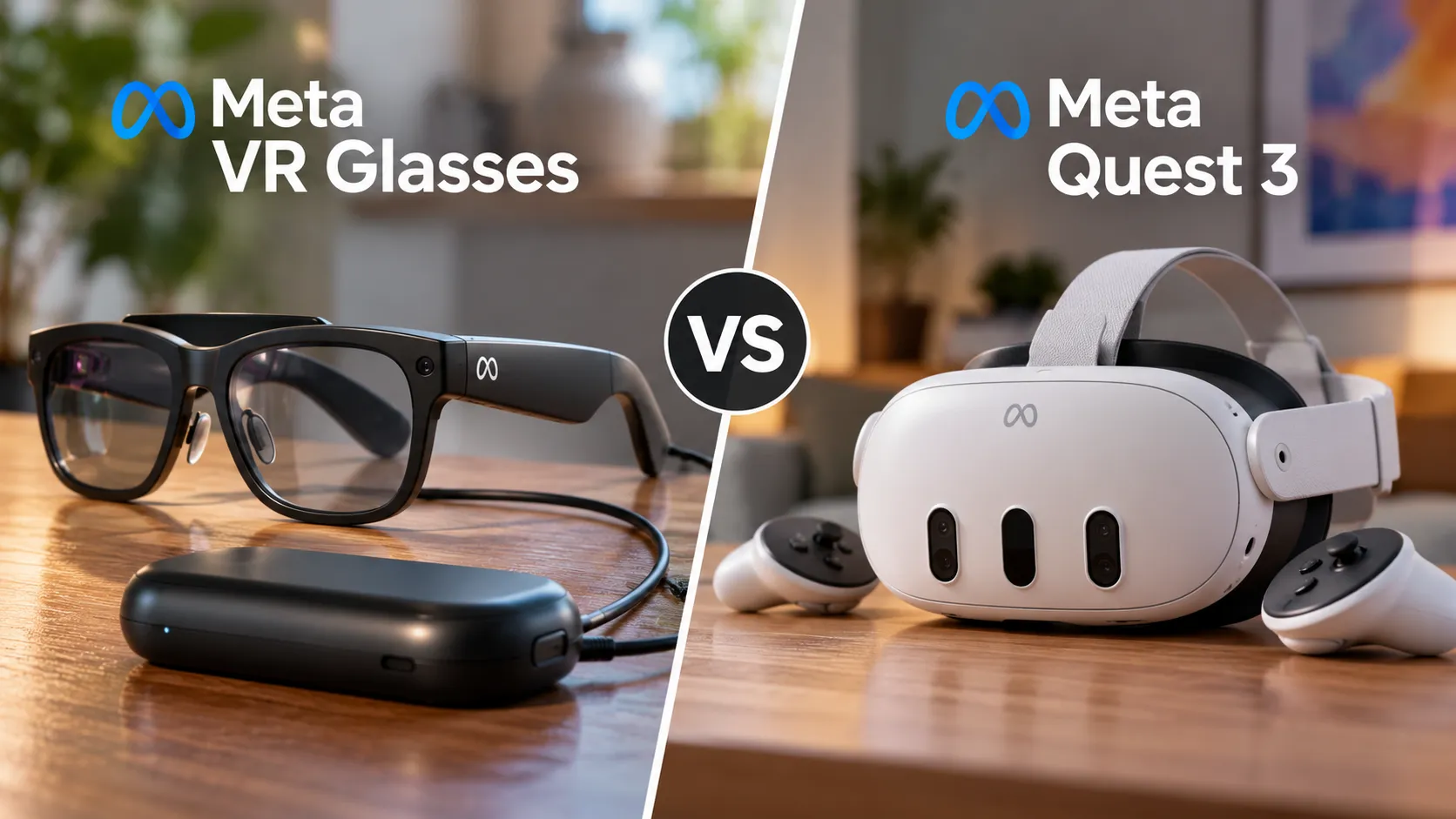
The legal timing reveals strategic intent. Meta was already navigating serious patent challenges throughout late 2025, including disputes over AI features and onboard recording capabilities integrated into their Ray-Ban product line, plus a separate case targeting the electromyography technology in their Neural Band gesture control system, as reported by UC Today. What makes this particularly significant is that these legal battles are unfolding just as Meta's Ray-Ban smart glasses are selling in the millions, with industry analysts predicting the broader AR market could potentially reach $700 billion by 2035, according to Android Central. Companies are essentially racing to secure legal control over core technologies before the market explodes.
Patent wars are reshaping the AR landscape
The current litigation wave represents a fundamental shift from innovation-focused competition to patent portfolio warfare. This isn't just isolated legal drama—it's an entire industry establishing the ground rules for who can compete and how.
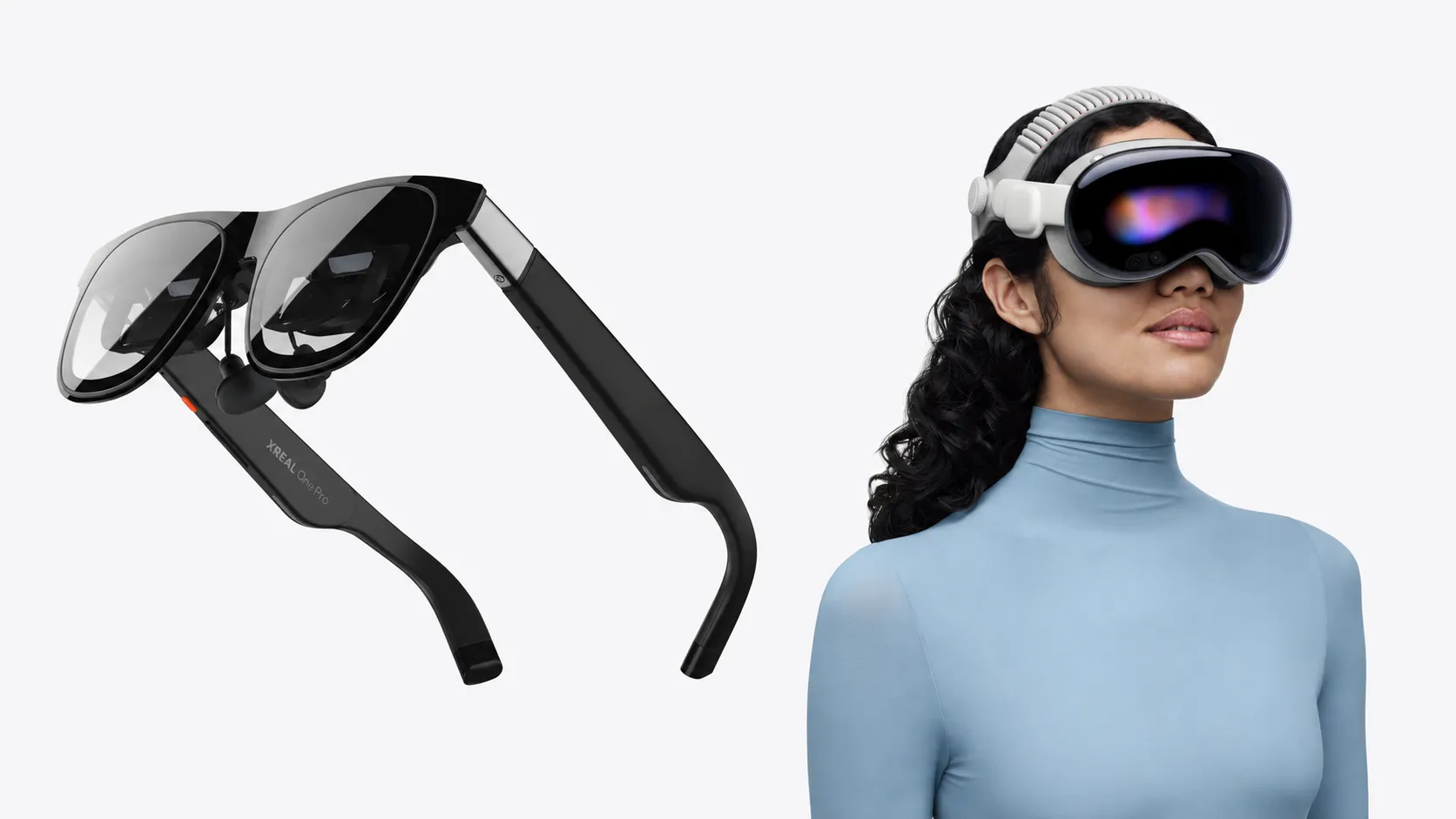
What makes the XREAL-Viture dispute particularly revealing is its rapid international escalation and strategic complexity. XREAL secured a preliminary injunction from Munich Regional Court that temporarily blocked Viture from selling allegedly infringing devices in Germany, as detailed by Heise. However, the legal maneuvering quickly became more sophisticated when XREAL's team failed to properly serve the injunction within the required deadline, leading to the court lifting the preliminary injunction in November due to procedural errors.
Rather than retreat, XREAL escalated internationally, filing additional patent lawsuits in a Texas federal court on January 15, 2026, targeting Viture's alleged infringement of US Patent No. 11,988,839, reported by The Verge. This strategic pivot from European to American courts demonstrates how companies are now leveraging multi-jurisdictional patent portfolios as competitive weapons, seeking favorable legal venues and enforcement mechanisms.
The scope suggests something far more strategic than typical patent disputes. XREAL explicitly stated that their lawsuit "is about more than just a single patent and aims to take action against systematic patent infringements," according to Heise. This language indicates companies are treating patents as territorial markers in a rapidly expanding market rather than simply protecting specific innovations.
What's really at stake in these technical disputes?
The contested patents cover technologies that most consumers never think about but rely on every time they use AR glasses. These aren't superficial design elements—they're the foundational systems that make augmented reality actually work.
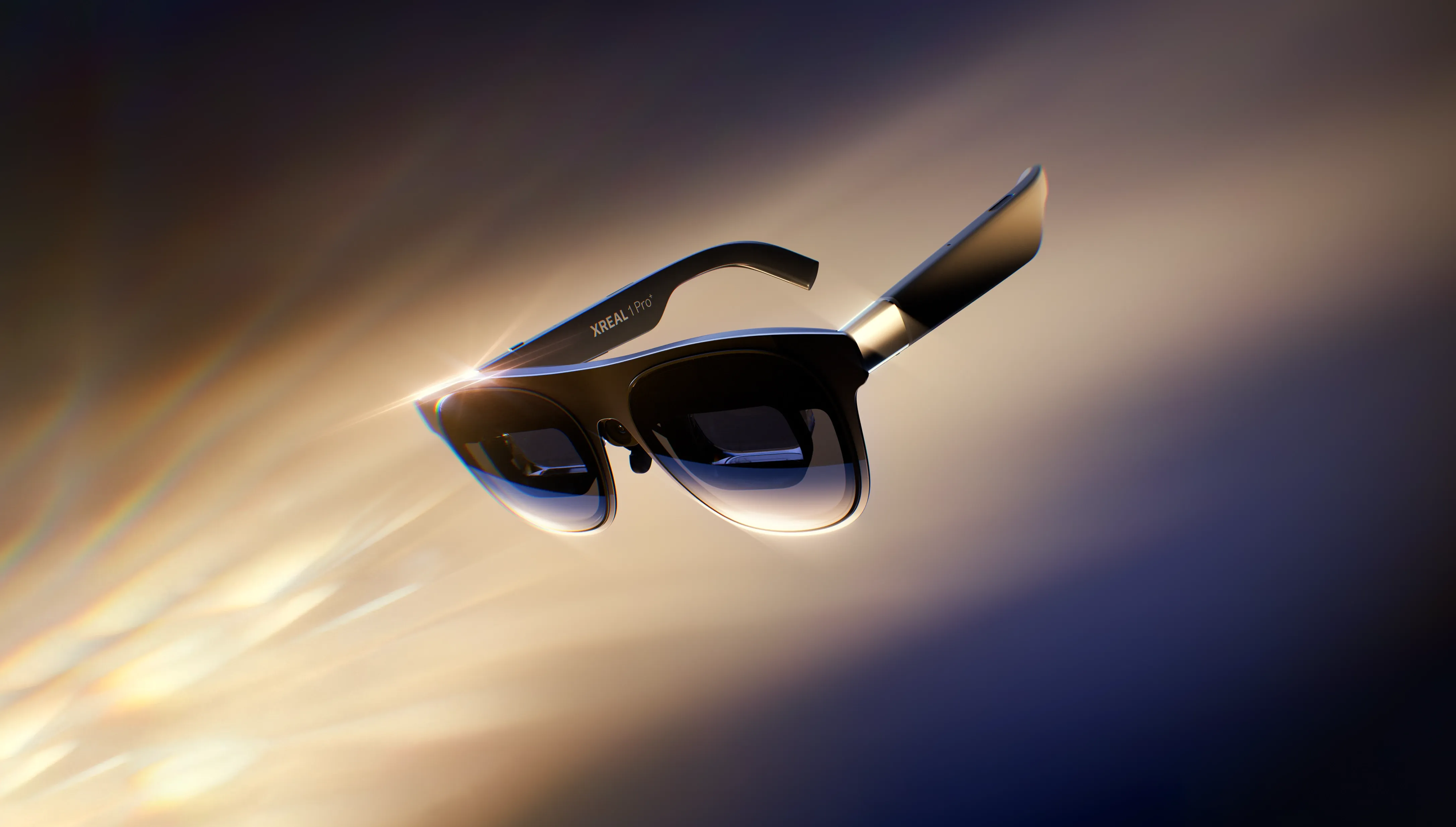
XREAL's disputed patent describes specific construction methods for "Birdbath" optics that are typical for display glasses, technology that was granted patent protection on 2024-05-21 (U.S. Patent No. 11,988,839), according to Heise. Birdbath optical systems are critical because they determine how effectively virtual images get overlaid onto real-world vision while maintaining image clarity and proper field of view in a lightweight form factor. If one company controls these optical patents, they essentially control how other manufacturers can build consumer-ready AR glasses.
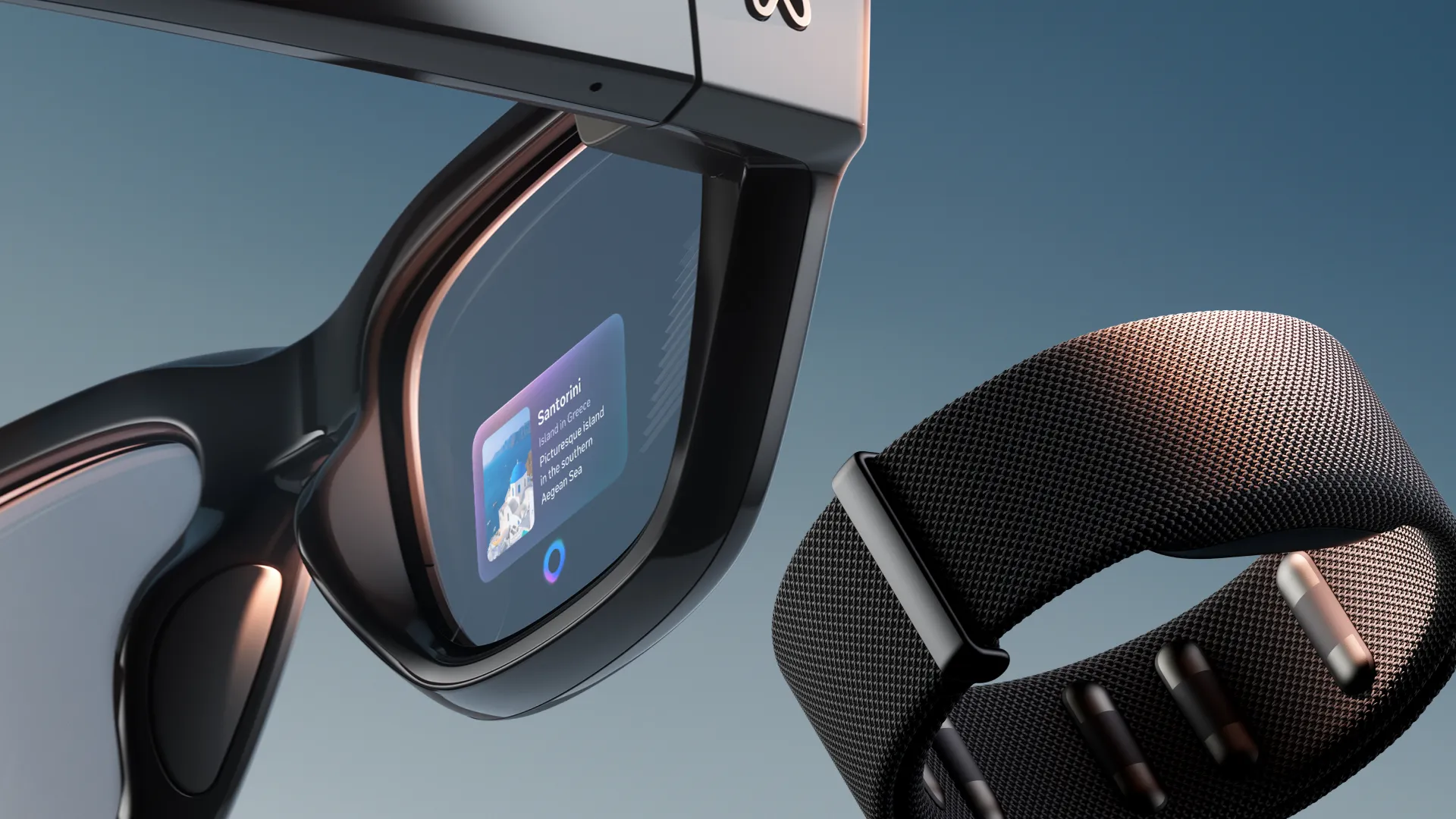
In Meta's case with Perceptix Technologies, the dispute centers on electromyography sensors that interpret hand motions as input signals for the Orion and Ray-Ban Display glasses, as reported by Bloomberg Law. This technology translates wrist and finger movements into digital commands, enabling users to control AR interfaces without physical controllers. The patent covers fundamental interaction methods that users expect from modern AR devices—the ability to naturally gesture and have the system respond appropriately.
PRO TIP: Understanding these patent disputes helps predict which AR interaction methods and visual technologies will become standard. Companies that secure broad patents over fundamental technologies like optical systems or gesture recognition can essentially set industry standards and licensing terms.
What's particularly concerning for innovation is the breadth of these patent claims. When patents cover basic optical configurations or fundamental interaction methods, they can potentially block entire categories of product development. This creates a scenario where market success depends as much on patent portfolio strength as on actual technological innovation or user experience quality.
How companies are fighting back strategically
Defense strategies in these cases reveal sophisticated approaches that go far beyond simple patent challenges. Companies are mounting comprehensive attacks on patent validity while simultaneously building public relations narratives around fair competition.
Viture's multi-pronged response demonstrates this strategic complexity. The company filed a formal opposition with the European Patent Office challenging the validity of XREAL's contested patent while simultaneously appealing the preliminary injunction, according to Heise. Their argument centers on prior art—claiming the patent covers existing technology that shouldn't have received patent protection in the first place.
But Viture went further by launching a counter-narrative campaign, accusing XREAL of spreading "targeted disinformation," particularly regarding claims that Viture is "banned across nine European countries," as reported by Engadget. This suggests patent disputes are becoming as much about controlling market perception and investor confidence as they are about legal rights.
The procedural complexity adds another strategic dimension. Even when XREAL initially won their preliminary injunction, they lost it due to failing to properly serve Viture within the required one-month deadline, according to Heise. This highlights how patent enforcement requires not just strong legal claims but also flawless execution of complex procedural requirements across multiple jurisdictions.
The international forum shopping also reveals strategic thinking. By moving from German courts to Texas federal courts, XREAL is seeking jurisdictions with different patent enforcement approaches and potentially more favorable legal precedents. This creates a complex chess game where companies must manage legal strategies across multiple countries with different patent laws and enforcement mechanisms.
The broader implications for innovation and competition
These patent battles are creating market dynamics that could fundamentally reshape which companies can compete effectively and how quickly innovation reaches consumers. The stakes extend far beyond individual lawsuits to the entire structure of the emerging AR ecosystem.
The patent portfolio imbalance between companies creates particularly concerning competitive dynamics. XREAL claims they hold over 800 patents worldwide compared to Viture's approximately 70 patents with none in the US and Europe, according to Engadget. This disparity suggests that success in the AR market increasingly depends on early patent accumulation rather than ongoing innovation or superior user experiences.
Industry experts worry about the potential for cascading litigation effects. If successful patent enforcement becomes a template, smaller AR manufacturers could face rapid copycat litigation that effectively prices them out of the market, as analyzed by Glass Almanac. This could create a barrier to entry that favors established companies with large patent portfolios and extensive legal resources over innovative startups with breakthrough technologies.
The timing amplifies these concerns because the market is experiencing explosive growth. Meta's smart glasses shipments are reportedly doubling or tripling, as noted by Android Central, which means patent disputes are affecting real revenue streams and competitive positioning rather than theoretical future markets. Companies that get locked out of key technologies during this growth phase may never recover market position.
The international scope creates additional complexity for smaller players. Managing multi-jurisdictional patent portfolios and legal strategies requires resources that favor larger companies. When patents can be enforced across multiple countries with different legal systems and enforcement mechanisms, it creates a sophisticated barrier that goes far beyond simple innovation competition.
What this means for the future of smart glasses
The resolution of current patent disputes will establish precedents that determine the structure of the AR industry for years to come. These cases are essentially writing the rules for how foundational AR technologies can be protected, licensed, and commercialized.
What's encouraging is that current disputes appear focused on legitimate technology protection rather than broad innovation suppression. The patent battles seem to center on whether competitors are unfairly using rivals' fundamental technologies rather than attempting to block entire categories of innovation, according to The Verge. This distinction matters because it suggests companies are seeking fair compensation for genuine innovation rather than using patents as weapons to eliminate competition entirely.
However, the outcomes will determine whether the AR industry develops as a diverse ecosystem or becomes concentrated among patent-holding giants. If courts establish reasonable frameworks for patent enforcement that protect legitimate innovation while preventing abuse, it could create clearer pathways for smaller companies to innovate without fear of litigation. Conversely, if patent portfolios become decisive competitive advantages regardless of actual innovation quality, the industry could consolidate around a few dominant players.
The market timing makes these precedents particularly critical. With the AR glasses market potentially reaching extraordinary valuations and Meta's Ray-Ban collaboration already selling millions of units, the legal frameworks established now will govern how this growth gets distributed across the industry. Whether that expansion benefits a diverse ecosystem of innovators or gets concentrated among patent-holding companies depends largely on how courts handle these foundational disputes as they progress through multiple jurisdictions in the coming months.
As these cases move through courts in Germany, Texas, and other jurisdictions, they're effectively determining which companies will be able to participate in what could become one of the most significant technology markets of the next decade. The smart glasses revolution is happening now—and patent law is determining who gets to be part of it.





Comments
Be the first, drop a comment!