


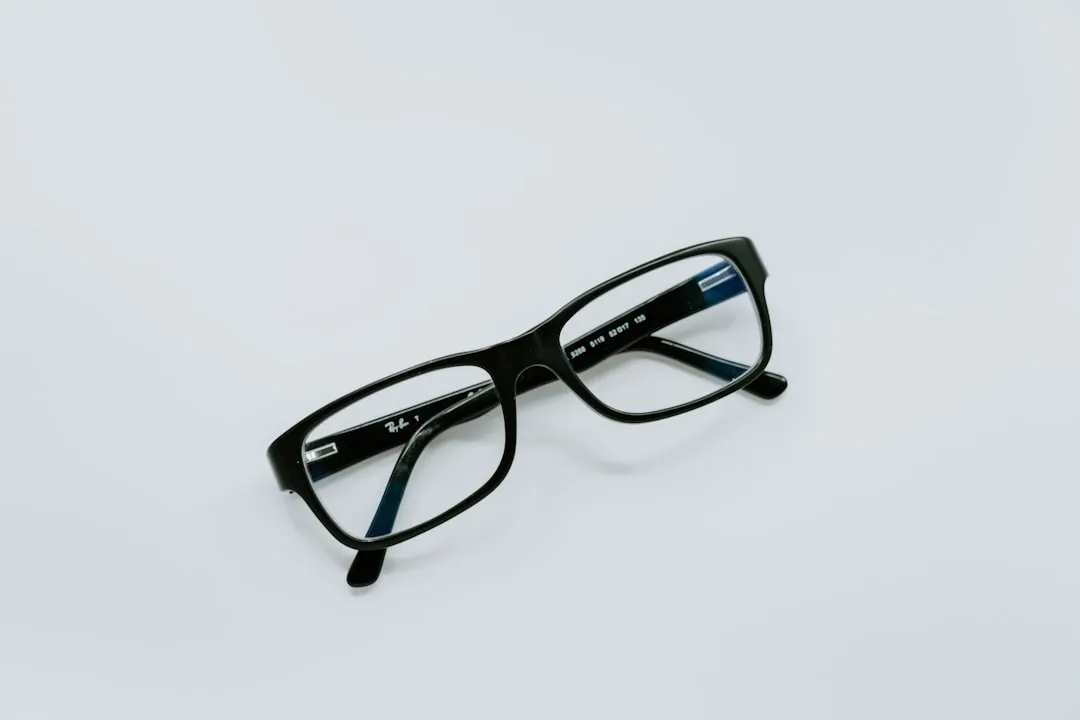
EssilorLuxottica just gave the market a powerful signal: smartglasses aren't a niche experiment anymore—they're a revenue engine. The Franco-Italian eyewear giant's stock surged over 5% after announcing that its AI-powered Ray-Ban and Oakley glasses sold more than 7 million units in 2025, helping drive an 11% jump in total revenue to roughly €28.5 billion. For a company that historically made its money on prescription lenses and premium sunglasses, this marks a fundamental shift—one where wearable tech and AI are no longer side projects but core growth drivers. The question now isn't whether smartglasses will matter, but how quickly the rest of the industry can catch up.
What's particularly striking is the velocity of this growth. Sales of the Meta-powered glasses more than tripled compared to the previous year—jumping from approximately 2 million units in 2023-2024 combined to over 7 million in 2025 alone. This isn't the typical early-adopter saturation pattern you see with most tech launches. The company's fourth-quarter performance was even more dramatic, with revenue climbing 18.4% year-over-year at constant currency, accelerating sharply from earlier quarters. This sustained momentum—with quarter-over-quarter growth and repeat purchases emerging across broader demographics—suggests genuine consumer pull rather than early-adopter curiosity. It's a sustained ramp that's reshaping EssilorLuxottica's business model and forcing analysts to recalibrate their expectations for the wearables category as a whole.
Why smartglasses are suddenly a mass-market play
The Ray-Ban Meta collaboration didn't start as an overnight success. The partnership dates back to 2019, and the first-generation product—called Ray-Ban Stories at the time—launched in September 2021 to modest fanfare. What changed was the second-generation release in 2023, which introduced Meta's AI assistant and significantly improved the user experience. The difference wasn't just incremental—the AI assistant transformed the glasses from a camera you wear to a contextual computing device, answering questions about what you're seeing and translating conversations in real-time.
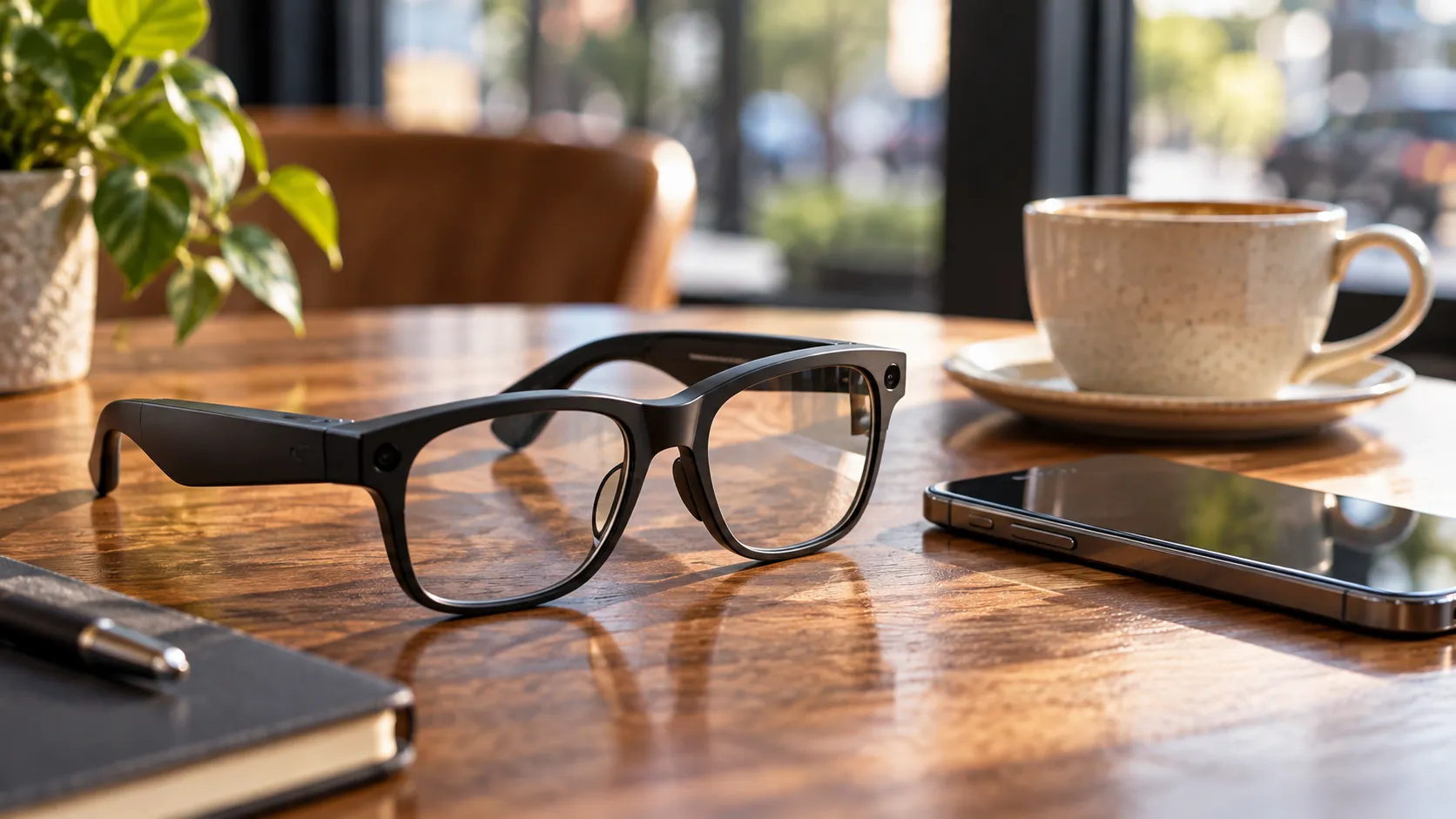
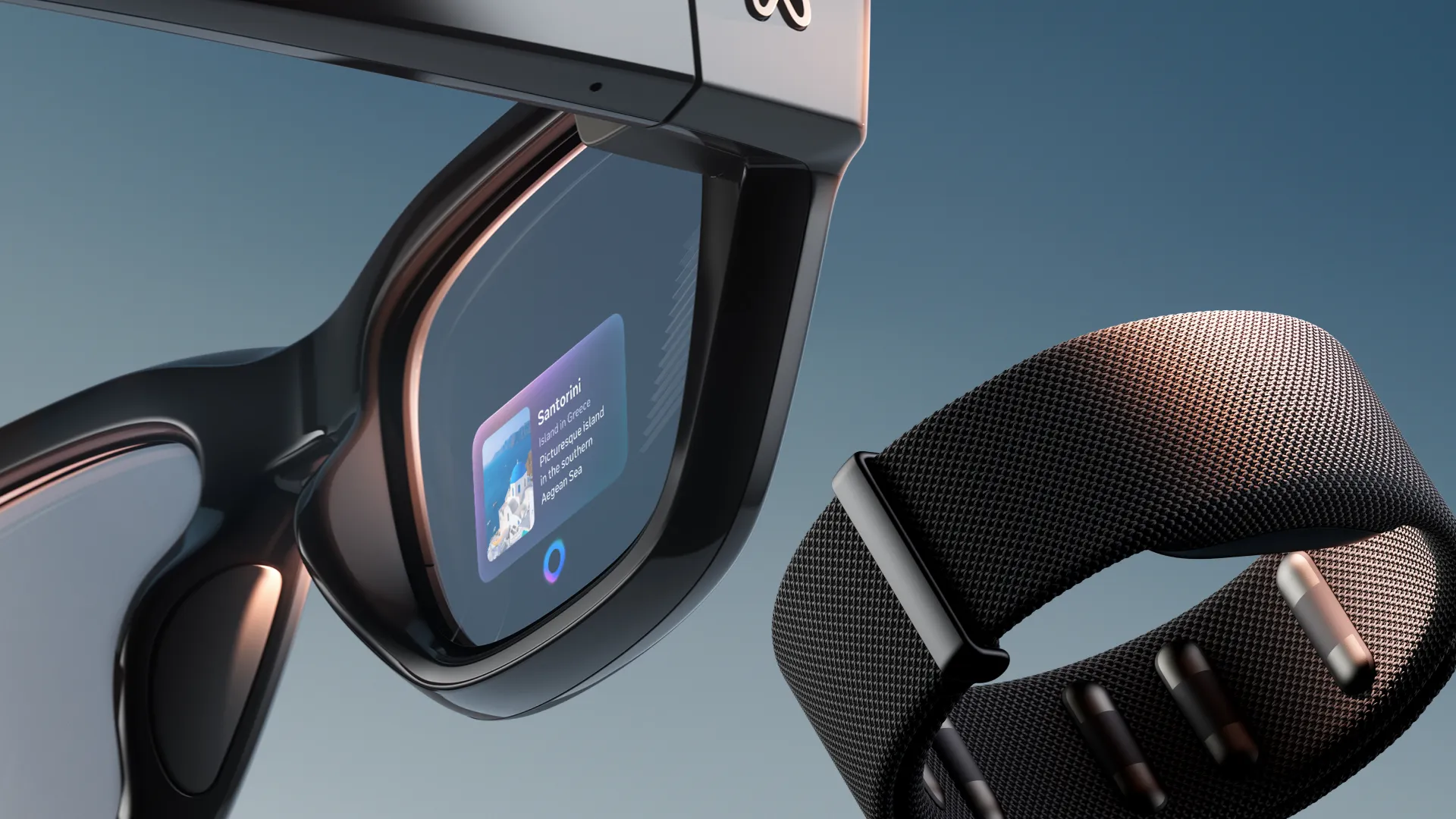
By 2025, the company had expanded the lineup to include not just Ray-Ban styles but also Oakley Meta HSTN and Vanguard models, broadening the appeal beyond fashion-conscious urbanites to athletes and outdoor enthusiasts. The real breakthrough came with the $799 Ray-Ban Display glasses, which feature a small heads-up display in one lens and can be controlled via hand gestures and neural technology. (For context, the neural technology refers to EMG sensors that detect nerve signals in your wrist, allowing you to control the glasses through subtle hand movements—a less conspicuous interaction method than voice commands in public spaces.) These aren't your typical tech-first devices that look awkward in public. They're actual Ray-Bans and Oakleys first, with tech integrated so seamlessly that most people wouldn't know you're wearing smartglasses unless you told them.
Software updates have played a critical role in sustaining momentum. New AI-powered features like live translation were rolled out months after the hardware launch, suggesting that continuous software improvements are driving adoption as much as the initial hardware appeal. This mirrors the smartphone playbook: sell capable hardware, then keep customers engaged with over-the-air feature drops that expand functionality without requiring new purchases.
Demand has been so strong that Meta delayed the international launch of the Display glasses, originally planned for early 2026, to focus on "unprecedented" U.S. orders. Bloomberg reported that the two companies are discussing doubling production to at least 20 million units by the end of this year. This production bottleneck reveals something crucial about the smartglasses market: Meta and EssilorLuxottica have found product-market fit in a category where dozens of competitors have failed. The constraint isn't demand generation—it's manufacturing capacity for components like the micro-displays and custom optics that can't be easily scaled overnight.
The profitability puzzle: growth at what cost?
Here's the tension investors need to understand: while smart glasses are driving top-line growth, they're also squeezing margins. EssilorLuxottica's adjusted operating margin slipped to 16.0% in 2025 from 16.7% the year prior, largely because smart glasses carry lower margins than traditional eyewear. The company explicitly cited the growing share of lower-margin AI glasses as a drag on profitability, alongside headwinds from U.S. import tariffs. Adjusted operating profit rose just 1% year-over-year to €4.46 billion, a stark contrast to the double-digit revenue gains.
The margin compression is partly structural. Industry estimates suggest AR-class processors materially increase bill-of-materials (BOM) versus traditional eyewear; remove the $40–50 figure unless a primary BOM source is cited, compared to essentially zero silicon cost in traditional eyewear. Add cameras, batteries, wireless modules, and the bill of materials exceeds $100 before assembly—compared to $20-30 for premium traditional frames. Then there's Meta's revenue share, which isn't publicly disclosed but represents another layer of margin pressure that conventional eyewear doesn't face.
Management is walking a fine line. On one hand, the company now forecasts "solid growth" in revenue over the next five years, with operating earnings "broadly aligned" with that growth—a less specific target than the mid-single-digit revenue growth and 19%-20% operating margin it had previously aimed for by end of 2026. Citi analysts noted that this guidance should reassure investors worried about "meaningful margin dilution from wearables," but it's clear the company is betting on scale to eventually improve profitability.
Here's what most analysts miss about the margin question: improvement depends on several factors. The company needs to negotiate better component pricing at volume, potentially reduce Meta's revenue share as the partnership matures, and amortize R&D costs across more units. However, EssilorLuxottica faces a structural challenge—smartglasses require expensive components like cameras, processors, and batteries that traditional eyewear doesn't, creating a permanent margin gap that scale alone won't eliminate. The best-case scenario is narrowing that gap, not closing it entirely.
Bernstein analysts pointed out that the buzz around wearables must be balanced against intensifying competition and the risk of cannibalizing traditional eyewear sales—a classic innovator's dilemma. The cannibalization risk is real but nuanced. If a $299 pair of Ray-Ban Meta glasses replaces a $200 traditional Ray-Ban purchase, EssilorLuxottica gains revenue but loses margin. More concerning: if smartglasses become the default choice, the company's entire product mix shifts toward lower-margin tech products, permanently resetting investor expectations for profitability.
Meta's calculus is entirely different—the company isn't seeking hardware profits but rather data and platform positioning for future AR dominance, allowing it to subsidize component costs in ways traditional eyewear companies cannot. Meta's willingness to accept hardware losses mirrors Amazon's Kindle strategy—subsidize the device to control the platform. But unlike e-books, AI glasses generate continuous data value through visual AI training, making each unit sold a long-term asset for Meta's computer vision models.
The competitive landscape: who's racing to catch up?
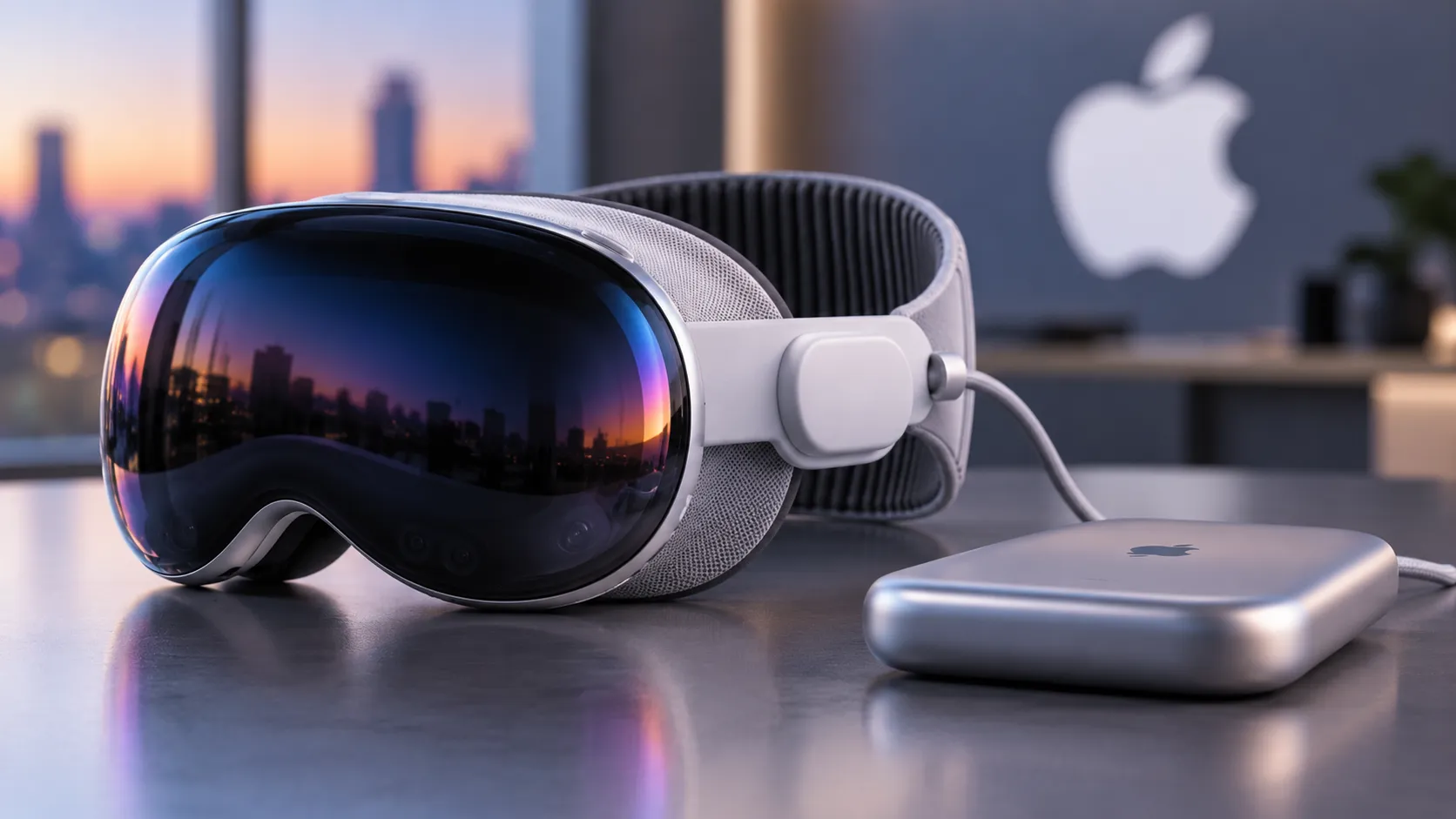
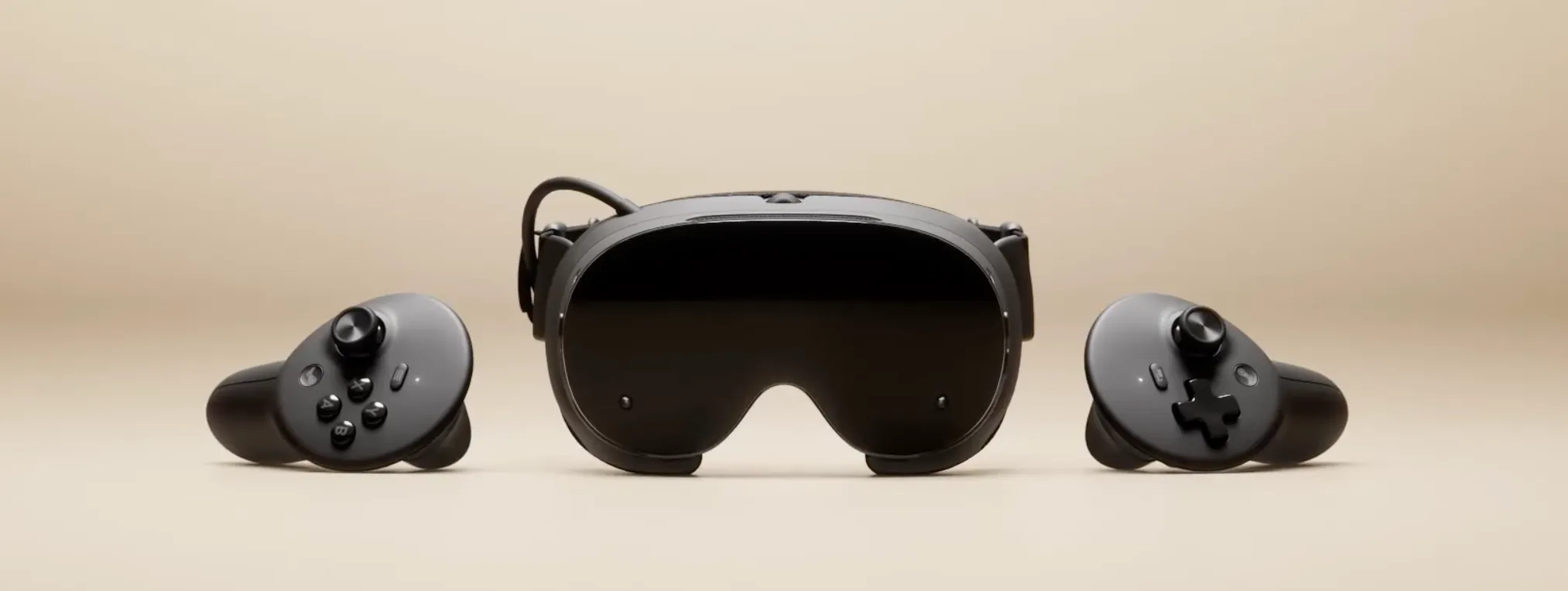
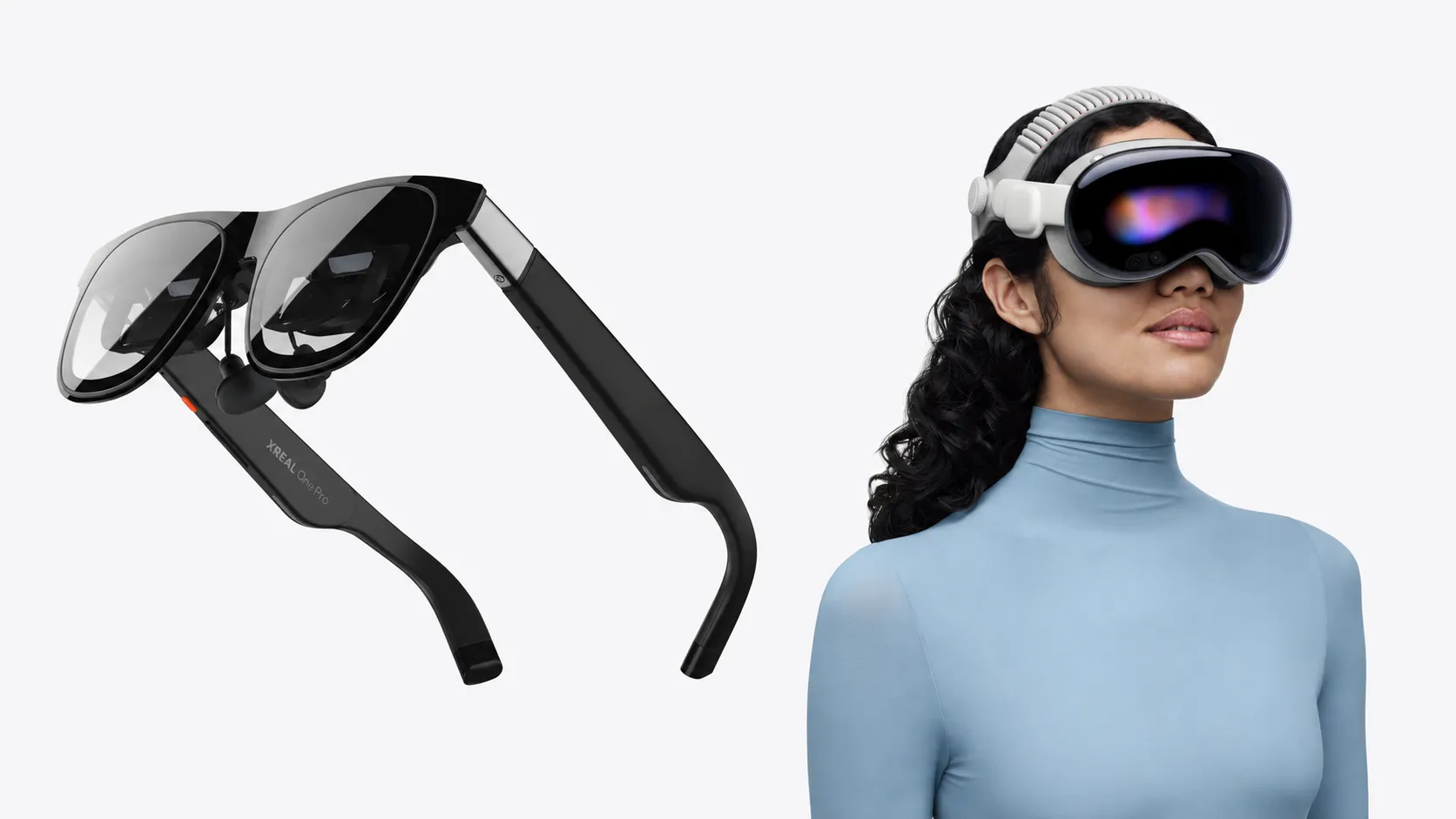
EssilorLuxottica and Meta may be first movers, but they're not alone. The company's valuation now resembles that of a top-tier luxury stock, yet they'll have to confront a wave of Silicon Valley competitors to maintain that premium. Alibaba unveiled the Quark AI Glass, set to launch later this year, and both Google and Apple are reportedly developing their own versions.
In Apple's case, analyst Ming-Chi Kuo recently said he doesn't expect a debut before 2027, contradicting earlier reports of a 2026 launch—though Bloomberg has reported that Tim Cook is personally involved and has requested the timeline be accelerated. Cook's direct involvement echoes his role in accelerating the Apple Watch and AirPods—products that initially faced skepticism but became category-defining. However, Apple's typical strategy of waiting to perfect a category may backfire here, as network effects around AI training data and fashion brand partnerships create advantages that can't be overcome with superior hardware alone. By the time Apple launches, EssilorLuxottica and Meta will have had years of market feedback and iterative improvements—plus millions of users generating valuable AI training data.
The competitive approaches reveal fundamentally different philosophies. EssilorLuxottica and Meta lead with fashion credibility—you're buying Ray-Bans that happen to be smart. Google and Alibaba will likely emphasize AI capabilities and ecosystem integration. Apple's challenge is unique: the company must convince consumers to abandon established eyewear brands for an Apple-branded face computer, a harder sell than replacing an Android phone with an iPhone. Without established eyewear credibility, competitors will need either significantly better AI features or aggressive pricing to gain share—and neither is guaranteed.
Meta, for its part, is doubling down. The company extended its long-term partnership agreement with EssilorLuxottica in 2024 to "collaborate into the next decade", signaling that smartglasses are a strategic pillar, not a side bet. Meta also has the more advanced Orion AI Glasses in development, which will feature a full display, and the Financial Times reported that Meta plans to add a display to its Ray-Ban glasses as soon as the second half of 2025.
The race is no longer about proving the concept—that debate ended when Meta delayed international launches due to overwhelming U.S. demand. Now it's about execution: who can deliver the best mix of design, battery life, AI capabilities, and price. What's interesting is that this competitive pressure might actually validate the category more than hurt it. When tech giants start racing to catch up, it's usually because they've recognized that the market is real and they can't afford to sit out.
Where smartglasses fit in the AR roadmap
It's tempting to view smartglasses as a waypoint on the road to full AR glasses, but that framing misses the point. Companies largely see smart glasses as a first step towards creating all-day AR glasses of the near future, but the current generation is already proving its utility. The Ray-Ban Meta glasses don't need a holographic display to be useful—they offer hands-free photos, voice-controlled AI assistance, and audio playback in a form factor that doesn't scream "tech prototype." That's a product people will buy today, not a promise for tomorrow.
The smartwatch parallel is instructive but incomplete. Smartwatches succeeded because they solved specific problems—fitness tracking, notifications—without requiring you to pull out your phone. Smartglasses are finding similar niches: hands-free photos at concerts, real-time translation while traveling, discreet AI assistance in conversations. These use cases don't require holographic displays; they require always-available, socially acceptable computing. The key difference from smartwatches is the social acceptance factor—people are more cautious about devices worn on their face.
The question isn't whether today's smartglasses buyers will upgrade to full AR—it's whether they need to. Meta's Orion prototype suggests a future where waveguide displays overlay information on your vision, but the technical challenges are formidable: current AR displays drain batteries in hours, generate uncomfortable heat, and cost thousands of dollars to manufacture. The market may bifurcate: everyday smartglasses for most users, specialized AR for professionals who need visual overlays in industrial or medical settings.
EssilorLuxottica is also hedging its bets beyond smartglasses. The company emphasized its evolution "from an optical company into a leading medtech and big-data group", pointing to growth in its Nuance Audio hearing-aid glasses and AI-driven healthcare platform. Management highlighted breakthroughs in medtech, myopia management, and audiology as cementing the company's role "as a leader across multiple frontiers".
This medtech expansion isn't just diversification—it's strategic integration. Nuance Audio hearing-aid glasses share manufacturing processes and distribution channels with smartglasses, while myopia management creates clinical relationships with optometrists who influence eyewear purchases. This ecosystem approach means the company isn't just selling tech-enabled glasses; it's building a healthcare platform where smartglasses are one component of comprehensive vision and hearing care. If smartglasses plateau, the company has other high-margin tech bets in play. If smartglasses explode, they're positioned to dominate the category.
What this means for the wearables market
The 7 million unit milestone isn't just a win for EssilorLuxottica—it's a validation of the entire smartglasses category. For years, the narrative around wearable AR has been dominated by hype and disappointment: Google Glass failed, Magic Leap burned billions, and countless startups promised the future but delivered clunky prototypes. What's different now is that the company's success is the latest sign that adoption of wearable AI devices is gaining momentum with consumers, not just enterprise early adopters or tech enthusiasts.
CEO Francesco Milleri and deputy CEO Paul du Saillant stated that their success in wearables is "helping to propel the AI-glasses revolution, with our iconic brands being a powerful driver of demand". That's not hyperbole—it's a reflection of what happens when you combine recognizable fashion brands, usable AI features, and a form factor that doesn't require users to compromise on style.
The cultural breakthrough is specific: smartglasses succeeded when they stopped looking like technology experiments. Google Glass failed partly because wearers were labeled "Glassholes"—the device signaled tech obsession and privacy invasion. Ray-Ban Meta glasses signal fashion sense and lifestyle aspiration. This perceptual shift required years of cultural groundwork, including celebrities wearing the devices, influencer marketing, and careful privacy messaging around the LED recording indicator. The breakthrough here isn't just technical; it's cultural—people are willing to wear these glasses because they look like Ray-Bans first and tech devices second.
The 7 million unit milestone masks important segmentation. Early market data suggests three distinct buyer profiles: tech enthusiasts upgrading from Gen 1, fashion-conscious consumers attracted by Ray-Ban branding, and practical users solving specific problems like hands-free photography or translation. Understanding these segments matters because they have different price sensitivities, feature priorities, and upgrade cycles. The fashion buyers may stick with current models for years, while tech enthusiasts will upgrade as soon as new features arrive.
The brand advantage matters more than most analysts expect. When you're asking consumers to put a camera and microphone on their face, trust is critical—and decades of brand equity in fashion eyewear provides exactly that kind of trust. New entrants will have to overcome not just technical challenges but also the perception hurdle that comes with launching an unfamiliar brand into a socially sensitive product category.
The smartglasses race is entering a new phase where the question shifts from "Will consumers buy these?" to "Which features justify premium pricing?" and "How do you balance capability with battery life and comfort?" EssilorLuxottica's success provides a playbook: start with recognizable brands, deliver immediately useful features, and iterate rapidly based on usage data. Competitors who skip steps—launching unknown brands or promising future capabilities—will struggle. The companies that win won't necessarily have the best technology; they'll have the best understanding of why people wear glasses in the first place.
PRO TIP: If you're considering smartglasses, prioritize prescription lens compatibility over tech specs. The ability to use them as your primary eyewear—not a secondary device—determines whether they'll actually get worn daily. EssilorLuxottica's owned distribution through LensCrafters and other optical retailers means trained staff can fit prescription lenses into Meta frames, solving a friction point that killed earlier smartglasses attempts.
What this means for you
If you're an investor: Focus on whether EssilorLuxottica can maintain margin guidance while scaling smartglasses. The key metric to watch: operating margin stabilization in Q2-Q3 2026. The bullish case depends on the company proving that scale can offset the structural margin disadvantages of tech-enabled eyewear. Important caveat: EssilorLuxottica doesn't break out smartglasses revenue separately, so margin analysis requires assumptions about average selling prices and Meta's revenue share, which aren't publicly disclosed. Seven million units sounds impressive until you compare it to 150 million traditional eyewear units EssilorLuxottica sells annually—smartglasses remain under 5% of volume, meaning the category could still plateau as a niche product rather than achieving true mass-market penetration.
If you're a consumer: Gen 2 Ray-Ban Meta glasses (non-Display models) at $299-399 offer the best value proposition today. They deliver the core benefits—hands-free AI assistance, audio, photography—without the battery life compromises of display-equipped models. Wait on Display models until battery life extends beyond current estimates and the app ecosystem matures. The real question for buyers isn't whether smartglasses work, but whether you'll actually wear them daily—which depends far more on comfort and style than on cutting-edge features.
If you're a competitor: The window to challenge EssilorLuxottica's fashion brand advantage is closing rapidly. Without established eyewear credibility, you'll need either significantly better AI features or aggressive pricing to gain share. The distribution advantage is equally important—EssilorLuxottica owns retail chains where staff can integrate prescription lenses, something tech companies will struggle to replicate. The companies that succeed will recognize this isn't primarily a technology race; it's a fashion and trust competition where tech is the enabler, not the headline.


Comments
Be the first, drop a comment!