


Samsung XR glasses One UI 9 code reveals two-product roadmap
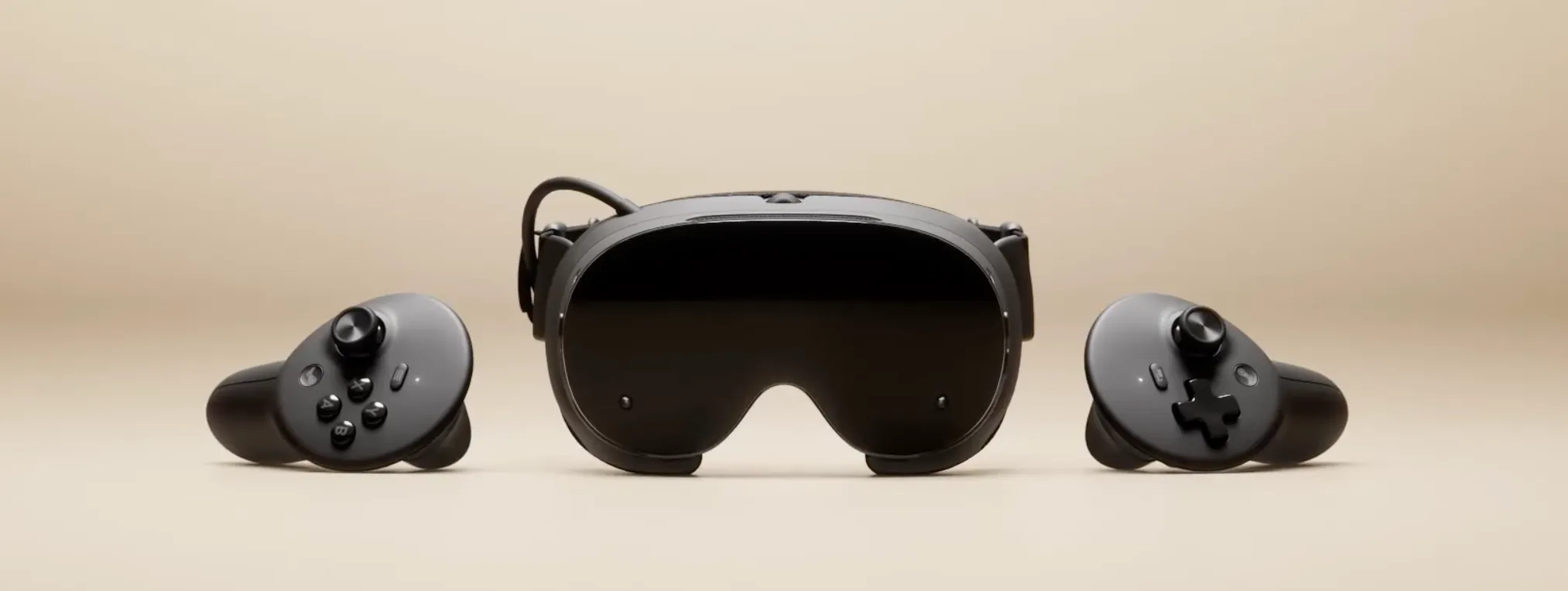
A Samsung XR glasses model that was expected alongside last year's Galaxy XR headset and then quietly disappeared has resurfaced in One UI 9 firmware. The codename is Haean, the model number is SM-O500, and its reappearance in Samsung's software infrastructure suggests the display-equipped device remained in active development rather than being cancelled though the code alone doesn't settle timing.
9to5Google reported today that Haean appeared alongside two "Jinju" variants (SM-O200P and SM-O200J), widely believed to be regional versions of the same device. There are three model designations in the code, but the most coherent read is two distinct products: a display-free model potentially arriving this year, and the Haean display-equipped device reportedly targeting somewhere between next year and 2027, depending on the source.
The firmware doesn't confirm a launch for either. Read alongside separately sourced industry reporting, it points toward a staged rollout by capability — simpler product first, harder one later. Samsung has not confirmed that publicly.
What the One UI 9 code actually shows
The codenames are only part of the signal. SamMobile found earlier this week that a Galaxy Glasses icon has been embedded in the Bluetooth device list, the Companion Device Manager APK, and a test One UI 9 build already running on a Galaxy S26. That's the same pairing infrastructure used for Galaxy Buds and Galaxy Watch.
The glasses have also been added to Samsung's Find app, the tracking system comparable to Google Find Hub for Pixel devices, 9to5Google noted. Placeholder code doesn't usually get wired into pairing systems and device-tracking infrastructure across multiple firmware builds. The breadth of that integration suggests active development, though it says nothing about when either product ships.
Haean's model number (SM-O500) sits in a clearly different series from the Jinju variants and from the Galaxy XR headset's SM-I610 designation, 9to5Google noted. Separate codename, separate number series the firmware structure is consistent with two distinct products rather than regional variants of one device.
Samsung Haean XR glasses and the reported launch order
The code doesn't explain sequencing. External reporting fills in some of the gaps.
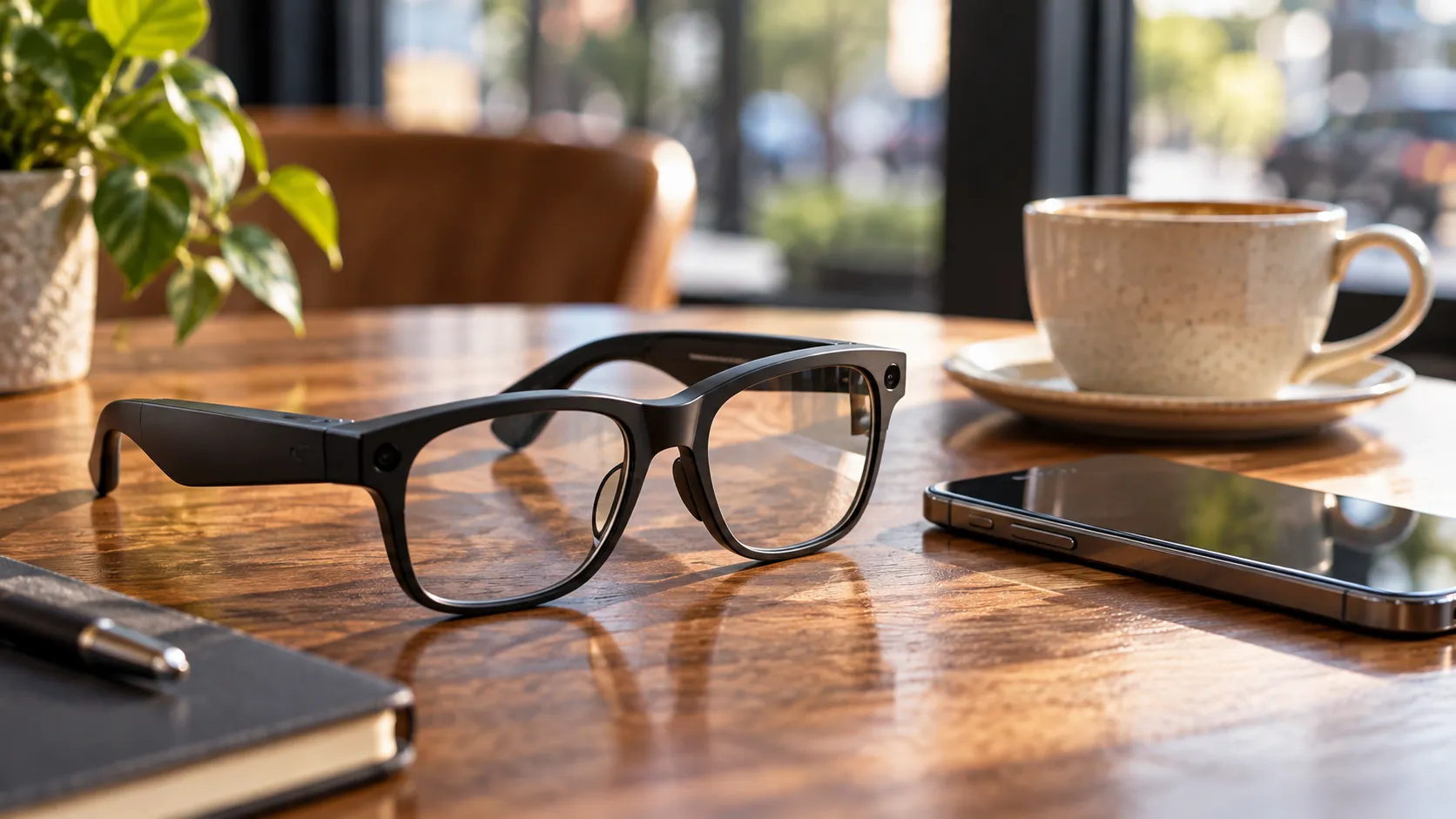
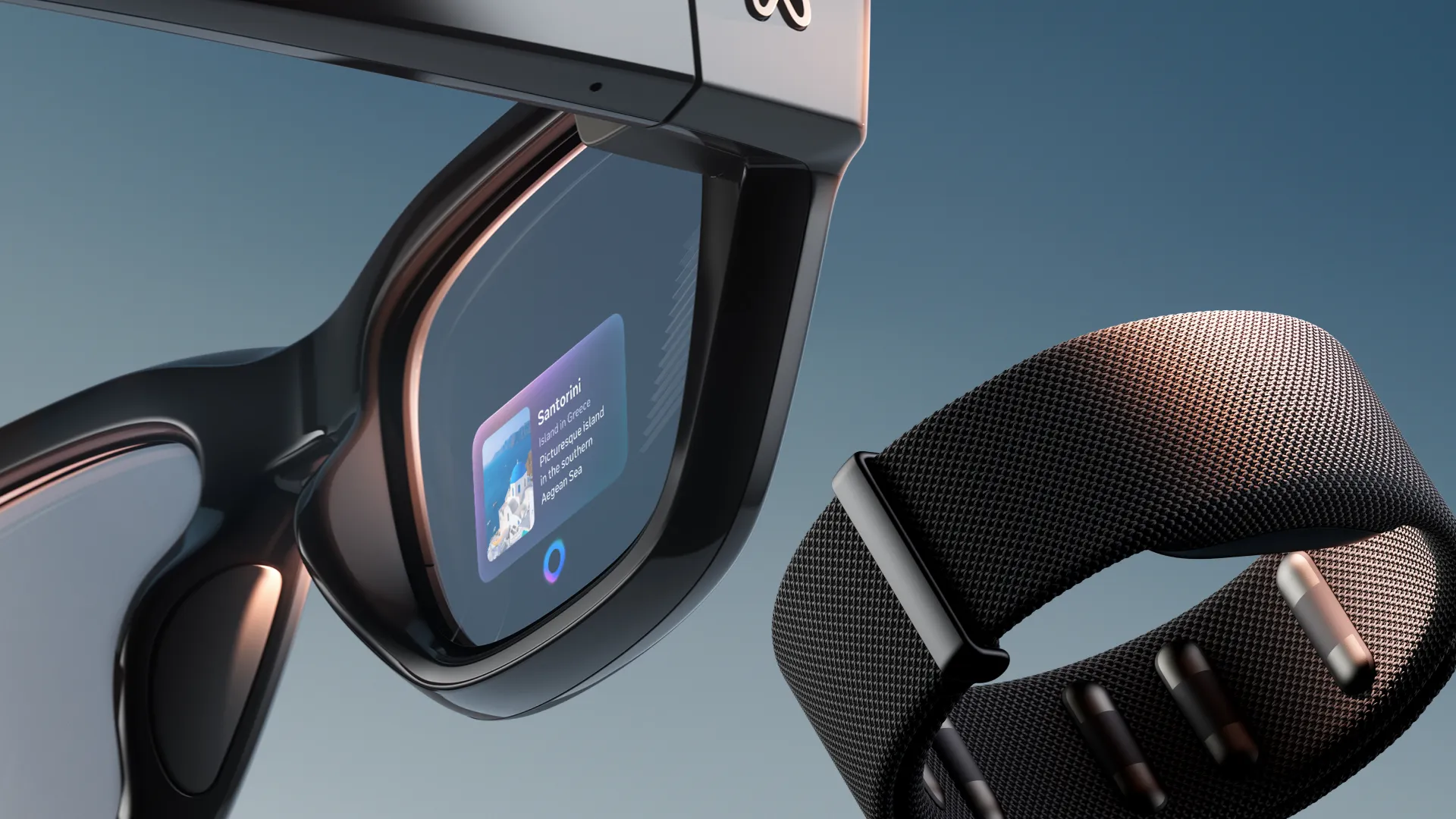
A senior industry official told the Seoul Economic Daily earlier this week that the first Galaxy Glasses are likely to be announced at the Galaxy Z Fold 8 Unpacked event, tentatively scheduled for July or August. That model is expected to carry a camera, speakers, and a microphone but no display. Samsung has reportedly discussed AI-powered camera functionality for at least one glasses model, per 9to5Google, though confirmation of a display in either model has been limited.
The display-free model would use Gemini to process what the camera captures, interpreting scenes through voice interaction and returning results to the wearer, according to Seoul Economic Daily. Nothing is projected into the wearer's field of view in this model; voice is the interface.
Project Haean, the display-equipped model, is described as targeting a release next year, with SmartThings integration planned as a core feature, per Seoul Economic Daily. SamMobile similarly reports a more advanced mixed reality model in development for 2027. The two reports point in the same direction without landing on the same date.
The implied logic of launching the simpler product first is familiar to anyone who has watched platform ecosystems develop. A display-free AI camera frame faces a behavioral adoption question: will people talk to their glasses in public? A display-equipped AR model faces harder engineering constraints optical clarity, heat management, battery life, and whether consumers want information layered into their vision throughout the day. Establishing distribution and developer support on the easier product before committing to those problems is consistent with how Google described the Android XR strategy when the platform launched in late 2024. "It's not going to be a singular product. It's Android," Google's VP of AR and XR, Shahram Izadi, told The Verge at the time, describing a three-pronged approach in which no single device is treated as the future of XR. That framing anticipated exactly this kind of tiered rollout.
The sequencing described above is based on industry sources rather than Samsung's own statements, and should be read accordingly.
Samsung enters a market Meta has already shaped
The firmware evidence surfaces at a specific competitive moment, and that context matters.
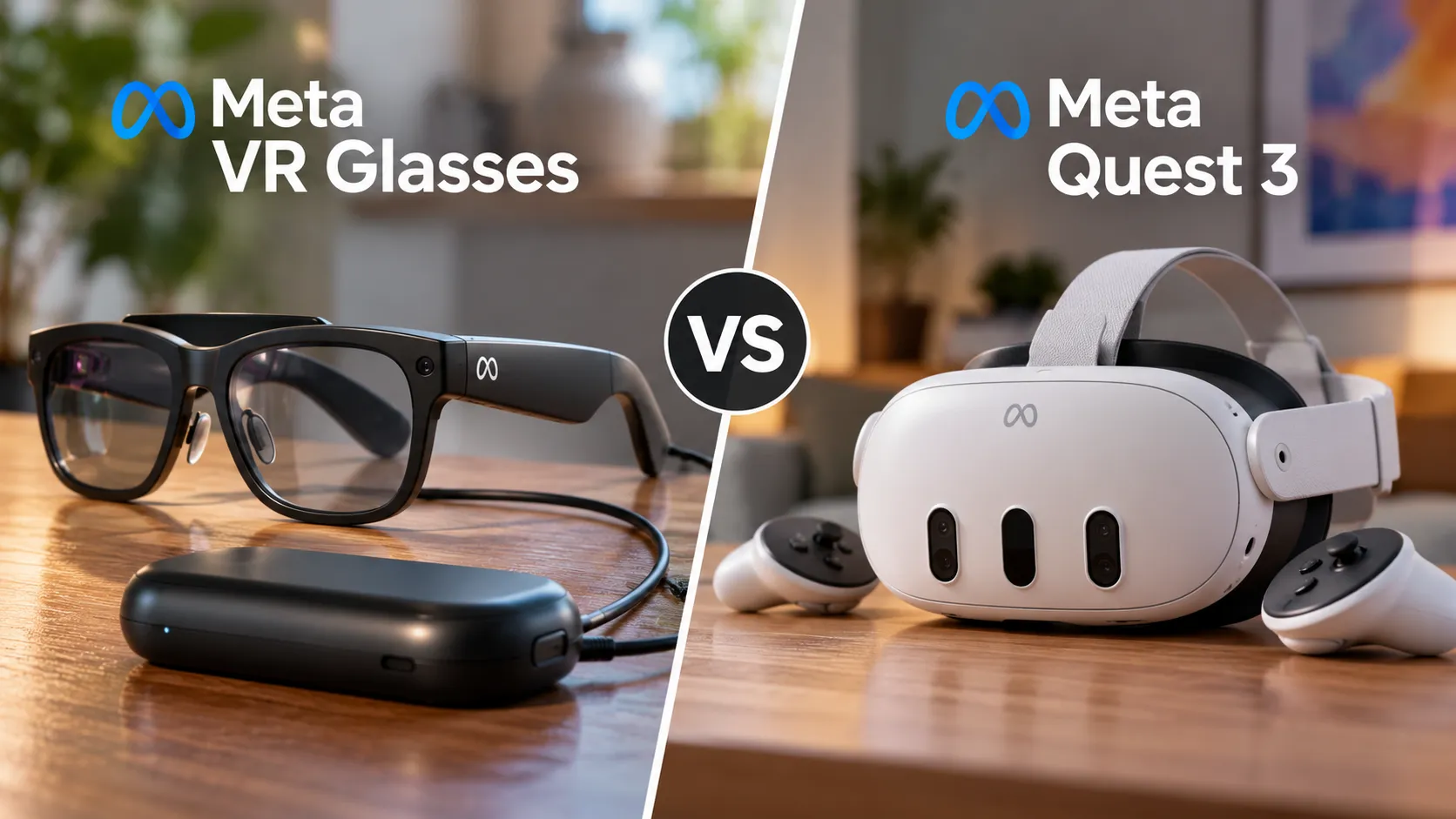
Meta's Ray-Ban smart glasses have set consumer expectations for the display-free category, and Apple is reportedly developing its own entry, according to 9to5Google. Samsung's launch would come roughly a year behind Meta's current generation. The counter-argument is ecosystem scale: Samsung's connected Galaxy device base is projected to reach 800 million units this year, per Seoul Economic Daily, giving it pairing infrastructure and distribution that a standalone glasses maker can't easily replicate. Haean's planned SmartThings integration is a direct play on that strength.
Partnerships with Warby Parker and Gentle Monster point to a different problem, per 9to5Google. Smart glasses sit on someone's face for hours. Frame design and social acceptability carry weight that processor specs can't compensate for on their own.
"Based on our long-term vision and strategic roadmap for extended reality, we plan to develop various form factors in line with market maturity and changing consumer demand," a Samsung Electronics official said, per Seoul Economic Daily. That statement fits either a deliberate segmentation strategy or a company keeping its options open while the market figures out which product consumers actually want. Possibly both.
What to watch next
The software integration across the Bluetooth stack, Companion Device Manager, Find app, and a pre-release Galaxy S26 build spans too many systems to read as a stray artifact. Whether Samsung ships on the reported timeline is a separate question.
Three signals would move this from firmware inference to confirmed pipeline: a Galaxy Glasses mention at the foldables Unpacked event this summer; Haean appearing in regulatory filings such as an FCC submission; or Samsung publishing Android XR developer documentation that explicitly references a glasses-specific API surface. Any one of those would close the gap between what the code implies and what the company has committed to publicly.
The summer Unpacked event reportedly July or August, per Seoul Economic Daily is the first real test of whether that schedule holds, and whether Haean stays in the picture or goes quiet again.



Comments
Be the first, drop a comment!