


Smart Glasses Market 2026: Growth, Competitors, and IDC Forecasts
Display-less smart glasses shipped 2.25 million units in Q1 2026 alone, nearly matching the 2.7 million the entire category moved across all of 2024, according to IDC. IDC's data suggests smart glasses are breaking out of niche XR territory this year, with growth that analysts expected to unfold over years compressing into quarters.
The Q1 numbers are hard to dismiss. Display-less glasses surged 167% year-over-year, IDC reports, while display eyewear spanning the broader AR, VR, MR, and XR segment grew 86% over the same period. Global XR shipments rose 44.4% in 2025, per Next Reality citing IDC, with VR and MR headsets contracting sharply while fashion smart glasses drove most of that category-wide expansion.
Google and Samsung announced their own audio-first eyewear at Google I/O last month, with a fall launch planned for select markets. The competitive picture has changed.
Why audio-first, fashion-forward glasses are winning
Meta held 69.2% of the smart glasses market in Q1 2026, built on its Ray-Ban partnership with EssilorLuxottica, the world's largest eyewear manufacturer, IDC data shows. The company moved roughly 7 million Ray-Ban pairs in 2025 alone, according to Futurum.
What IDC credits for that dominance is less obvious than the market share figure suggests. The Ray-Ban Meta lineup succeeded, IDC notes, because it produced something rare in consumer tech: a wearable people are genuinely unafraid to be seen wearing in public. That bar sounds trivial. It had defeated every smart-glasses product for a decade.
As Next Reality reported citing IDC, the category is winning not because the technology is mature but because people are willing to wear it to the grocery store. That distinction is more consequential than it first appears. The fashion-brand partnerships aren't marketing gloss; they are the product strategy.
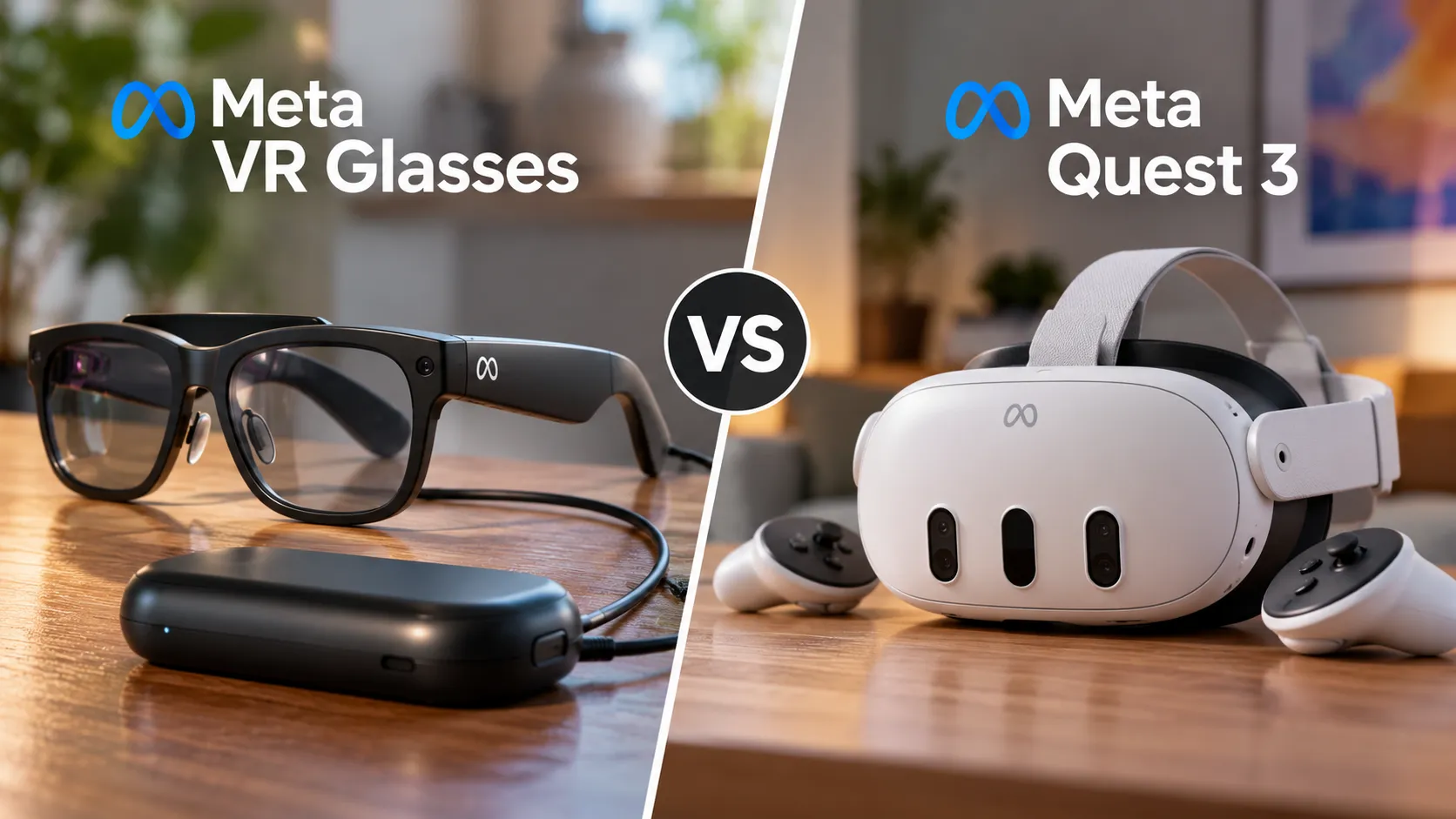
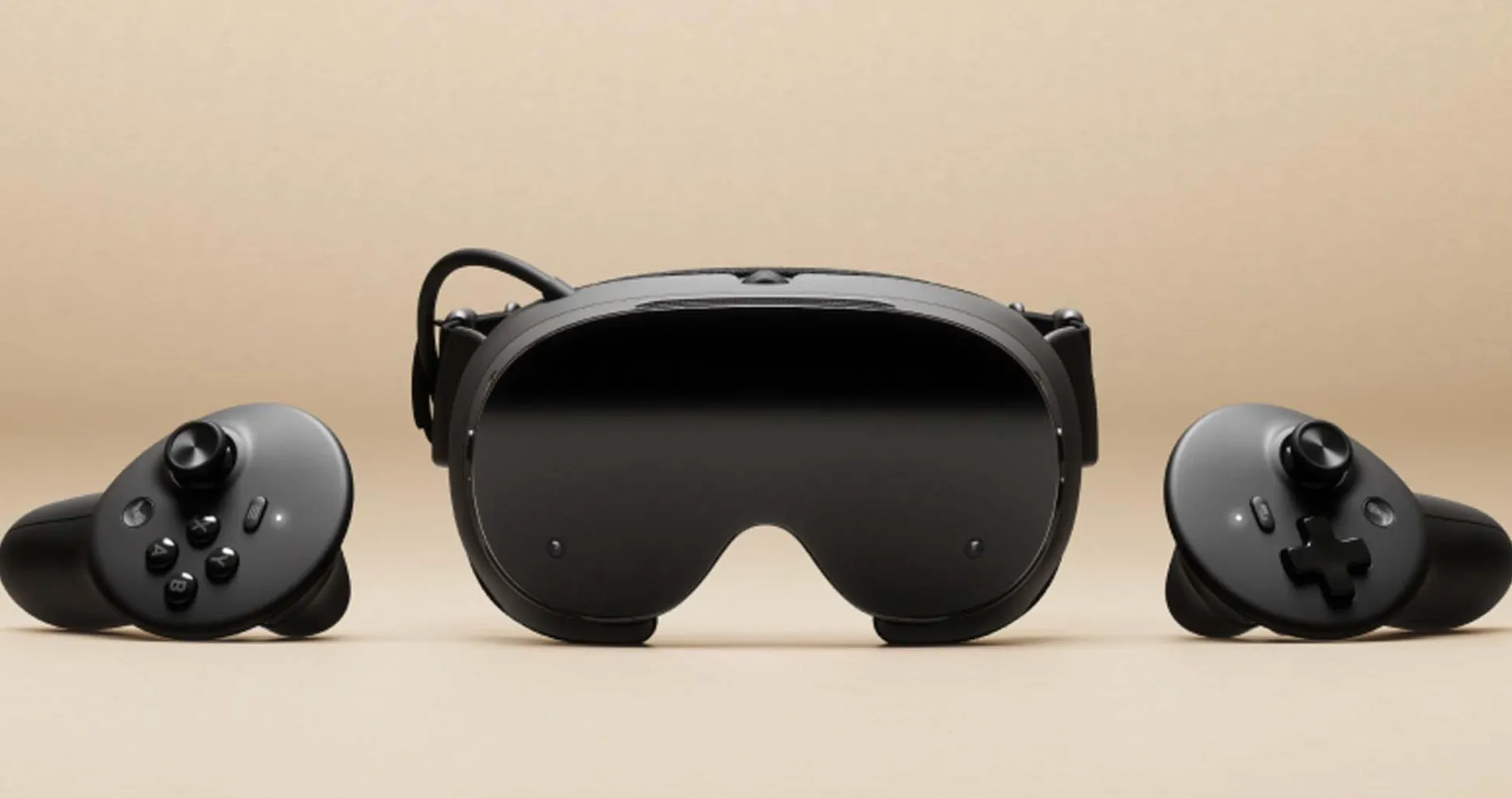
Meta's own internal numbers make the same point from a different angle. Quest VR headset shipments declined 42.3% during the same period its smart glasses were surging, per Next Reality citing IDC. Within a single company, the everyday wearable is outrunning the immersive device.
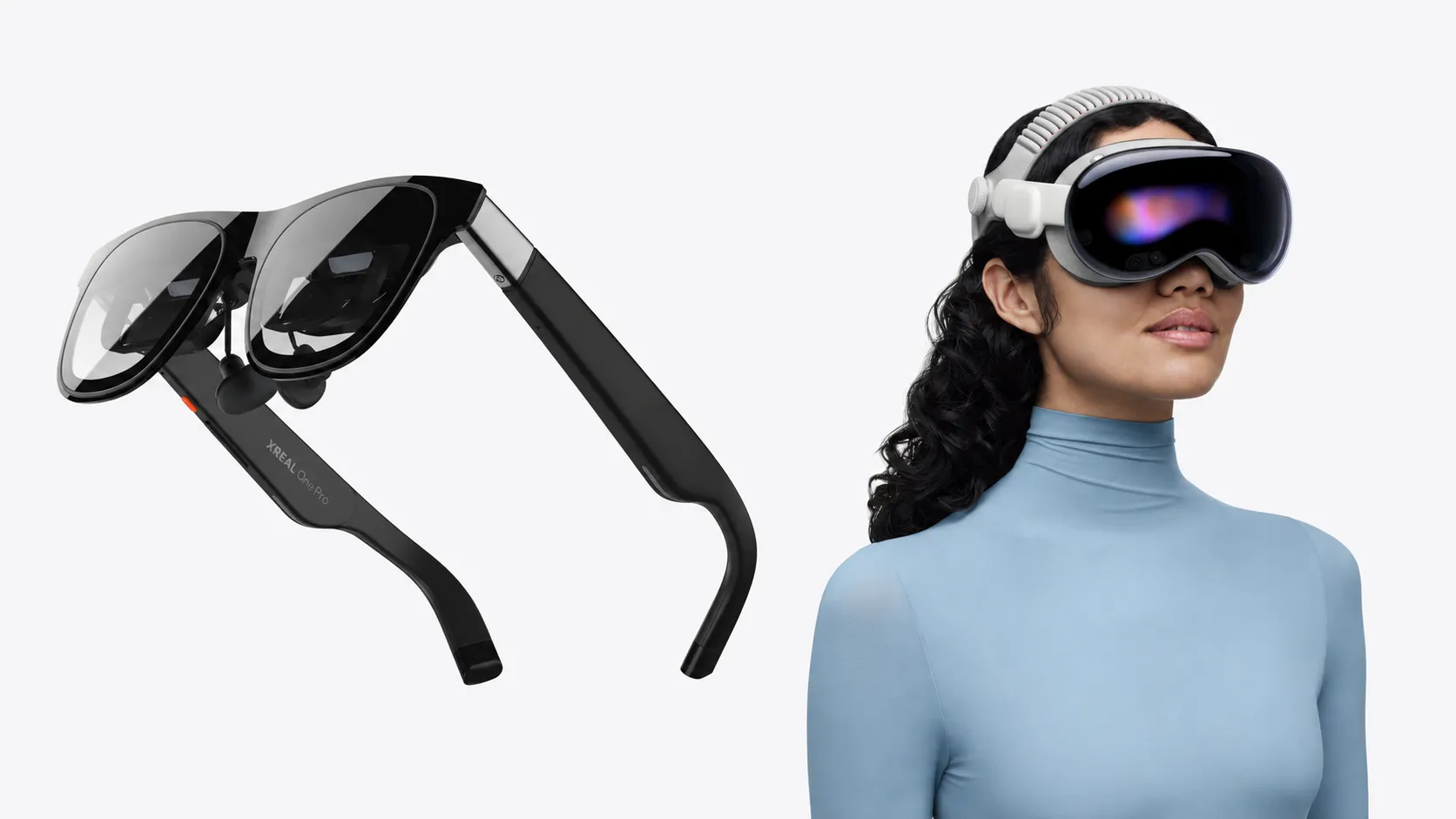
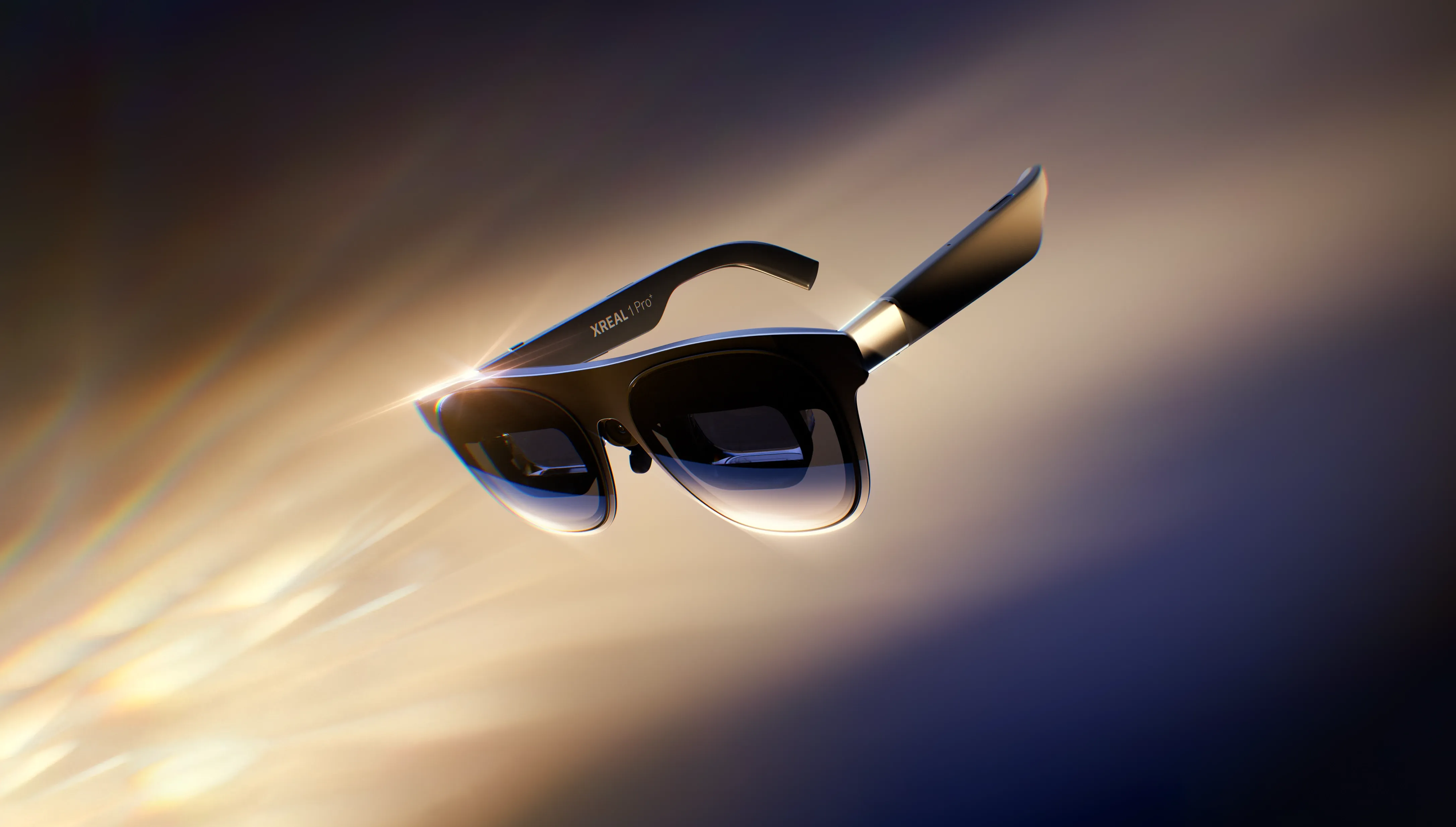
The rest of the market is assembling around the same design premise. RayNeo captured 3.4% share with lower-cost display glasses, Xiaomi holds 3.1% driven primarily by China shipments, and Viture grew 94.9% year-over-year through US retail expansion to rank fourth at 2.5% share, IDC reports. XREAL rounds out the top five at 2%. A long tail of Chinese and global brands collectively accounts for 19.8% of total shipments, a share IDC expects to grow as more vendors enter.
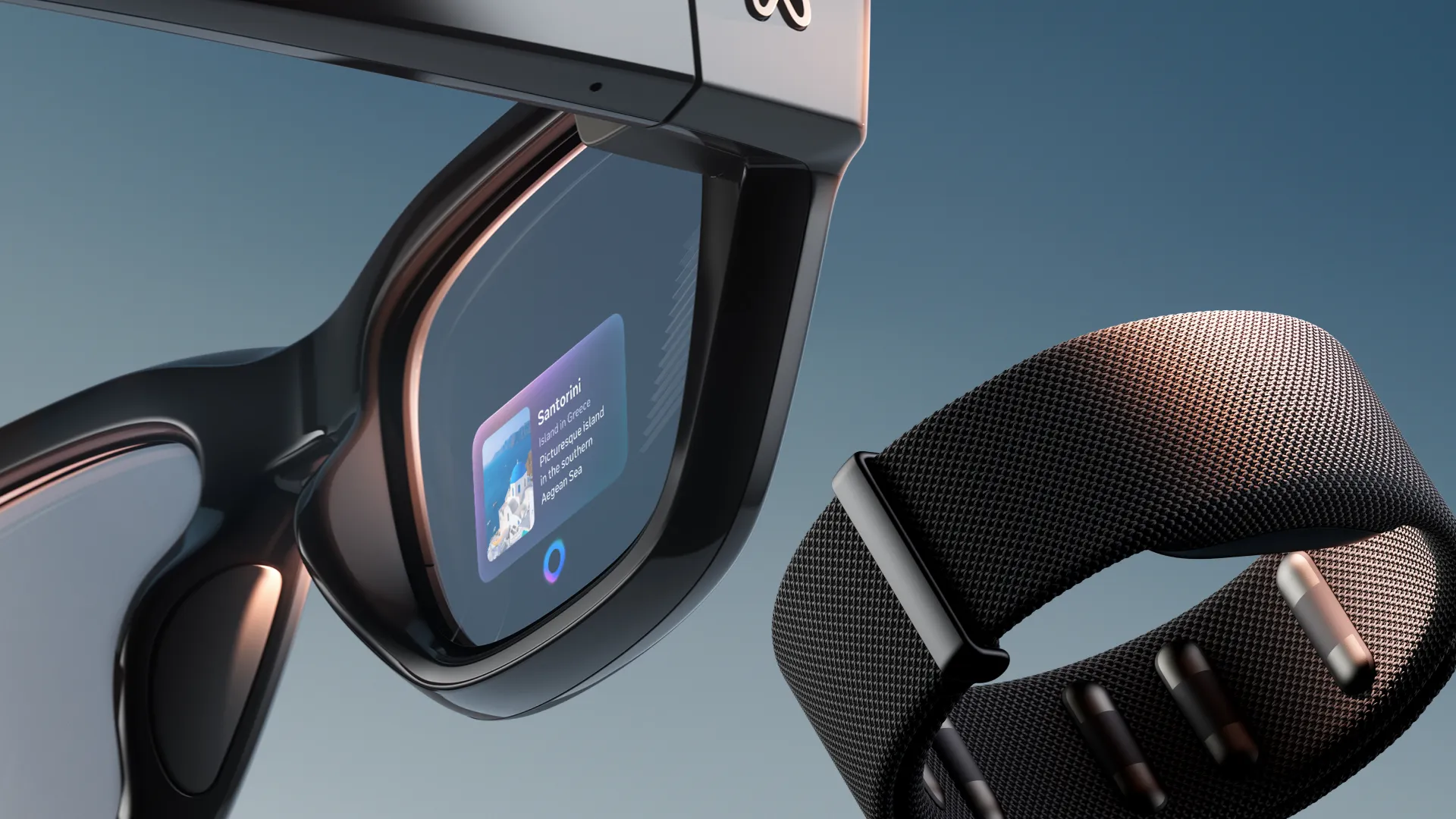
Prescription support is being built into upcoming products, including display-enabled models, Futurum notes. Manufacturers are designing for daily wearers, not gadget enthusiasts.
IDC smart glasses report: Google and Samsung enter the AI eyewear race
At Google I/O last month, Google and Samsung revealed audio-first intelligent eyewear designed with Warby Parker and Gentle Monster, Road to VR reported. Google reportedly invested $100 million in Gentle Monster last year as part of its broader eyewear ambitions, Road to VR notes.
The glasses function as smartphone companion devices, with Gemini handling spoken navigation, real-time translation, message summaries, and multi-step tasks. A Google I/O demo showed Gemini autonomously navigating the DoorDash app to place a food order on the user's behalf, Road to VR reported.
The competitive question here isn't really about hardware design. Meta AI counts more than 1 billion monthly active users against Gemini's 750 million-plus, Futurum notes, but deep integration with Google services, Galaxy devices, Uber, and Google Calendar could matter as much as raw user numbers. As XR optical components remain IP-intensive and the supply chain immature, software and onboard AI are likely to become the primary competitive variables as hardware commoditizes, per Next Reality citing IDC.
Google and Samsung's playbook mirrors Meta's almost exactly: lead with audio glasses, anchor them in fashion-credible eyewear brands, signal display models later. The broader industry has largely converged on what the winning format looks like for now.
Pricing, product names, and full specifications remain undisclosed ahead of the fall launch, Road to VR reported. That leaves the most commercially decisive question unanswered: whether Google and Samsung can compete at Meta's current average selling price of $376, per IDC, or whether they arrive at a premium that limits early reach. Futurum frames the fall launch as the first real commercial test of whether the Google-Samsung platform bet translates beyond the developer stage.
Pricing pressure and privacy concerns haven't gone away
The same design choices enabling smart glasses' commercial breakthrough are generating real friction. Inconspicuous form factors with always-available cameras make these products palatable in public. They also make the recording capability invisible to bystanders.
A 2024 ACM study following 15 camera-glasses wearers found a specific dynamic: the more convincingly a device resembles ordinary eyewear, the more effectively it conceals its recording capability from bystanders, per Next Reality citing the ACM research. Participants rated existing privacy indicators as ineffective and reported feeling personally responsible for protecting bystander privacy, a burden that directly shaped when and where they wore the glasses. The sample is small; the findings are directional, not conclusive.
Google and Samsung have confirmed they're exploring bystander LED indicators and AI-based fraud detection, but Futurum's analysis found nothing in the announced approach that represents a genuinely differentiated privacy solution compared to existing products. The concern is being acknowledged, not resolved.
Pricing adds a separate complication. Average selling prices drifted upward through 2025, from roughly $347 in the first half of the year to around $360 in the second half, per Next Reality citing Counterpoint, with Counterpoint explicitly flagging component shortages as a near-term risk to 2026 momentum. IDC's longer-term forecast points in the opposite direction, projecting prices compress from $376 today to roughly $229 by 2030, IDC data shows. Near-term and long-term are currently pointing different ways.
The underlying tension is this: the better smart glasses get at looking like normal glasses, the harder it becomes to address privacy concerns that normal glasses never had. That's not a category killer. It's the kind of friction that can quietly suppress repeat usage even as shipment numbers climb.
Three variables that will decide whether this holds
IDC projects display-less smart glasses will reach 13.6 million units for full-year 2026, growing to 27.3 million by 2030, with revenue hitting $5.1 billion this year and $6.4 billion in 2027 before moderating as pricing pressure intensifies, IDC forecasts. Whether that trajectory holds depends on a short list of unresolved questions.
The fall launch from Google and Samsung is the first test of whether a credible competitor can match Meta's price point or whether new entrants arrive at a premium that limits reach. Pricing details remain undisclosed, per Road to VR, so the answer comes this fall.
The second question is retention. Shipment numbers tell a strong story about purchase intent, but the research base is thin on whether buyers use these glasses daily after the first month. App integration depth, prescription support, and features like navigation and translation will serve as the most visible proxy for whether people keep wearing these products, Futurum notes, before actual usage data becomes available.
The third is privacy design. The company that figures out something genuinely effective not LED indicators, but an approach that changes how bystanders experience being around camera-equipped glasses will have a position that hardware specs can't replicate.
Display-equipped AR glasses, which IDC expects to surpass VR and MR headsets in unit volume by 2027, per Next Reality citing IDC, still face waveguide manufacturing constraints that separate a working prototype from a scalable consumer product. The current audio-first boom buys time for those problems to be solved. How much time depends on the three variables above.



Comments
Be the first, drop a comment!