


Smart glasses have evolved from science fiction concepts into genuine consumer essentials, and if you've been holding onto holiday gift money, this is the moment to transform your everyday eyewear. The market has experienced unprecedented growth this year, with smart glasses achieving an impressive A grade in wearables performance and sales figures that exceeded even the most optimistic industry projections. What began as experimental prototypes have matured into sophisticated lifestyle accessories that seamlessly integrate digital functionality with everyday practicality.
The transformation isn't just about incremental improvements—we're witnessing fundamental breakthroughs in AI integration, display technology, and form factor design that have finally solved the core challenges that held smart glasses back for years. The result is a category that's ready for mainstream adoption in ways that previous generations simply weren't.
Meta's Ray-Ban revolution: Why these glasses dominate the market
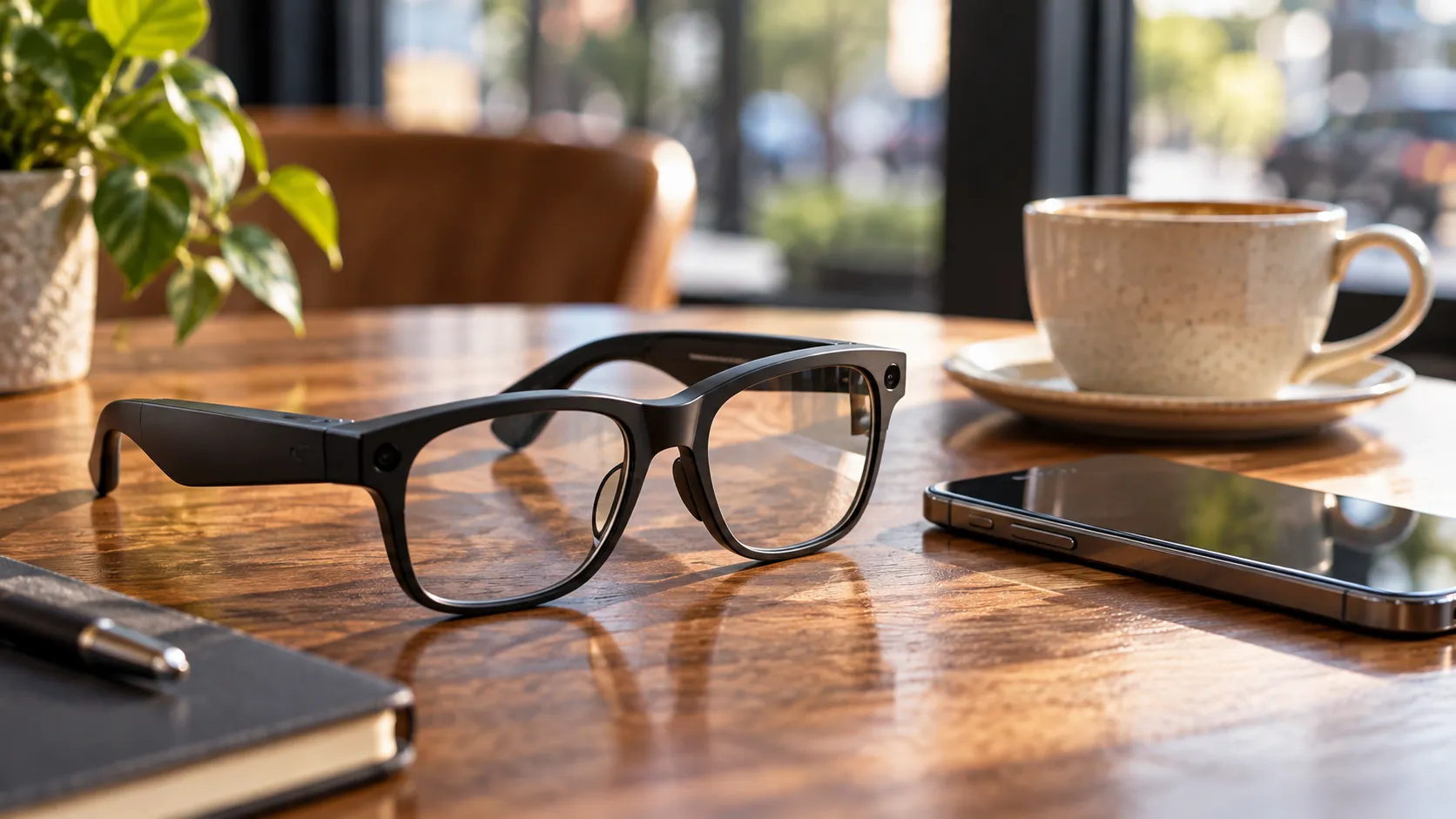
Meta's strategic partnership with Ray-Ban has fundamentally redefined smart glasses success, proving that the right blend of established design credibility and cutting-edge technology can crack mainstream adoption. The numbers tell a compelling story: sales skyrocketed by 200% in the first half of 2025, with over 2 million pairs sold, demonstrating that consumers were ready for wearable AI when it's packaged in familiar, stylish frames. The latest Ray-Ban Meta Gen 2 models have earned recognition as the best smart glasses with cameras for most people, achieving that crucial balance between sophisticated technology and everyday wearability.
What distinguishes these glasses from previous smart eyewear attempts isn't just their authentic Ray-Ban aesthetics—it's their practical approach to daily functionality. The hardware foundation is genuinely robust: 12-megapixel cameras, 8-hour battery life with 48 hours via the charging case, and IPX4 water resistance. This eliminates the constant battery anxiety and durability concerns that plagued earlier generations of wearable tech.
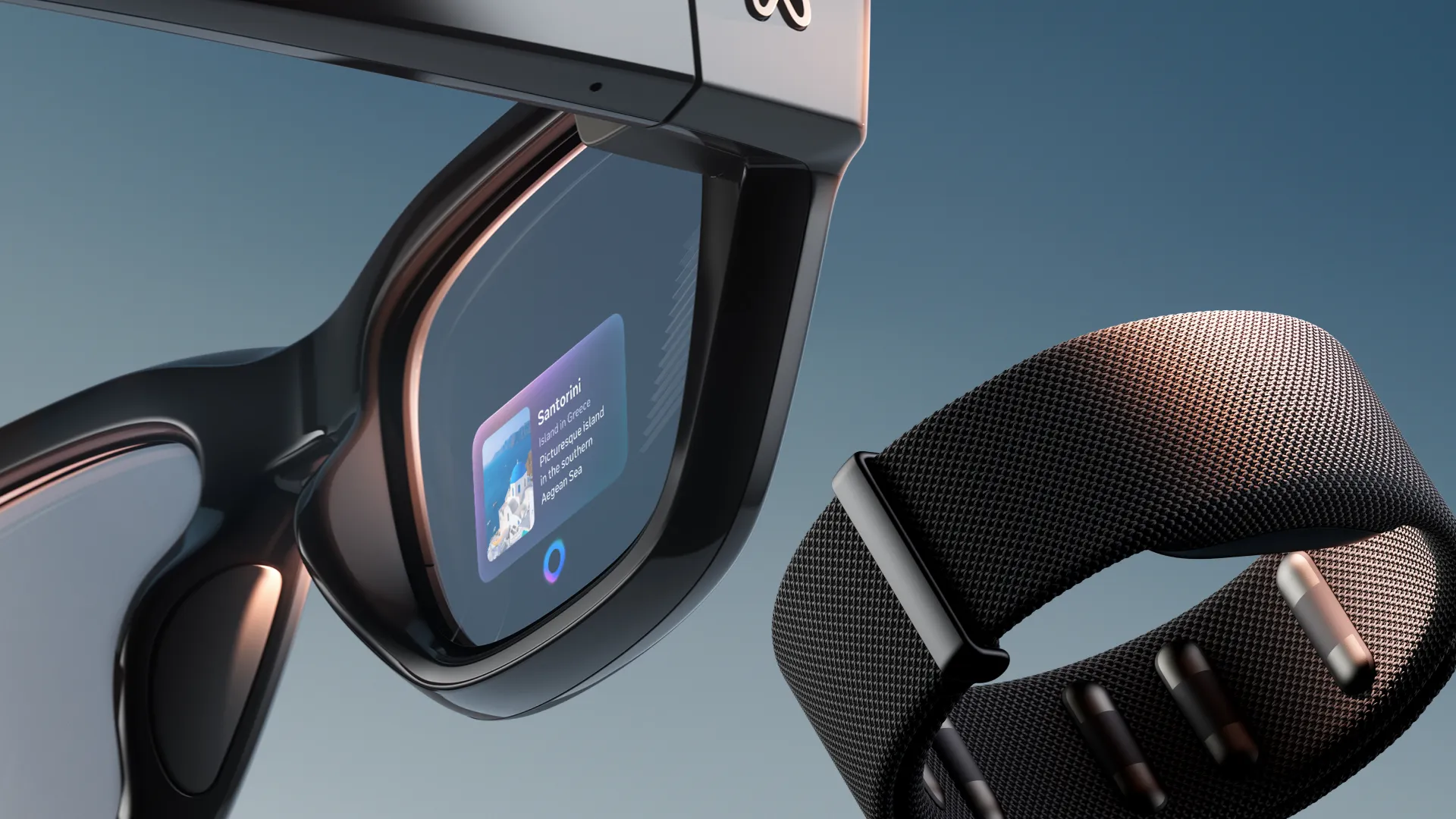
The breakthrough innovation lies in Meta's AI integration evolution. The glasses now support live AI modes that can see what you're seeing and respond to voice prompts, creating a hands-free digital assistant that operates contextually. Whether you're asking them to identify objects, translate foreign text, or provide navigation assistance, the AI responds with the visual context of your environment—a capability that transforms smart glasses from simple recording devices into intelligent companions.
Display powerhouses: When bigger screens meet portable convenience
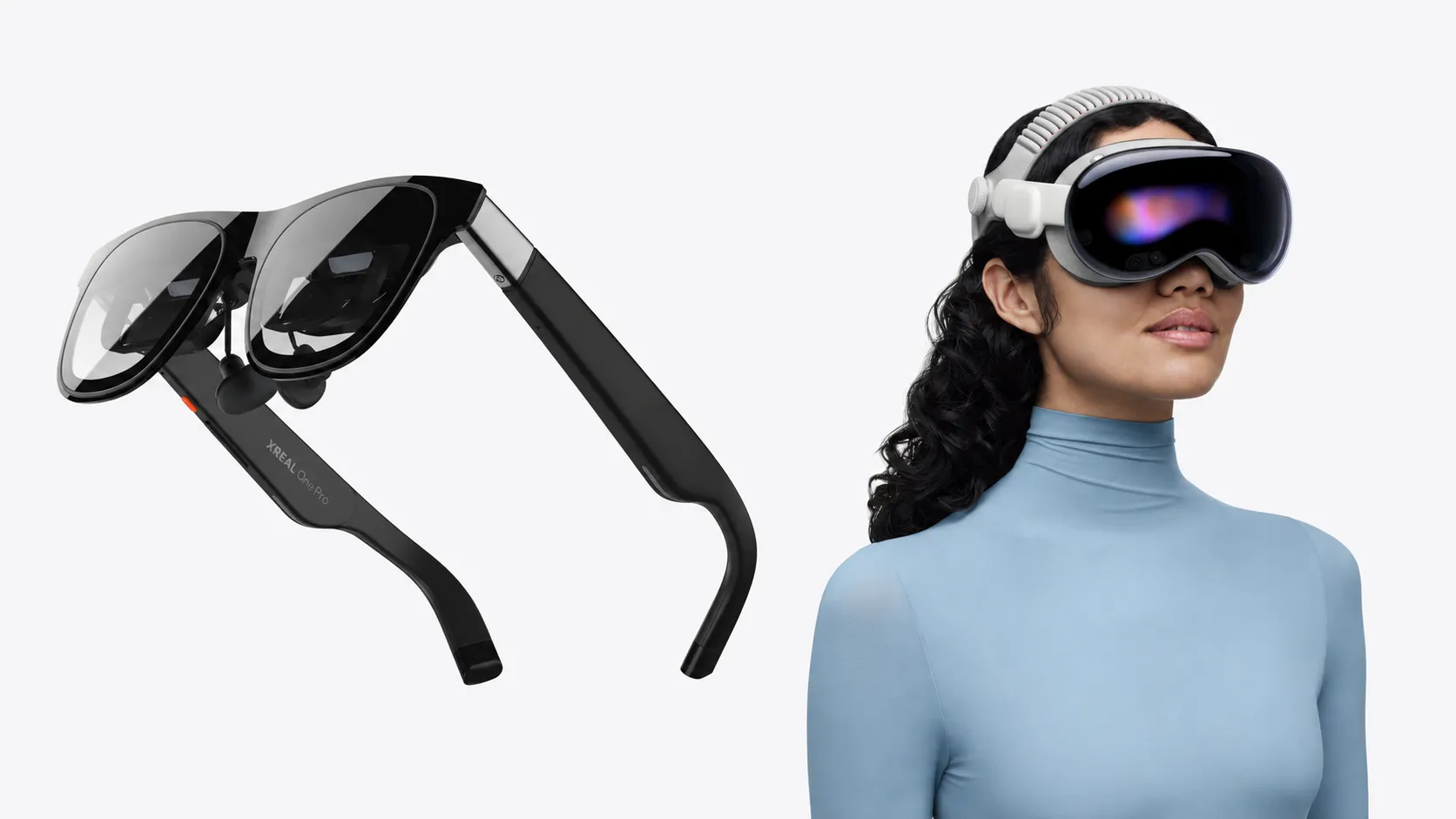
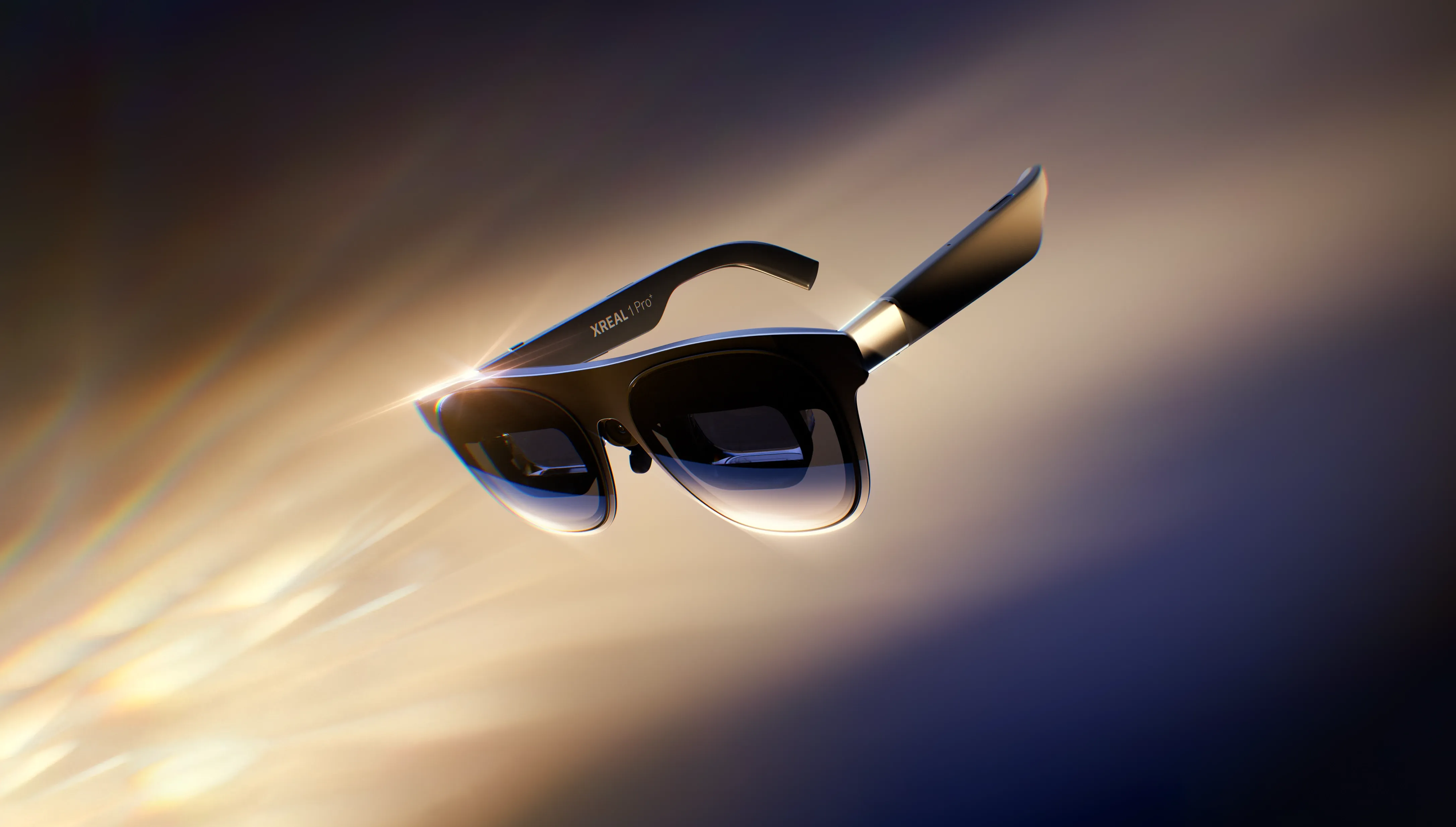
While camera-equipped smart glasses excel at AI assistance and content creation, display-focused models address an entirely different use case: transforming any space into a personal entertainment or productivity environment. The XReal One Pro represents the current pinnacle of this approach, earning recognition as currently the most advanced pair of smart glasses available, with the widest field of view. Its 57-degree field of view and 700 nits of brightness deliver what genuinely feels like having a massive personal display that travels anywhere.
The technical achievement here is remarkable: The XReal One Pro provides a virtual screen up to 171 inches at 1080p resolution while maintaining an 87-gram weight that doesn't strain your face during extended use. This represents a fundamental breakthrough in making large-screen experiences truly portable—you're essentially carrying a home theater in your glasses case.
The market has also matured to offer compelling options across different price points. The RayNeo Air 3s Pro offers exceptional value with bright, vibrant displays at an affordable price point, proving that advanced display technology no longer requires premium investment. This accessibility is crucial for moving display glasses beyond early adopter enthusiasm into broader consumer consideration.
PRO TIP: Display glasses work best when you understand their strengths—they excel for productivity tasks like extending your laptop screen, entertainment in controlled lighting, and travel scenarios where a large display would be impractical.
Specialized solutions: From hearing aids to fitness tracking
The smart glasses category has evolved beyond one-size-fits-all approaches into targeted solutions that address specific user needs and use cases. This specialization represents market maturity—companies now understand that different users require fundamentally different capabilities from their smart eyewear.
Audio-focused smart glasses have found particularly compelling applications in hearing assistance. The Nuance Audio glasses exemplify this approach, combining vision correction with hearing enhancement through directional microphone technology. These FDA-approved over-the-counter hearing aids are currently available for less than $1,000, down from $1,200, providing a socially acceptable alternative for people who avoid traditional hearing aids due to stigma concerns.
Fitness applications have driven another specialized category, with devices like the Oakley Meta Vanguard targeting active users. Starting at $499, they support cross-platform fitness tracking and slow-motion video recording, while featuring IP67 ratings for sweat and water resistance, 12MP ultra-wide cameras, and up to nine hours of battery life. The integration with platforms like Garmin and Strava creates seamless workflow for athletes who want hands-free documentation without compromising their training gear.
This specialization trend reflects deeper understanding of how different users interact with wearable technology—hearing assistance users prioritize discretion and audio clarity, while fitness enthusiasts need durability and integration with existing health ecosystems.
The next wave: What's coming in 2026 and beyond
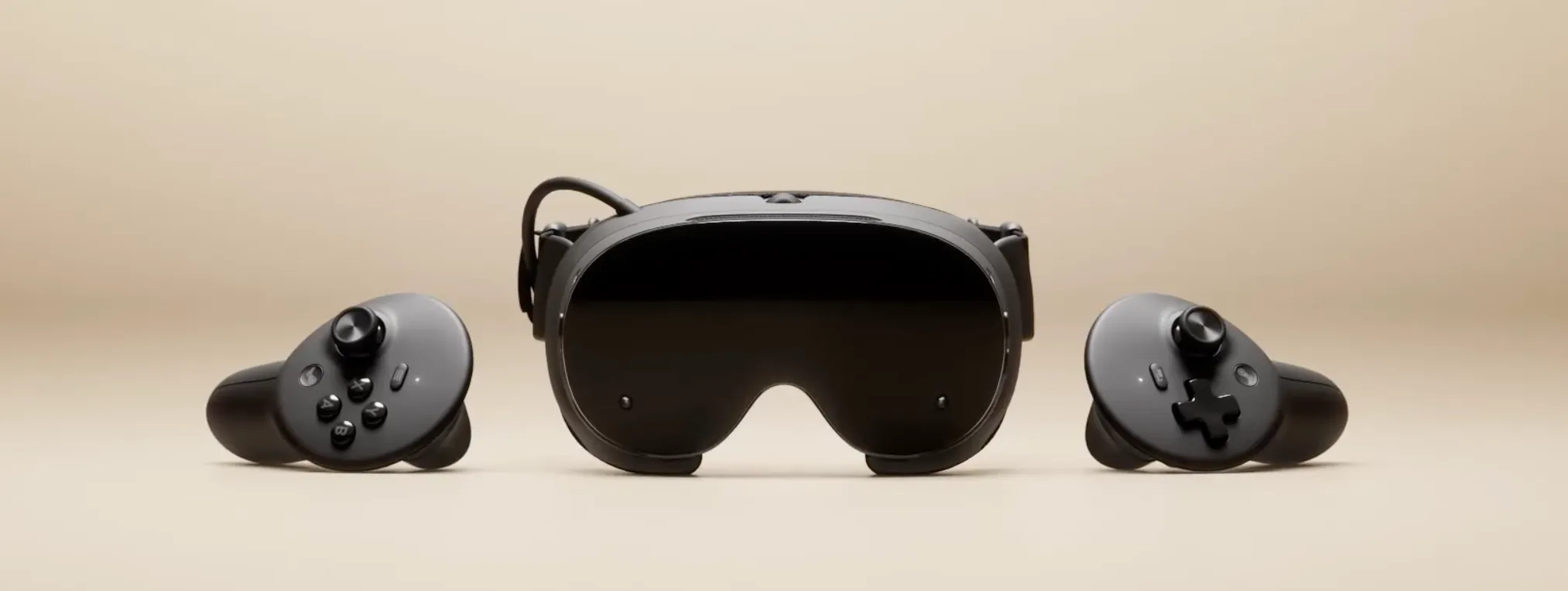
The smart glasses revolution is entering its next phase, driven by platform standardization that could transform the category from fragmented experiments into cohesive computing platforms. Google's Android XR platform represents the most significant development in this direction, designed to bring consistency to mixed reality headsets and smart glasses as an "Android for XR", addressing the ecosystem fragmentation that has limited broader adoption.
Early demonstrations reveal compelling capabilities: completely wireless development kits running on their own batteries while connecting to Android phones for processing. This architecture solves a fundamental challenge—creating powerful smart glasses that don't require bulky onboard computing or tethered connections that limit mobility.
The manufacturing scale-up indicates industry confidence in sustained growth. The smart glasses category is projected to exceed $30 billion by 2030, with production capacity expanding to meet demand. Meta's partner EssilorLuxottica has ramped up production to 10 million smart glasses per year, while global shipments rose 110 percent year-on-year in the first half of 2025.
These aren't speculative projections—they represent manufacturing commitments based on actual consumer adoption patterns that suggest smart glasses have crossed the chasm from early adopter novelty to mainstream technology category.
Your smart glasses investment: Making the right choice
Smart glasses have reached a maturity inflection point where they solve real problems rather than simply demonstrating technological possibility. Whether you're considering Meta's AI-powered Ray-Bans for hands-free digital assistance, XReal's display glasses for portable productivity, or specialized options for specific needs like hearing enhancement or fitness tracking, each category now offers genuinely compelling value propositions.
The key to making the right choice lies in matching your primary use case with the appropriate technology approach. Camera-equipped models like the Ray-Ban Meta excel when you need AI assistance, content capture, and social connectivity. Display glasses shine for productivity enhancement, entertainment, and scenarios where screen size matters more than portability. Specialized variants address specific requirements that general-purpose glasses can't optimize for effectively.
The market timing couldn't be better for new buyers. Production scaling has improved availability while competitive pressure has driven feature improvements and price optimization. Platform developments like Android XR promise even better integration and app ecosystems in the near future, but current devices offer immediate utility that justifies investment today.
With manufacturing capacity expanding and new platforms launching, the smart glasses category is positioned for sustained innovation that will only improve the value equation. The future of wearable computing isn't just approaching—it's sitting comfortably on your nose, ready to enhance how you interact with the digital world.




Comments
Be the first, drop a comment!