



Snap AR glasses Tony Stark framing explained: a platform bet, not a product launch
Snap opened pre-orders for Specs, its first consumer AR glasses, at $2,195 earlier this month. The stock fell roughly 9% on the announcement, per BBC. That reaction is understandable. It's also pointed at the wrong thing. The Snap AR glasses Tony Stark optics at the Augmented World Expo last week were deliberate part of a larger effort to position Snap's AR software stack as a licensable platform, not simply to sell expensive hardware, as Next Reality reported today.
Evan Spiegel's $2,195 price tag and his carefully constructed founder-as-visionary act are both pieces of that same puzzle.
What Snap actually launched
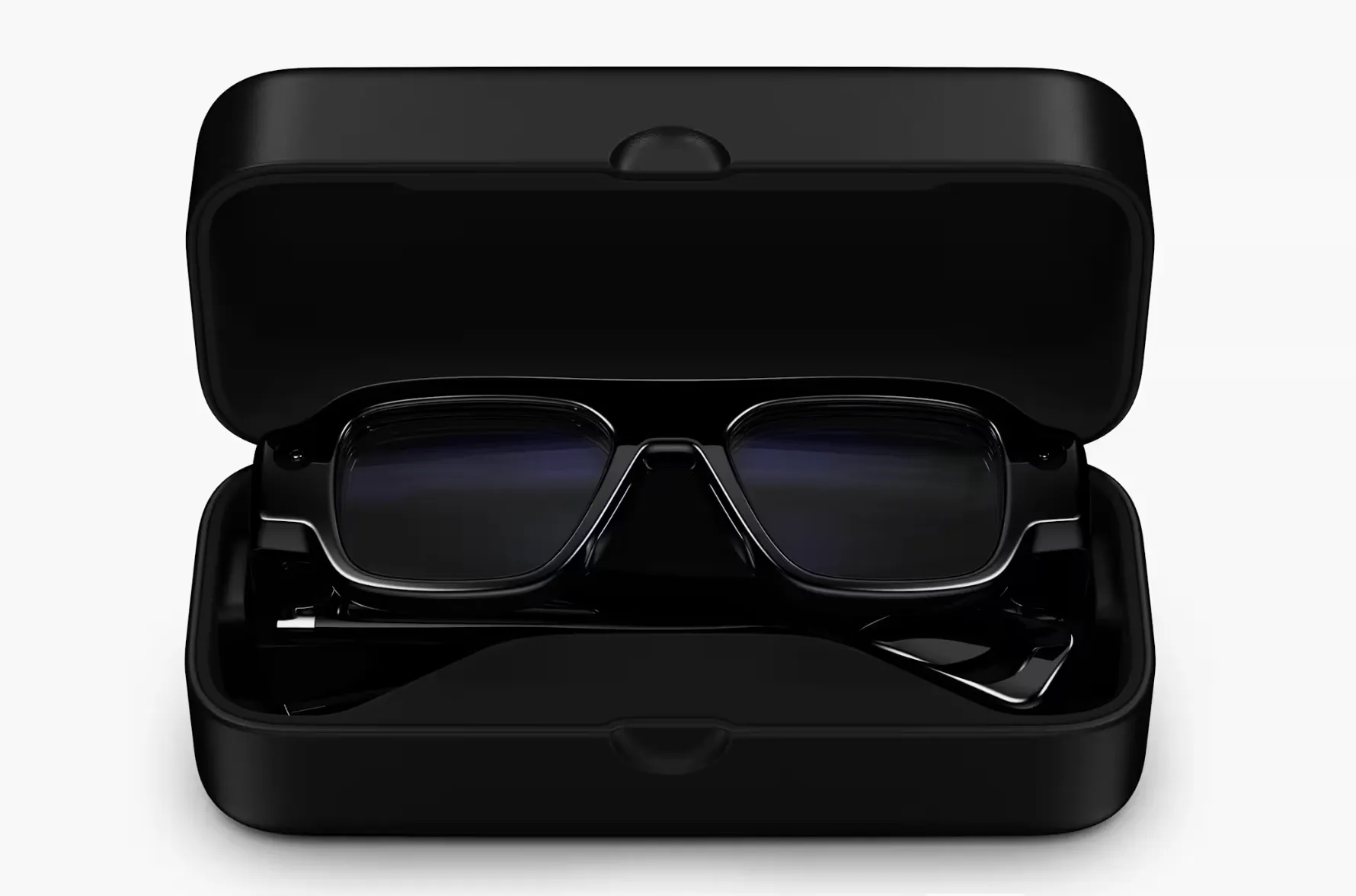
Specs runs on dual Snapdragon processors, delivers a 51-degree field of view with 16 million colors, and operates fully untethered without a paired phone, unlike Meta's camera glasses, per TechCrunch. A charging case extends daily use to 20 hours. EyeConnect, activated when two Specs wearers make eye contact, points toward the social computing use case Spiegel keeps describing. Shipping is expected this fall in the US, UK, and France.
The limits are genuine. Battery life runs about four hours of active use. Analyst Ben Hatton told BBC that glasses with that battery life and a bulky design "are not going to replace the smartphone any time soon." At $2,195, Specs costs more than any other smartglasses currently on the market and most headsets, second only to Apple Vision Pro, per Engadget.
Spiegel was direct about the pricing logic. "As far as computers go, it's an incredibly powerful new computer, and we try to price in a way that makes it something that early adopters and developers and folks who are really passionate about this technology can afford," he told Engadget. The price is set to recover per-unit margin rather than chase volume, per VR.org. Snap is not optimizing for unit sales at this stage.
Apply the right standard and the hardware limitations look less damning. Specs doesn't need to replace smartphones. It needs to be good enough to give 300,000 developers a real-world testing ground, attract the early-adopter cohort that seeds platform behavior, and demonstrate that Lens Studio lenses work meaningfully in AR. On those terms, it clears the bar.
Why Lens Studio matters more than the price tag
The fifth-generation Spectacles launched in September 2024 not as a retail product but as a $99-per-month developer subscription, as The Verge noted at the time, cited by Next Reality. That was the first visible signal of the current approach: build the developer platform before chasing consumer adoption. Specs continues that logic rather than departing from it.
The platform underneath is substantial. Lens Studio, Snap's AR development environment, has over 300,000 registered developers who have collectively produced more than 3 million AR lenses, per Snap investor materials cited by Next Reality. That developer base sits inside a social network with more than 450 million daily active users globally, skewed heavily toward the 13-to-34 demographic. Snap has been paying creators for Specs content since 2023, per VR.org, seeding ecosystem incentives well before any consumer product existed.
The company posted an operating loss exceeding $700 million in fiscal 2025, per Next Reality, which makes the pressure to find a revenue model beyond advertising structural rather than optional. The long-range economics offer some relief: the AR glasses addressable market could surpass $50 billion by 2030, per IDC estimates cited by Next Reality. Waveguide optics manufacturing costs have reportedly fallen roughly 60% since 2020, per Counterpoint Research analysis via Next Reality, which could put consumer-grade AR glasses on a path toward the $300–$500 price range over time.
Bloomberg has reportedly tracked Snap's conversations around hardware partnerships that would reduce its capital exposure while preserving its platform position, via Next Reality. No deal has been confirmed. If one materializes, the implications shift considerably: lower manufacturing burden, broader Lens Studio reach, and a revenue stream with no connection to ad impressions. That outcome, not the hardware launch itself, is what Next Reality characterizes as Snap's potential path out of its ad revenue trap.
Why the Snap AR glasses Tony Stark pitch matters beyond marketing
Spiegel pushed back on the "AI glasses" label directly at the Augmented World Expo last week, calling Specs "a new type of computer, a see-through computer" and describing recording as "an almost tangential use case," per Engadget. The day before, he told Axios that "the future of a social network is actually returning to in-person interaction, but empowered through computing" framing the glasses not as a gadget but as a philosophical correction to screen-based social media.
The idealism has specific history behind it. Google Glass collapsed under privacy backlash in 2013 and 2014, per Next Reality. Snap's own 2016 Spectacles launch left the company with a reported $40 million in unsold inventory, per BBC and Next Reality. Both products had features. Neither generated enough social acceptance to matter.
Spiegel told BBC that "privacy has to be built in from the very beginning" and that "Specs only work if people trust them." The device includes a visible recording indicator light and user control over what data gets stored, synced, or deleted. Facial recognition applications are prohibited within the developer ecosystem entirely, Spiegel confirmed to Engadget.
The reason this matters is structural, not aesthetic. No software platform for face-worn computing scales without social acceptance from people who aren't wearing the glasses. Bystanders, regulators, parents, and potential hardware licensees all need to be comfortable enough with the product for developers to build on it confidently. Spiegel's trust-first messaging is a precondition for the licensing strategy without it, the platform pitch to third-party hardware makers doesn't hold.
Three signals that will show whether this is working
Next Reality reported today three concrete developments to watch over the next 12 to 18 months.
First, a named hardware licensing partner. Bloomberg has reportedly tracked Snap's conversations in this area, via Next Reality, but nothing has been confirmed. A named deal would extend Lens Studio's reach beyond Snap's own device and confirm Snap OS as a licensable platform rather than an internal operating system. That distinction separates a hardware company carrying high fixed costs from a software platform with structural use.
Second, whether Snap begins disclosing AR lens revenue as a separate earnings line rather than absorbing it into general advertising figures, flagged by Next Reality as a key signal to watch. That disclosure shift would indicate AR monetization is measurable and growing. Until it appears, the platform story remains an assertion.
Third, whether creator income from Lens Studio becomes publicly measurable. Snap has been compensating creators for Specs content since 2023, per VR.org, but the scale and quality of that activity hasn't been independently verified. Sustained creator earnings would signal genuine ecosystem health, which is the foundation any licensing pitch ultimately rests on.
Spiegel's vision is coherent. The platform logic is more developed than anything Snap has put forward in previous hardware cycles. But the company has told a compelling hardware story before and absorbed the consequences when adoption didn't follow. The scoreboard this time will be in the earnings disclosures and partnership announcements, not the keynotes. Those will start arriving this fall.




Comments
Be the first, drop a comment!