


The AR landscape is about to get more interesting. After years of treating Spectacles as an experimental side project, Snap is making a bold strategic move that could reshape the entire industry. According to Reuters, the social media giant has invested over $3 billion across 11 years developing augmented reality technology—an investment that now directly enables their unprecedented strategic pivot.
The company announced plans to launch lightweight, immersive Specs in 2026, but here's what makes this different from previous hardware announcements: they formed a wholly-owned subsidiary, Specs Inc., on 2026-01-28. This massive investment history proves they have the technical foundation and ecosystem momentum to justify such an aggressive structural change—something no competitor can claim with shipping AR hardware.
From developer experiment to consumer reality
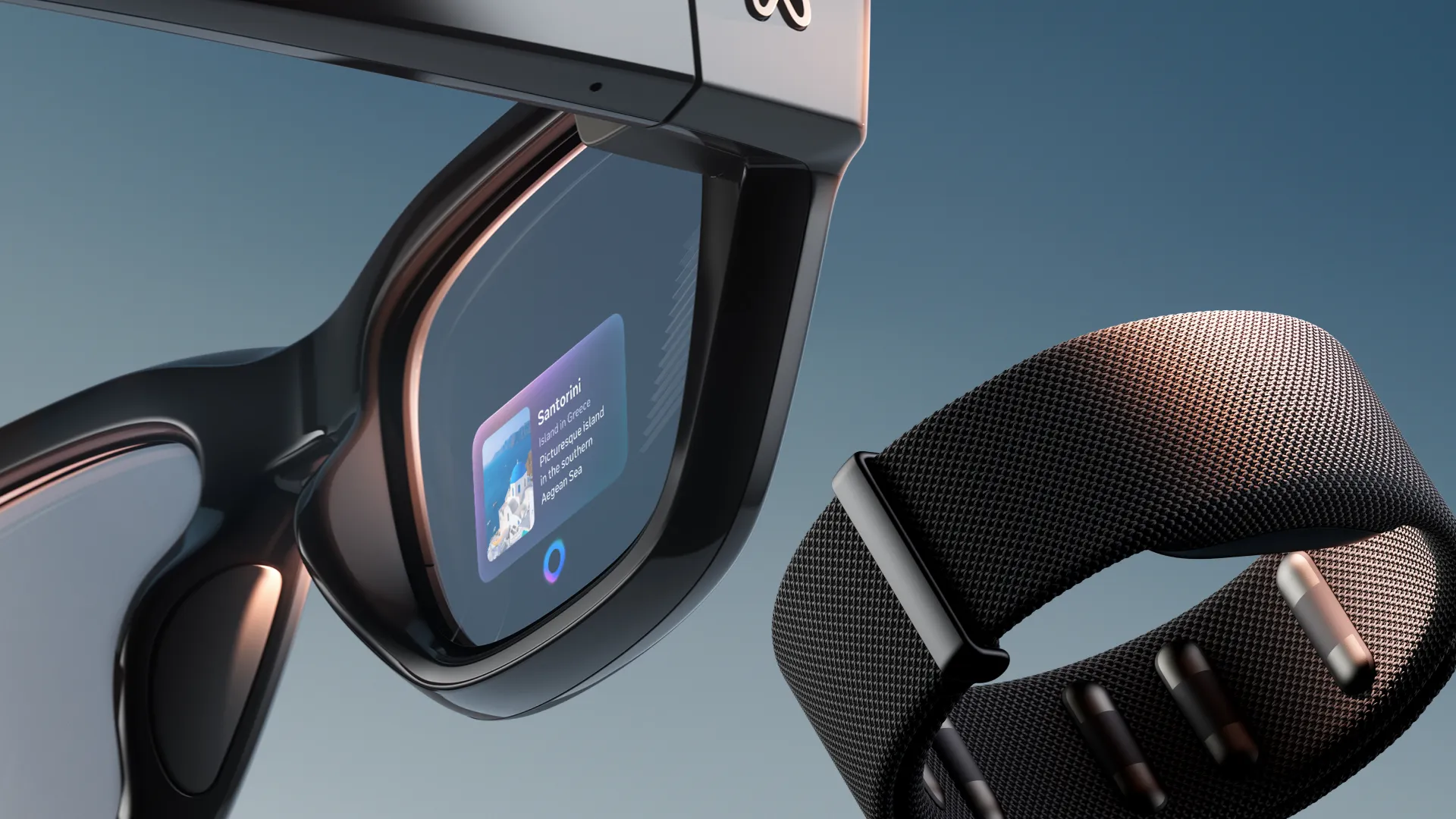
What's fascinating about Snap's approach is how methodically they've built toward this moment. The current fifth-generation Spectacles aren't consumer products at all—they're sophisticated development hardware with impressive specs. We're talking about a 46-degree diagonal field of view, 45-minute battery life, and full hand tracking capabilities, as detailed by Snap's newsroom. But these developer-focused glasses have served a crucial purpose: proving that consumer demand exists at massive scale.
The ecosystem validation here tells a compelling story about market readiness. Over 400,000 developers have created more than 4 million AR Lenses using Snap's tools, and people use AR Lenses in the Snapchat camera 8 billion times per day. This isn't just developer interest—it's concrete evidence that mainstream consumers are already engaging with AR experiences daily, even if they don't realize it. The transition from experimental hardware to commercial viability becomes logical when you have billions of daily interactions proving demand.
The transformation from Spectacles to Specs (yes, they're dropping the "acle" for the consumer version) represents this shift from experimentation to scale-ready business. The standalone company structure will enable them to move faster on manufacturing optimization, hire specialized talent for production engineering, and make the kind of aggressive supply chain investments that wouldn't make sense within their broader social media business model.
What makes Snap's AR approach different?
Here's where things get interesting: while Meta, Apple, and Google are all working on AR glasses, Snap is the only company that actually has shipping hardware feeding into a mature developer ecosystem right now. Their current Spectacles feature custom optical engines with Liquid Crystal on Silicon micro-projectors and proprietary waveguide technology, as reported by Engadget. This isn't vaporware—it's functional technology that developers are actively using to validate real applications.
The real competitive advantage lies in their software stack. Snap OS already supports seamless hand tracking, voice control, and collaborative AR experiences where multiple users can share the same augmented space, according to Upload VR. This ecosystem maturity creates a compounding effect—each new developer builds on existing capabilities, strengthening the platform's appeal for the next wave of creators.
The integration with AI services like ChatGPT and Google's Gemini adds another critical layer, as noted by CNET. Snap's partnership with Niantic Spatial for location-based AR experiences demonstrates they understand that killer AR applications will be contextual and socially-connected—which plays directly into their core competency as a social platform. This creates systematic competitive advantages that hardware-focused competitors will struggle to replicate quickly.
The business model revolution
Now here's where the standalone company strategy gets really clever. Instead of the traditional hardware model where you dump massive resources into R&D and hope consumers buy your product at launch, Snap has created a sustainable development pipeline that proves business model viability. Their current approach charges developers $99 monthly for access to Spectacles hardware and support, as outlined by Snap's newsroom. This subscription model generates revenue while building the ecosystem—and more importantly, it validates that there's real commercial value in the platform.
This approach solves the fundamental chicken-and-egg problem that kills most hardware platforms. By the time consumer Specs launch in 2026, there should already be a library of proven AR experiences with demonstrated user engagement and revenue potential. The developer subscription revenue also provides crucial data about which applications actually retain users and generate value, informing both hardware design and go-to-market strategy.
The infrastructure investment tells the story of long-term platform ambitions. Snap Cloud services, built on Supabase's PostgreSQL platform, enable developers to create sophisticated experiences with dynamic asset loading and edge functions. This backend development creates developer ecosystem lock-in—once creators build complex applications using Snap's cloud infrastructure, switching to a competitor's platform becomes exponentially more expensive.
Where this leads the AR industry
The timing of this strategic shift reflects sophisticated market analysis rather than opportunistic hardware launches. We're seeing early deployments of AR glasses in professional and event settings, with applications ranging from enhanced entertainment experiences to accessibility improvements, as reported by TicketFairy. These real-world applications demonstrate clear ROI, suggesting the market is transitioning from experimental to practical adoption—exactly the conditions needed for mainstream consumer launch.
The standalone structure positions Snap to capitalize on this timing more aggressively than competitors treating AR as experimental side projects. Meta's approach has been more focused on high-end VR with some AR capabilities, while Apple's rumored glasses remain in development. Google's AR efforts have been inconsistent. Snap's head start with shipping hardware and working developer ecosystem creates real competitive pressure that could force industry-wide acceleration.
The collaborative and social aspects of their AR experiences align perfectly with emerging use cases in entertainment, education, and professional applications. If Snap can establish their platform as the go-to choice for developers before competitors ship comparable hardware, they'll have built something much more valuable than a consumer electronics business—they'll have created the foundation for the next computing platform.
The path forward: challenges and opportunities
Of course, significant challenges remain before mainstream AR adoption becomes reality. Current Spectacles still face fundamental limitations—they weigh 226 grams, have limited battery life, and reportedly cost thousands of dollars per unit to manufacture, according to Engadget. The standalone company will need to solve these hardware economics while maintaining their software ecosystem advantages.
But here's where Snap's developer-first strategy becomes a solution rather than just a competitive advantage. Real-world applications are already demonstrating clear value propositions, including reduced wait times at events, enhanced safety through information overlays, and new forms of interactive entertainment, as noted by TicketFairy. The developer ecosystem provides direct feedback about which applications justify premium hardware costs, enabling more targeted manufacturing investments.
The 2026 timeline suggests Snap believes the intersection of manufacturing cost reduction, battery technology improvement, and market application validation will align for mainstream viability by 2028-02-13 (within two years of 2026-02-13). That's aggressive, but the developer program provides real-time market testing to validate this assumption. The key insight is that AR glasses success won't be about having the best hardware specs—it'll be about having the experiences that make the hardware costs worthwhile.
What makes this strategy particularly compelling is how it acknowledges that platform success comes from developer relationships, not engineering capabilities alone. By focusing on developer tools, ecosystem development, and platform functionality while competitors optimize hardware specs, Snap may have found the path to win the AR race that everyone else is missing. The standalone company structure ensures they can execute this vision without the constraints of their social media business model—a strategic separation that could prove as important as the technology itself.




Comments
Be the first, drop a comment!