



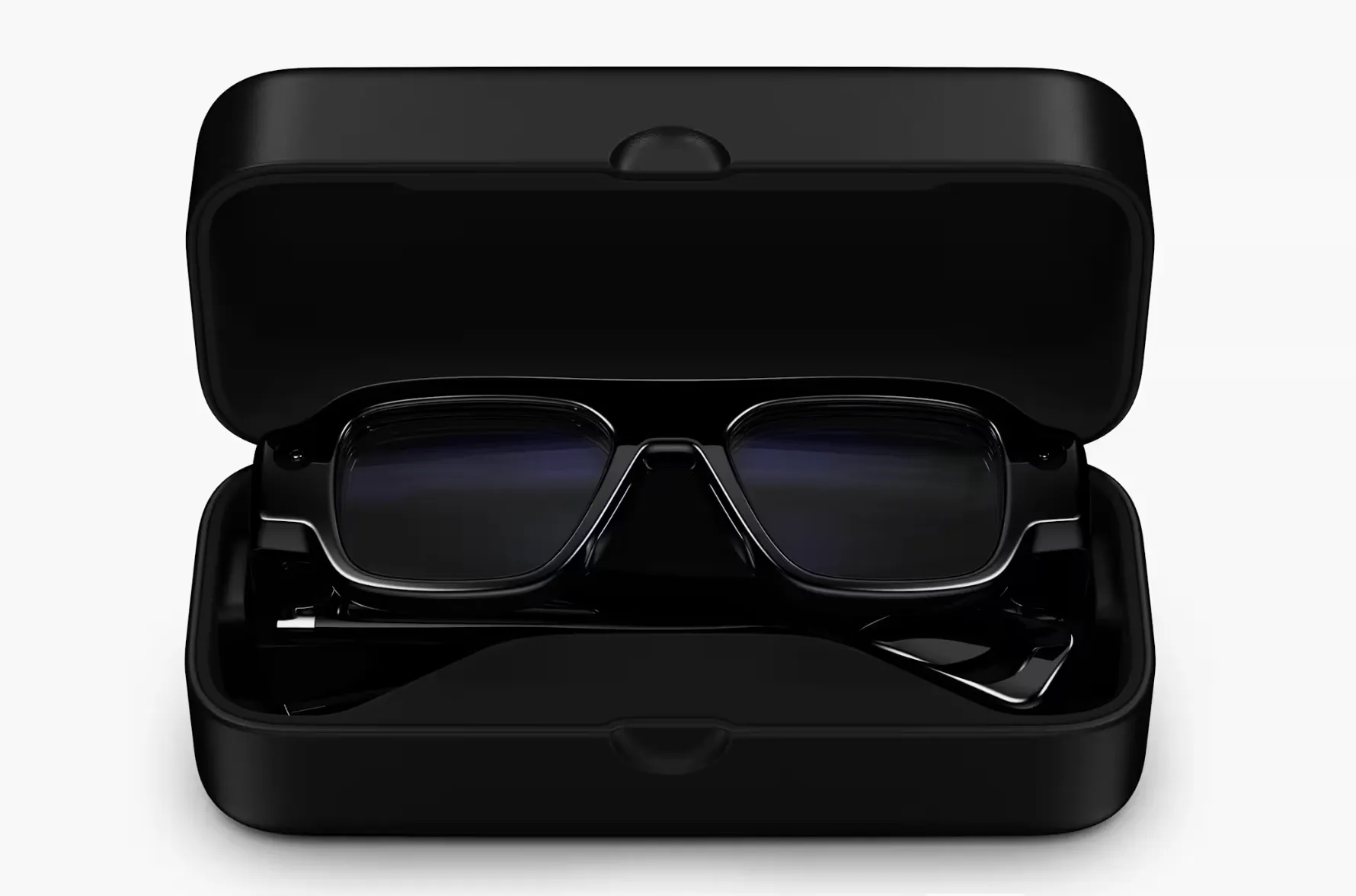
The AI compute revolution is driving unprecedented thermal challenges in wearable devices, pushing traditional cooling methods beyond their physical limits. Edge AI hardware faces mounting heat generation from on-device processing, according to xMEMS research, while smart glasses prototypes already exceed skin-comfort thresholds in under 30 minutes. But I recently had an early look at revolutionary solid-state cooling technology that could fundamentally transform how we manage heat in XR glasses and wearables—and the implications go far beyond just keeping devices cool.
The thermal crisis facing edge AI hardware
Here's what makes the current thermal situation particularly challenging: modern edge AI hardware is hitting a fundamental wall where silicon capabilities outpace our ability to dissipate the heat they generate. When devices run on-device large language models, XDA Developers documented up to 40% GPU clock reduction within 90 seconds of sustained AR workloads on Android flagships. This isn't just a benchmark problem—it's happening during real-world AI tasks that define next-generation device experiences.
The market scale amplifies these constraints significantly. Research indicates the edge AI hardware market is projected to explode from $25.65 billion in 2025 to $143 billion by 2034, but this growth trajectory assumes thermal management solutions that don't currently exist at scale. Every device in that expanding market faces the same fundamental constraint: silicon gets faster, but physics hasn't changed. On-device AI workloads—whether it's LLM inference, computational photography, or real-time translation—generate sustained thermal loads that create cascading performance penalties.
Storage performance provides a concrete example of how these thermal constraints compound across system components. TechPowerUp's testing of the Samsung 970 PRO documented performance drops from 2.0 GB/s to 1.5 GB/s—a 25% reduction—once the controller reached 80°C. Most SSD controllers begin thermal throttling between 70-80°C, and analysis reveals that in thin, fanless devices where components sit sandwiched together, this threshold arrives faster during the sustained read/write patterns generated by AI workloads like local LLM model loading and AI photo processing exports.
What makes these throttling scenarios particularly problematic is their unpredictability from a user perspective. Qualcomm's own documentation notes that when a device's back cover exceeds 45°C, the Snapdragon 8 Gen 2 drops GPU clocks from 680 MHz to 300 MHz and shifts to efficiency cores. That's enterprise-grade throttling happening during everyday AI tasks, creating user experiences where identical operations perform differently depending on ambient temperature and recent device usage patterns.
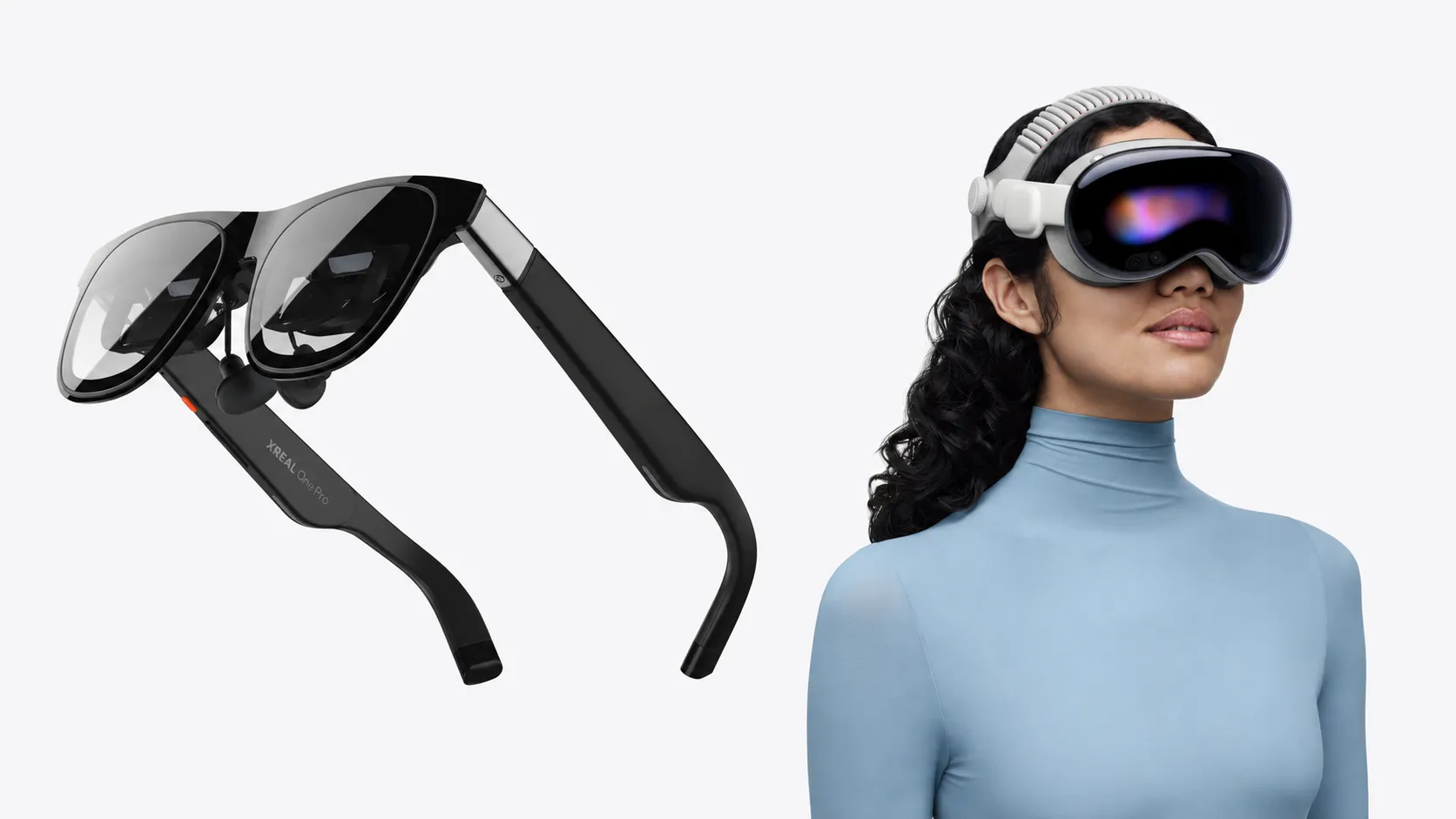
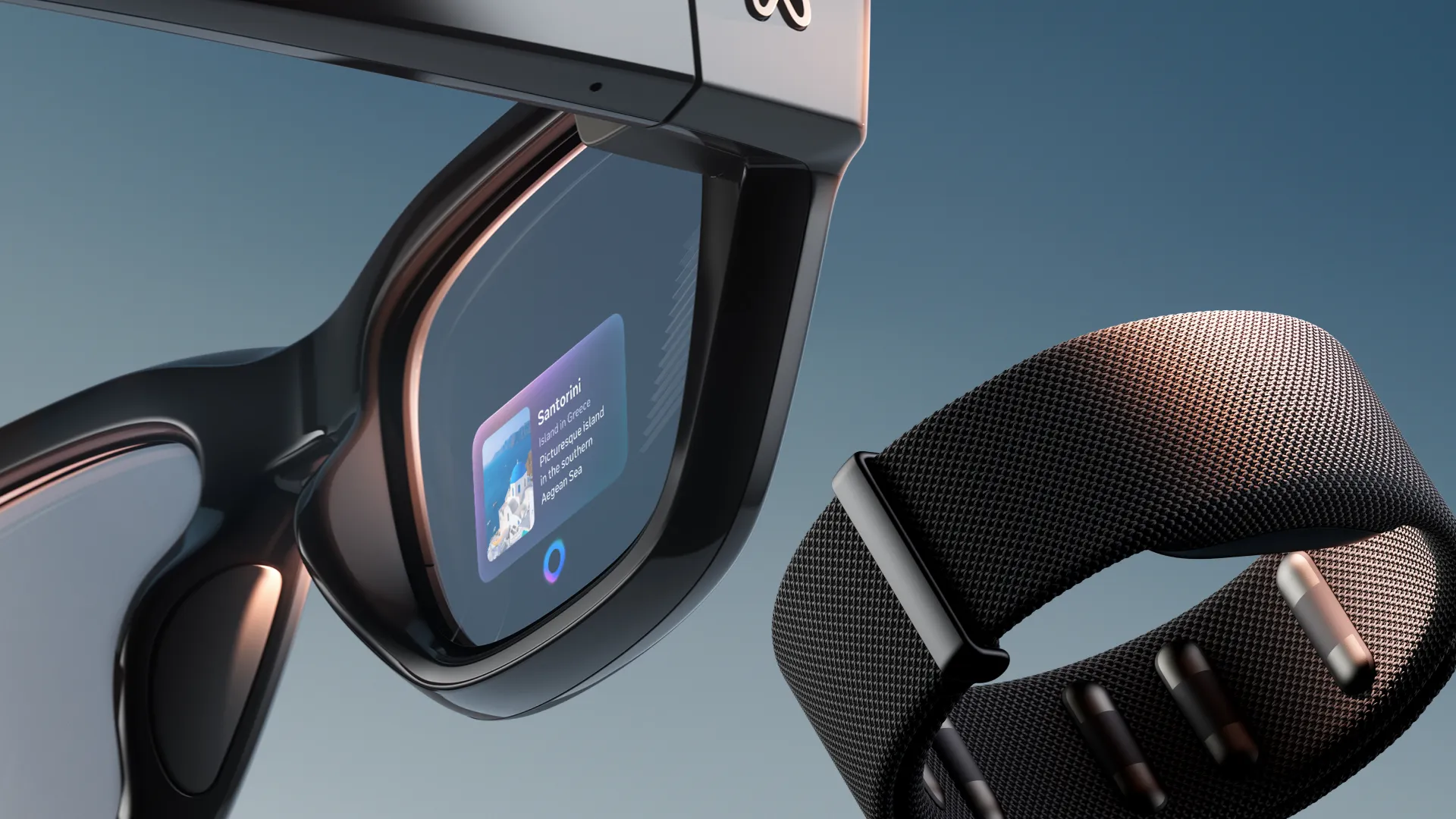
The thermal constraints reach critical levels in XR glasses, representing the most thermally constrained edge AI category. Meta's Ray-Ban smart glasses originally shipped with just a 1-minute video recording limit, later extended to 3 minutes—with How-To Geek noting that even these brief recordings drain batteries rapidly. According to industry projections, smart glasses are evolving toward 2W+ power dissipation from today's 0.5-1W levels, and conventional passive heat sinking struggles to maintain safe surface temperatures for devices worn directly on the face for extended periods.
Why passive cooling has reached its limits
The physics behind passive cooling's limitations become clear when you examine the fundamental heat transfer mechanisms at work. Every passive thermal solution—graphite sheets, vapor chambers, heat pipes, thermal pads—operates on the same principle: conduct heat away from the source and spread it over a larger surface area. But research shows that passive materials cannot generate the airflow needed to remove heat effectively from sealed enclosures.
In sealed or low-airflow environments like smartphone interiors or smart glasses frames, a stagnant thermal boundary layer forms at heat-dissipating surfaces, limiting convective heat transfer. This physical phenomenon makes overall thermal performance convection-limited, and further analysis shows that improvements in passive conduction yield diminishing thermal benefit at increasing cost and complexity. Passive solutions can efficiently conduct heat to the surface, but they cannot significantly increase the external heat transfer coefficient—the critical factor for removing heat from confined spaces.
The mismatch between thermal generation and dissipation capabilities has grown more severe as edge AI processing demands have evolved. Current research indicates edge AI hardware devices now dissipate 3-15W of sustained thermal load in form factors allowing just millimeters of space for thermal management. Passive cooling was fundamentally engineered for a 5-watt world, but the physics of conduction and radiation simply cannot close the gap to these higher power densities without dramatically increasing device thickness—exactly what XR and mobile form factors cannot accommodate.
This creates real-world functionality breakdowns that extend beyond performance metrics. When thermal throttling kicks in, that promised 3-minute video recording becomes 1 minute in warm weather. AI photo enhancement takes twice as long to process during sustained usage. Gaming sessions get cut short not because of battery depletion, but because devices become uncomfortably hot to hold or wear. These aren't edge cases—they're predictable consequences of trying to force passive thermal solutions beyond their physical capabilities.
Solid-state active cooling: the breakthrough
The solution I examined represents a fundamental paradigm shift: μCooling, a solid-state micro-fan fabricated entirely in silicon using piezoMEMS technology. This isn't an incremental improvement over existing solutions—it's the first technology capable of generating directed convective airflow at semiconductor scale, addressing the core limitation that passive materials cannot overcome.
The device specifications demonstrate how semiconductor manufacturing enables capabilities impossible with traditional mechanical approaches: 9.26 x 7.6 x 1.08 mm dimensions, weighing under 150 milligrams, consuming less than 200 milliwatts, with no rotating parts, bearings, or mechanical wear mechanisms. The reliability profile matches semiconductor components, meaning expected longevity comparable to the processors it's designed to cool.
The technology operates through controlled piezoelectric deformation: applying voltage to a piezoelectric thin film causes mechanical deformation at MEMS scale, displacing air and generating the convective airflow that every passive solution lacks. The system operates below audible thresholds—critical for head-worn devices—while delivering up to 39cc/sec airflow and 1,000Pa back pressure, according to xMEMS specifications.
Thermal modeling and physical verification in smart glasses operating at 1.5W demonstrated performance improvements that transform device capabilities: 60-70% improvement in power overhead, allowing up to 0.6W additional thermal margin, up to 40% reduction in system temperatures, and up to 75% reduction in thermal resistance. These aren't incremental gains—they represent the difference between devices that overheat in 30 minutes and systems that can sustain all-day performance without thermal throttling.
The key insight is that the technology doesn't replace passive thermal solutions but augments them strategically. Positioned between the heat source and the heat spreader, it breaks the stagnant boundary layer that limits passive materials, creating the convective path needed to extract heat from sealed enclosures while leveraging existing heat spreading infrastructure.
Real-world performance and applications
The practical benefits extend beyond just keeping devices cooler, enabling entirely new categories of sustained AI workloads. Recent research on thermoelectric cooling systems achieved remarkable ~30°C cooling effects with advanced 3D structural designs, demonstrating that multiple breakthrough approaches to wearable thermal management are converging to solve longstanding constraints.
For XR applications specifically, the technology addresses what currently defines the entire product category's limitations. Current prototypes overheat past skin-comfort thresholds in under 30 minutes, fundamentally breaking the promise of all-day wear that distinguishes useful AR glasses from tech demos. The solid-state cooling approach enables sustained performance for AI-powered real-time translation, always-on assistant capabilities, and extended AR experiences without the thermal throttling that currently makes these features impractical for real-world use.
From a user experience perspective, this transforms thermal management from a visible limitation to an invisible enabler. Instead of smart glasses that record brief videos before overheating, users get devices capable of sustained computational photography, continuous environmental AI analysis, and extended mixed reality experiences. The technology eliminates the thermal ceiling that currently forces manufacturers to choose between capabilities and wearability.
The applications span well beyond XR devices. xMEMS has demonstrated the technology's effectiveness across smartphones, SSDs, optical transceivers, and now smart glasses, with samples available now and volume production planned for Q1 2026. The solid-state approach eliminates mechanical complexity that has historically limited active cooling in small form factors—no motors, no bearings, no mechanical wear—while providing semiconductor-level reliability in packages thin enough to integrate into the most space-constrained designs.
What this means for the future of XR
This breakthrough in solid-state cooling technology represents more than just solving thermal constraints—it's an architectural enabler for the next generation of truly capable AI-powered wearables. As the edge AI hardware market scales from $26 billion to over $140 billion this decade, the companies that solve thermal management first will define product capabilities while competitors remain constrained by physics limitations.
The technology creates new architectural possibilities for device designers beyond just managing existing thermal loads. Instead of optimizing every component for the lowest possible power consumption often at the expense of performance, engineers can design for peak computational capability knowing that active cooling will manage the thermal consequences. This could fundamentally shift mobile device architecture from power-constrained to performance-optimized designs.
What's particularly significant is how this enables always-on AI applications that were previously impossible due to thermal accumulation. Real-time language translation, contextual AR overlays, continuous health monitoring, and persistent environmental AI analysis become feasible when thermal management operates invisibly in the background. These aren't just better versions of existing features—they're entirely new categories of wearable AI experiences.
The broader context positions this technology at the intersection of two major industry trends: the exponential growth in computational demands from edge AI workloads, and the physical constraints of wearable form factors. Active cooling at semiconductor scale represents one of the few solutions that can scale with existing manufacturing processes while integrating into current device architectures, avoiding the need for fundamental breakthroughs in materials science or entirely new manufacturing approaches.
Looking ahead, thermal management could become the defining differentiator between products that deliver genuine utility and those that remain constrained by physics. In a market where every smart glasses manufacturer claims breakthrough AI capabilities, the devices that can sustain those capabilities without thermal throttling will create genuinely differentiated user experiences. This technology positions early adopters to deliver on the promise of all-day wearable AI while competitors continue shipping thermally constrained devices that work in controlled demonstrations but fail in real-world usage scenarios.






Comments
Be the first, drop a comment!