


Spatial Computing Gaming: Why Smart Glasses Face a Tough Test
The previous wave of spatial computing in gaming failed a usability test so basic it's almost embarrassing in retrospect. Headsets were heavy, warm, and isolating. Fine for a 30-minute demo; impractical as a category people would actually live with. The underlying ideas were sound. The form factor was the problem, and nobody solved it.
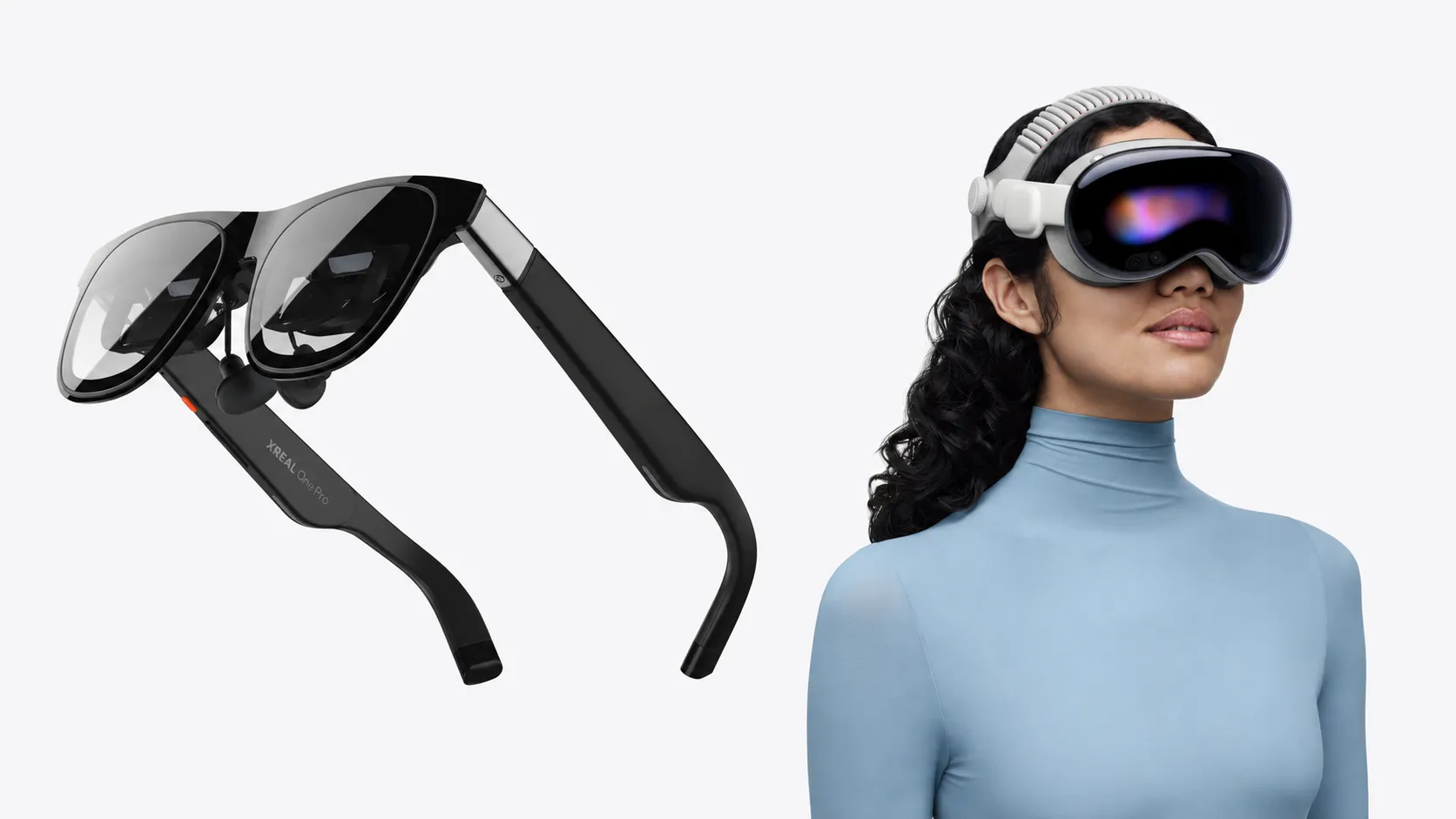
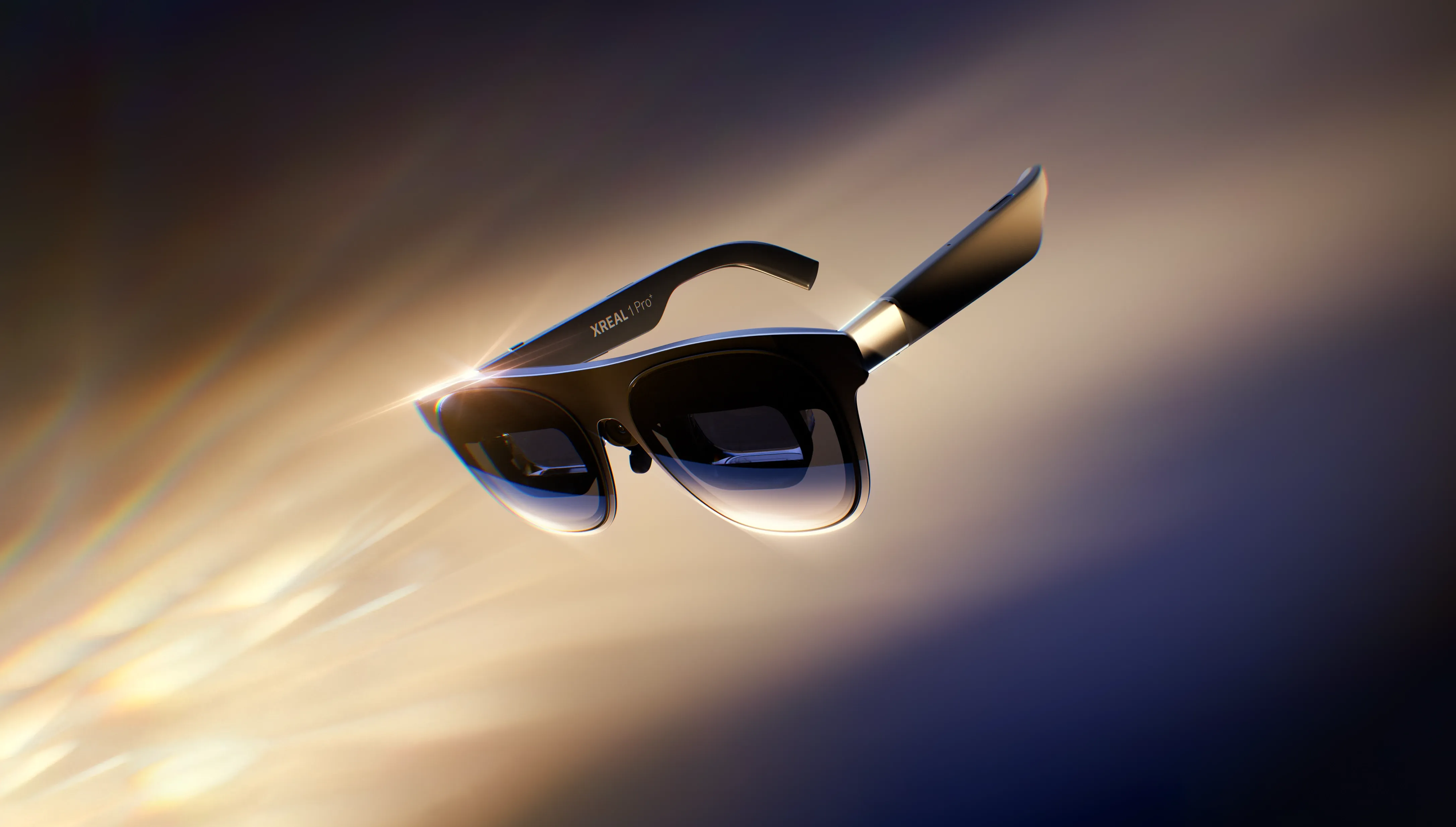
What's different now is the entry point. Smart glasses are light enough to wear without a dedicated reason, capable enough to run spatial computing gaming software with 240 Hz displays and physical controller support, and plentiful enough that three distinct ecosystems are competing hard to own the platform. The XREAL and Asus ROG collaboration produced the first smart glasses running a 240 Hz display, a specification that exists for exactly one reason: gaming audiences use refresh rate as a baseline quality signal (IDC reported in January). Apple's visionOS 26 added PlayStation VR2 Sense controller support, a direct acknowledgment of what gaming users already expect from input (Apple Developer). The smart glasses market is forecast to grow from 2.7 million units in 2024 to 18.7 million by 2029 (IDC projected last summer).
The sharper question isn't whether smart glasses are ready for gaming. It's whether gaming is demanding enough technically, commercially, behaviorally to prove that spatial computing is ready for everyone else. Gaming surfaces failure faster than any other use case. That makes it the right stress test for a category that opened a cycle years ago and never quite finished it.
This isn't a case that the category has won. It's a case that 2026 is the first year where enough has changed, in hardware weight, developer tooling, and platform investment, to make the outcome of that test matter.
Why the hardware is finally ready to be tested
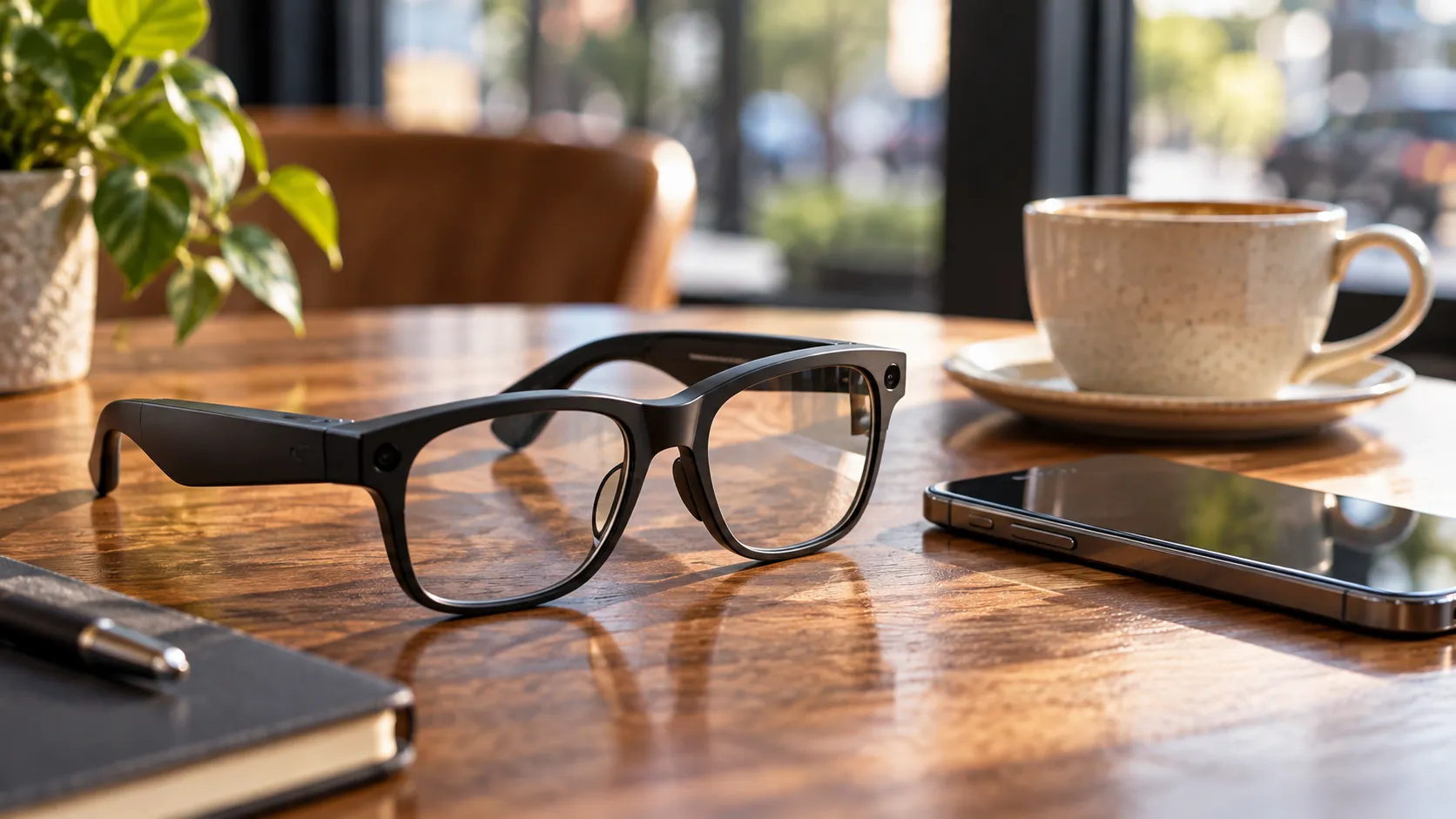
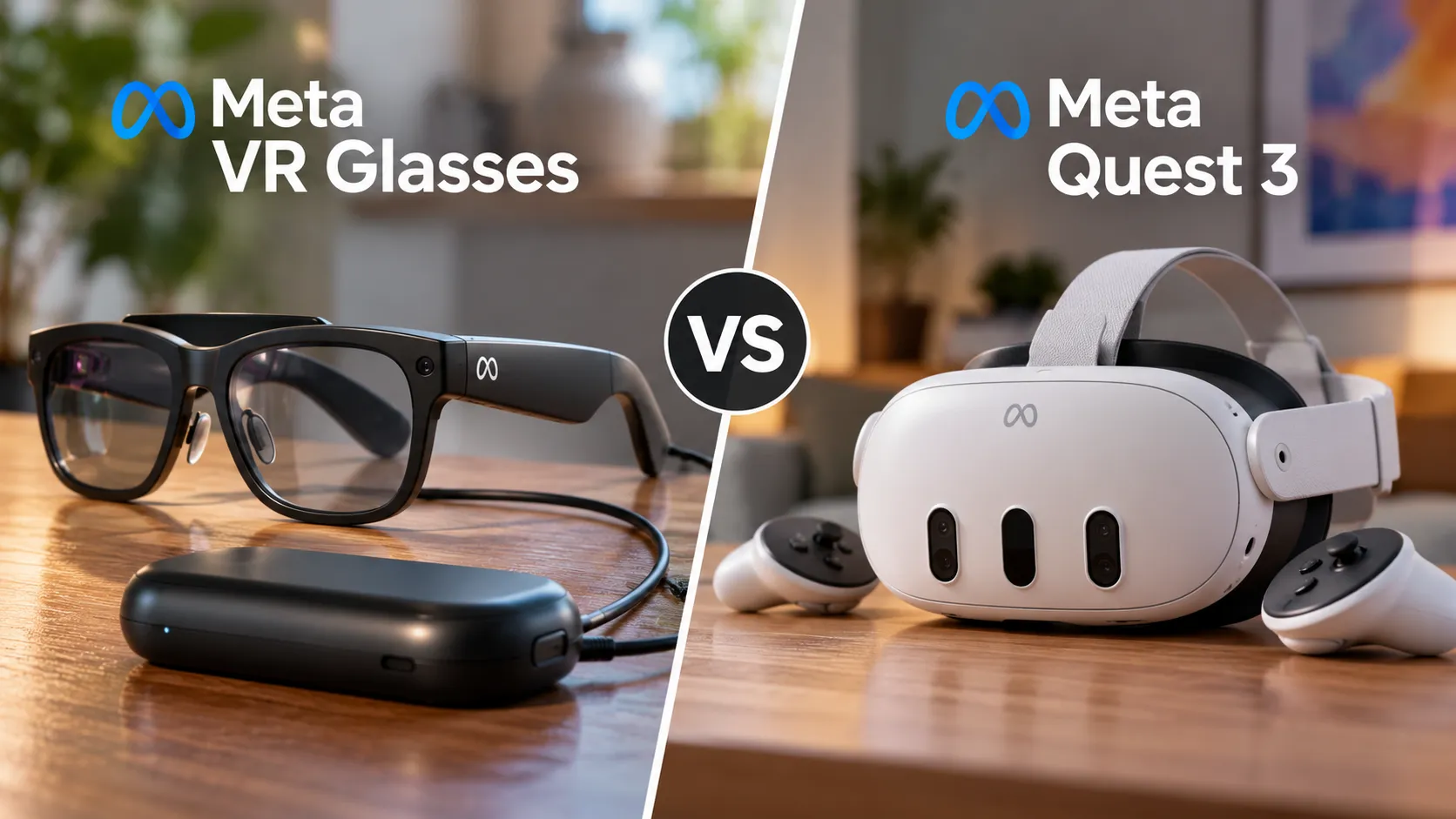
Smart glasses have a track record of failure, and the failures were instructive. Google Glass was discontinued. Bose Frames never found a second generation. Meta's first-generation Ray-Ban Stories, released in 2021, stalled badly before the redesigned second generation sold more than 900,000 units in Q4 2024 alone, capturing over 65% global market share (IDC reported last summer). The turnaround wasn't primarily about features. The second-gen Ray-Bans weigh roughly 50 grams, just five grams more than standard non-smart Wayfarers, while packing in a camera, open-ear speakers, five microphones, and 32 GB of storage. Lightness wasn't a tradeoff. It was the product.
That lesson is now embedded in how gaming-specific hardware is being built. The XREAL/ROG 240 Hz display targets the one spec gaming audiences use as a baseline judgment. Viture's competing device introduced 3 Degrees of Freedom tracking, which lets content respond to head orientation rather than sitting fixed in front of your eyes like a display with a strap (IDC). IDC expects 3 DoF to spread across more brands by end of 2026, partly because supply-chain maturity means reference designs are now broadly available, giving manufacturers a faster path to competitive hardware without starting from scratch.
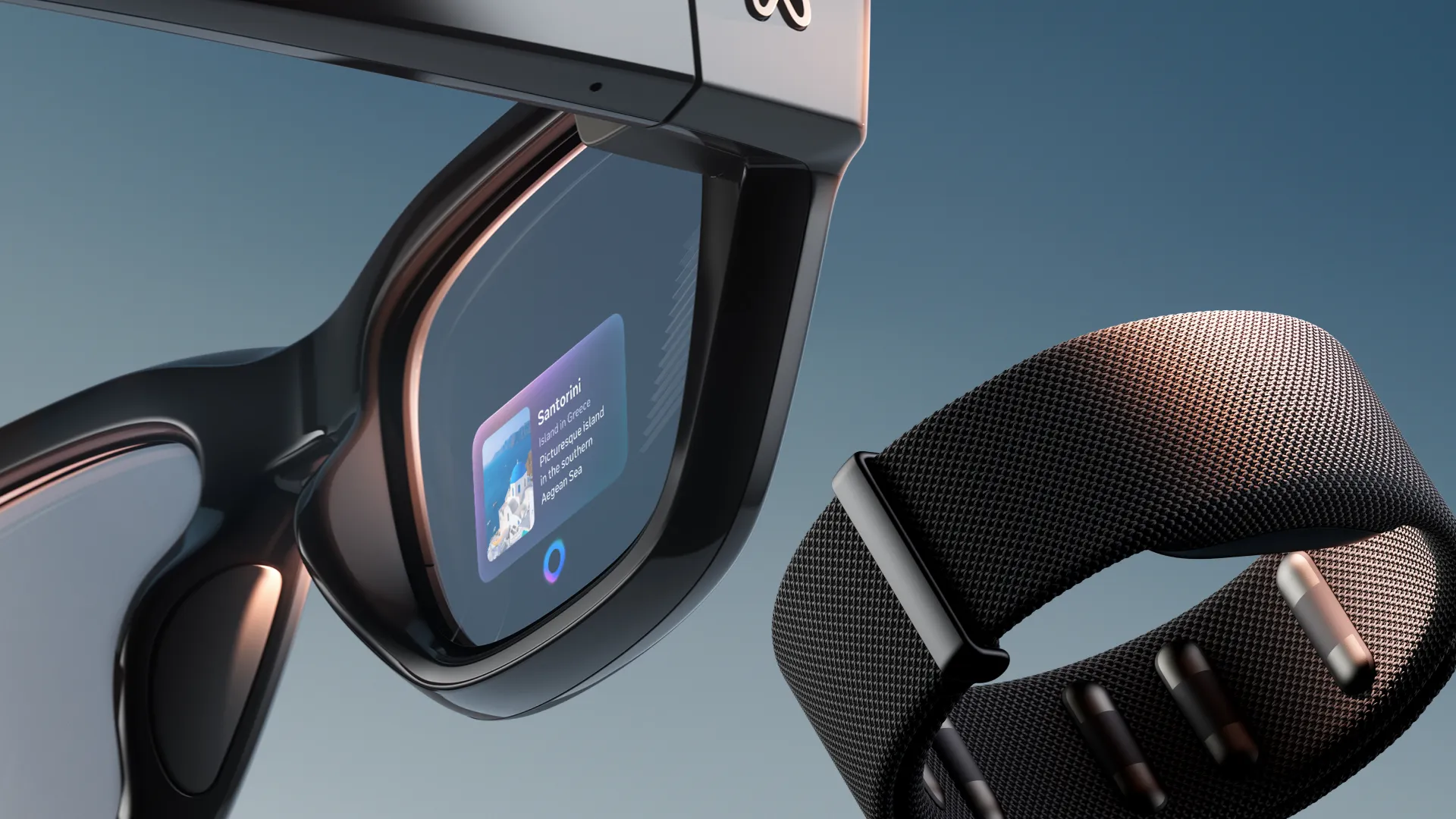
One distinction worth holding: 3 DoF tracks rotational head movement, not physical position. Full spatial presence actually moving through a virtual environment requires 6 DoF, which remains a headset-class capability. IDC describes a true AR display layer as "the holy grail" for smart glasses, and it isn't fully realized yet (IDC). Lumus demonstrated geometric waveguides at CES in January with a 70-degree field of view and no "eye glow," the visible display reflection that makes current AR glasses socially conspicuous (IDC). Those waveguides are still roughly two years from consumer products.
The current generation solves weight and display smoothness better than anything before it. It falls short on field of view, positional tracking, and catalog depth. That's an honest position, and it's materially better than where the category stood three years ago.
What spatial computing in gaming actually demands from these devices
Gaming is the right test for spatial hardware because it doesn't tolerate soft failures. Latency breaks immersion the moment it crosses a perceptible threshold. Discomfort at the 30-minute mark ends sessions; users who quit don't come back. A field of view that works for notification overlays collapses under the spatial demands of a game built around peripheral awareness. These aren't editorial standards. They're behaviors gaming audiences already exhibit, enforced through non-adoption.
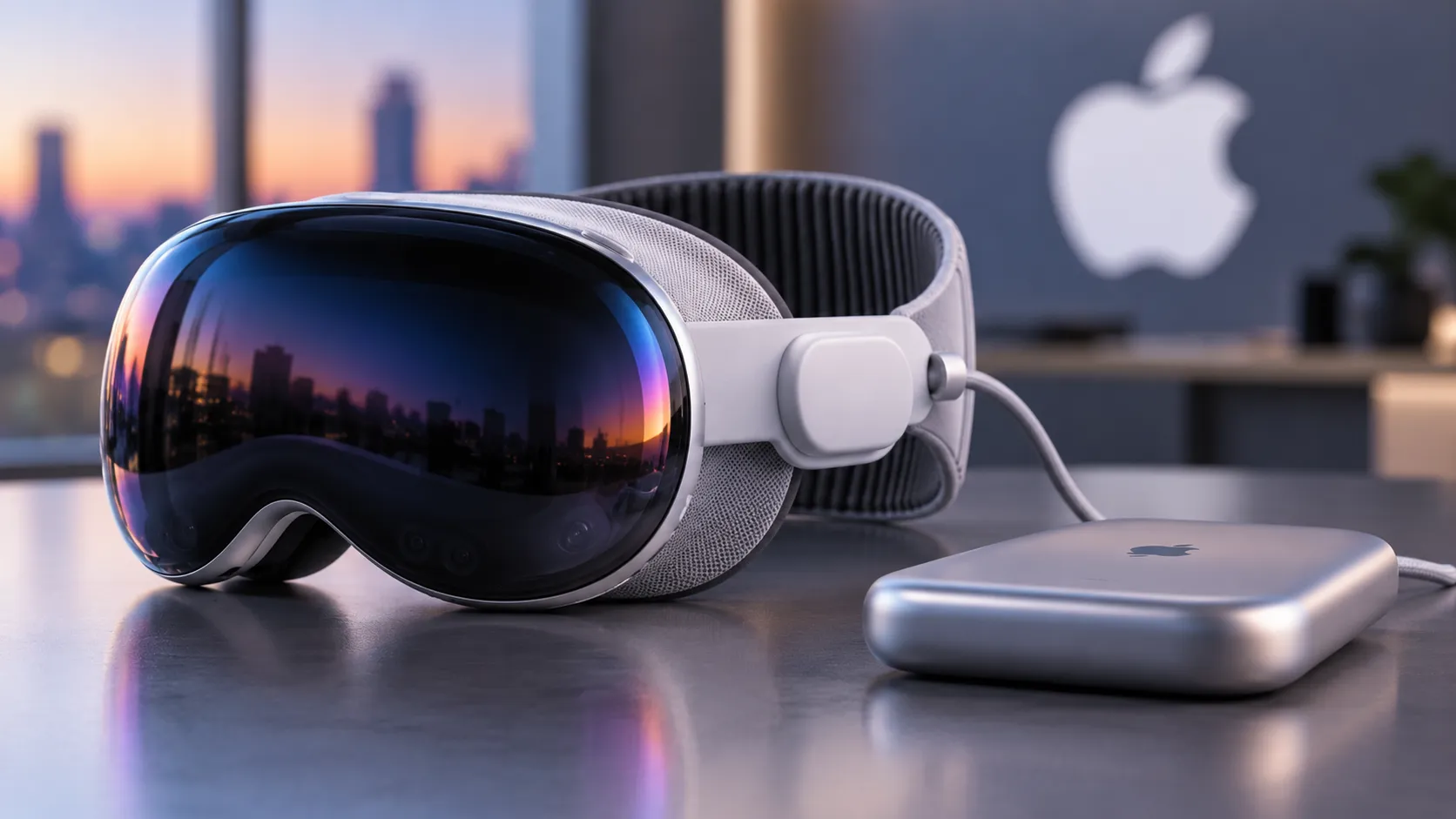
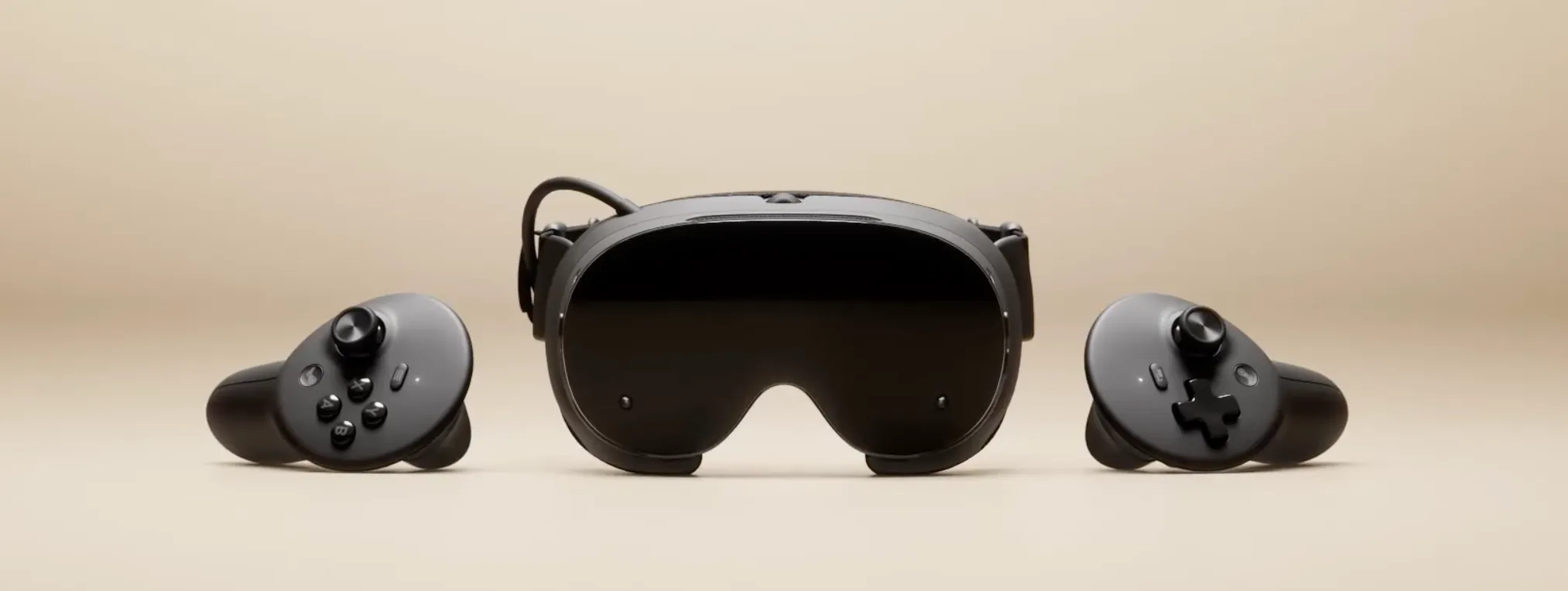
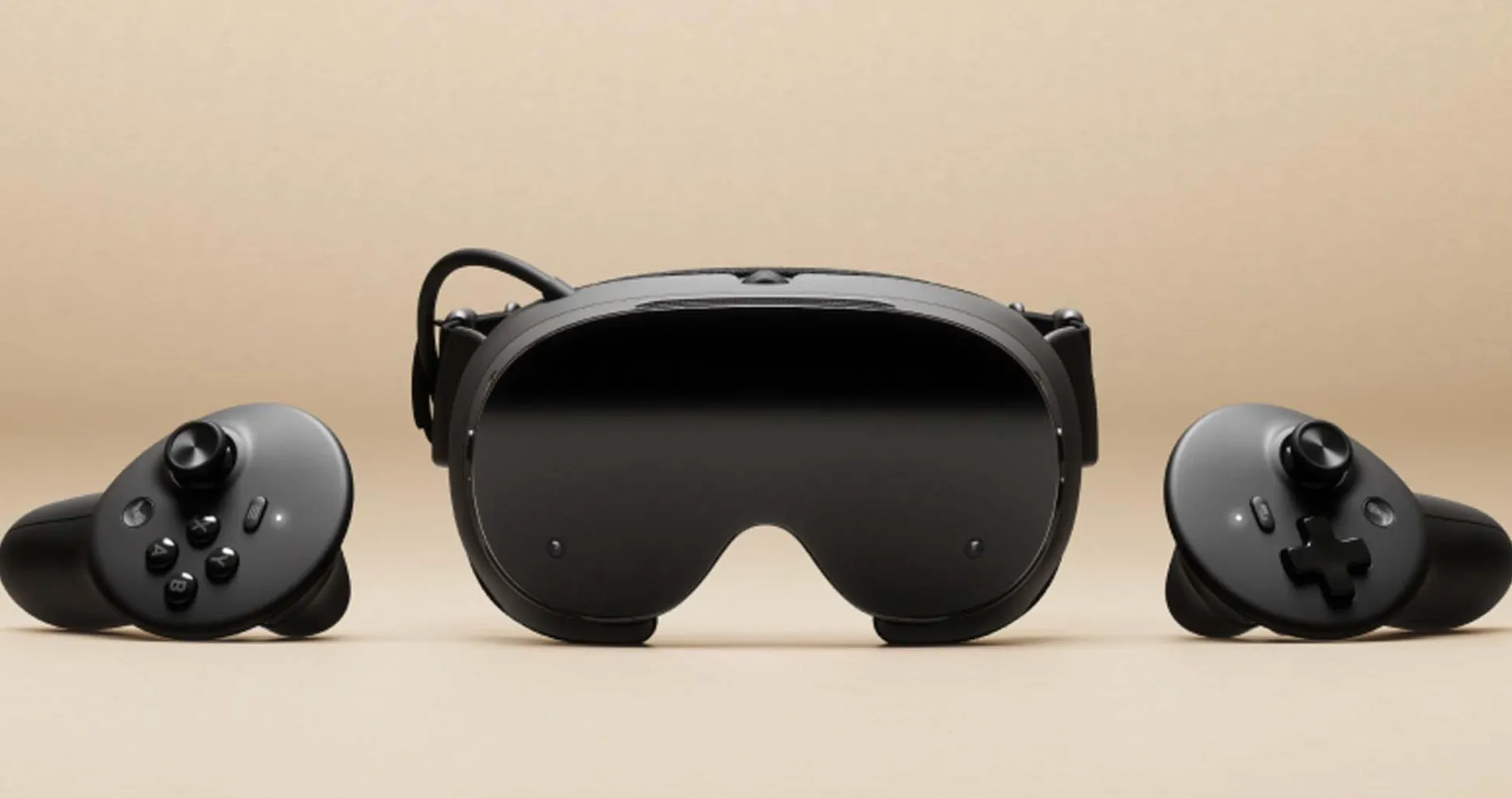
The most revealing evidence isn't spec sheets. It's where specific product decisions point. Apple added PS VR2 Sense controller support in visionOS 26, alongside Game Controller framework support for Bluetooth gamepads (Apple Developer). That's a significant concession from a platform whose native interaction model runs on high-frequency hand tracking. It signals that Apple understands gaming audiences carry pre-existing expectations into new hardware, and that asking them to abandon physical controllers is a friction cost, not a design upgrade. WIRED noted in March last year that Vision Pro's app catalog tilts toward entertainment and productivity rather than leading with a gaming identity, a deliberate positioning that separates it from Quest 3 and PS VR2. That gap may give glasses-form-factor devices more gaming headroom: they carry neither the premium headset price point nor the productivity-first identity that shapes what developers build.
Snap's Specs target a different gaming mode altogether: shared, social, and anchored to physical space. SightCraft, already deployed at Verse Immersive venues in Chicago, runs multiplayer AR gameplay through Spectacles, the kind of co-present experience a headset strapped to one person's face simply cannot replicate (Snap announced last October). Glassbreakers, set for Apple Arcade, is built to demonstrate what Vision Pro's display resolution and hand tracking enable for solo immersive play (Apple Developer). These aren't competing claims about which experience is better. They're evidence that spatial gaming on glasses-style hardware is already branching into distinct genres, each requiring different trade-offs from the device underneath.
The commercial gap gaming exposes
Hardware readiness is one half of the problem. The commercial reality is the other, and it's the part the category hasn't cracked yet.
A gamer evaluating smart glasses isn't comparing them to some abstract vision of future computing. They're comparing them to a 27-inch monitor with hundreds of titles in the library, a handheld with 10-hour battery life, a console with a decade of catalog depth, or a VR headset that already delivers immersion with a known comfort profile. Every one of those alternatives has established software ecosystems and predictable performance. Smart glasses enter that comparison carrying thin catalogs, unresolved thermal behavior under sustained GPU load, and battery constraints that current research doesn't resolve.
That's a structurally harder sell than enterprise or productivity demos, where novelty and marginal efficiency gains can close the deal. Gaming audiences pay for entertainment. They comparison-shop ruthlessly and defect immediately when the experience falls short. A spatial computing platform that can satisfy a gaming audience across repeat sessions, not just first impressions, has proven something no productivity use case can replicate at the same speed. Passing the gaming test is the fastest route to credibility with everyone else.
The practical threshold for most potential adopters combines three conditions that don't yet coexist in a single device: a field of view wide enough to feel peripheral, tracking capable enough to make physical movement meaningful, and a software catalog deep enough to justify the purchase. The Lumus waveguide work addresses the first. 6 DoF glasses remain a near-term hardware goal. The catalog is thin. These are the specific benchmarks the next hardware generation needs to clear.
Three platforms, one fragmented race for AR gaming smart glasses
The competition to define the platform layer for spatial gaming is happening across three distinct ecosystems, and their differences matter more than any individual device spec.
Apple is building from developer tools outward. visionOS accepts Unity, Unreal, and Godot as build targets (Apple Developer). The Godot support is worth noting precisely: Apple contributed visionOS as a target platform to the Godot open-source community, but the contribution enables windowed experiences only, meaning Godot apps and games run on a flat screen within visionOS rather than as fully native spatial experiences (Apple Developer). That's a meaningful distinction from Unity and Unreal, which have fuller spatial pipelines on the platform. Reality Composer Pro lets developers build and sequence spatial scenes without writing code, lowering the technical floor for native content. The tooling investment is genuine. The hardware, though, is positioned as a premium spatial computer first, which shapes what developers build and constrains the gaming-first identity that a younger, more price-sensitive gaming audience requires.
XREAL and Google represent the Android XR path. XREAL's multi-year collaboration with Google, announced at CES in January alongside $100 million in new funding, marks the first significant Android XR smart glasses push at scale (IDC). Whether the broader mobile developer community engages meaningfully with spatial gaming development, when the user base is still small and the tooling is newer, remains the open variable. The distribution infrastructure is substantial. What gets built on top of it is still being decided.
Snap's use is a pre-existing behavior loop no other spatial platform can claim. Over 400,000 developers have built more than 4 million AR Lenses, used 8 billion times daily inside Snapchat (Snap). WebXR support and integration with Niantic's Spatial Visual Positioning System point toward location-aware, world-anchored gaming, a mode of spatial play headsets cannot enter. Whether Snap's camera-app developer community translates into a gaming developer community is unproven. The distribution advantage is not.
The fragmentation risk runs through all of it. A developer building for visionOS is not building for Android XR. Lens Studio doesn't port to RealityKit. Siloed ecosystems push back the moment when any single platform reaches the catalog depth mainstream gaming audiences expect. The platform race is accelerating hardware capability, which benefits consumers. The incompatibility overhead is the structural drag on category growth that no single company has the incentive to fix.
What proof actually looks like
IDC asked directly in January whether consumers will embrace smart glasses beyond gaming and fitness. An analyst hedging their own forecast is worth treating as a real signal, not a throwaway caveat. The 18.7 million unit projection for 2029 represents genuine growth, but it's still a narrow slice against the 1.44 billion smartphones sold in 2024 (IDC). Thermal behavior under sustained GPU load, battery life during real gaming sessions, and motion comfort over extended play are variables the current hardware generation hasn't answered publicly.
Three specific developments would change the picture. Snap's announced public launch of Specs this year would put the first mass-market social AR gaming device in consumers' hands this is what the company said it would do, not an extrapolation (Snap). Shipping consumer hardware from XREAL's Android XR collaboration would test whether that Google partnership produces devices people actually buy, as opposed to devices that generate announcements. Lumus-class optics entering production hardware within two years would resolve the field-of-view gap that currently limits spatial gaming to contained experiences. And a catalog of 20 or more titles on a single platform, with evidence of repeat play rather than tech demos, would constitute a reasonable threshold for catalog credibility. That last number is an editorial benchmark, not an externally validated bar, but it reflects what it historically takes to sustain a gaming audience through a new hardware generation.
None of those outcomes are guaranteed. All three tracks are in active development, which makes the next 18 months a more useful measuring window than any five-year forecast.
For developers working in AR and mixed reality now, the window for staking early-platform advantages is open. Ecosystems are still courting studios, tooling is improving, and no platform has locked in the audience. For mainstream gaming audiences, smart glasses are a category worth tracking closely, not yet one to commit to. The FOV isn't wide enough, the catalogs aren't deep enough, and the repeat-session data doesn't exist yet. The hardware is passing parts of the test. The full score isn't in.

Comments
Be the first, drop a comment!