


Reviewed by: Y. Garcia
Nintendo's VR journey with the Switch has been, let's be honest, a bit of a cautionary tale. When they first introduced the Labo VR Kit back in 2019, there was genuine excitement about what Nintendo's unique approach could bring to virtual reality. The cardboard construction felt quintessentially Nintendo — creative, accessible, and family-friendly. However, the hardware constraints of the original Switch created fundamental challenges that even Nintendo's innovative approach couldn't overcome.
The original Switch's technical limitations were brutal for VR. We're talking about a 720p display that delivered less than 640×720 pixels per eye when split for VR viewing, according to Nintendo's official documentation. Combine that with a 60Hz refresh rate, zero positional tracking, and the fact that you had to manually hold the cardboard headset up to your face, and you've got what UploadVR accurately described as an objectively poor VR experience. Nintendo even restricted VR usage to children seven and above due to motion sickness concerns, per their safety guidelines.
What makes the Switch 2's hardware so promising for VR?
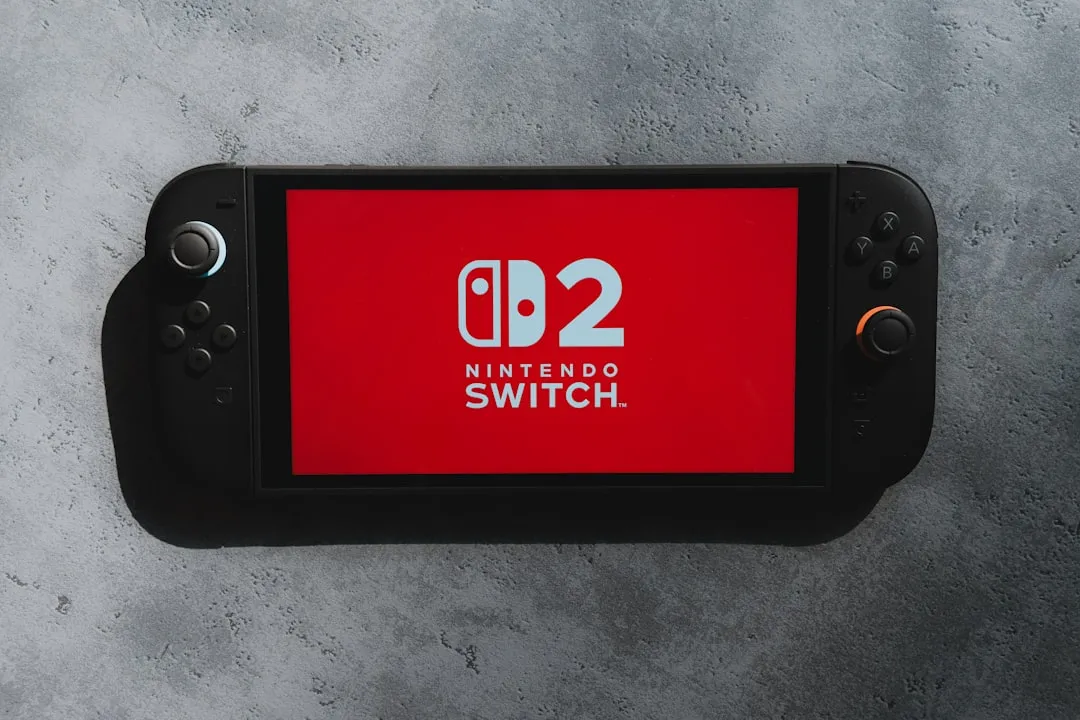
Here's where things get genuinely exciting — the Switch 2 represents a massive technical leap that could fundamentally change Nintendo's VR story. The new console features a 7.9-inch 1080p display with HDR10 support and variable refresh rates up to 120Hz, according to Nintendo's technical specifications. These display improvements directly address the pixel density issues that plagued the original Labo VR experience, but the real transformation lies in the processing power beneath.
Under the hood, the custom Nvidia processor includes 1,536 CUDA cores based on Ampere architecture, providing dramatically more graphical horsepower than the original Switch ever dreamed of, as detailed by Digital Foundry. 2GB of LPDDR5X memory (reported at ~102 GB/s docked, ~68 GB/s handheld), the Switch 2 has the raw computing power to handle demanding VR applications while maintaining Nintendo's signature approach to power efficiency.
What's particularly impressive is how the Switch 2 manages power consumption while delivering this performance. Despite sipping just 10W in handheld mode for the most demanding games, according to Digital Foundry's analysis, it can deliver performance that would have seemed impossible on the original hardware. The GPU clocks at 561MHz in handheld mode and jumps to 1007MHz in performance mode, giving developers the headroom they need for proper VR experiences that could finally compete with modern standards.
Why the current VR landscape sets unrealistic expectations
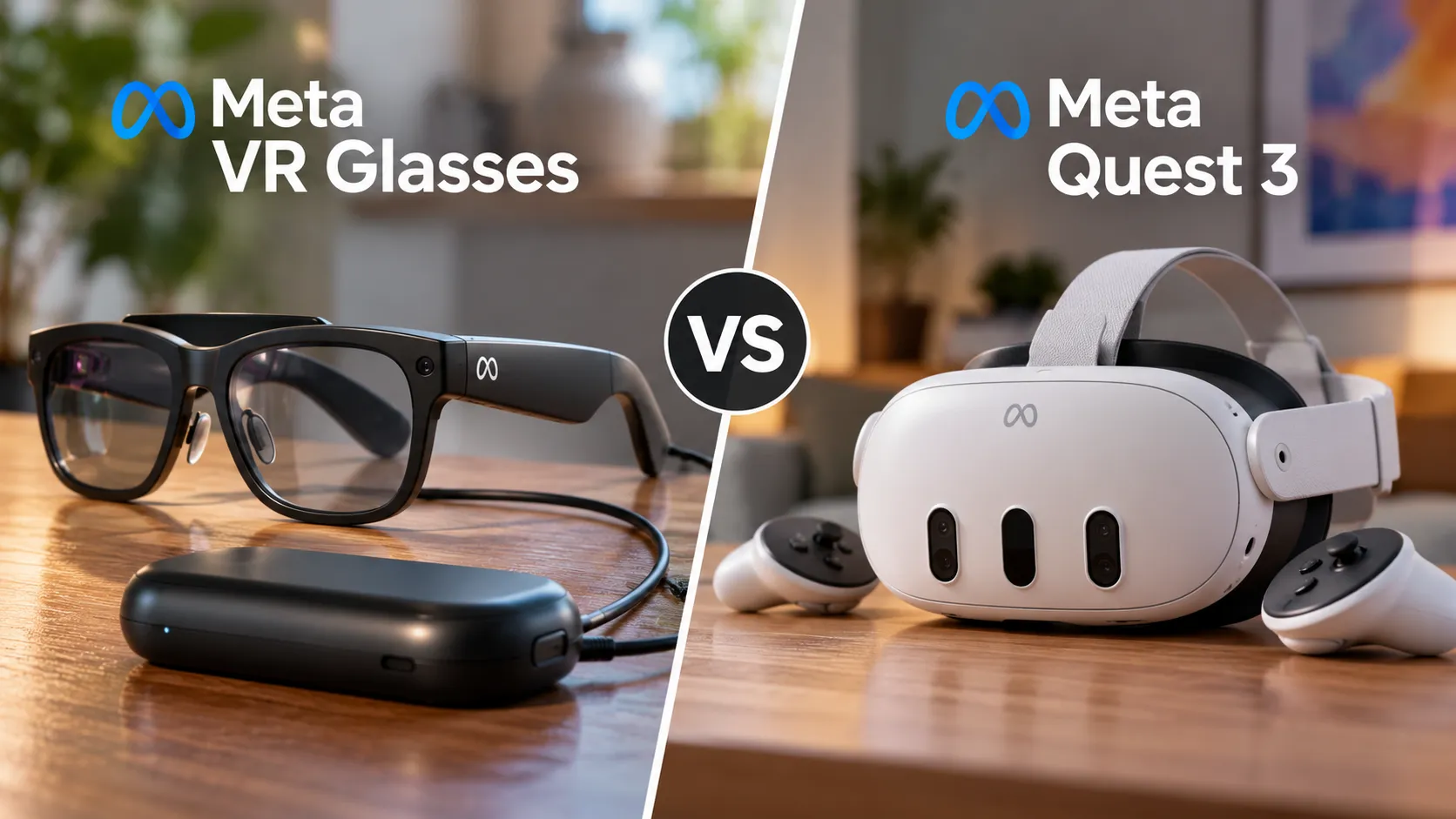
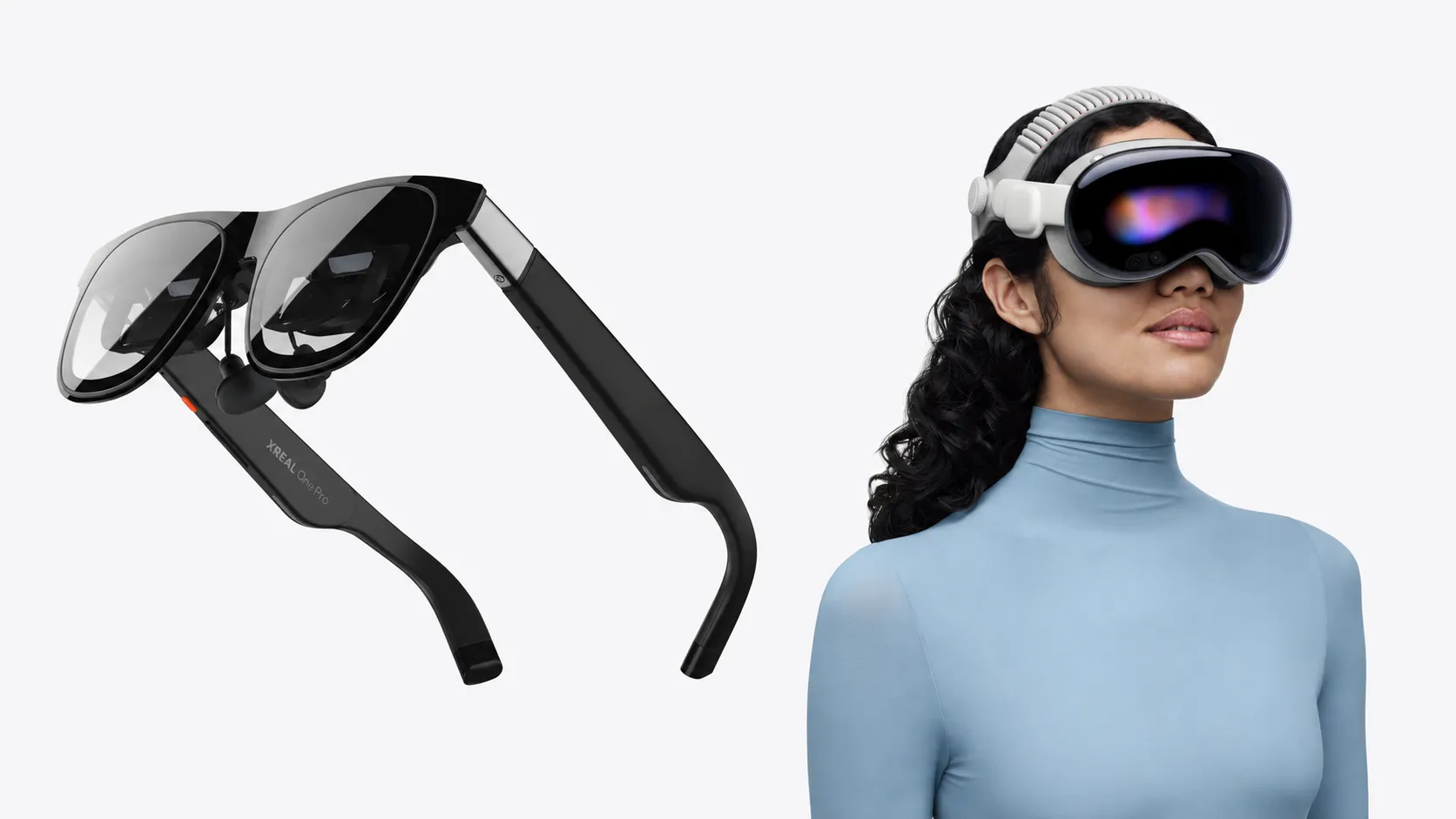
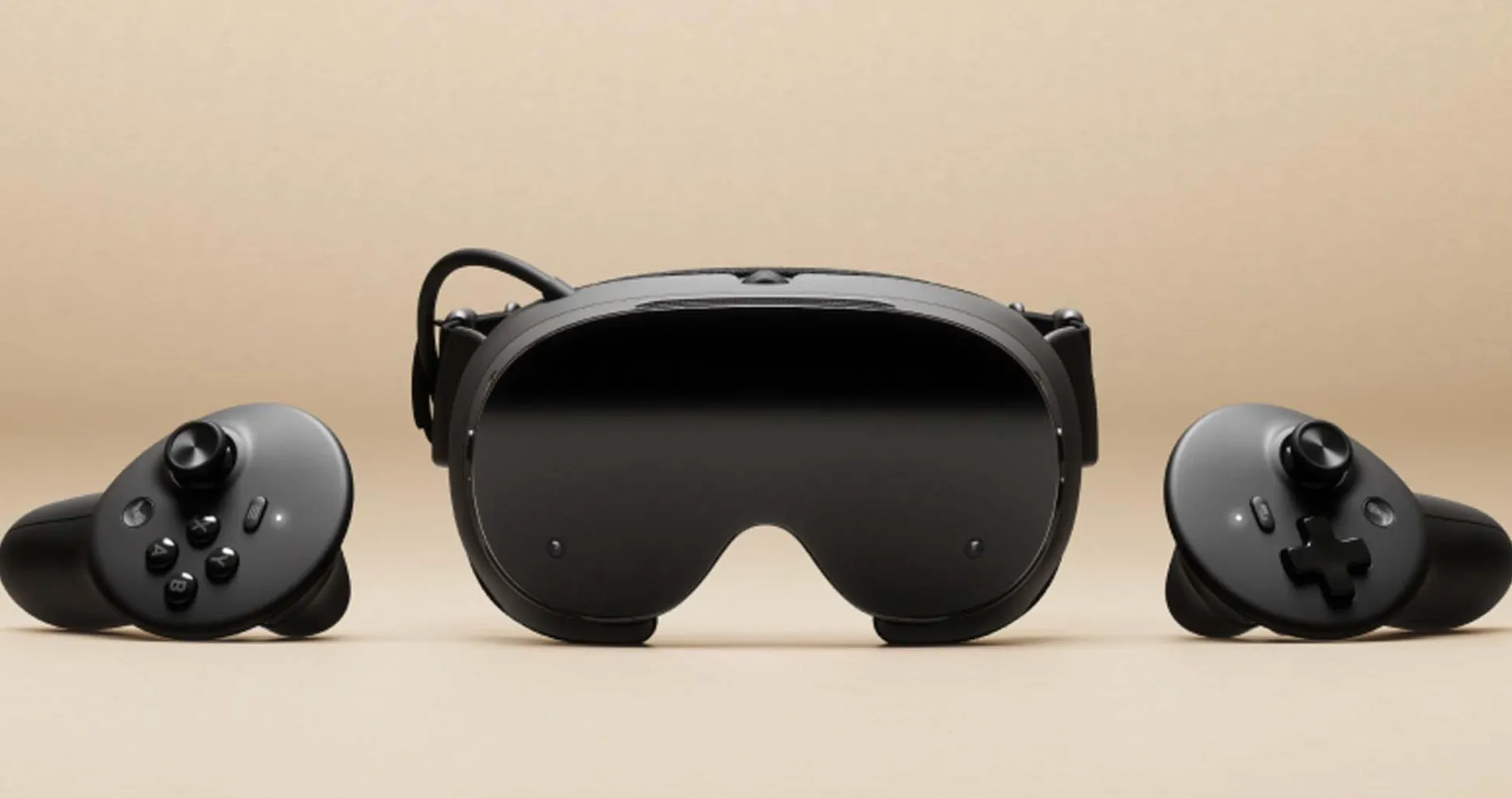
While the Switch 2's hardware represents a massive leap forward, these improvements must be measured against what consumers now expect from VR experiences in 2025. Modern standalone headsets like the Meta Quest 3 offer mixed reality capabilities, including high-resolution displays, sophisticated tracking systems, and color-pass-through cameras, enabling genuine augmented reality experiences, according to CNET's VR headset roundup.
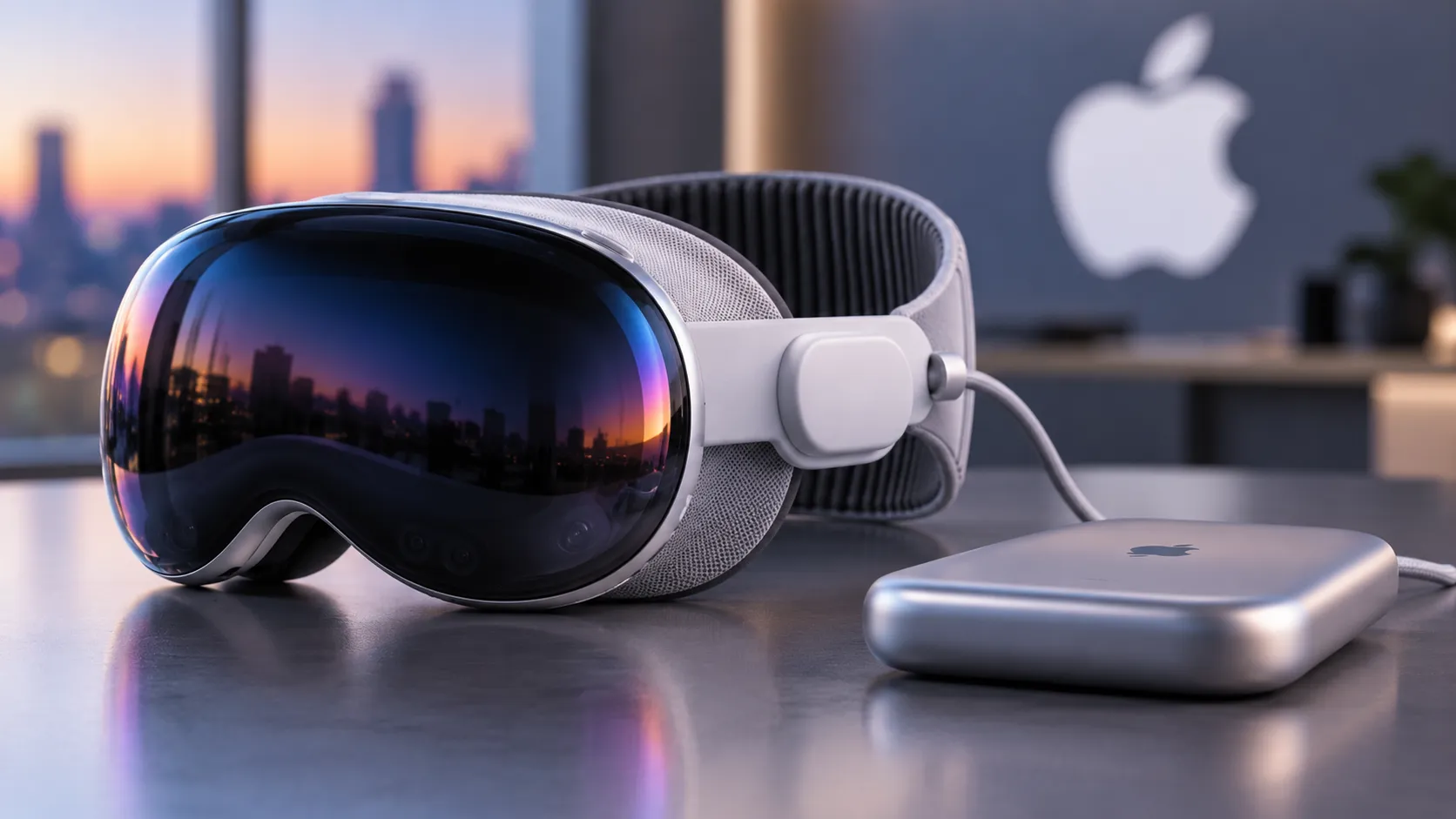
Then you have premium options like the PlayStation VR 2, which combines eye-tracking technology with the PlayStation 5's processing power to deliver experiences that would have been science fiction just a few years ago, as highlighted by PCMag. And at the top end, Apple's Vision Pro showcases what's possible with 4K micro-OLED displays and advanced spatial computing — though at a price point that puts it well beyond most consumers' reach.
These developments have fundamentally raised the bar for what people consider acceptable VR quality. When you can experience mixed reality with hand tracking on a Quest 3 or eye-tracked gaming on PSVR 2, even Nintendo's improved hardware must deliver experiences that feel competitive rather than experimental. The market has evolved toward wireless, standalone experiences with room-scale tracking, creating expectations that Nintendo's mobile-first approach will need to address thoughtfully.
The compatibility conundrum that highlights bigger issues
Perhaps the most telling aspect of Nintendo's VR situation is that the Labo VR Kit is literally the only original Switch game that cannot be played on the Switch 2. Nintendo explicitly states that the Switch 2 is too large to fit into the original Labo VR holder, according to UploadVR. This compatibility issue becomes even more puzzling when considered alongside the Switch 2's dramatically improved VR-capable hardware.
Despite the Switch 2's enhanced capabilities — a larger 1080p display, vastly more processing power, and advanced graphics — Nintendo hasn't announced any new VR hardware or software for the console. This absence is particularly striking given that the company has confirmed ongoing research into VR, AR, and mixed reality technologies, as reported by Game Rant. They're clearly thinking about these technologies, but that research hasn't translated into concrete products for the Switch 2 launch.
The absence of any VR announcements suggests Nintendo is taking a much more cautious approach this time around. They've learned from the Labo VR Kit's limitations and are perhaps waiting for the right opportunity to re-enter the VR space with something more compelling — or they're questioning whether VR aligns with their broader strategic vision for the platform.
Where Nintendo needs to focus for VR success
For Nintendo to truly succeed in VR with the Switch 2, they need to address fundamental experience design rather than just throwing better hardware at the problem. The Switch 2's technical foundation finally provides the canvas for Nintendo's design philosophy, but realizing this potential requires proper head mounting solutions, improved tracking capabilities, and software designed specifically for the platform's unique hybrid nature.
This means moving beyond handheld cardboard goggles to proper VR accessories that can secure the Switch 2 while providing a comfortable experience. Recent patent filings suggest Nintendo is exploring more refined VR accessories with better console integration mechanisms, according to Road to VR. These patents show more sophisticated clip-in mechanisms that could securely cradle the Switch 2 while delivering the proper VR experience that the hardware can now support.
Most importantly, Nintendo needs software designed specifically for the platform's hybrid nature — experiences that work whether you're playing on the couch or on the go. Nintendo's iconic franchises like Mario, Zelda, and Mario Kart are perfectly suited for VR adaptation, but only if the company can deliver the proper hardware foundation and create VR experiences that feel distinctly Nintendo — family-friendly, innovative, and accessible — rather than trying to compete directly with high-end VR platforms on technical specifications alone.
The waiting game continues
Nintendo's approach to VR remains frustratingly cautious, especially given the Switch 2's impressive technical capabilities. The Switch 2 represents a perfect storm of capability and opportunity — powerful hardware, beloved franchises, and family-friendly positioning — yet Nintendo's characteristic caution may be preventing them from capitalizing on this convergence.
The company's track record shows that they prefer to perfect technologies before releasing them to the public. This approach has served them well with products like the Switch itself, but in the fast-moving VR space, this cautious strategy might mean missing important market opportunities. The VR landscape is evolving rapidly, with new headsets, improved tracking technologies, and more sophisticated software launching regularly.
What's particularly puzzling is that Nintendo has all the pieces in place for a successful VR strategy, yet it seems reluctant to fully commit to VR as a platform. The hardware is finally ready, the franchises are perfect for VR adaptation, and their design philosophy could bring something unique to the space. Until Nintendo decides to embrace VR with the same level of commitment they've shown to hybrid gaming, Switch 2 VR will likely remain more of an unfulfilled promise than a compelling reality. The foundation is there — now we just need Nintendo to build the experiences that can truly take advantage of it.

Comments
Be the first, drop a comment!