


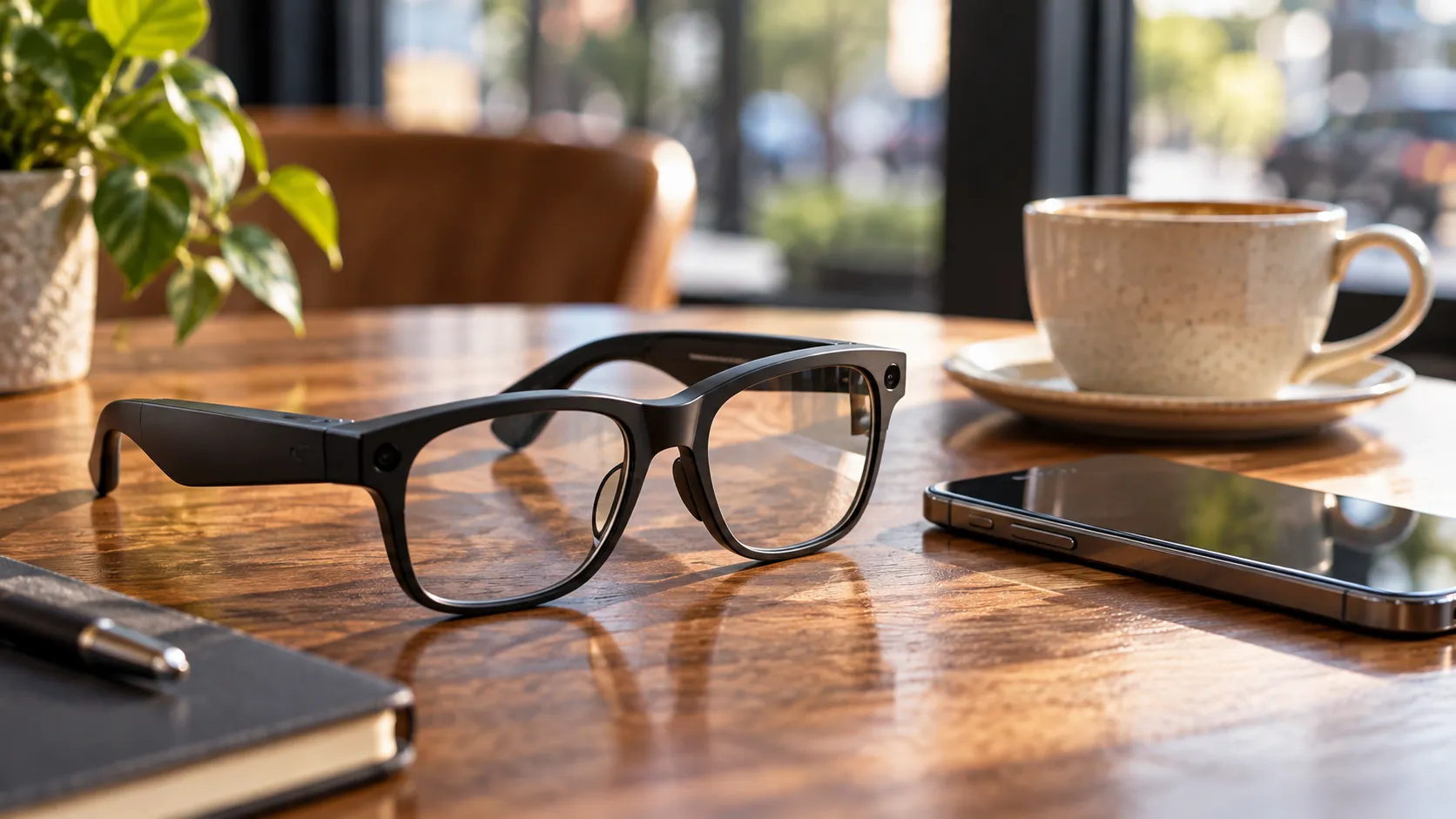
The smart glasses game just got a whole lot more interesting. TCL unveiled something pretty remarkable at CES 2026 with the world's first HDR10-enabled smart glasses—the RayNeo Air 4 Pro. What makes this announcement particularly compelling isn't just the tech breakthrough, but the price point that's going to make a lot of competitors very uncomfortable.
At just $299 and launching January 25, these glasses are positioning themselves as a serious disruptor in a market dominated by Xreal and Viture. TCL's expertise here runs deep—they've been releasing groundbreaking products every year since introducing the world's first QD-Mini LED TV in 2019, and their mastery of display technology directly enables their AR innovations. When you can engineer displays that deliver HDR performance for massive TV screens, translating that expertise to micro-OLED panels becomes a significant competitive advantage.
What makes the HDR10 display technology so groundbreaking?
Here's where things get genuinely exciting from a technical standpoint. The RayNeo Air 4 Pro features a SeeYa 0.6-inch Micro-OLED display that's engineered to work in harmony with HDR10 standards. Starting with the foundation, brightness levels reach up to 1,200 nits—crucial for HDR content because true high dynamic range requires the ability to display both deep blacks and brilliant highlights simultaneously.
This brightness capability becomes transformative when combined with 98% DCI-P3 color accuracy. Think of DCI-P3 as the color standard that makes Netflix content look the way directors intended—but now that cinematic color range is working hand-in-hand with HDR10's expanded contrast ratios to create visuals that pop with unprecedented depth and realism.
The magic amplifies when you step back to see the complete picture: these glasses create a virtual 201-inch display with a remarkable 200,000:1 contrast ratio. That contrast ratio is where HDR10 truly demonstrates its superiority—those inky blacks alongside brilliant highlights make content feel three-dimensional in a way that standard AR displays simply can't match.
Refresh rates ranging from 60 to 120 Hz ensure that HDR content maintains its impact during fast motion sequences. While the resolution remains at standard 1080p, the HDR10 implementation transforms how that resolution performs—extracting detail and visual impact from every pixel that standard displays leave on the table.
How does AI enhance the viewing experience?
This is where TCL demonstrates they're building a complete visual ecosystem, not just better hardware. The device runs on the customized Vision 4000 chip, specifically designed to maximize the HDR10 display's capabilities through intelligent processing.
The breakthrough feature here is AI-driven optimization that converts SDR video to HDR, working in real-time to leverage that 200,000:1 contrast ratio even when viewing content that wasn't originally mastered for high dynamic range. This means your existing Netflix library, YouTube videos, and streaming shows suddenly benefit from enhanced contrast and color depth that makes full use of the display's HDR10 capabilities.
Building on that foundation, the AI technology also transforms standard 2D content into immersive 3D experiences. Unlike previous attempts at 2D-to-3D conversion, this processing works synergistically with the HDR display to create depth perception that's enhanced by the expanded contrast range—making 3D effects more convincing because they're supported by more realistic lighting and color gradients.
The glasses feature AI 3D video conversion capabilities that analyze incoming video streams to optimize both the HDR enhancement and 3D conversion simultaneously. It's like having a personal video engineer who understands exactly how to make content look its best on this specific display technology.
Why should the competition be worried about this pricing strategy?
Here's where TCL's strategic positioning becomes genuinely disruptive. At $299, these glasses cost significantly less than similar augmented reality smart glasses currently available, but that aggressive pricing comes with HDR10 capabilities that competitors can't match at any price point. They're considerably cheaper than comparable Xreal and Viture models while delivering visual technology that's genuinely a generation ahead.
The strategic insight here is that TCL has weaponized their display manufacturing expertise to deliver premium features without premium costs. The glasses include Bang & Olufsen speakers for enhanced audio quality—the same premium audio partnership you'd expect in much more expensive alternatives, now serving as the audio foundation for HDR content with matching sound quality.
Even the practical details reflect this no-compromise approach. At just 76 grams, these glasses achieve lightweight comfort that makes extended HDR viewing sessions practical rather than fatiguing. Support for swappable prescription lenses including -8.00 eliminates the accessibility barriers that often add hundreds of dollars to competitor solutions.
This isn't just competitive pricing—it's market repositioning that forces every competitor to justify why their non-HDR displays command higher prices. TCL has essentially made HDR10 the new baseline expectation while making premium features accessible to mainstream consumers rather than just tech enthusiasts with deep pockets.
What's next for TCL's AR ecosystem?
TCL's ecosystem strategy reveals how the Air 4 Pro's success enables broader market expansion across different user segments. While the Air 4 Pro democratizes HDR AR technology, the company showcased the RayNeo X3 Pro Project eSIM with embedded 4G connectivity that operates completely independently from smartphones or laptops.
This represents the world's first consumer AR glasses concept with integrated eSIM and 4G connectivity, opening possibilities for truly standalone AR experiences powered by the same display innovations. Imagine accessing HDR content during a morning run, streaming high-quality video over 4G directly to your glasses without any phone dependency.
The standard RayNeo X3 Pro without eSIM carries a $1,299 price point, serving professional and enthusiast markets willing to invest in cutting-edge standalone capabilities. This strategic tiering makes sense when backed by solid market performance: According to Counterpoint Research, RayNeo captured 24% of the global AR glasses market in Q3 2025, demonstrating that their previous products have built substantial consumer trust and market momentum.
RayNeo has established itself as the global leader in consumer AR glasses, which positions them to leverage the Air 4 Pro's affordable HDR breakthrough as a foundation for ecosystem expansion that spans from budget-conscious consumers to professional applications.
The game-changing moment for affordable AR
What we're witnessing with the RayNeo Air 4 Pro isn't just another product launch—it's the convergence of breakthrough display technology with accessible pricing that could fundamentally accelerate mainstream AR adoption. TCL's position as the first to implement HDR10 in micro-OLED panels for display glasses creates a technical moat that competitors will struggle to match while maintaining comparable pricing.
The timing amplifies this advantage. The January 25 launch date positions these glasses to capture early 2026 market momentum right when consumer interest in AR technology continues accelerating. TCL's credibility foundation supports this ambitious launch—the company ranked first in ultra-large screen TV sales in 2023, proving they understand how to scale premium display technology for mass markets while maintaining quality and competitive pricing.
PRO TIP: For tech enthusiasts and early adopters, the RayNeo Air 4 Pro represents an unprecedented opportunity to experience true HDR content in AR without the traditional premium price barrier that's kept this technology in enthusiast territory.
The transformation here extends beyond individual product benefits to market-wide implications. When you can deliver HDR10-enabled AR glasses with Bang & Olufsen audio, AI-enhanced processing, and prescription lens support at $299, it becomes impossible for competitors to justify significantly higher prices for inferior display technology. That's the kind of market disruption that benefits everyone—except companies that were comfortable charging premium prices for non-HDR displays. The RayNeo Air 4 Pro has essentially made HDR10 support the new minimum viable product standard in AR glasses, while proving that premium features and accessible pricing aren't mutually exclusive when you have the right display technology expertise.

Comments
Be the first, drop a comment!