


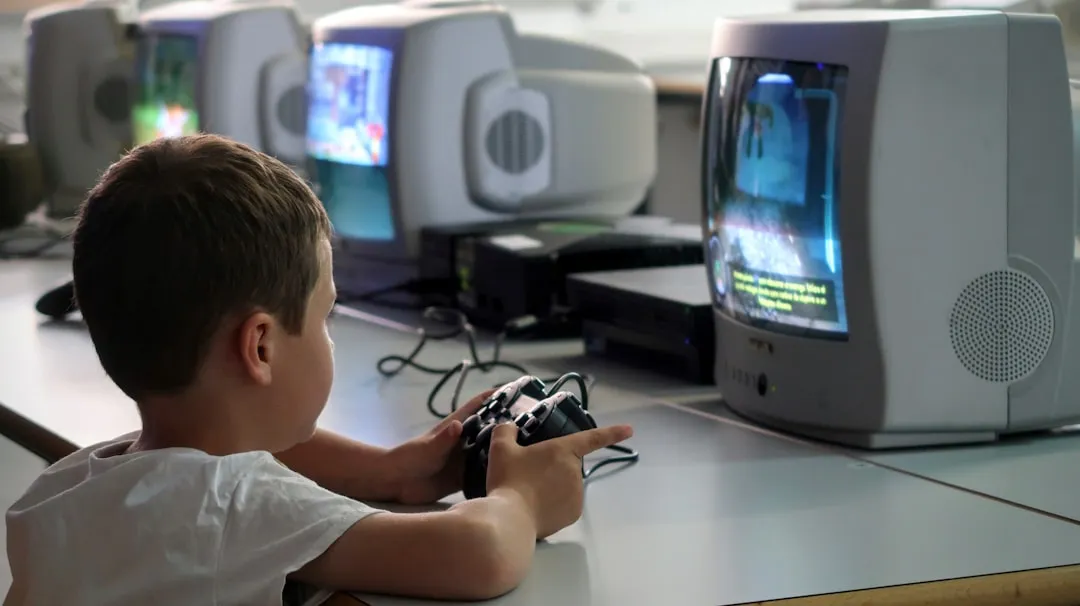
VR Gaming: A New Frontier for Motor Skill Development in Young People with Dyspraxia
Virtual reality gaming is emerging as an unexpected ally in addressing motor skill challenges for young people with dyspraxia, a condition affecting coordination and movement that impacts roughly 5-6% of children worldwide. While VR has long been celebrated for its entertainment value, emerging research reveals its potential as a therapeutic tool that could transform how we approach motor skill development in neurodivergent youth.
This intersection of gaming technology and occupational therapy represents a fascinating evolution in both fields, offering new pathways for skill-building that traditional methods might not achieve as effectively.
What makes this particularly compelling is the precision and adaptability that VR brings to motor skill therapy—we're looking at technology that can create perfectly controlled, infinitely repeatable learning environments that adapt to individual needs in real-time.
What makes VR uniquely suited for motor skill development?
The immersive nature of virtual reality creates an ideal environment for motor learning that goes beyond what traditional therapy can offer. Unlike conventional occupational therapy sessions, VR environments can be infinitely customized and repeated, allowing young people to practice specific movements in engaging, game-like scenarios without the frustration of real-world consequences. Consider the simple act of catching a ball: in VR, you can attempt the same catch hundreds of times with perfect consistency, each attempt providing identical conditions for skill refinement.
Research in neuroplasticity demonstrates that this type of repetitive, controlled practice is crucial for developing new neural pathways—particularly important for individuals with dyspraxia who need extra reinforcement to establish motor patterns. The technology provides immediate visual and auditory feedback, helping users understand and correct their movements in real-time, addressing the proprioception and spatial awareness challenges that often accompany dyspraxia.
VR systems eliminate many environmental distractions that might overwhelm someone with dyspraxia during traditional therapy sessions. The controlled digital environment allows therapists and developers to gradually introduce complexity, starting with simple reaching motions and progressing to more intricate hand-eye coordination tasks. This scaffolded approach, supported by occupational therapy research, aligns perfectly with how motor skills naturally develop while maintaining engagement through gamification elements.
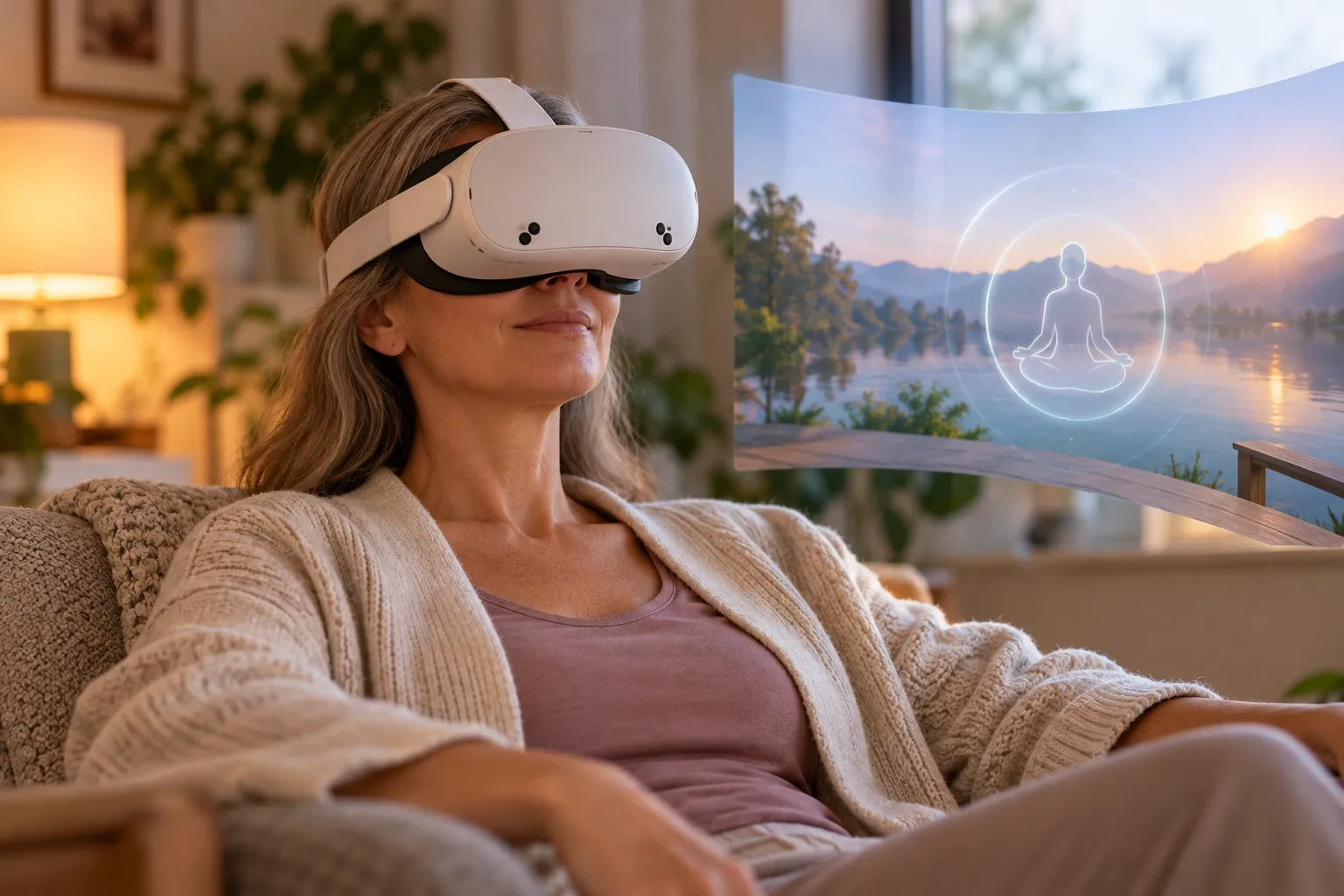
The psychological benefits are equally significant. Studies on motor learning anxiety show that fear of failure can significantly impair skill acquisition. VR provides a judgment-free environment where mistakes become learning opportunities rather than sources of embarrassment, potentially accelerating the development of both skills and confidence.
How do different VR interactions drive motor learning?
The variety of interaction methods available in VR creates multiple pathways for motor skill development, each targeting different aspects of coordination and movement control. Hand tracking technology allows users to practice fine motor skills through virtual object manipulation, while full-body tracking systems address gross motor challenges through whole-body movement games. Research from the Journal of NeuroEngineering and Rehabilitation demonstrates that this multi-modal approach can accelerate motor learning by engaging different sensory and motor systems simultaneously.
Rhythm-based VR games show particular promise for improving timing and coordination, requiring users to synchronize movements with audio-visual cues. Clinical studies indicate that rhythmic exercises can significantly improve motor timing in individuals with coordination disorders. Sports simulation games in VR help develop bilateral coordination and crossing the midline—movements that are often challenging for those with dyspraxia.
The crucial advantage is that these skills develop through enjoyable gaming experiences rather than clinical exercises. Motivation research in therapeutic settings consistently shows that gamified interventions achieve higher compliance rates and better outcomes than traditional exercise protocols, particularly among younger populations.
Modern VR controllers' haptic feedback capabilities add another layer of sensory input that enhances motor learning. This tactile information helps users better understand the relationship between intended movements and actual outcomes, supporting the development of stronger neural pathways for motor control.
Accessibility considerations in VR motor skill therapy
Designing VR experiences for individuals with dyspraxia requires careful attention to accessibility principles that extend beyond standard gaming considerations. Universal design research emphasizes that interfaces must account for movement precision difficulties by offering larger interaction targets and more forgiving timing windows than typical VR applications.
Visual design should minimize clutter and provide clear, consistent visual cues to help users navigate virtual environments without becoming overwhelmed. Studies on visual processing in dyspraxia indicate that individuals with coordination disorders often benefit from simplified visual environments that reduce cognitive load while focusing on motor tasks.
Customization becomes crucial for therapeutic VR applications, as dyspraxia severity and manifestations vary significantly between individuals. Evidence-based practice guidelines from occupational therapy emphasize that effective interventions must be individually tailored. Successful therapeutic VR systems require adjustable difficulty levels, customizable control schemes, and the ability to focus on specific motor skill areas based on individual therapeutic goals.
Audio design plays a critical role, with research showing that many individuals with dyspraxia benefit from clear, consistent audio cues that supplement visual information. The timing and volume of these elements need careful calibration to provide helpful guidance without creating sensory overload.
Comparing VR therapy to traditional occupational therapy approaches
While traditional occupational therapy remains the gold standard for addressing dyspraxia, VR offers unique advantages that complement rather than replace conventional approaches. Traditional therapy excels at addressing real-world functional skills and provides essential human connection and professional assessment that technology cannot replicate.
However, VR extends therapy beyond clinical settings, allowing for more frequent practice sessions while providing detailed data tracking that informs therapeutic decisions. Research on therapy frequency suggests that motor skill development benefits significantly from increased practice opportunities—something VR can facilitate through home-based interventions.
Economic analyses of VR therapy interventions indicate that while initial technology investments can be substantial, the scalability and versatility of VR systems can provide long-term value through reduced need for specialized equipment and expanded access to therapeutic interventions. A single VR system can house multiple therapeutic applications, potentially serving diverse needs within clinical or educational settings.
Where does this technology lead us next?
The convergence of VR gaming and motor skill therapy opens exciting possibilities for neurodivergent support technologies. As VR hardware becomes more affordable and accessible, therapeutic gaming applications may become standard tools in schools, therapy clinics, and homes. Current pilot programs in educational settings show promising results for integrating VR motor skill training into special education curricula.
VR systems' data collection capabilities could enable more precise tracking of motor skill development, allowing for earlier intervention and more targeted therapeutic approaches. Instead of relying solely on periodic assessments, detailed objective data about motor skill development over time could help identify challenges earlier and track progress with unprecedented precision.
For VR developers, this represents an opportunity to create meaningful applications that transcend entertainment, potentially opening new markets while contributing substantially to healthcare and education. Industry analyses suggest that therapeutic VR applications represent a rapidly growing sector with significant potential for positive social impact.
The collaboration between technologists, therapists, and the dyspraxia community continues to drive innovations that may benefit not only those with motor skill challenges but also anyone seeking to improve physical coordination and movement control through engaging, technology-enhanced experiences. As current research initiatives continue to explore the intersection of gaming and therapy, we're likely seeing just the beginning of what's possible when innovative technology meets genuine human need.

Comments
Be the first, drop a comment!