


There's something almost surreal about watching someone who's been behind bars for decades put on a VR headset and suddenly grin like a kid who just discovered magic. Jacob Smith, who's been incarcerated for twenty years, still lights up talking about his first virtual trip: "He went to Thailand, man!" But what's really transformative isn't just the escapism—it's how that Thailand experience became a catalyst for reimagining his future beyond prison walls. The technology that's making these moments possible is quietly revolutionizing how we think about prison rehabilitation, addressing both the emotional isolation and practical skill gaps that have traditionally made successful reentry so challenging.
This isn't some dystopian fantasy or tech company PR stunt. It's happening right now in California correctional facilities, thanks to Creative Acts, a Los Angeles-based nonprofit that's bringing VR headsets into some of society's most challenging environments. During a weeklong program at Valley State Prison near Fresno, incarcerated men sat on metal folding chairs in a common area and strapped on headsets that transported them to places like Bangkok while others practiced job interviews with virtual employers. Sabra Williams, the nonprofit's founder, calls these devices "hope machines"—and that name is starting to make a lot of sense.
From arts programs to virtual worlds: the evolution of prison rehabilitation
Williams didn't just wake up one day and decide to bring cutting-edge technology into prisons. Her VR initiative grew organically from years of running prison arts programming that included theater, music, poetry, dance, and painting. Through these programs, she kept hearing the same frustrating story from people who had been released: technology had passed them by while they were incarcerated.
But here's what Williams discovered that changed everything: the technological disconnect wasn't just about practical challenges with gas pumps, self-checkout machines, or ATMs. The deeper issue was psychological. These individuals felt like they didn't belong anywhere except back in prison—a devastating identity crisis that no traditional job training program could address. When someone's sense of belonging becomes tethered to incarceration, the psychological barriers to reentry become as insurmountable as the practical ones.
That's when Williams realized VR could bridge this gap in a way traditional rehabilitation programs simply couldn't. By allowing people to experience environments beyond their immediate reality while still behind bars, VR could begin rebuilding that sense of belonging to the broader world—long before release day arrived.
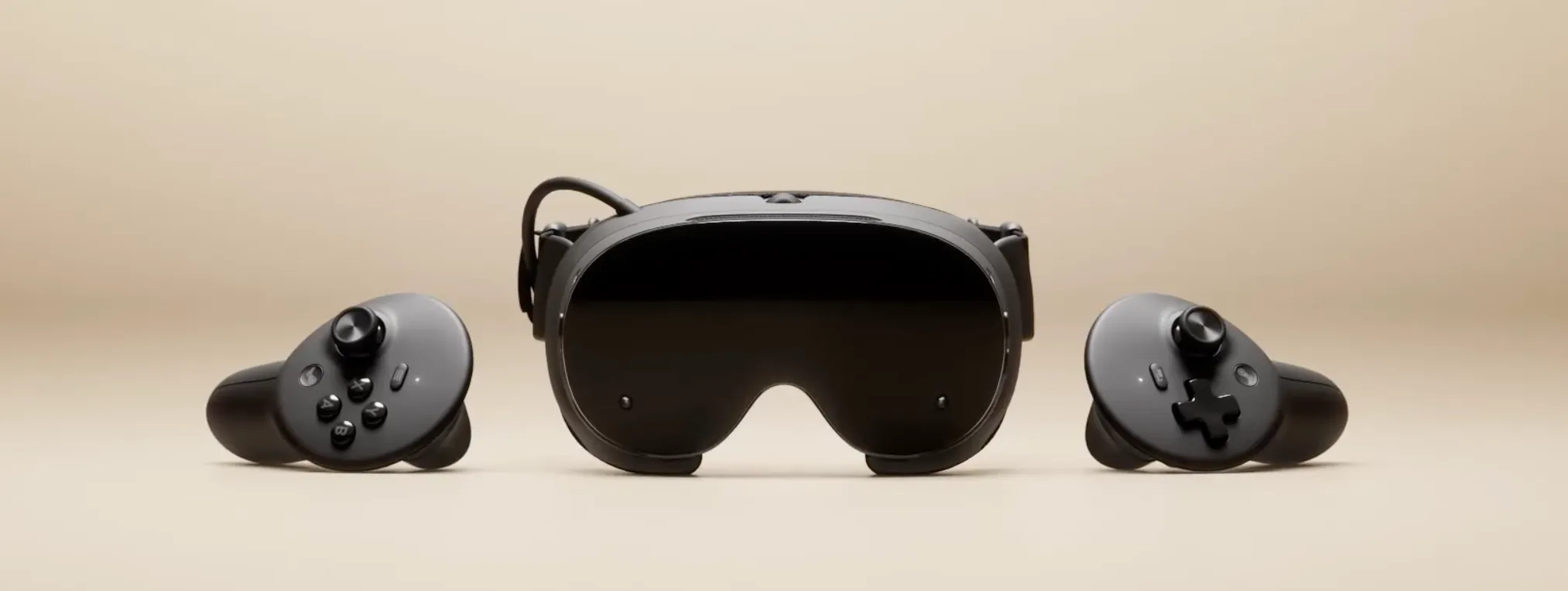
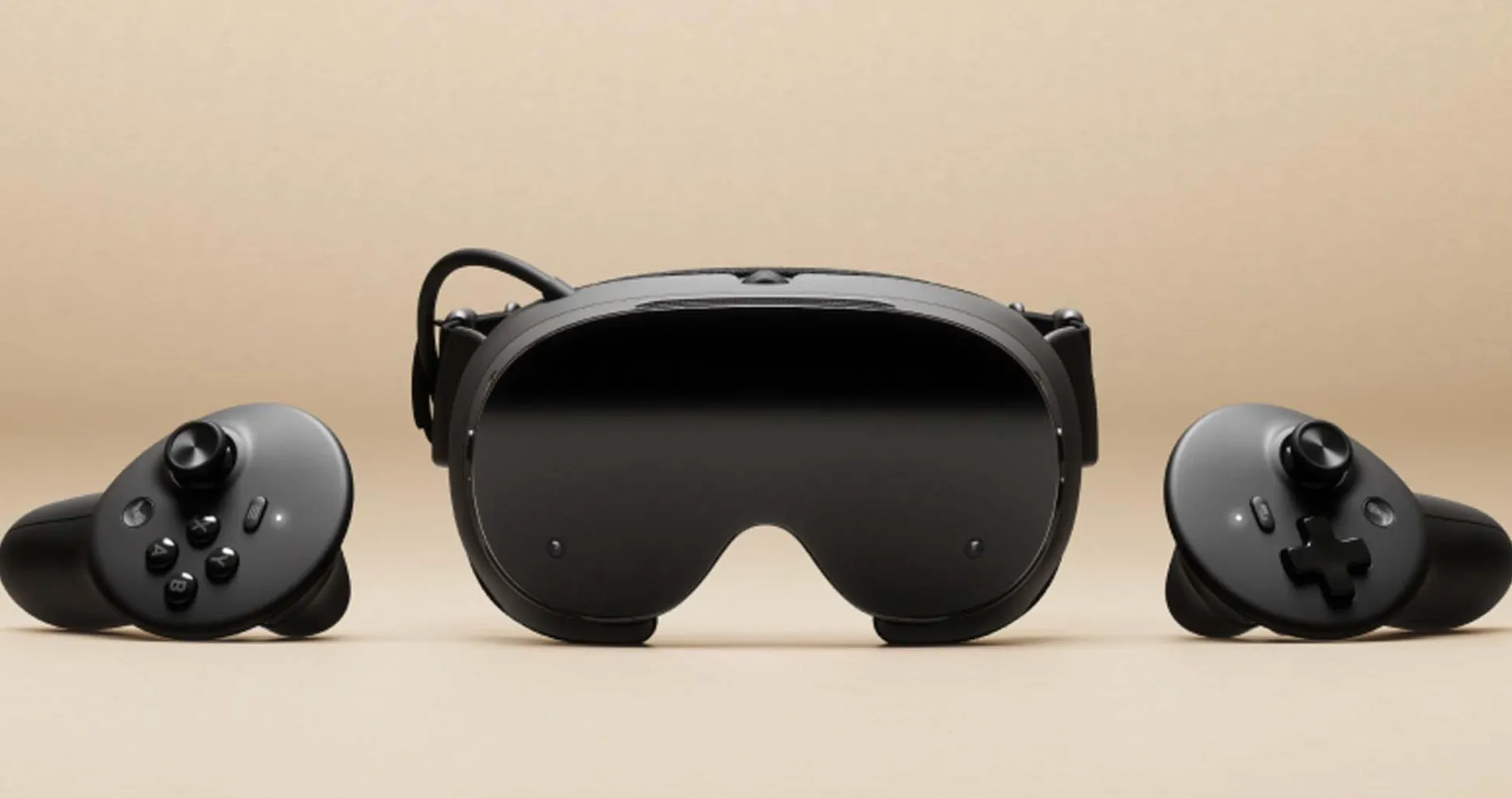
Now the program operates with 100 Oculus headsets donated by Meta, running three times annually across four California prisons. Williams has ambitious plans for statewide and eventually nationwide expansion—and given the early results, that expansion might be exactly what the corrections system needs.
What makes these VR experiences so transformative?
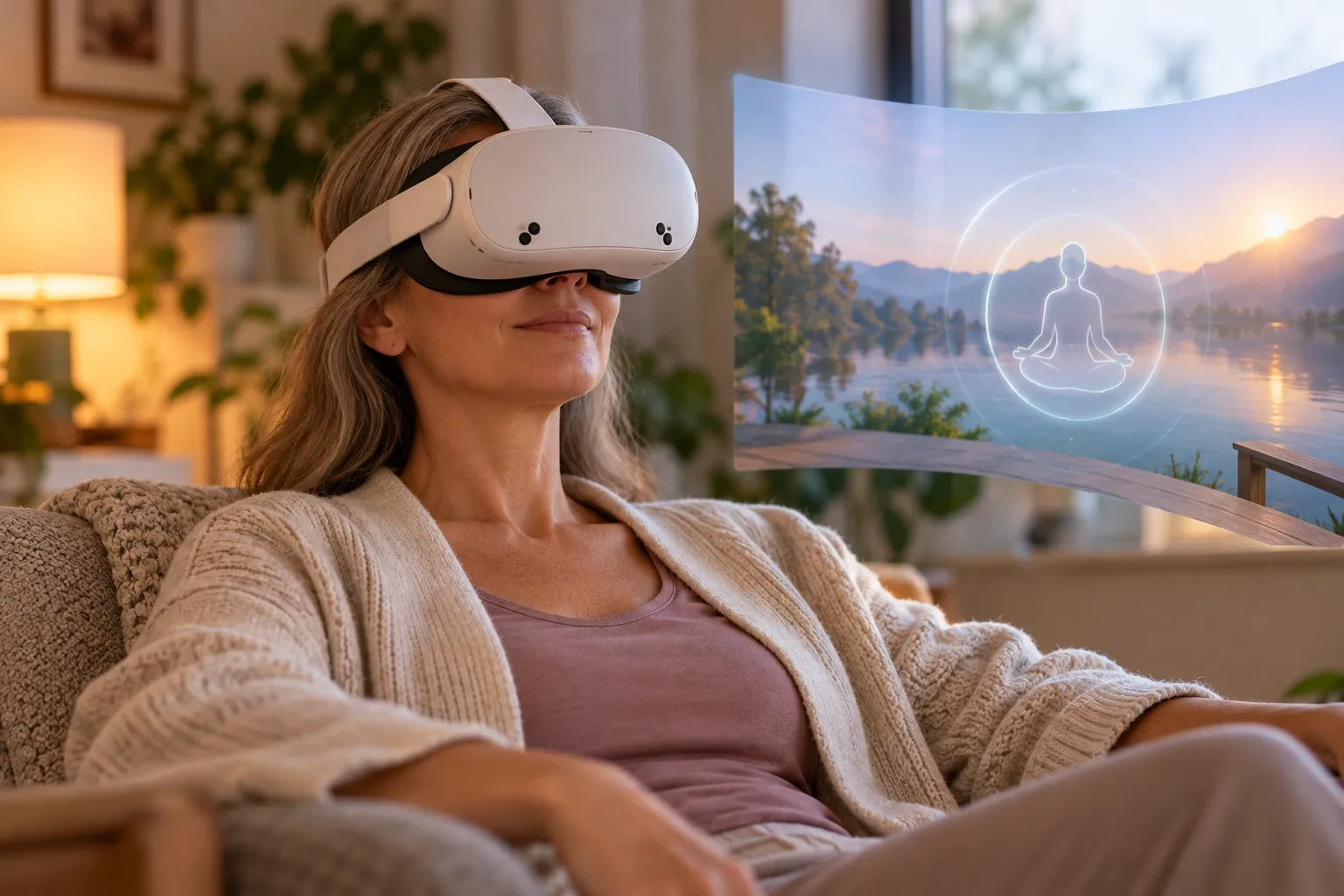
Here's what's fascinating about the Creative Acts approach: they've thoughtfully balanced emotional healing with practical skill-building, understanding that successful reentry requires both psychological readiness and concrete abilities. Williams' team has curated YouTube footage and developed custom content focusing on travel, constructive scenarios, civic engagement, conflict resolution, art, and meditation.
The travel experiences can be profoundly moving—the introductory two-minute trip to Thailand often brings inmates to tears, especially for those who had "never been off their block, let alone out the country." But beyond Jacob Smith's emotional reaction to Bangkok's bustling markets, these virtual journeys serve a crucial neurological function: they help rewire the brain's sense of possibility and self-worth after years of institutional limitation.
The practical simulations address an entirely different but equally critical need. Participants sit across virtual desks from virtual interviewers who range from easygoing to hard-nosed, giving them tools for finding employment once they're released. These aren't just feel-good experiences—they're addressing the specific interpersonal and professional challenges that research shows are primary predictors of reentry success.
This dual approach builds on solid scientific foundation. Research published by the American Psychological Association found that incarcerated people who viewed even short nature videos showed reduced aggression levels and fewer disciplinary infractions. Creative Acts' comprehensive VR programming takes this research several steps further, creating full immersive experiences that combine stress reduction with skills development—addressing both the emotional regulation and practical preparation aspects of successful reintegration.
What's particularly impressive is the program's versatility—it works in both general population and solitary confinement settings, suggesting these virtual experiences can reach individuals across different security levels and circumstances, including those who are most isolated from human contact.
The broader landscape: VR as a reentry tool nationwide
California's Creative Acts program represents one innovative approach within a rapidly growing national movement that's transforming how we think about correctional rehabilitation. Companies like Transfr have established partnerships across 18 states, providing career training in everything from aviation to electrical installation for justice-impacted individuals. This expansion reflects a growing recognition that traditional approaches to reentry preparation have been inadequate to address the complex challenges facing formerly incarcerated individuals.
The employment statistics underscore why this technological innovation is so urgently needed: only about 37 percent of formerly incarcerated people find work within their first year of release nationally, and nearly 25 percent of all incarcerated Americans lack a high school diploma. But VR programs are specifically designed to address these interconnected barriers by providing both technical skills training and the confidence-building experiences that come from practicing in a risk-free environment.
The programming can be remarkably intensive. At the Central California Women's Facility, participants engage in weeklong programs involving four hours daily of VR simulations covering everything from self-checkout operations to conflict resolution and job interviews. This immersive approach creates muscle memory and neural pathways that traditional classroom learning often fails to establish.
The behavioral impact has been striking. One California state prison's security housing unit saw disciplinary infractions drop from 735 to just one between October and December 2023 following VR program participation. This isn't just about reduced incidents—it suggests that virtual experiences may be fundamentally altering how participants view themselves and their relationships with authority, setting crucial groundwork for successful community reintegration.
Challenges and considerations for scaling VR in corrections
Despite these promising outcomes, implementing VR programs in correctional settings faces significant systemic obstacles that could determine whether these innovations remain isolated success stories or become standard rehabilitation tools. The operational challenges are formidable: staff shortages, limited educational space, security lockdowns, Wi-Fi restrictions, and budget constraints all threaten the advancement of job readiness programming. These aren't minor inconveniences—they represent fundamental structural barriers within the corrections system that require institutional change, not just technological solutions.
Nancy La Vigne, dean of Rutgers-Newark School of Criminal Justice, raises another critical concern about potential unintended consequences for those who might be excluded from VR experiences. If VR programs become highly valued but access remains limited due to behavioral requirements, security classifications, or resource constraints, they could inadvertently create new hierarchies within prison populations, potentially undermining the sense of fairness that's crucial for institutional stability.
The privacy implications add another layer of complexity that extends far beyond typical data protection concerns. VR systems can collect unprecedented amounts of physiological and behavioral data, including gaze patterns, body movements, and psychological responses. For incarcerated individuals who already have severely limited privacy rights, this raises fundamental questions about consent, data ownership, and the potential for this intimate behavioral data to influence parole decisions, security classifications, or post-release monitoring.
The California Department of Corrections and Rehabilitation has expressed support for the technology's potential to "heal trauma, regulate emotional response, and prepare for safe, successful reentry into society," but expansion plans remain unclear—which likely reflects the complex interplay of these implementation challenges, budgetary constraints, and institutional risk assessment.
Where technology meets second chances
What makes the prison VR story so compelling isn't just the technology—it's what it represents about fundamentally reimagining the relationship between punishment and rehabilitation. The U.S. Department of Education's finding that every dollar invested in prison educational programs saves taxpayers up to five dollars provides compelling economic justification for these initiatives. But the cost-benefit analysis only tells part of the story—the real transformation is happening at the intersection of human psychology and technological possibility.
Participants consistently report that VR experiences made them "want to be better people" and helped them envision life beyond incarceration. This isn't just feel-good rhetoric—it reflects a fundamental shift in self-perception that traditional corrections approaches have struggled to achieve. When someone who's been incarcerated for decades can experience virtual success in job interviews, navigate complex social situations without consequences, and explore worlds beyond their immediate reality, it creates new neural pathways for imagining different futures.
The employment outcomes provide concrete validation of these psychological shifts. One reentry center tracked remarkable results: 58 out of 72 VR program participants found and retained employment at the six-month mark. These numbers represent individuals who successfully transitioned from incarceration to stable employment, breaking cycles that often span generations and creating ripple effects throughout families and communities.
The technology also proves effective at addressing trauma and emotional regulation—areas where traditional corrections approaches have often fallen short. VR offers what Williams calls a safe space to practice real-life situations and explore how reactions impact outcomes, without the fear of real-world consequences that might paralyze someone in an actual job interview or social interaction.
As Creative Acts pushes for nationwide expansion of these "hope machines," the early California results suggest we might be witnessing the emergence of a genuinely transformative approach to criminal justice rehabilitation. The technology addresses both the emotional wounds and practical skills gaps that have traditionally made successful reentry so elusive, creating a bridge between the institutional world and the community that extends far beyond traditional programming.
The challenges are real, and the implementation obstacles are significant. But for people like Jacob Smith, whose virtual journey to Thailand became a first step toward reimagining his place in the world, these VR programs offer something that's been in short supply in the corrections system: concrete tools for building different futures. In a system that's struggled for generations to balance punishment with rehabilitation, that might be exactly the kind of innovation we need—one virtual experience at a time.



Comments
Be the first, drop a comment!