



When medical procedures trigger anxiety, the solution might be as immersive as it is innovative. Recent clinical trials demonstrate that virtual reality technology can significantly reduce patient anxiety during medical treatments, offering healthcare providers a powerful non-pharmacological intervention that complements traditional care approaches. Multiple studies show VR interventions achieving meaningful reductions in both anxiety and pain levels, with research indicating that VR works through two primary mechanisms: distraction and exposure therapy. Healthcare systems are increasingly exploring VR as a scalable tool that strengthens multimodal treatment strategies while promoting safer patient experiences.
This isn't just about offering patients a temporary escape—it's about fundamentally changing how we approach medical anxiety management. As healthcare costs rise and opioid concerns mount, VR represents a validated pathway toward pharmaceutical reduction while simultaneously improving patient satisfaction and clinical outcomes.
The science behind VR's anxiety-reducing effects
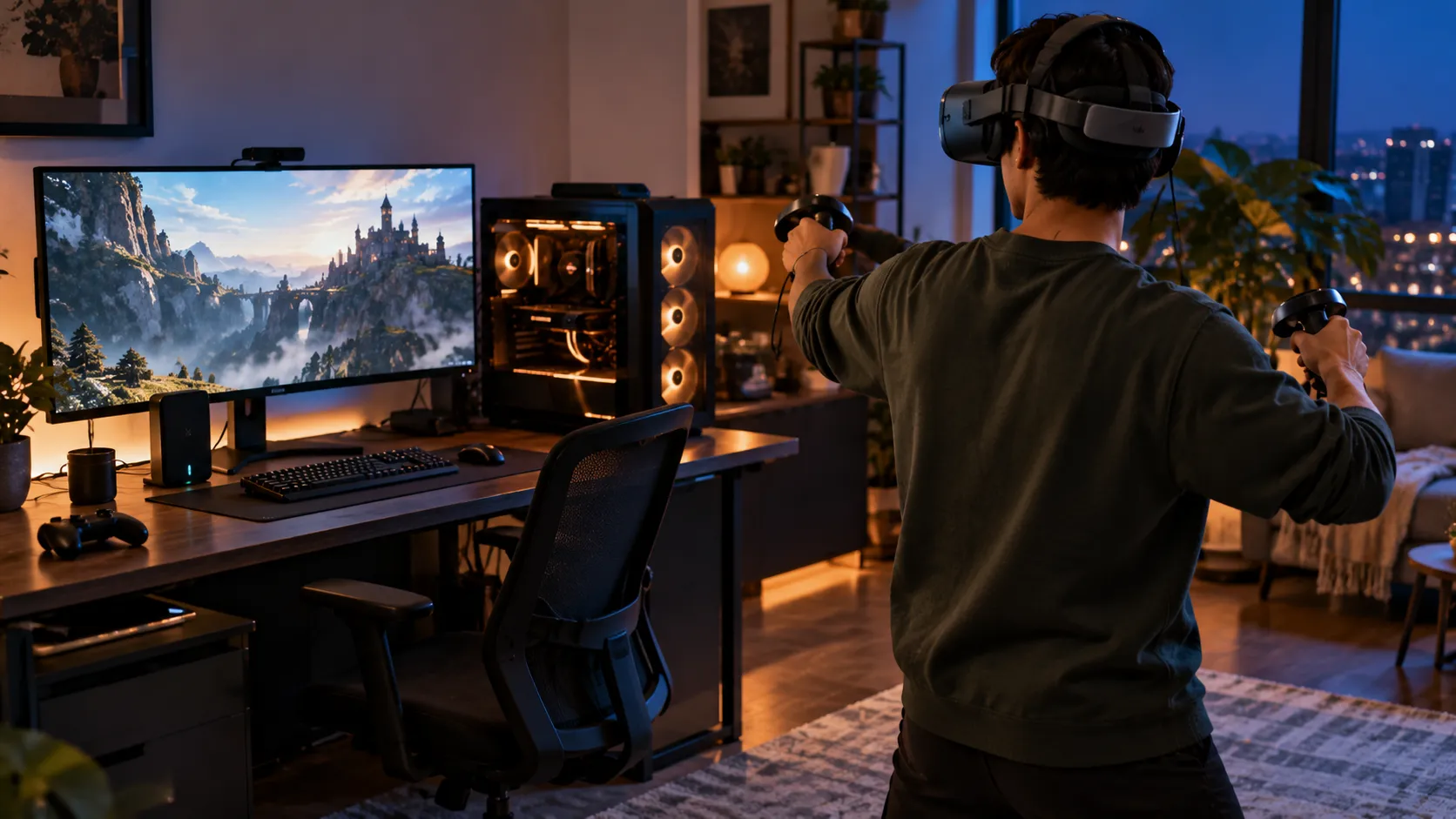
Understanding how VR alleviates medical anxiety requires examining its core mechanisms and clinical validation. Here's what makes this technology genuinely effective: VR technology creates immersive environments that closely mimic the physical world, allowing patients to freely explore and engage with virtual surroundings that distract from medical procedures. The clinical evidence speaks volumes—VR significantly reduced anxiety measured by both the Numeric Rating Scale and State-Trait Anxiety Inventory, with adverse events remaining infrequent and mild.
What's particularly compelling is the robustness of these findings. Recent meta-analysis findings reveal VR interventions achieved anxiety reductions with moderate certainty of evidence, representing the most robust and clinically supported effect among measured outcomes. This level of consistency across studies suggests we're looking at a legitimate therapeutic mechanism, not just placebo effects or statistical noise.
The technology's effectiveness varies based on implementation timing and approach, which reveals crucial insights about optimal protocols. Studies examining pre-exposure interventions found them particularly effective in adult populations compared to simple distraction methods. However, there's a nuance here that practitioners need to understand: some research indicates temporary anxiety increases immediately following initial VR exposure, suggesting the importance of repeated interventions for optimal outcomes. This finding points to something crucial about dosing—multiple VR sessions demonstrate greater efficacy than single-use applications, with findings showing significantly lower anxiety scores in operating theaters when patients received repeated interventions.
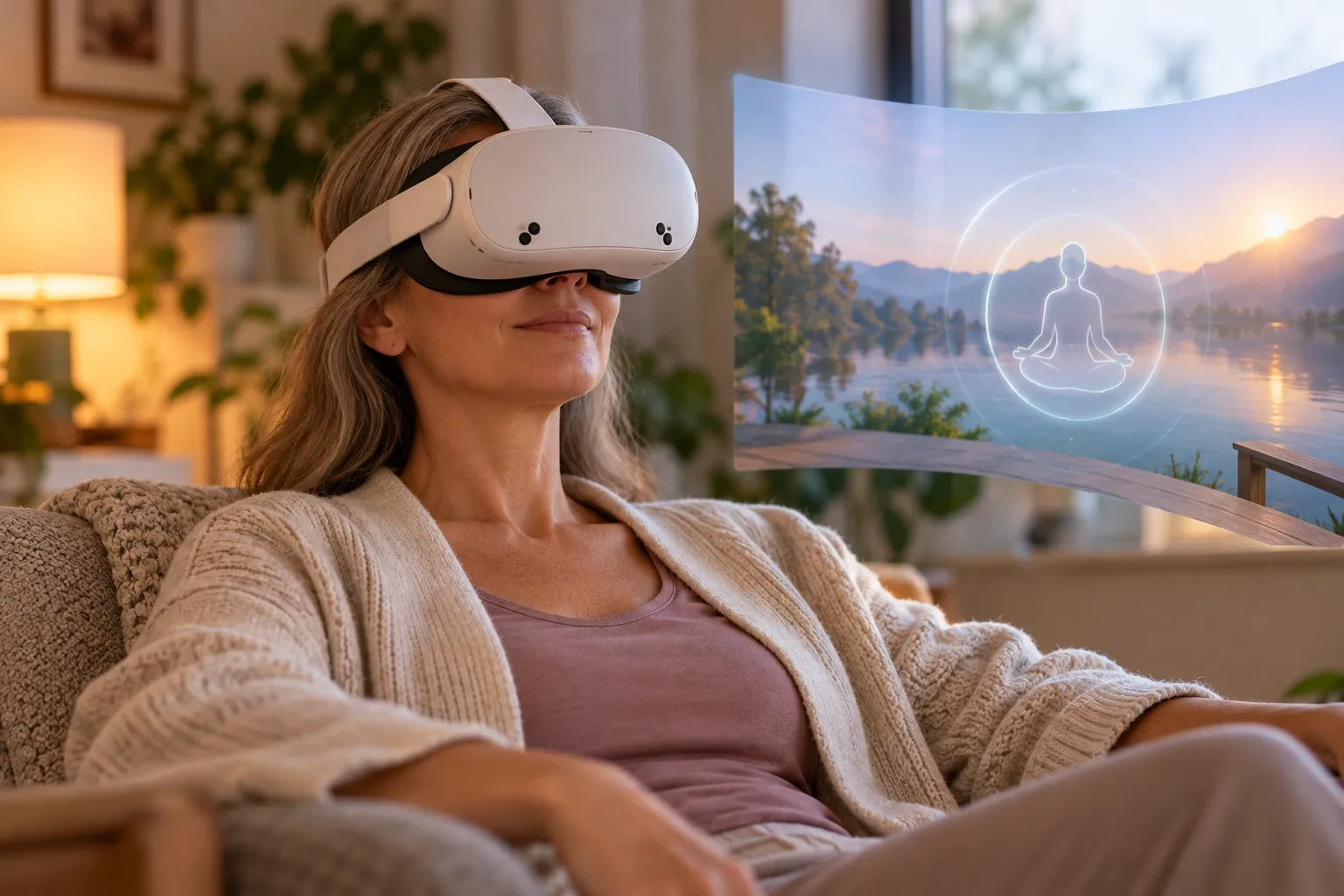
Think of VR's mechanism as cognitive bandwidth management—when your visual and auditory processing centers are fully occupied with a virtual beach scene or meditation environment, there's less mental capacity available for processing worry and fear. This neurological hijacking of attention resources explains why the immersive nature of VR environments, which engage multiple sensory systems simultaneously, proves more effective than traditional distraction methods like tablets or music therapy.
Real-world clinical outcomes across medical procedures
VR interventions have demonstrated measurable benefits across diverse medical settings, from surgical procedures to routine treatments. Let's break down what the data actually shows across different specialties and why these consistent results matter for healthcare implementation.
In urological surgeries under regional anesthesia, the results validate VR's therapeutic potential beyond theoretical benefits. VR groups showed significantly lower intraoperative anxiety scores compared to control groups, with a large effect size and 95% confidence interval. Beyond anxiety reduction, the same study revealed that VR patients experienced significantly lower stress levels and higher satisfaction scores after statistical correction. The cultural adaptation aspect here reveals why personalized implementation matters: these interventions achieved high patient acceptance rates, with 98.6% completion using culturally adapted content including Arabic-language meditation and Islamic principles.
This cultural responsiveness isn't just good patient relations—it's fundamental to therapeutic efficacy. Healthcare providers discovered that VR content needs to resonate with patients' backgrounds and beliefs to achieve maximum therapeutic benefit. It's not enough to simply strap on a headset; the virtual experience needs to feel meaningful and comfortable to the individual wearing it.
Gynecological surgery represents another area where VR shows consistent benefits that extend beyond immediate anxiety relief. Patients receiving multi-stage VR interventions experienced significantly lower anxiety scores at multiple measurement points compared to control groups. The benefits compound throughout the perioperative period: these patients also showed improved postoperative acute pain scores and satisfaction levels with statistical significance. This demonstrates how anxiety reduction cascades into broader clinical improvements, supporting VR's role in comprehensive care protocols.
VR's effectiveness isn't limited to adult populations either. Systematic reviews show children and adolescents benefit from VR as a non-pharmacological distraction method complementary to traditional treatments, suggesting broad applicability across age groups and developmental stages.
Cardiac surgery represents perhaps the most impressive validation of VR's clinical potential. Patients undergoing first-time sternotomy procedures who used VR experienced significant reductions in feeling tense and strained, plus improvements in calmness compared to tablet-based controls. Here's what separates VR from simple placebo effects: the same patients showed significant reductions in strain, upset, and tension when comparing pre- and post-intervention measurements, while control patients experienced no changes in these categories.
What's striking about these results is their consistency across different types of procedures and patient populations. From pediatric blood draws to major cardiac procedures, the anxiety-reducing effects appear remarkably robust, suggesting universal psychological mechanisms at work rather than procedure-specific benefits.
Implementation challenges and technological considerations
Despite promising clinical outcomes, VR implementation faces several practical considerations that healthcare systems must address. Let's examine the current limitations and what we still need to figure out for widespread clinical adoption.
First, there's the question of optimal usage parameters that reveals gaps in our implementation knowledge. VR sessions in included studies typically lasted only 6-120 minutes, and researchers haven't yet determined the optimal duration for maximum therapeutic benefit. This represents a significant knowledge gap—we know VR works, but we don't yet have precise protocols for maximizing its effectiveness across different procedures and patient populations.
The research landscape itself shows methodological inconsistencies that affect confidence levels. Most studies examining VR effectiveness had "some concerns" to "high" risk of bias with moderate to low certainty of evidence, indicating the need for more rigorous research methodologies. Additionally, some studies reported no significant effects on reducing preoperative anxiety, highlighting the inconsistent results across different implementation approaches.
This inconsistency isn't necessarily a problem with VR itself—it's more likely a reflection of how early we are in understanding optimal implementation strategies. Duration, content type, timing of administration, patient selection criteria—all of these factors probably influence outcomes, but we're still working out which variables matter most for success.
On the positive side, safety profiles remain generally favorable across implementations, supporting VR's viability for broad clinical use. VR demonstrated excellent safety with no serious adverse events reported in major studies. When side effects do occur, they're typically minor: mild VR-related discomfort occurred in only 6.9% of cases and was transient, requiring no intervention discontinuation. However, there are considerations worth noting: some patients reported higher intraoperative tension, with 20.9% of VR headset users experiencing this effect during surgical procedures.
Cultural adaptation emerges as a crucial implementation factor that connects back to the mechanism understanding from earlier. Successful VR programs utilized culturally appropriate content validated by local religious and cultural advisors, incorporating elements like Arabic-language meditation tracks and culturally relevant natural environments. This cultural responsiveness enhances the cognitive engagement that makes VR effective—content that feels foreign or uncomfortable undermines the very attentional mechanisms VR relies upon.
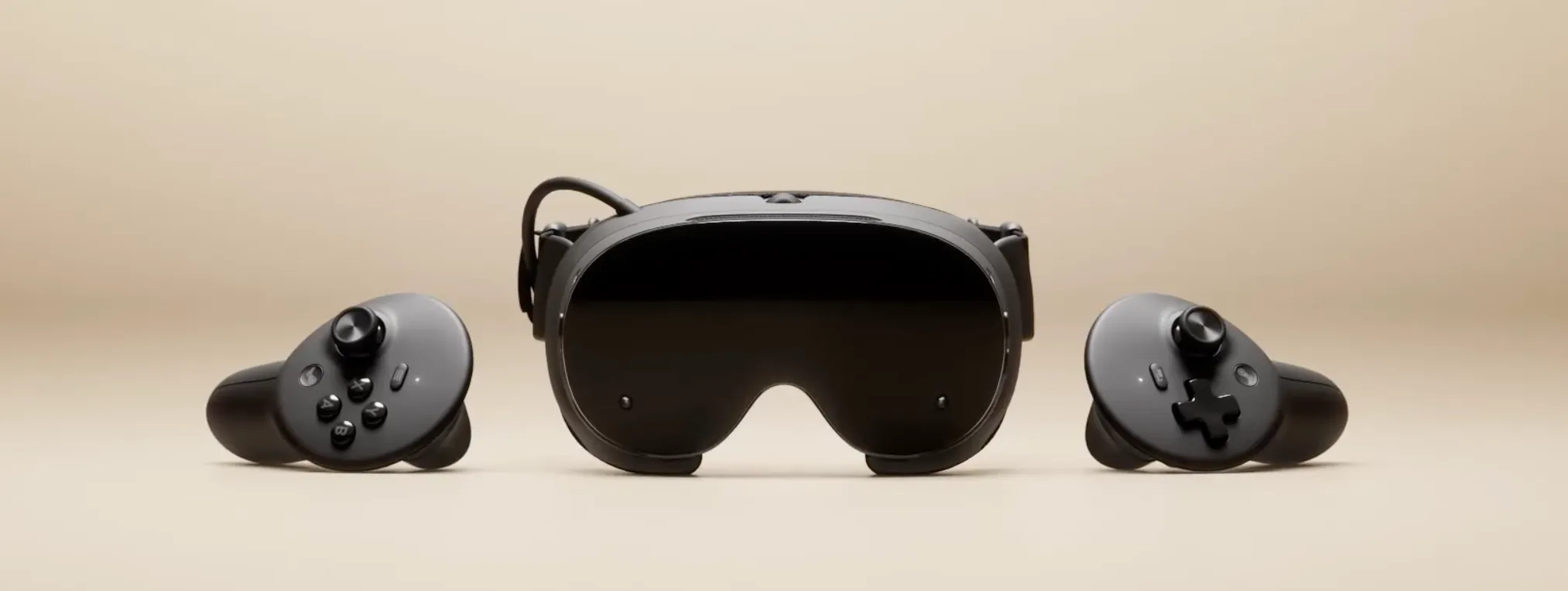
The technology requirements are also specific and demand careful consideration for healthcare administrators. High-end head-mounted displays and appropriate interactive software content are required for optimal anxiety reduction, particularly in procedures like colonoscopy. You can't just buy any VR headset and expect therapeutic results. The hardware needs to be medical-grade, the software requires clinical validation, and the content must be appropriately designed for healthcare environments.
What this means for the future of medical care
VR's integration into healthcare represents more than a technological novelty—it signals a fundamental shift toward patient-centered, multimodal treatment approaches that could reshape how we think about medical experiences themselves.
The research community acknowledges significant gaps that need addressing for evidence-based implementation. Additional rigorous and adequately powered clinical trials are still needed to establish clinical effectiveness and cost-effectiveness of VR interventions. More importantly for clinical decision-making, identifying which surgical procedures and patient groups benefit most from VR will be essential for effective and appropriate integration into perioperative care. This isn't just academic curiosity—it's about ensuring resources are deployed where they'll have maximum impact while building on the mechanism understanding we've established.
The potential for pharmaceutical alternatives represents a significant healthcare transformation opportunity. VR could serve as a useful alternative or supplement to pharmaceuticals for decreasing both anxiety and pain levels in medical settings. Given rising concerns about opioid dependency and the costs of anxiety medications, this positioning of VR as a validated non-pharmacological intervention aligns with broader healthcare system priorities.
What's fascinating is how VR might reshape the entire patient experience paradigm, building on the cultural adaptation insights we've seen in implementation. Instead of viewing medical procedures as something patients must simply endure, we're moving toward an approach where the experience itself becomes part of the treatment. This represents a philosophical shift from procedure-focused to experience-focused healthcare delivery.
The technology's potential extends beyond immediate anxiety relief to broader healthcare outcomes that connect to the comprehensive clinical benefits we've observed. VR therapy influences patient comfort, satisfaction with care, and overall feelings of well-being among surgical patients. For specific populations, the applications become particularly promising when we consider the multifaceted benefits. Among adult patients, including seniors undergoing oncological or rheumatological treatment, VR supports pain reduction, gentle physical activation, cognitive training, and psychoeducation that helps patients understand disease complexity and learn coping strategies.
The vision for comprehensive perioperative transformation builds naturally from these accumulated benefits: healthcare systems can harness this technology to create immersive environments that minimize stress and enhance the entire perioperative experience. This isn't just about individual patient comfort—it's about systemic improvements in satisfaction scores, reduced pharmaceutical dependency, and potentially shorter recovery times.
The evidence points toward VR becoming a standard component of comprehensive medical care, particularly as hardware costs decrease and clinical protocols mature. For healthcare providers exploring digital therapeutics, VR offers a validated pathway to improve patient outcomes while potentially reducing pharmaceutical dependency—a win-win scenario that aligns with modern healthcare's emphasis on personalized, technology-enhanced treatment approaches.
What's clear is that we're witnessing the transition from experimental technology to standard care practice happening faster than many anticipated. The combination of consistent positive outcomes, growing acceptance among both patients and providers, and the compelling cost-benefit profile suggests VR therapy is poised to become as routine as other non-pharmacological interventions in modern healthcare settings. As implementation best practices become more established and the optimal protocols we discussed earlier get refined, we're looking at a legitimate therapeutic tool that's earning its place in evidence-based medicine through measurable, objective improvements in patient wellbeing.



Comments
Be the first, drop a comment!