


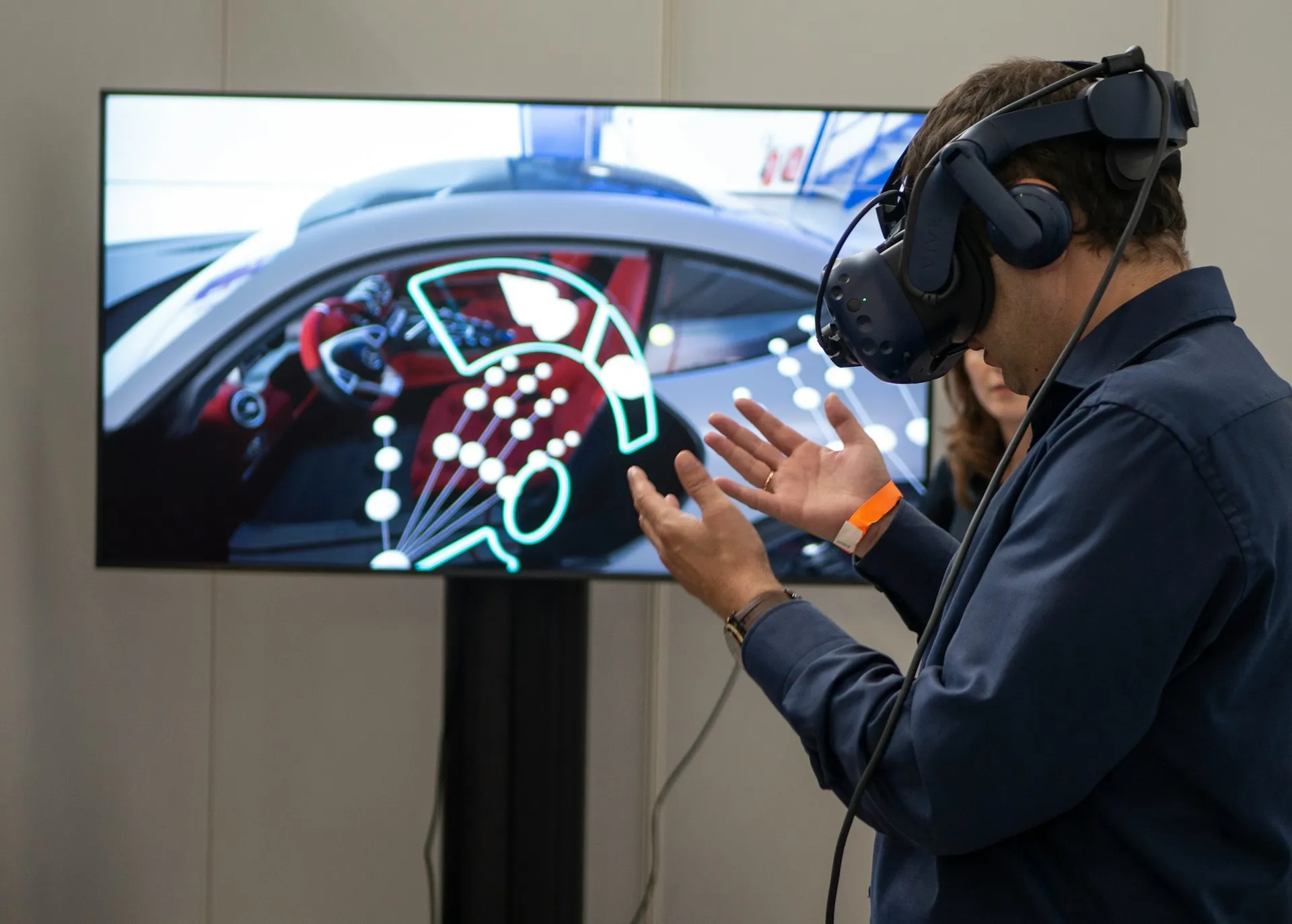
The critics who proclaimed VR's death clearly haven't been paying attention to 2025's remarkable developments. This year has witnessed an unprecedented surge in VR innovation and market growth, while smart glasses have simultaneously evolved from experimental gadgets into legitimate consumer products. The convergence of these technologies is a pivotal moment for extended reality, with major players investing heavily and new applications emerging across industries from healthcare to entertainment.
Why the "VR is dead" narrative was always wrong
Anyone still claiming VR is dead in 2025 simply hasn't been examining the compelling market data that tells a completely different story.
According to reports, a record number of new VR headsets were announced throughout 2025—hardly the behavior of a dying industry. But hardware announcements only scratch the surface. Meta Quest achieved something remarkable this year: over 1 billion views organically on TikTok, according to Meta's developer blog. This level of social media penetration demonstrates genuine mainstream appeal that extends far beyond traditional tech enthusiasts.
The content ecosystem has also matured in fascinating ways. While big-budget titles like Deadpool VR and Alien: Rogue Incursion grabbed headlines, the real winners were indie developers who understood something crucial about modern VR adoption patterns. Animal Company perfectly exemplifies this trend, achieving the 5th-highest first-year revenue for a VR game while boasting over 1 million active monthly users, per Android Central's analysis. This success stems from how VR users gravitate toward smaller titles that generate authentic word-of-mouth on social media—a pattern that drives sustainable growth rather than flash-in-the-pan publicity.
Most tellingly, reports show the Quest once again outsold most major consoles during Black Friday and Cyber Monday, proving that consumer demand remains robust when the value proposition is clear.
Smart glasses finally hit their stride
The transformation of smart glasses from novelty gadgets into essential computing devices has been nothing short of remarkable, driven by breakthrough advances in both technology and user acceptance.
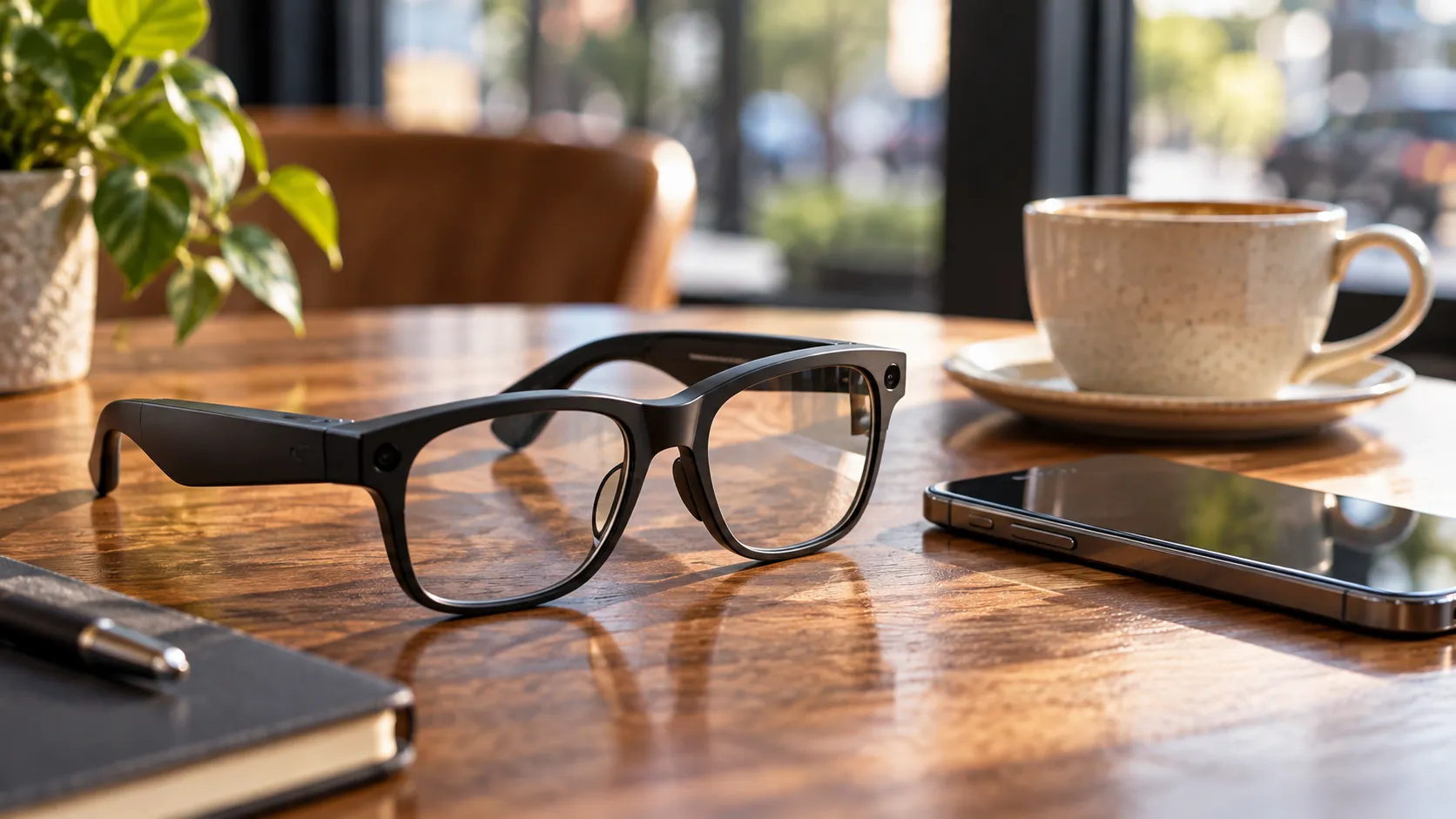
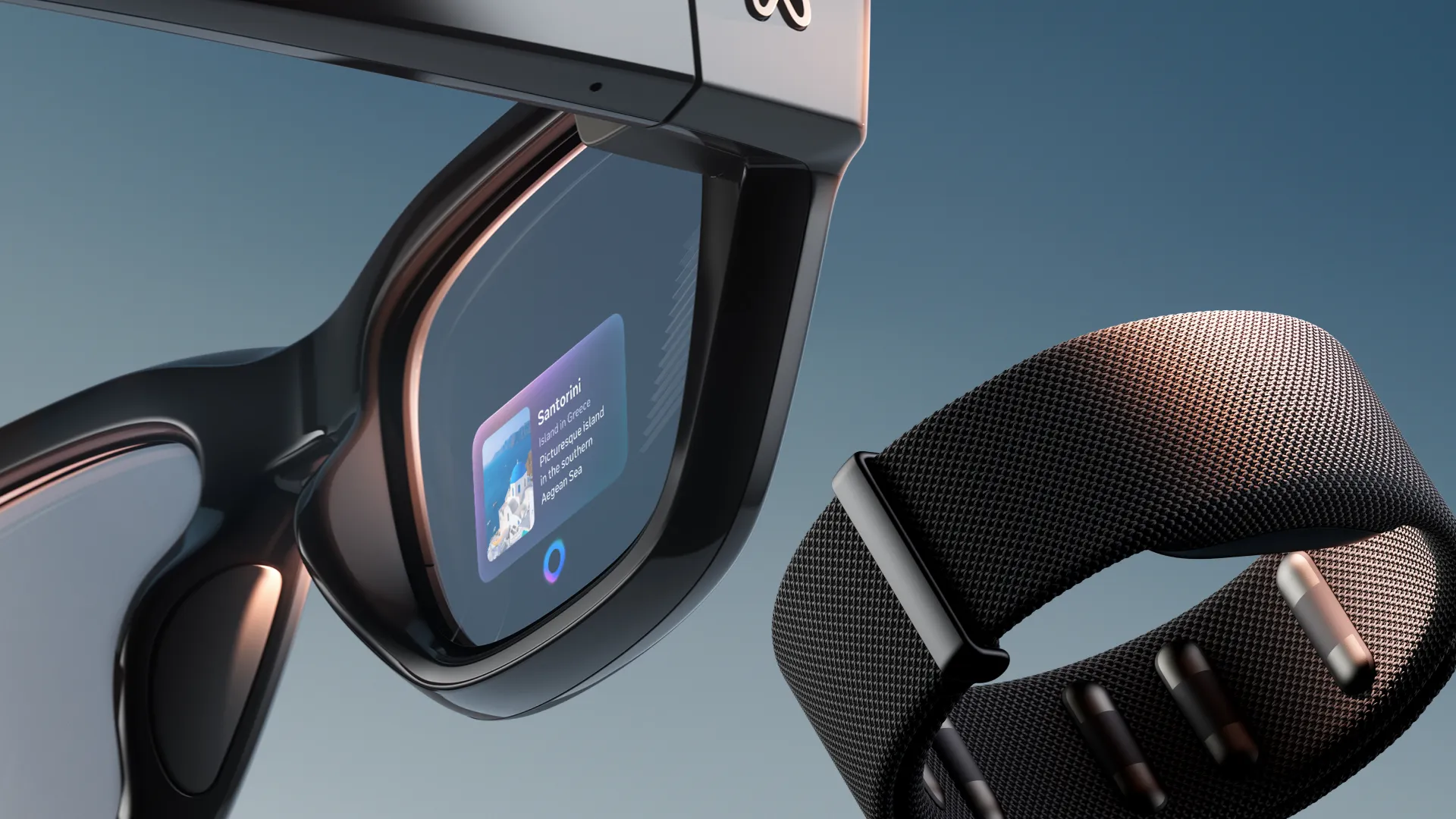
Smart glasses have truly discovered their potential this year, according to Android Central, with Meta's Ray-Ban Display Glasses, which are a consumer-ready pair featuring an integrated display. Unlike previous attempts that required users to sacrifice social acceptability for functionality, these devices finally solve the fundamental design equation that plagued earlier generations.
The market response has validated this breakthrough approach. Worldwide shipments of AR/VR headsets combined with display-less smart glasses are expected to grow 39.2% in 2025, reaching 14.3 million units, according to IDC research. This growth surge is primarily driven by smart glasses like Meta's Ray-Bans, with the category experiencing 247.5% growth during the year, as IDC reports. Such explosive growth signals that smart glasses have crossed the critical adoption chasm from early enthusiasts to mainstream consumers who value both utility and social normalcy.
PRO TIP: The key to smart glasses success isn't just advanced technology—it's creating devices that provide genuine utility without requiring users to look like they're wearing experimental hardware.
The tech giants are doubling down
When major technology companies significantly increase their investments rather than cutting them, it's usually a reliable indicator that an industry has real staying power and growth potential.
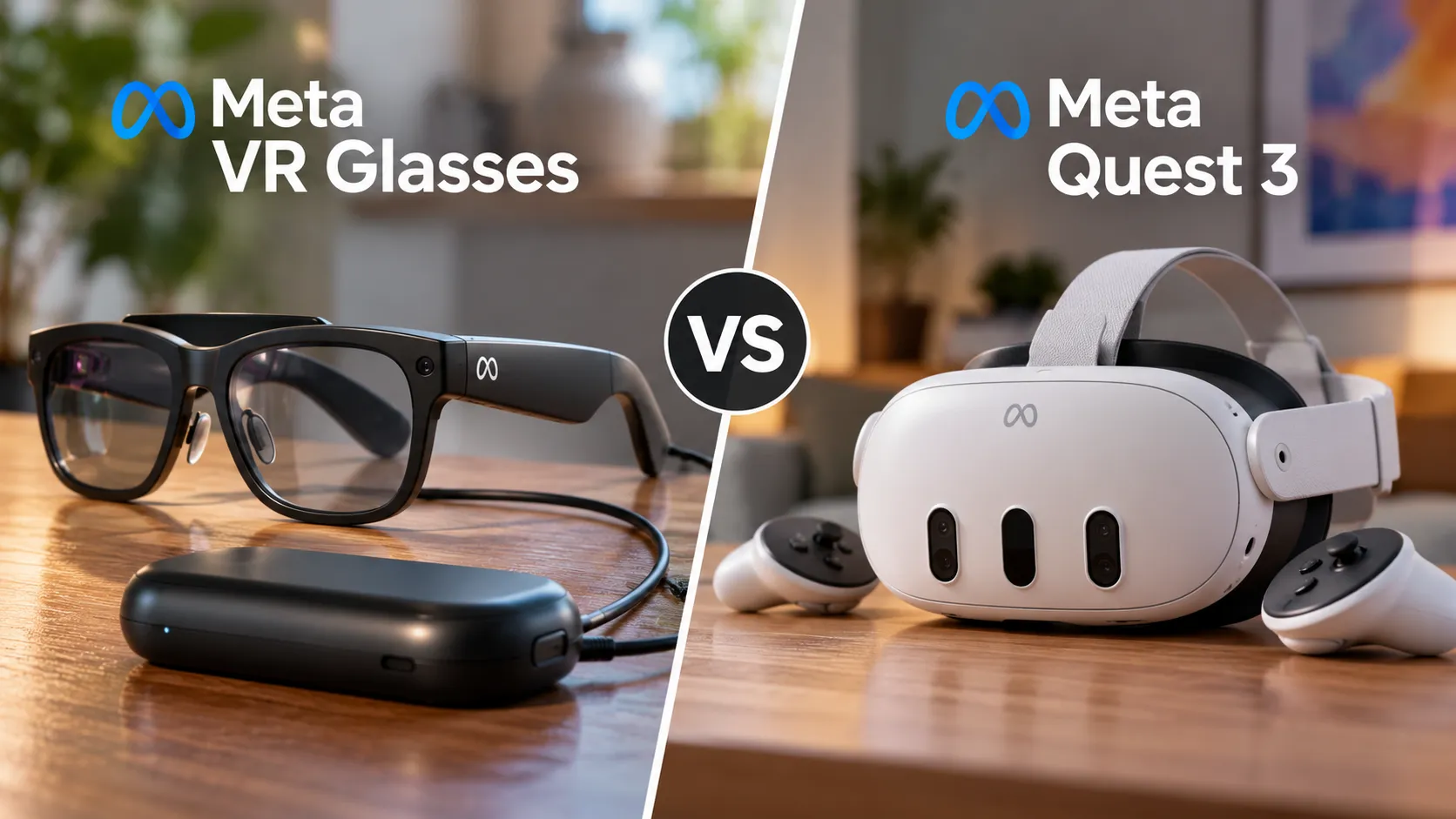
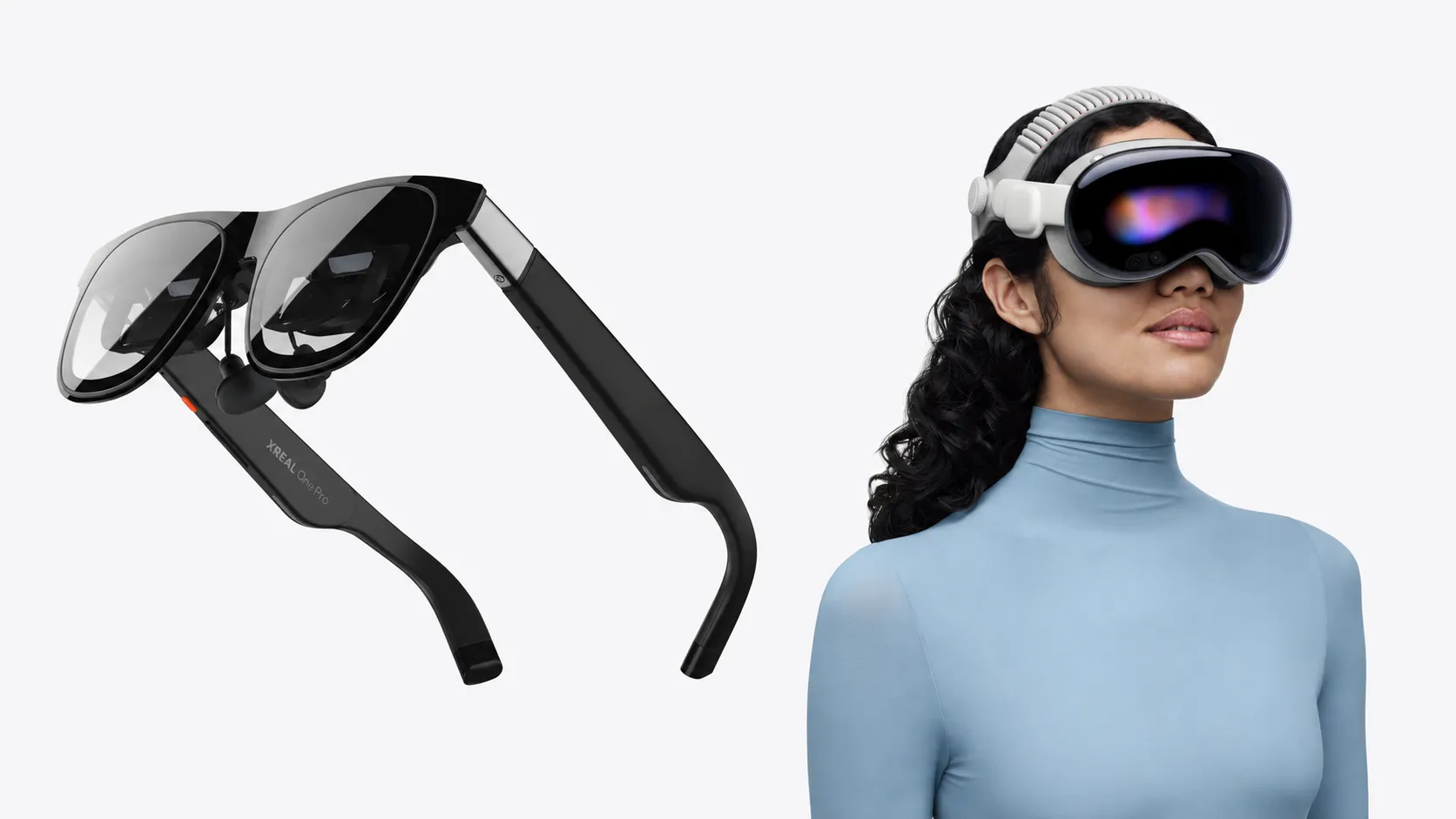
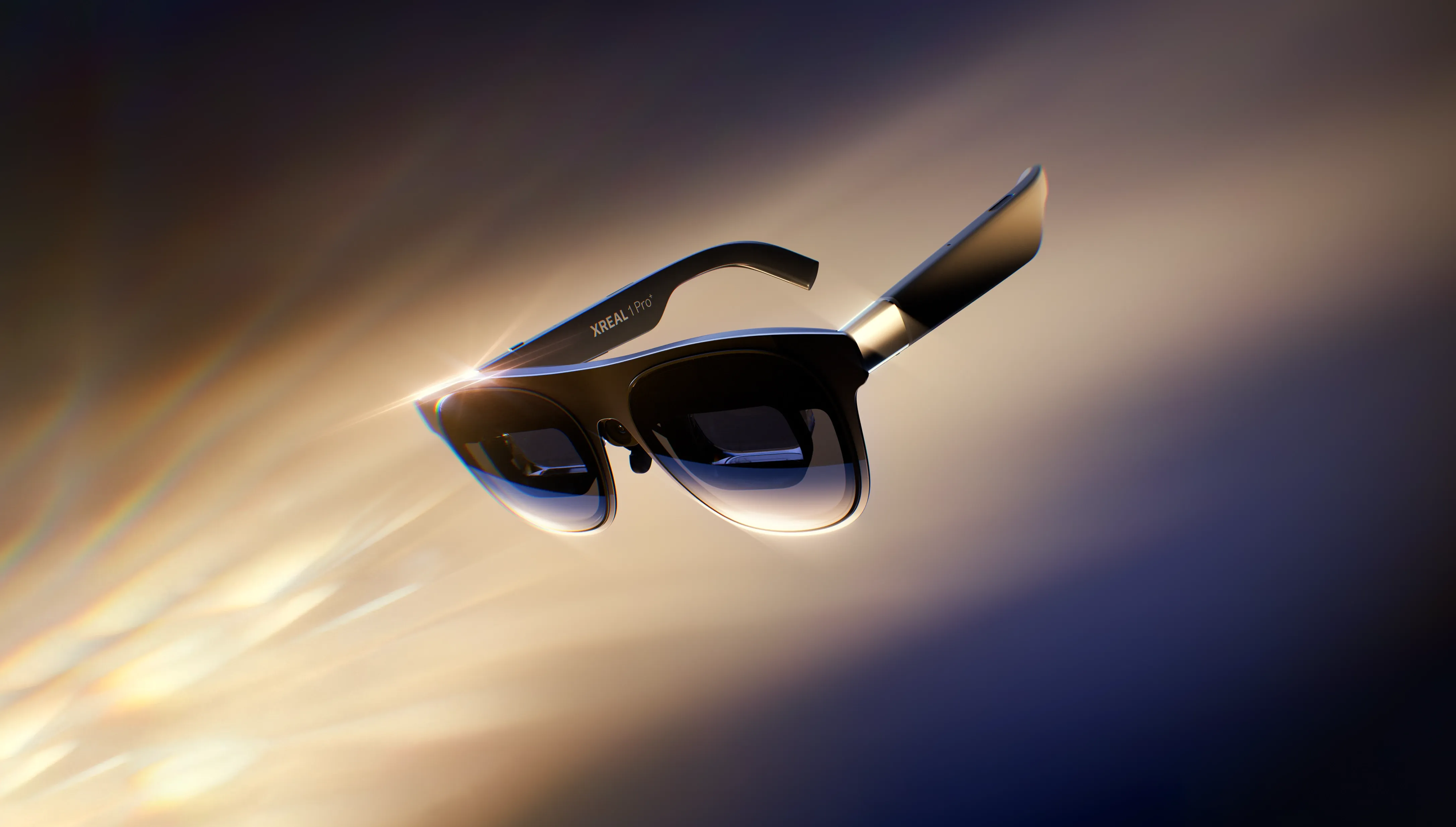
Meta maintained its dominant position by capturing 60.6% of the combined AR/VR and display-less smart glasses market during Q2 2025, according to IDC data. What's more significant is how this success has sparked genuine competition from companies that don't typically chase dead-end technologies. Google and Samsung announced prototypes and plans for smart glasses and VR headsets targeting 2026 releases, per Android Central, while the Xreal Project Aura and Magic Leap smart glasses powered by Android XR are preparing to enter the market in 2026, as noted by Android Central.
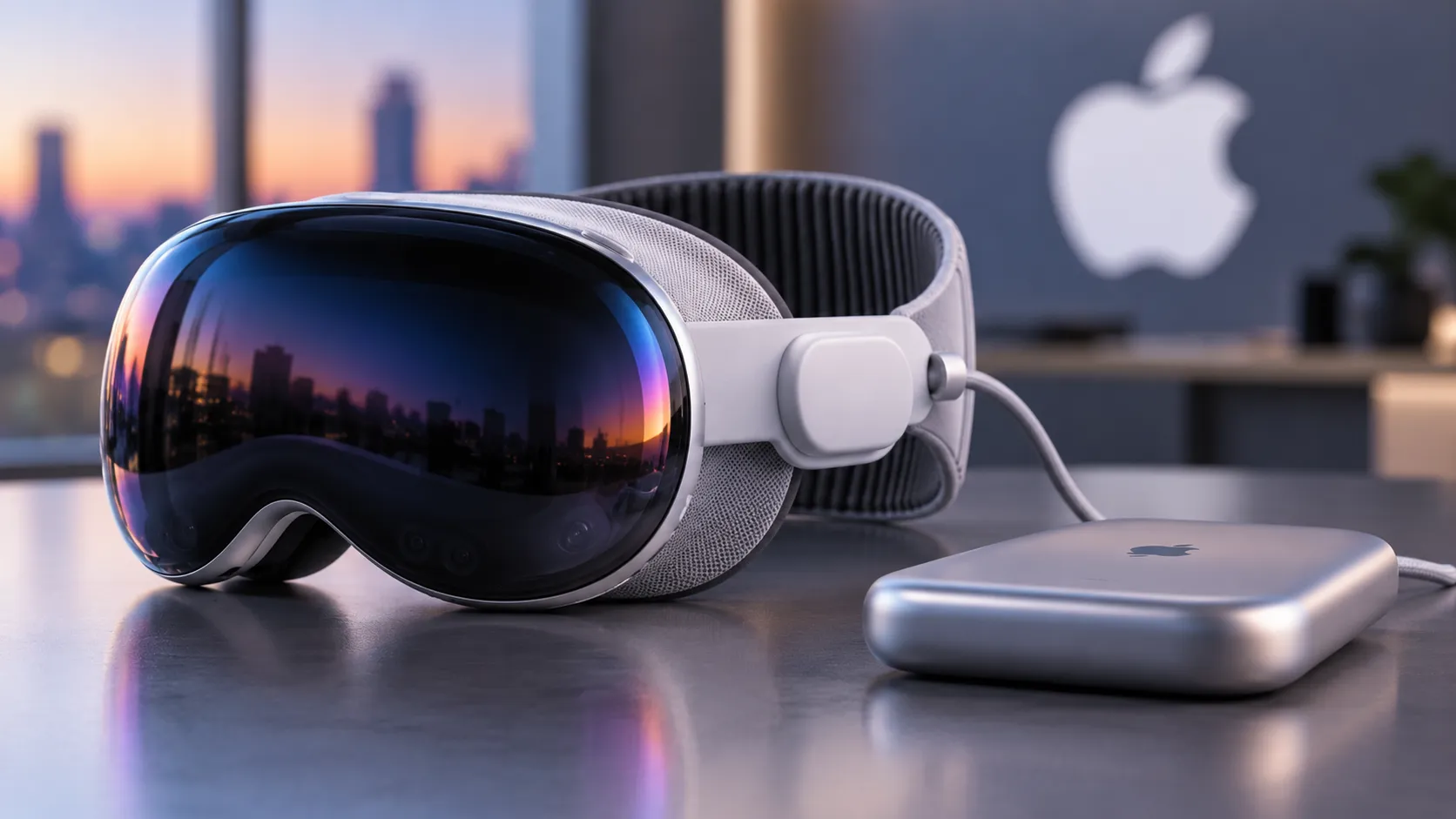
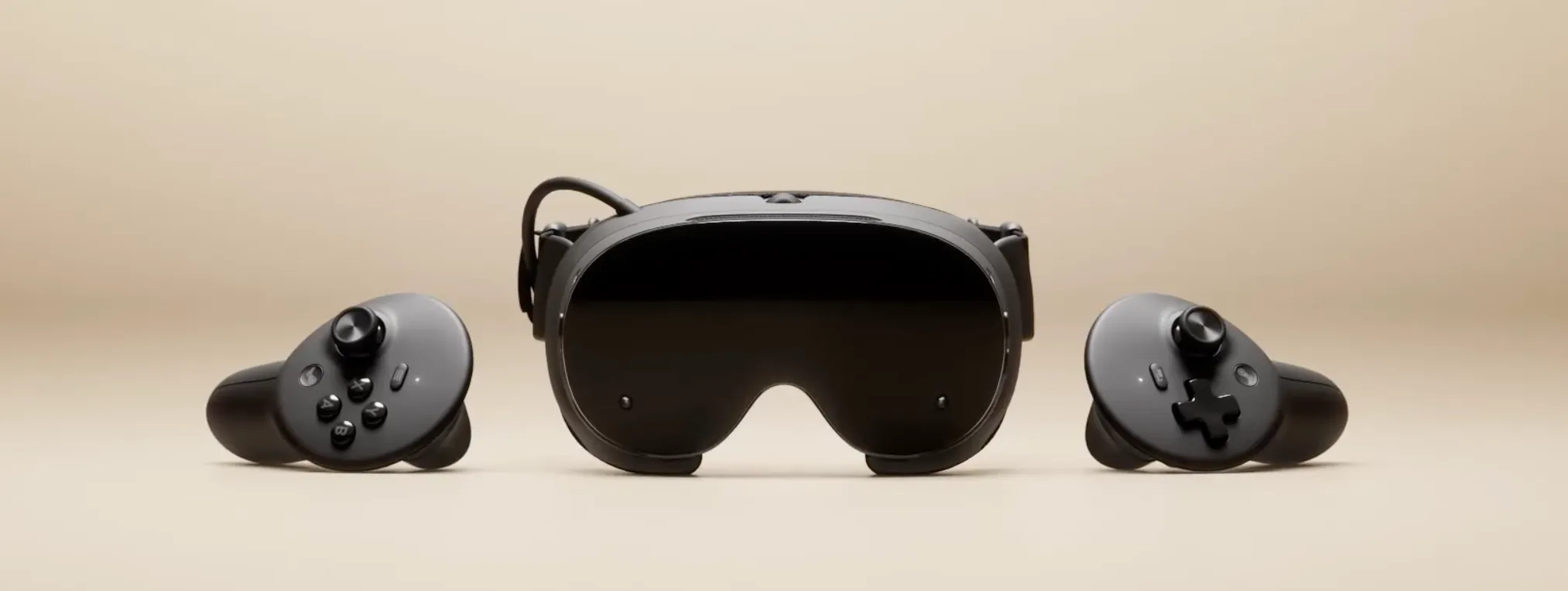
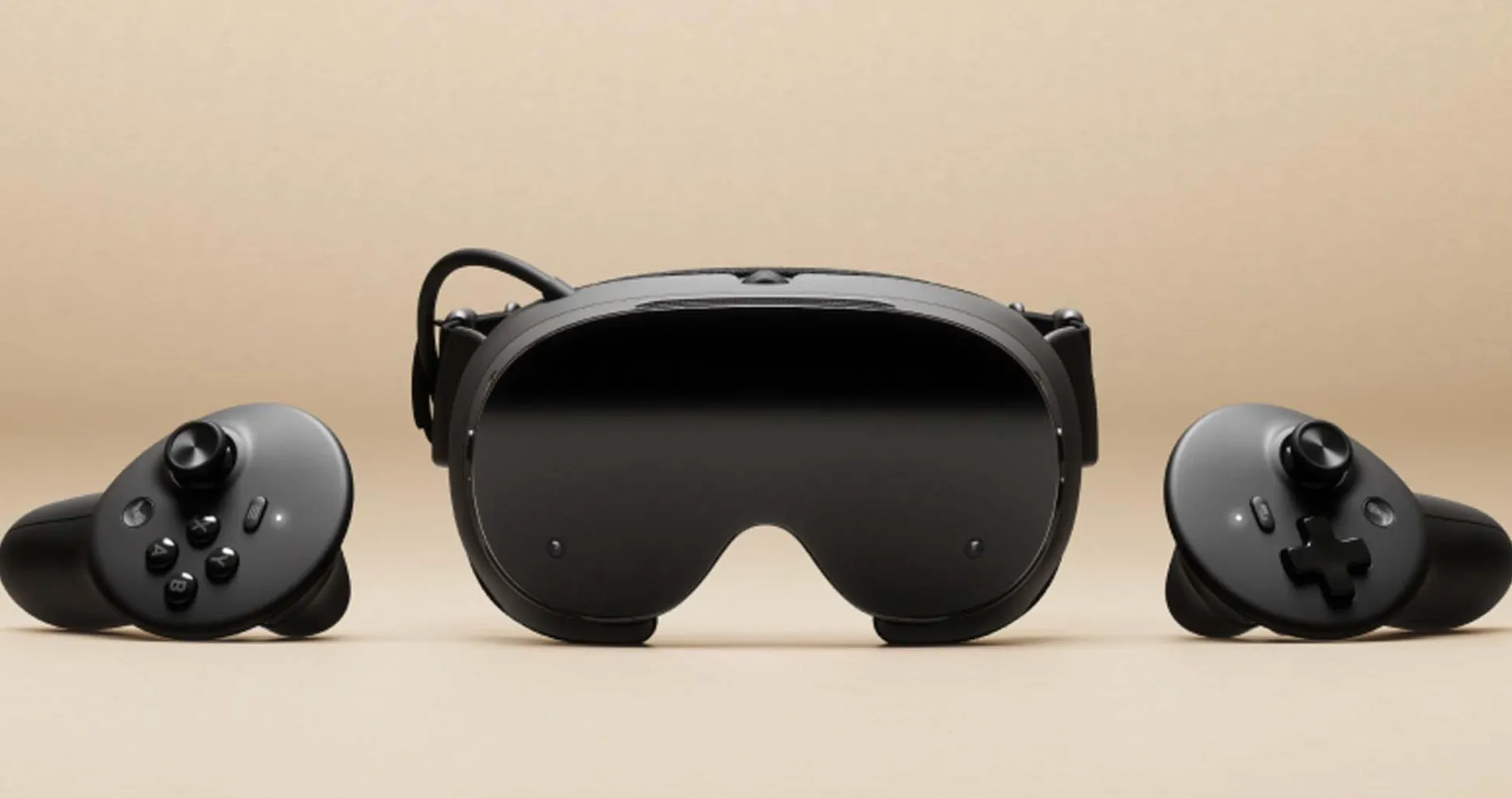
The breadth of this investment is particularly telling. The VR industry hasn't been this active since 2020, with Meta, Valve, Apple, and Google all pushing hardware boundaries, according to Android Central's assessment. This isn't about one or two companies making desperate bets—it's a coordinated industry-wide push that reflects confidence in market fundamentals.
Even Meta's decision to slice 30% of Reality Labs' budget starting in January 2026 supports rather than contradicts this trend. The company is optimizing operations while maintaining market leadership—exactly what you'd expect from a mature, successful division transitioning from explosive growth investments to sustainable profitability.
Beyond gaming: Real-world applications emerge
The most compelling evidence against VR's supposed death comes from how these technologies have broken free from entertainment applications to solve critical problems across multiple industries.
Healthcare represents the most dramatic example of this expansion. The AR/VR healthcare market is expected to grow over 10 times in less than a decade, from about $4 billion in 2024 to over $46 billion by 2032, according to ITIF research. This projection isn't based on speculative enthusiasm—it's driven by demonstrated results and professional validation. An overwhelming 84 percent of healthcare professionals believe AR/VR will positively change the industry, per ITIF findings.
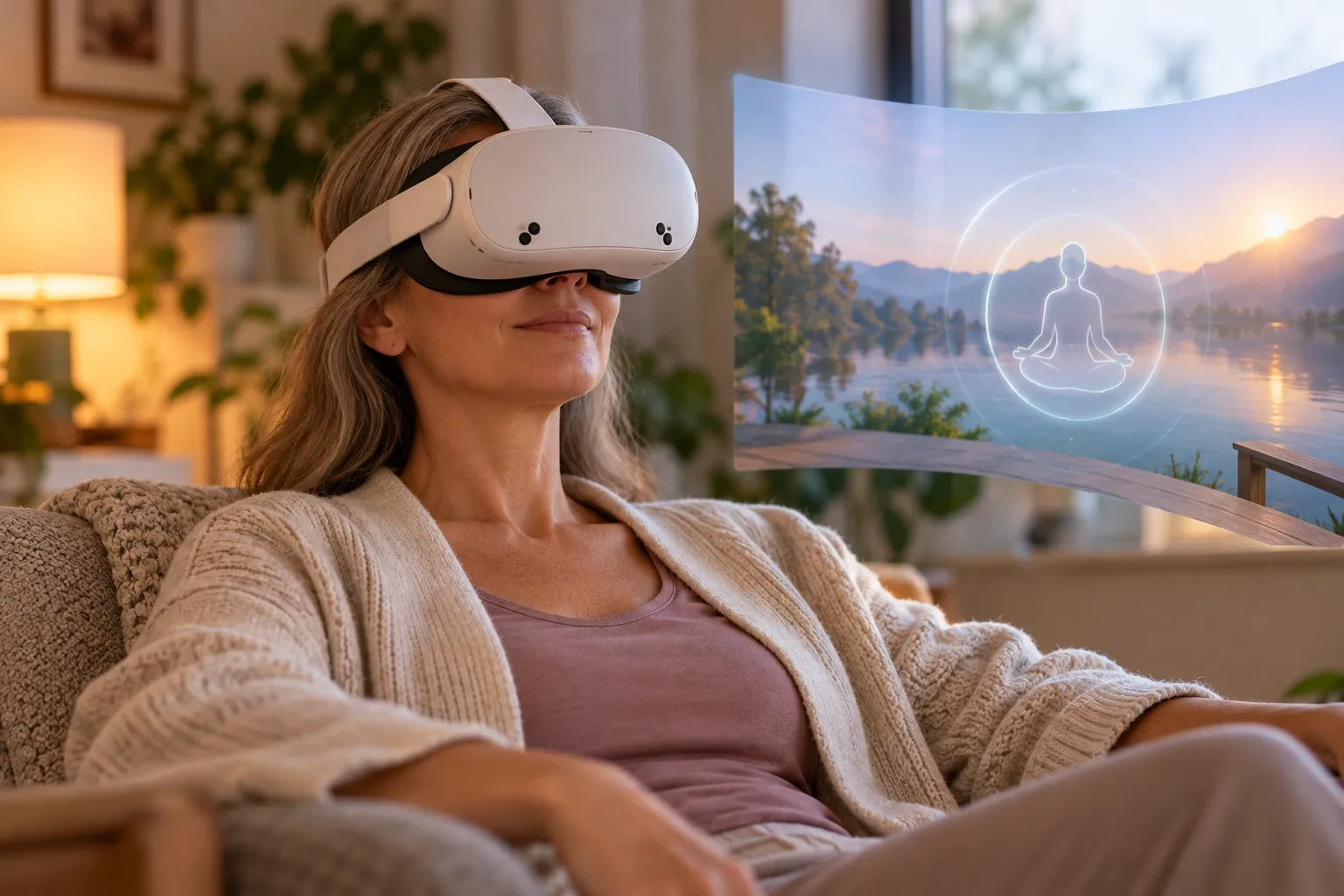
The applications span from enhanced diagnosis to revolutionary treatment approaches. AR/VR technologies help doctors identify and understand problems more effectively than traditional 2D images, while practitioners increasingly rely on immersive technologies to learn and practice procedures in risk-free, highly customizable virtual environments. Perhaps most impressively, RelieVRx became the first FDA-authorized in-home VR treatment for chronic lower back pain, while Smileyscope has proven to lessen the pain of blood draws and IV insertion for children.
Industrial applications have achieved equally transformative results. Spatial computing implementations are reducing labor costs and hours by 90%, as reported by TCPalm. These efficiency gains create competitive advantages that make VR adoption not just beneficial but essential for companies seeking to remain competitive.
What this means for the future of XR
The convergence of technological advancement, market acceptance, and real-world utility is creating unprecedented momentum that positions 2025 as the inflection point for extended reality's mainstream adoption.
IDC forecasts substantial market expansion, with hardware volumes projected to reach 43.1 million units by 2029, representing a compound annual growth rate of 31.8%, according to their research. However, hardware represents only part of the expanding ecosystem. Spending on apps, services, and related technologies is expected to increase 19.7% in 2025 to nearly $12 billion worldwide, as IDC projects.
What makes this growth particularly sustainable is how it's being driven by practical utility rather than speculative hype. The infrastructure is maturing in ways that enable widespread adoption: 5G networks are becoming more common, enabling real-time spatial interactions over fast and reliable internet connections. Cloud rendering allows remote services to handle complex graphics, making devices lighter and more powerful. AI integration helps spatial computing systems better understand and respond to user actions and environmental contexts.
The industry is also benefiting from a comprehensive ecosystem approach where VR headsets, smart glasses, and spatial computing platforms complement rather than compete with each other. Users can seamlessly transition between fully immersive experiences and augmented reality applications based on their context and needs—creating the kind of flexible, integrated computing environment that drives long-term adoption.
The evidence is overwhelming: VR isn't just alive—it's thriving alongside its smart glasses counterparts in ways that seemed impossible just a few years ago. As we move forward, the question isn't whether these technologies will succeed, but rather how quickly they'll reshape our digital interactions and redefine what we consider possible in computing. The transformation is already underway, and 2025 will be remembered as the year when extended reality finally delivered on its long-promised potential.





Comments
Be the first, drop a comment!