


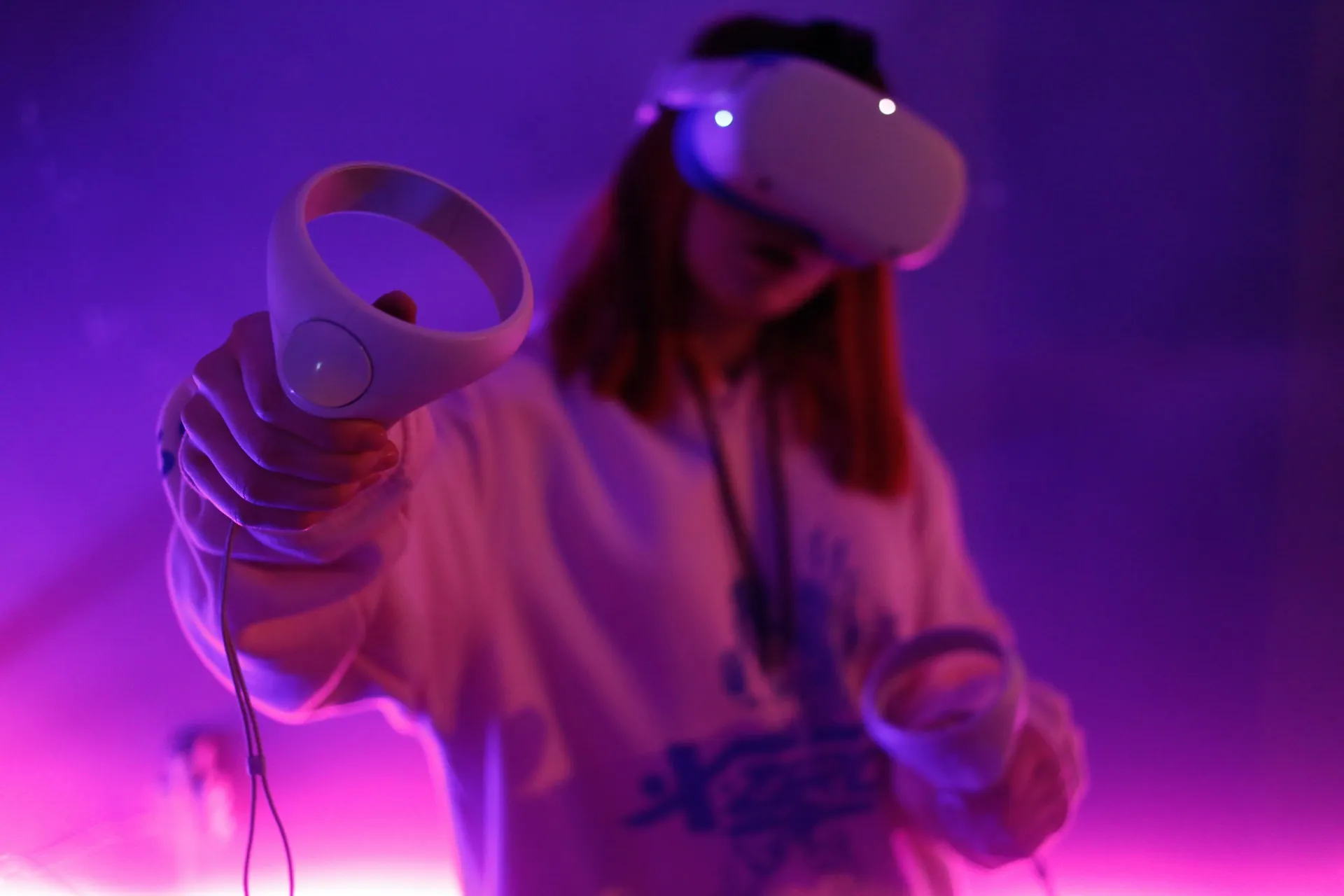
The year 2025 wasn't just another incremental step for XR—it was the moment when the industry finally found its sustainable footing. While critics spent months predicting virtual reality's inevitable collapse, the market delivered its strongest performance to date, with a record number of new VR headsets announced and smart glasses evolving from awkward experiments into genuinely useful computing platforms. What's particularly fascinating is how success came from diverse approaches rather than a single formula, proving there are multiple viable paths to XR mainstream adoption.
The diversity of winning strategies in 2025 reveals something crucial about the industry's maturation. Instead of everyone chasing the same vision, you had Xreal revolutionizing optics engineering, Samsung creating an entirely different ecosystem approach than Meta's, and content creators finally delivering experiences that justified all the hardware investment. The cultural impact numbers tell the story—Animal Company achieved over 1 billion organic views on TikTok and secured the fifth-highest first-year revenue for any VR game. That's not niche enthusiasm anymore—that's mainstream cultural penetration.
Xreal's optical revolution sets new industry standards
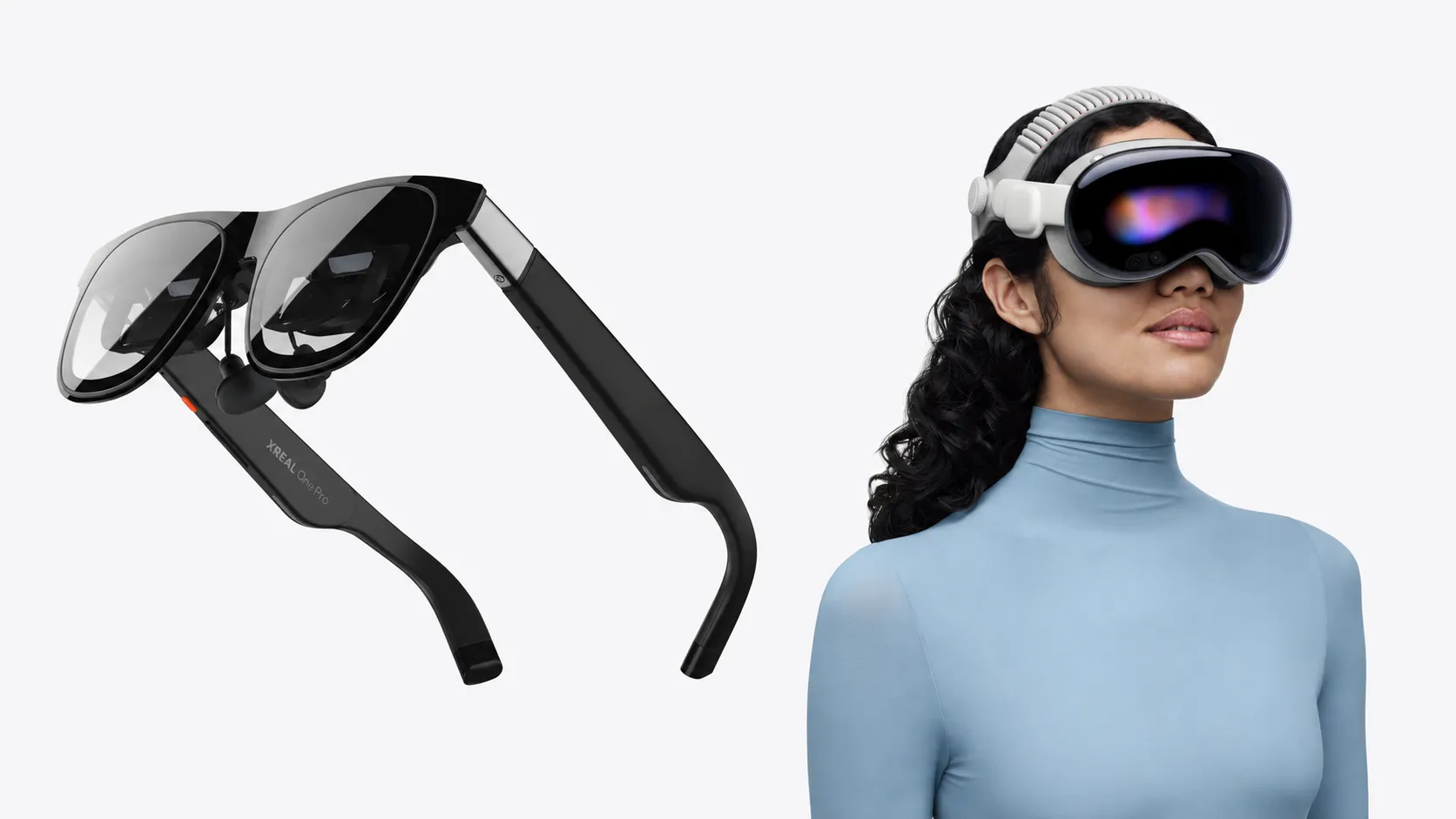
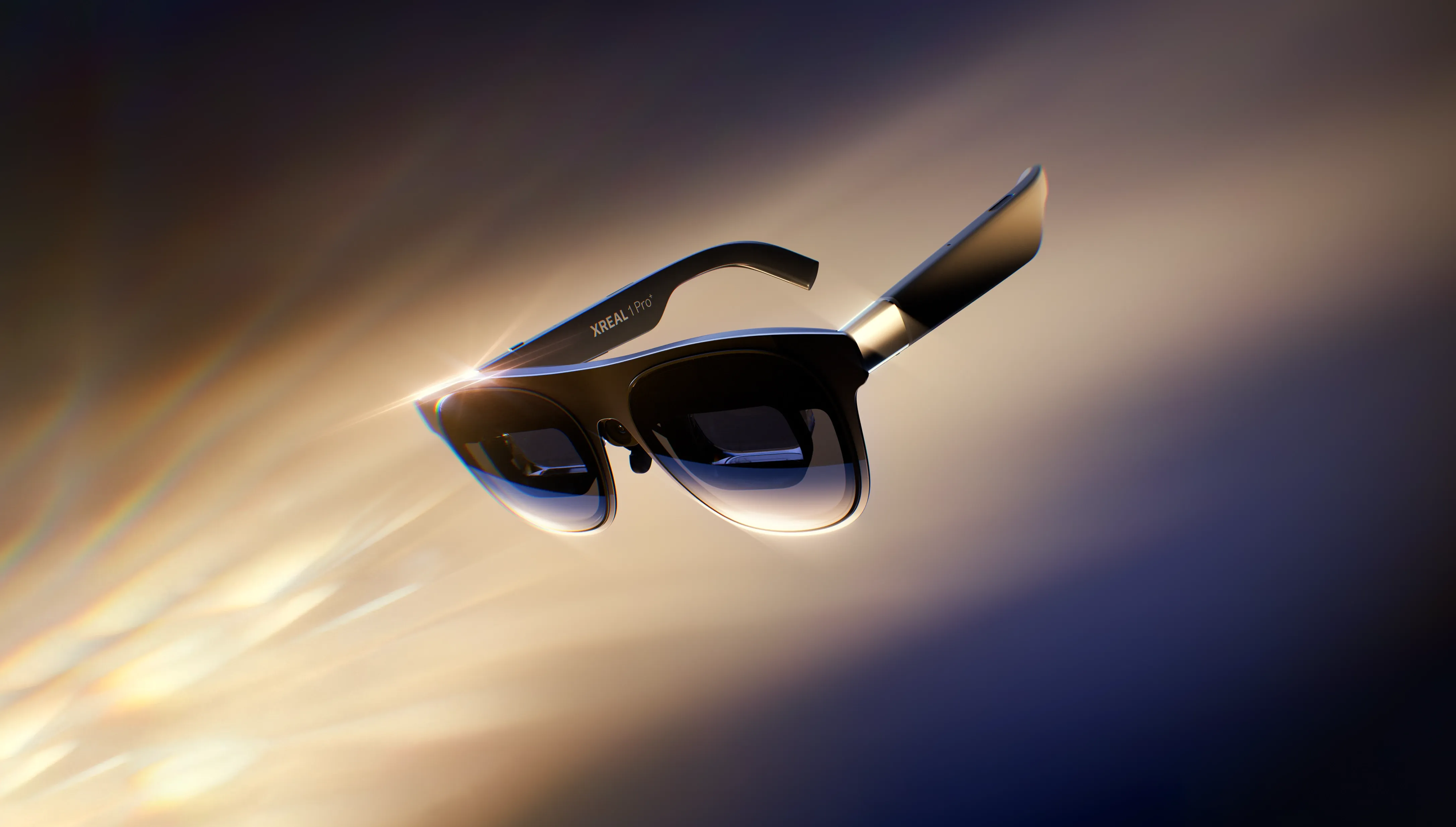
The most unexpected breakthrough of 2025 came from challenging a fundamental assumption about XR hardware design. While the industry had long accepted that you must choose between slim, lightweight glasses and immersive field-of-view experiences, Xreal took the cake with the best XR headset and glasses by proving that assumption completely wrong. Their Xreal One Pro is something genuinely unprecedented—a completely new optics stack that made glasses both slimmer and capable of wider field-of-view records.
The technical achievement becomes even more impressive when you consider the ecosystem implications. The integrated X1 chip provides spatial tracking capabilities for any connected device, transforming any smartphone, laptop, or gaming console into an XR powerhouse the moment you plug in the glasses. This universal compatibility addresses one of the biggest barriers to XR adoption—the requirement to invest in dedicated ecosystems rather than enhancing devices people already own.
Xreal's strategic foresight extends well beyond its immediate hardware success. Their Project Aura development kit, scheduled for release in 2026, promises to bring Android XR capabilities to smart glasses with an impressive 70-degree field of view. This positions them as a key hardware partner in Google's expanding XR ecosystem before that ecosystem fully launches—exactly the kind of strategic timing that separates market leaders from followers.
The breakthrough here fundamentally changes what's possible in XR design. For years, manufacturers accepted performance trade-offs as inevitable laws of physics. Xreal's success proves that innovative engineering can overcome seemingly impossible constraints, establishing new benchmarks that will influence the entire industry's development trajectory.
If you're considering XR glasses, the universal compatibility of Xreal's X1 chip means you can enhance your existing devices without committing to a completely new ecosystem—ideal for testing XR capabilities before making larger investments.
Samsung and Google reshape the competitive landscape
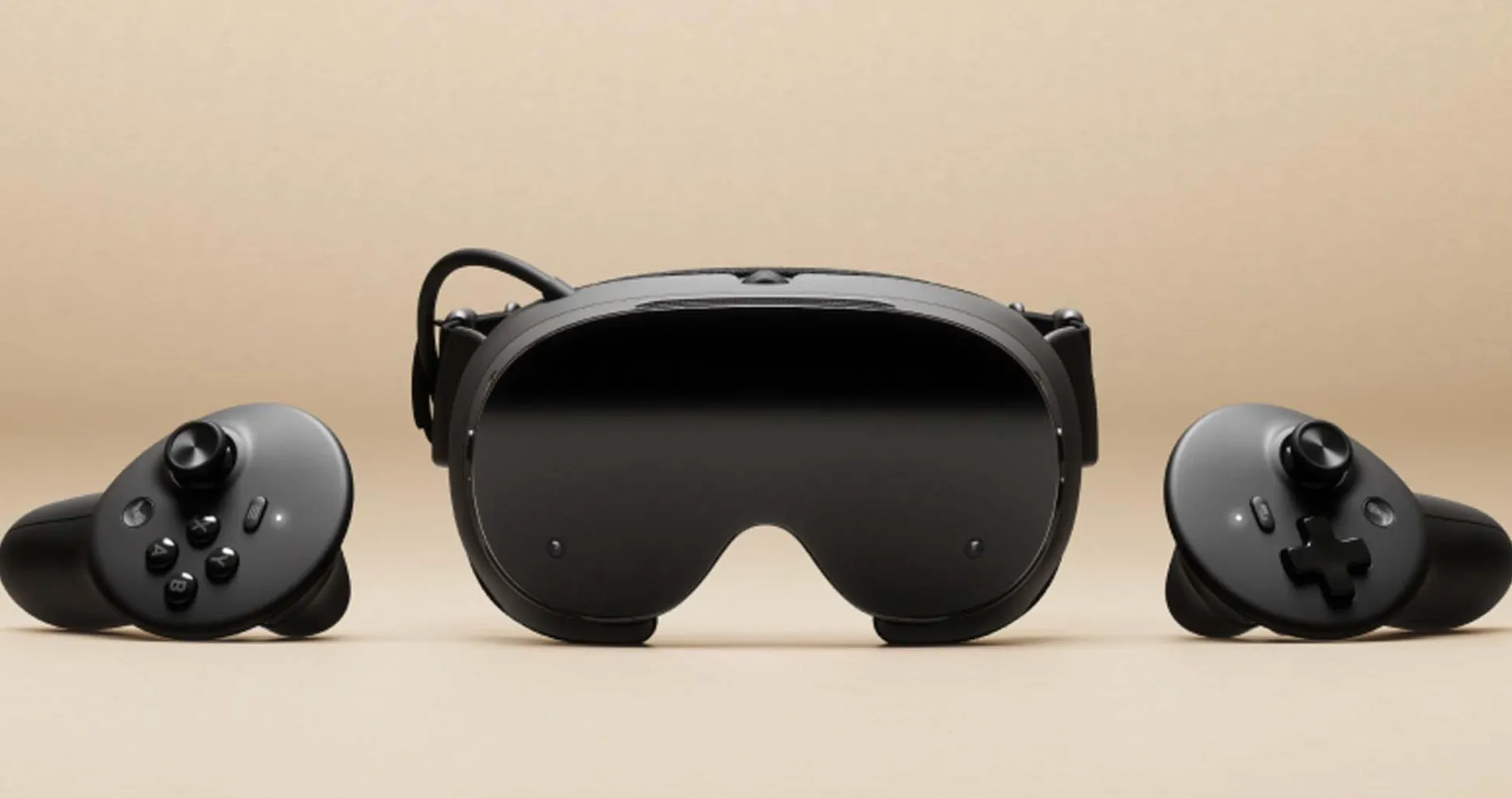
Samsung's VR return is more than a hardware comeback—it established the foundation for genuine ecosystem competition in XR. While the Galaxy XR is Samsung's first VR headset in years, its real significance lies in being the first product to launch with Android XR, Google's ambitious platform for spatial computing that could fundamentally alter the competitive dynamics Meta has dominated.
The Android XR advantage goes far beyond typical platform benefits. By providing access to the entire Google Play Store, the Galaxy XR enables virtually any Android application to run in VR space—a capability that neither Meta's closed ecosystem nor Apple's curated approach currently matches. This creates possibilities for productivity, entertainment, and social applications that existing platforms simply cannot deliver.
Google's systematic approach to Android XR development demonstrates lessons learned from previous XR attempts. The company released two different smart glasses prototypes, including both monocular and binocular display versions, providing developers with multiple pathways to create Android XR experiences. Rather than rushing to market with incomplete solutions, Google is building comprehensive developer tools and hardware partnerships that suggest long-term platform sustainability.
This strategic patience creates fascinating competitive implications. Meta maintains its lead in standalone VR gaming, Apple continues targeting premium productivity users, and now Android XR provides unprecedented app compatibility across multiple hardware manufacturers. The diversity prevents any single company from dictating XR's future while giving consumers genuine choices based on their specific needs and preferences rather than platform lock-in.
Gaming content finally delivers on VR's promise
2025 marked the year VR gaming evolved beyond experimental curiosities into genuinely compelling entertainment that justifies hardware investments. The industry delivered several major franchise entries that demonstrated how established intellectual properties can successfully transition to virtual reality when developers understand the medium's unique strengths rather than simply porting traditional experiences.
Marvel's Deadpool VR exemplified this maturation perfectly. Instead of adapting existing Deadpool content, the game featured an original story with a star-studded cast including Neil Patrick Harris and John Leguizamo, creating narratives specifically designed for VR interaction. The developers recognized that VR works best when you embrace spatial presence and physical interaction rather than trying to recreate traditional gameplay mechanics in headsets.
Equally impressive was Thief VR: Legacy of Shadow, representing the first new Thief game in over a decade while serving as a proper sequel to the beloved stealth classics. The game demonstrated how stealth gameplay translates remarkably well to VR when developers think creatively about spatial awareness and physical interaction, proving that successful VR adaptations enhance rather than compromise beloved franchise mechanics.
The collaborative potential reached new heights with Demeo x Dungeons & Dragons: Battlemarked, which combined the turn-based strategy elements of both properties into what reviewers called an impressively complete package. These releases established that VR doesn't need to reinvent every aspect of gaming—thoughtful adaptation of beloved mechanics to immersive capabilities often creates the most satisfying experiences.
Perhaps most revealing about 2025's content landscape was how Quest gamers seem to mainly gravitate toward smaller titles that get big word of mouth on social media. Animal Company's viral success demonstrates that VR content can achieve mainstream cultural impact when it connects with audiences through platforms they already use, suggesting organic discovery may be more valuable than traditional marketing approaches.
What 2025 taught us about XR's trajectory
Analyzing 2025's developments reveals several foundational principles that will likely define the industry's sustainable growth phase. The year proved that successful XR products benefit from focused improvements in specific areas rather than attempting to solve every challenge simultaneously—a lesson that applies to hardware engineering, software development, and content creation alike.
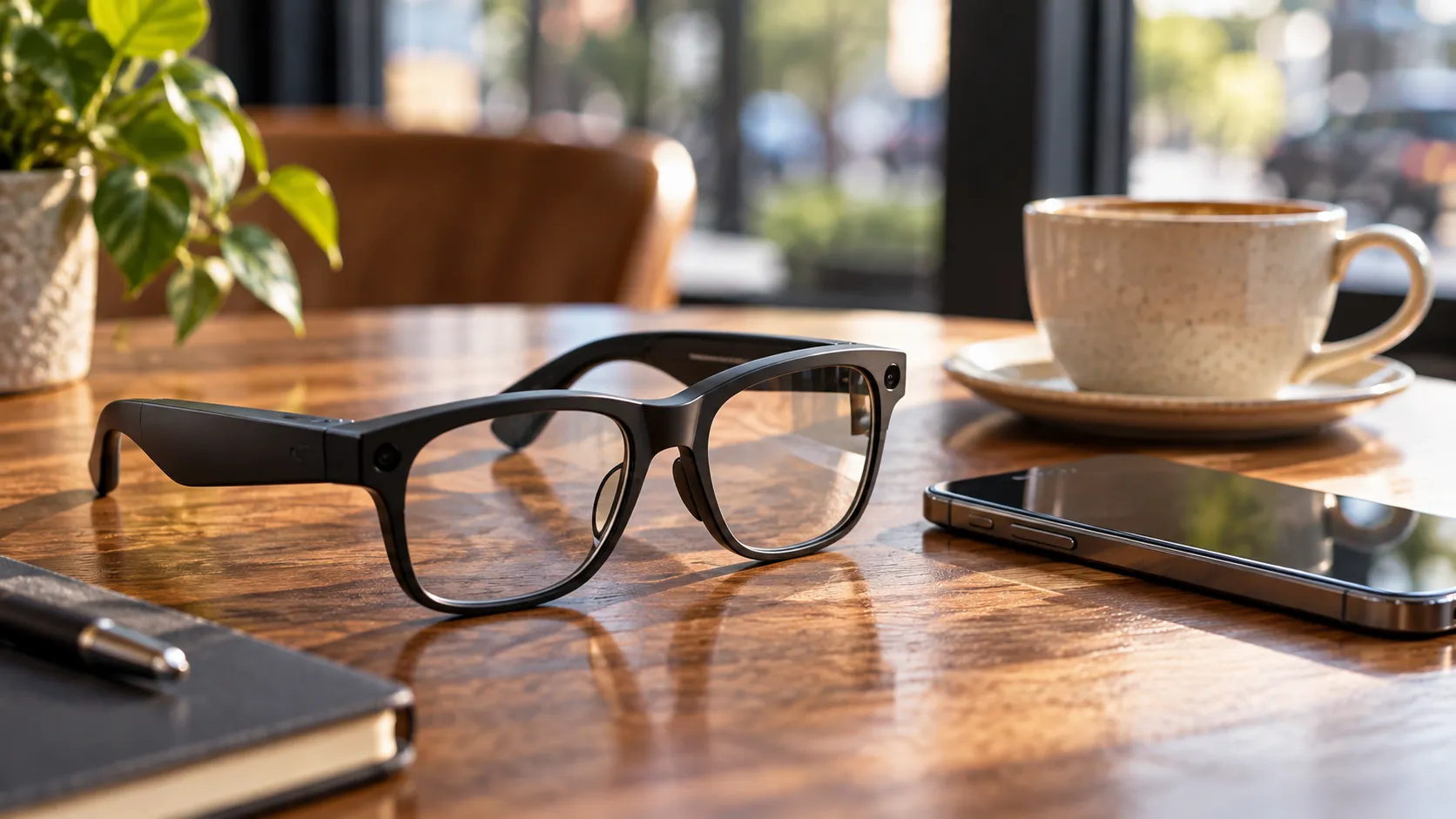
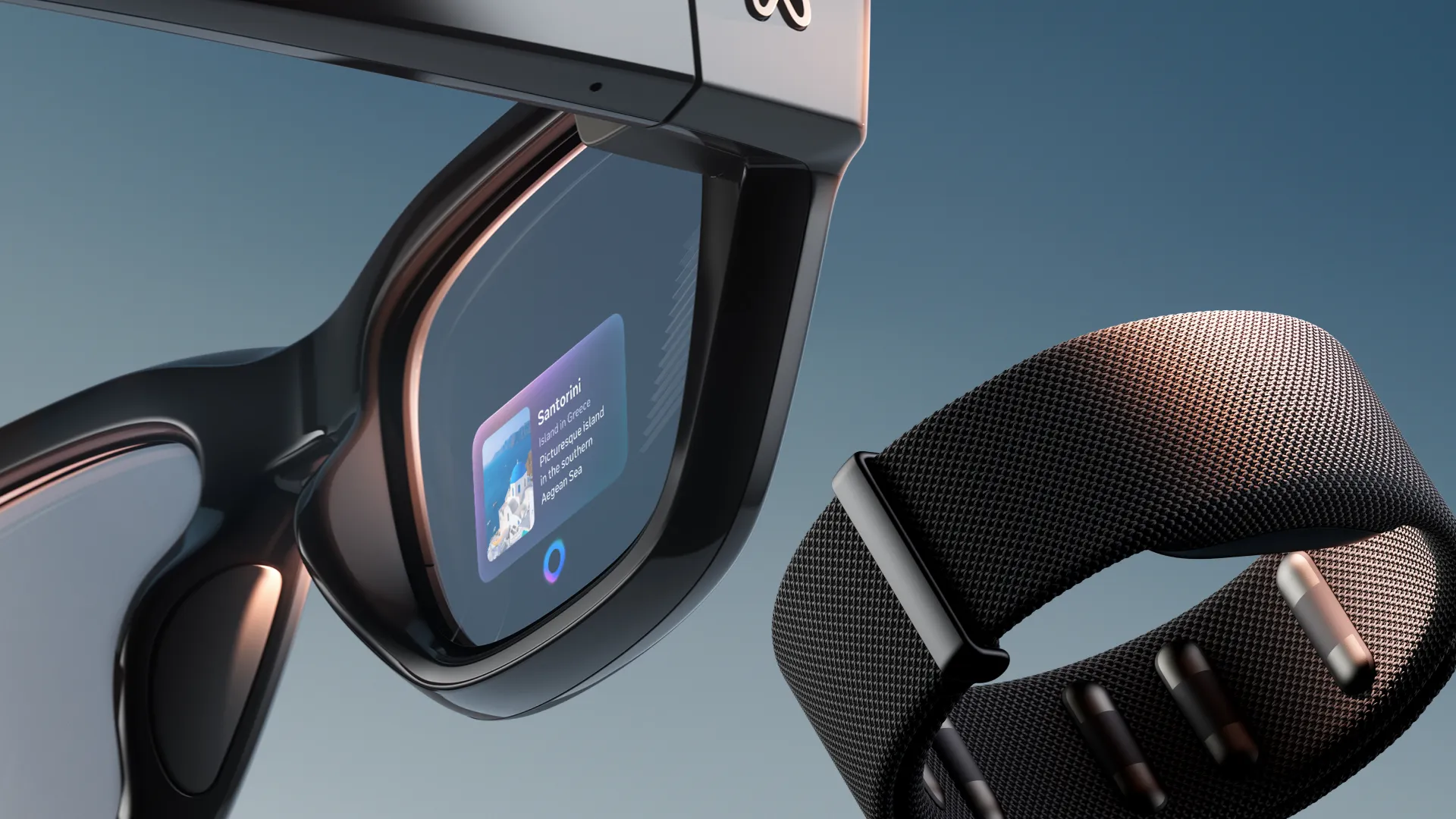
The smart glasses category particularly benefited from this focused approach. Rather than attempting immediate smartphone replacement, companies like Meta ramped up production of practical smart glasses that enhance existing workflows without demanding complete lifestyle changes. Google and Samsung's partnership on Android XR glasses, expected to launch in 2026, indicates this practical, incremental approach will continue driving mainstream adoption.
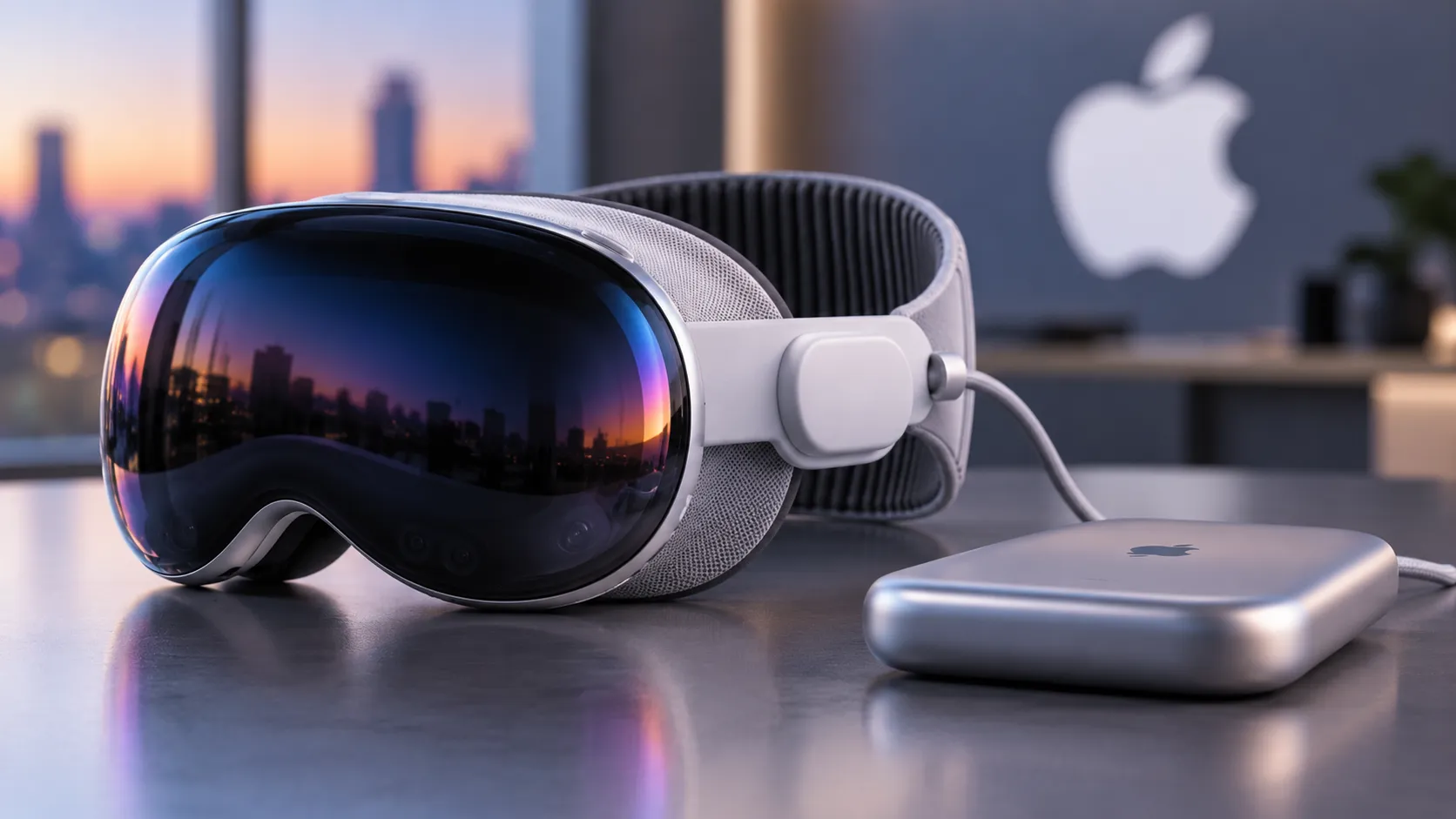
The competitive landscape matured into something genuinely beneficial for consumers, with multiple viable ecosystems offering distinct advantages rather than trying to dominate every use case. This ecosystem diversity creates healthy competition while providing genuine choice based on specific needs—gaming enthusiasts can choose Meta's content-rich platform, productivity users can select Apple's premium experience, and Android users can access unprecedented app compatibility through Samsung's XR implementation.
Most importantly, 2025 demonstrated that XR wearables are genuinely improving in ways that matter to everyday users. Whether through Xreal's optical breakthroughs, Samsung's ecosystem integration, or the gaming industry's content maturation, the improvements felt substantive rather than incremental. The foundation established in 2025 positions XR for sustained growth based on practical value rather than speculative potential.
Looking ahead, 2025 will likely be remembered as the year XR transitioned from promising technology to a practical computing category. Rather than promising revolutionary overnight changes, the industry succeeded by gradually becoming more useful, more accessible, and more integrated into computing experiences people actually want. The sustainable foundation built in 2025 suggests the next phase will focus on refinement and expansion rather than fundamental reinvention.

Comments
Be the first, drop a comment!