


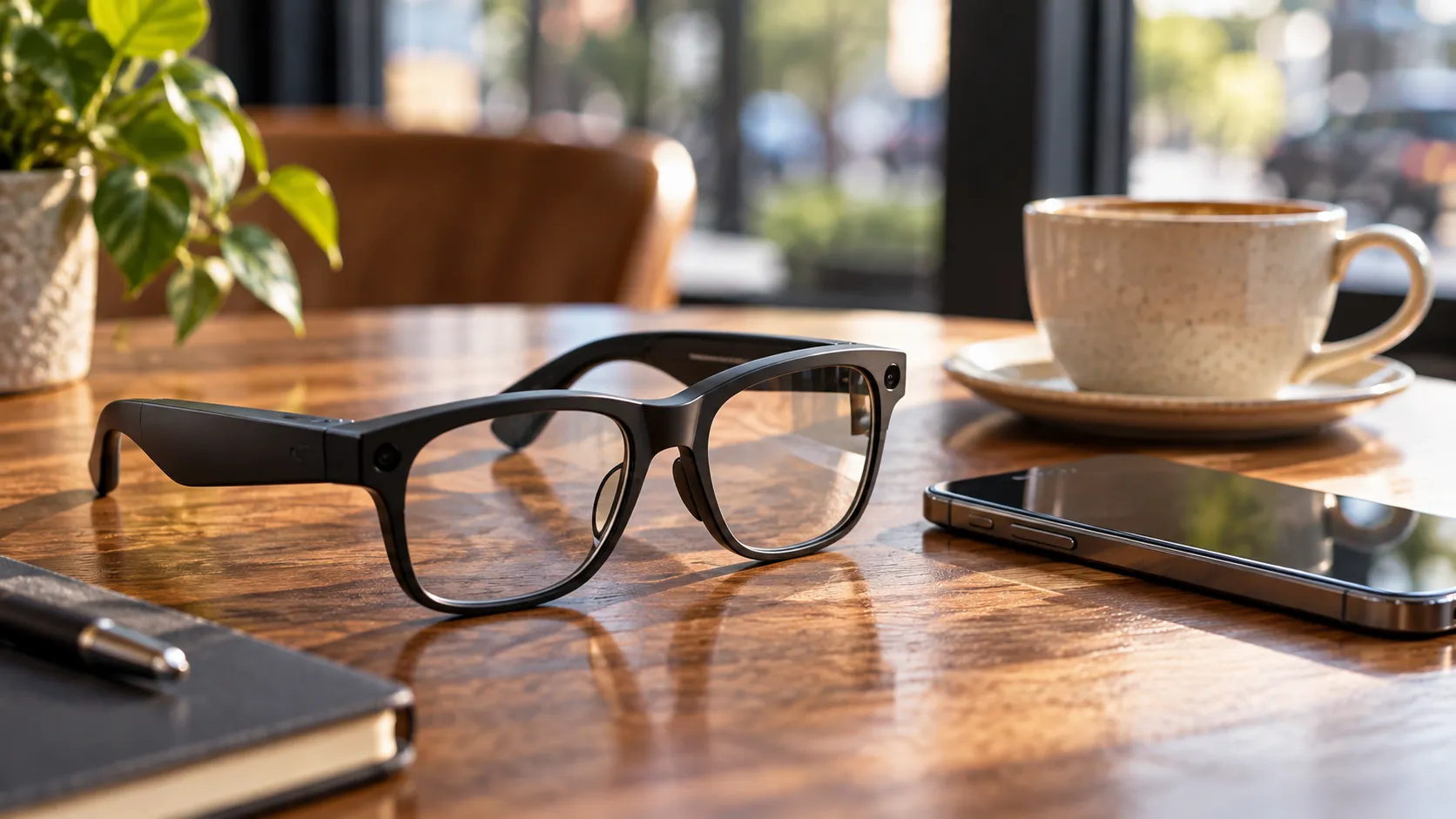
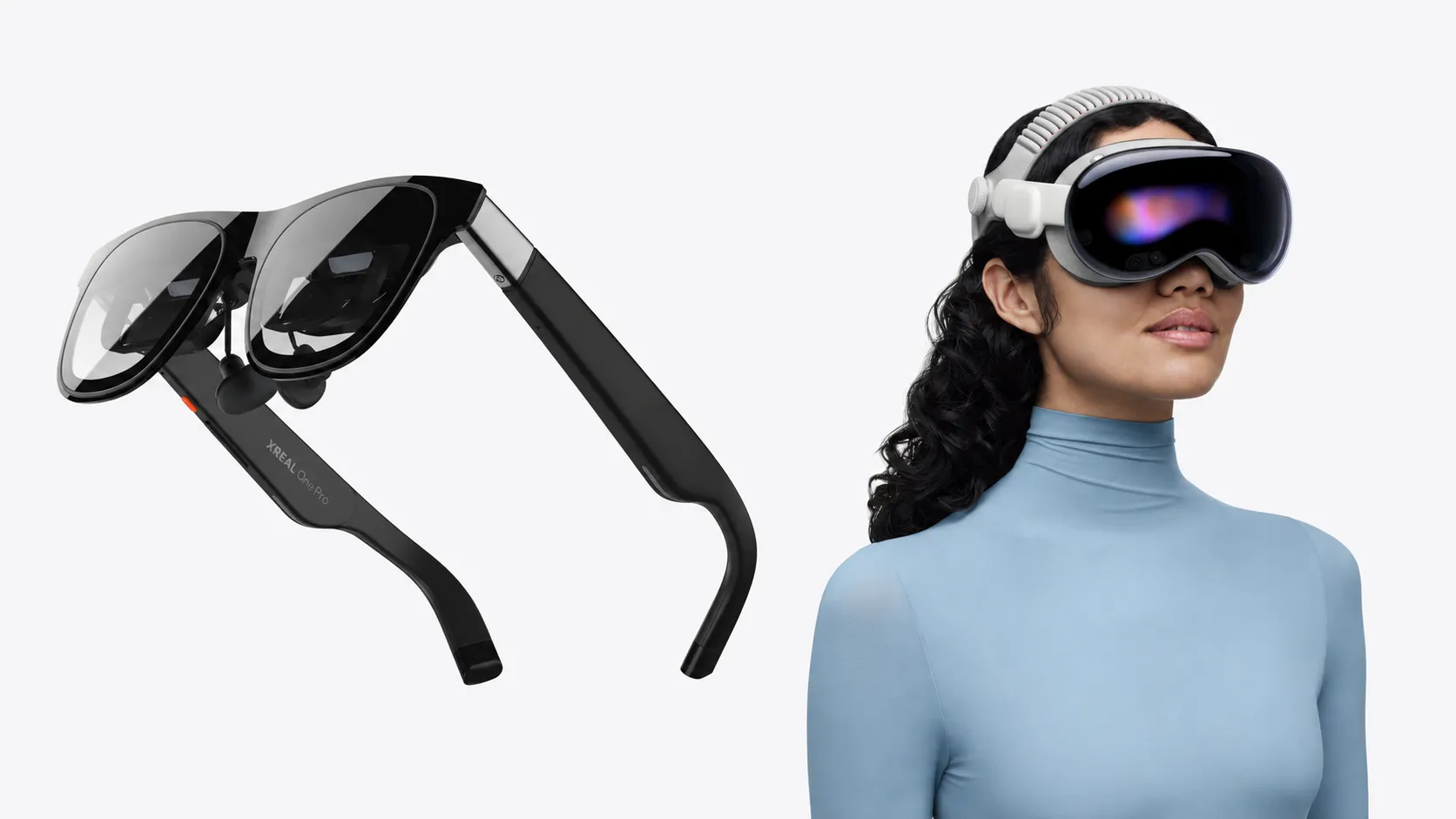
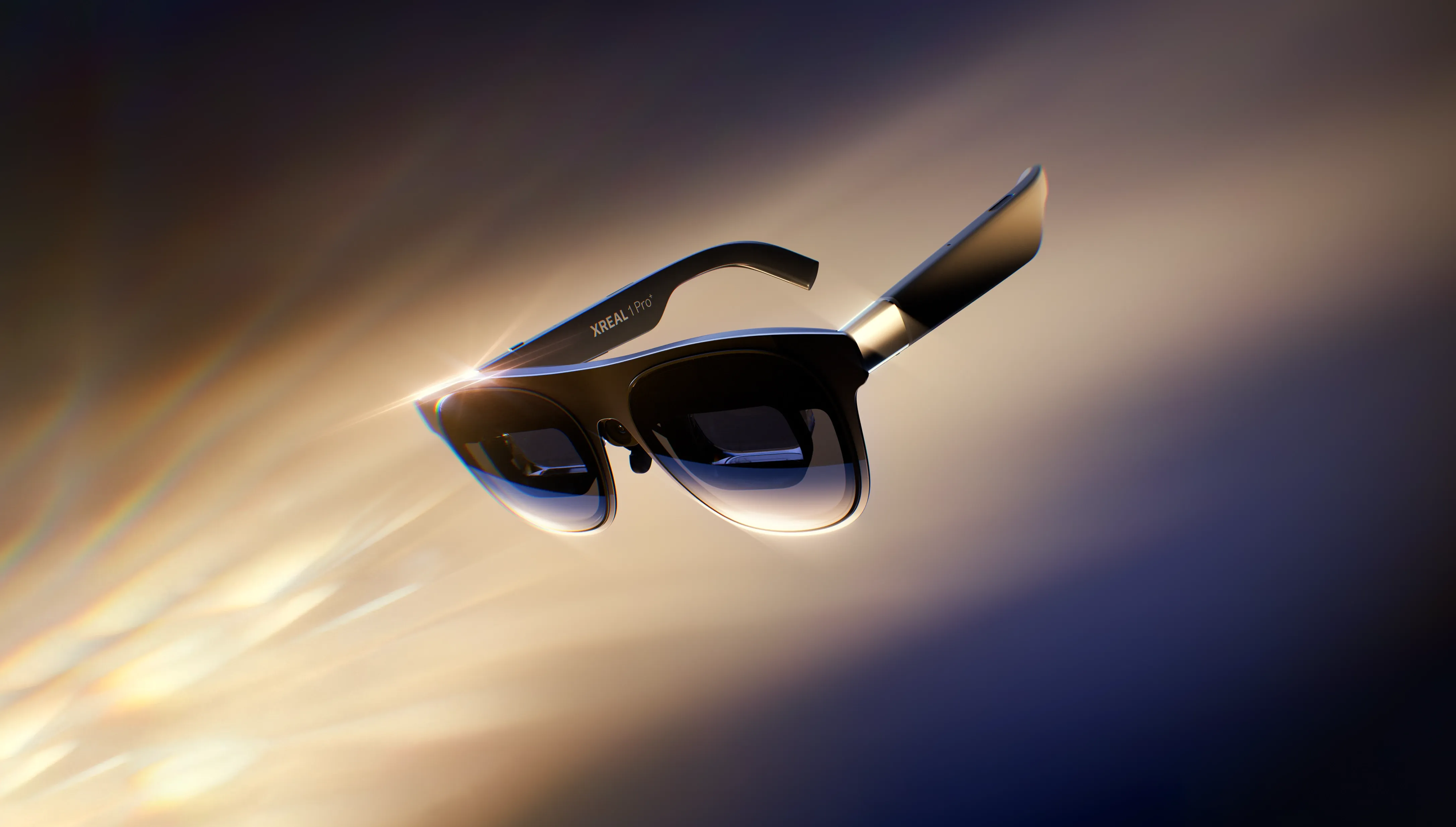
CES 2026 just delivered one of those rare tech moments where everything actually gets better while costing less. Xreal's new 1S AR glasses prove that the sweet spot between premium features and accessible pricing isn't just marketing speak—it's genuinely achievable. At $449, these glasses pack enhanced display specs and Real 3D conversion technology while undercutting their predecessor by fifty bucks.
What makes this launch particularly intriguing is the timing. The original Xreal One only hit the market in late 2024, making this one of the fastest meaningful upgrades I've seen in the AR space. This rapid iteration cycle signals Xreal's aggressive push to establish market dominance before competitors can respond. More importantly, the 1S delivers performance very similar to the $649 One Pro while maintaining that entry-level positioning—essentially forcing a complete recalibration of what consumers should expect at different price tiers.
Display upgrades that actually matter
Let's talk numbers, because this is where Xreal made some genuinely smart choices. The resolution bump from 1080p to 1200p Full HD might seem modest on paper, but combined with the other improvements, it creates a noticeably sharper experience that better matches modern content standards. The field of view expands from 50 to 52 degrees—again, not massive, but every degree counts when you're trying to create that immersive big-screen feeling without sacrificing peripheral awareness.
The brightness boost tells the most compelling story about real-world usability. Going from 600 to 700 nits transforms these from indoor-only devices to legitimate outdoor entertainment companions. This positions the 1S closer to dedicated outdoor viewing devices and puts pressure on competitors still stuck at lower brightness levels.
The aspect ratio change from 16:9 to 16:10 deserves more attention than it's getting. This shift aligns perfectly with the productivity trend toward taller displays—think MacBook screens, modern tablets, and vertical video content. It's a subtle acknowledgment that these glasses aren't just for entertainment anymore.
Real 3D conversion: the standout feature
Now here's where things get genuinely interesting from a technology perspective. The 1S introduces Xreal's first implementation of Real 3D technology, powered by the X1 spatial computing chip. This isn't just another gimmicky feature—it's a system that converts any 2D content into 3D spatial scenes without requiring special software or proprietary players.
The technical execution is where this becomes impressive. The X1 chip maintains ultra-low latency at just 3ms while handling the computational demands of real-time conversion. This performance metric puts it in league with dedicated gaming hardware and suggests the underlying processing power could enable future AR features that competitors can't match.
Think about the ecosystem implications: you can take any YouTube video, Netflix show, or game and instantly transform it into a 3D experience without any special preparation or compatibility concerns. This effectively transforms your entire existing media library into premium 3D content, eliminating one of AR's biggest content barriers.
Neo accessory enhances gaming connectivity
The companion Neo power hub tackles what might be AR glasses' most persistent adoption barrier: the complex reality of cables, adapters, and power management that has historically made AR setups feel like engineering projects. This compact 10,000mAh battery pack includes integrated USB-C connectivity and DisplayPort video pass-through, essentially consolidating multiple adapters into a single, purpose-built solution.
For gaming enthusiasts, the Neo delivers targeted improvements that address specific pain points. It upgrades Nintendo Switch output from 720p to 1200p TV mode and enhances Steam Deck performance with improved refresh rates. This Switch upgrade effectively gives portable gamers access to TV-mode visual quality without requiring a television or dedicated dock setup.
The power engineering shows thoughtful consideration of sustained gaming sessions. The device charges at 30W and outputs up to 20W, with 45W capability when paired with a powerful wall charger. More strategically, the Neo works with existing Xreal glasses as well as the new 1S, demonstrating an ecosystem approach that maximizes value for existing customers rather than forcing complete hardware replacement.
Why this pricing strategy changes everything
Here's where Xreal made their boldest move—and potentially their most disruptive one. Reducing the launch price from $499 to $449 while improving specifications doesn't just represent aggressive pricing—it fundamentally challenges the entire AR market's value proposition hierarchy.
Consider the competitive reshuffling this creates: the 1S now delivers performance that rivals the $649 One Pro model while undercutting it by $200. This isn't just about offering consumers savings—it's about making the premium tier feel overpriced and pushing competitors to justify their higher-end positioning with dramatically better features or drop their prices entirely.
The Neo accessory pricing follows the same market disruption strategy. Early adopters can secure it for $99 until February 4, after which it increases to $119. Even at full price, you're getting premium functionality for what many companies charge for basic accessories, forcing competitors to reconsider their entire accessory pricing structure.
The immediate availability strategy maximizes this competitive advantage. Both products are available immediately, giving Xreal first-mover advantage while competitors scramble to respond. In a market where momentum and mindshare matter enormously, being able to purchase immediately after the announcement prevents the interest decay that typically follows CES announcements.
The 1S represents more than iterative improvement—it's Xreal's comprehensive answer to making premium AR technology genuinely accessible. By delivering enhanced visuals, innovative 3D conversion, strategic pricing, and immediate availability, these glasses establish themselves as the new benchmark for capability-to-affordability ratio in an increasingly competitive market. The question isn't whether these glasses are good enough—it's whether competitors can match this combination of features and pricing without sacrificing their margins.


Comments
Be the first, drop a comment!