


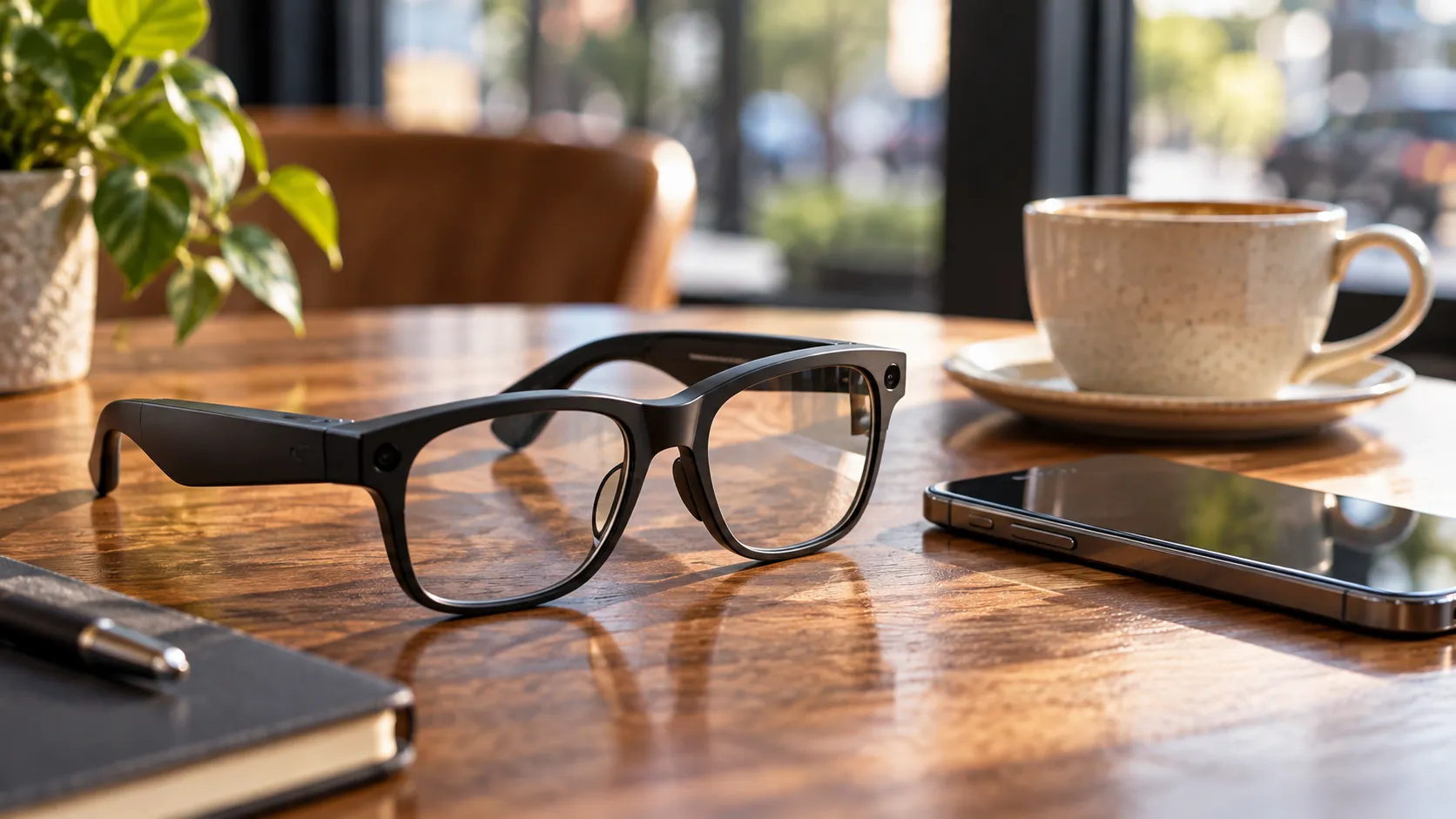
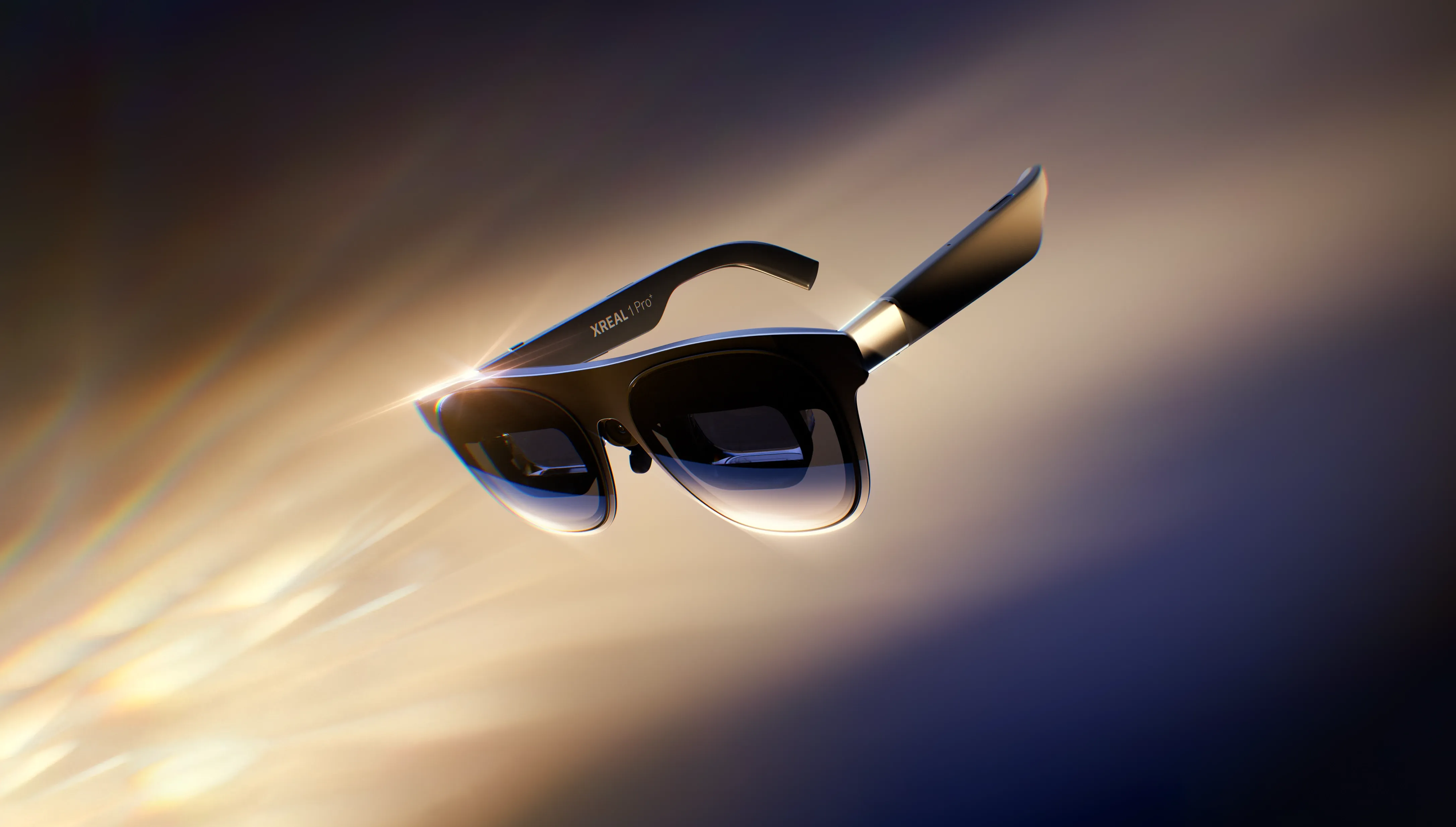
Xreal just dropped what might be the most compelling AR glasses yet, and the timing couldn't be better. The new 1S model delivers enhanced visuals with sharper 1200p resolution instead of the previous 1080p displays (Engadget), while simultaneously reducing the price from $499 to a more accessible $449 (Android Central). The glasses create an impressive virtual screen experience that can scale up to 500 inches, according to Android Central, making this a significant upgrade for portable entertainment.
What makes the visual upgrade so compelling?
The display improvements go beyond just resolution bumps. Peak brightness has increased from 600 to 700 nits, according to Engadget, making content more visible in various lighting conditions. The field of view expands from 50 to 52 degrees (The Verge), while the aspect ratio shifts from 16:9 to 16:10 for a more immersive viewing experience.
What's interesting is how these seemingly incremental numbers translate to real-world usage. That extra brightness means you can actually use these glasses in environments where previous models might have struggled—think airplane cabins or brightly lit offices. The wider field of view, even just those two extra degrees, creates a noticeably more expansive feeling when you're watching content or working on documents. The shift to 16:10 aspect ratio particularly benefits productivity tasks, offering more vertical screen real estate for document editing and web browsing.
These Sony Micro-OLED displays maintain the smooth 120Hz refresh rate (Tom's Guide), ensuring fluid motion for gaming and video content. The combination of higher resolution and faster refresh creates what early testers describe as remarkably crisp visuals that rival traditional monitors in clarity.
How does the new 3D conversion actually work?
The standout feature might be the Real 3D conversion capability powered by Xreal's X1 spatial computing chip. This technology can instantly transform regular 2D content into 3D without requiring special software or accessories (ZDNet). The X1 processor analyzes depth information in real-time and adds dimensional layers to flat content (Tom's Guide).
Think of it as having a built-in conversion engine that's constantly working behind the scenes. The chip examines each frame, identifies objects at different distances, and creates the illusion of depth by adjusting how each eye sees the image. This builds on the enhanced visual foundation of the improved displays—the higher resolution and brighter output provide cleaner source material for the depth analysis, resulting in more convincing 3D effects.
Early testing suggests this conversion works better than expected, according to Tom's Guide, making it the first Xreal model to offer this capability. What makes this particularly impressive is the subtlety—you're not dealing with the gimmicky 3D effects that plagued early TV implementations. This is more sophisticated depth enhancement that makes movies feel more immersive without the eye strain or artificial-looking pop-out effects.
Why the Neo hub changes everything for gamers
The companion Neo power hub addresses one of the biggest limitations of portable AR glasses. This $99 accessory packs a substantial 10,000mAh battery while functioning as a DisplayPort hub (CNET).
For Nintendo Switch users, the Neo enables direct connection without a dock and upgrades the display from the console's native 720p to full 1200p TV mode (ZDNet). This resolution jump becomes particularly meaningful when combined with the 1S's improved display specifications—that 1200p signal gets displayed through the enhanced Sony Micro-OLED panels with 700-nit brightness, creating a premium handheld gaming experience that's genuinely comfortable for extended sessions.
Steam Deck owners benefit from enhanced resolution support up to 1200p, according to Silicon Angle, while the hub's magnetic attachment system makes portable gaming more practical. The magnet is strong enough to securely hold your device but gentle enough that you won't worry about damaging anything when detaching.
What's particularly clever is how the Neo eliminates the usual cable management nightmare that comes with portable setups. The integrated USB-C cable means one less thing to lose, and the kickstand design creates a stable gaming station whether you're on a plane tray table or hotel desk. For travelers who already appreciate the 1S's improved visibility in various lighting conditions, the Neo extends that versatility to full gaming setups.
Where does this leave the competition?
At $449, the 1S undercuts many premium AR alternatives while delivering specs that surpass even Xreal's more expensive One Pro model (CNET). The lightweight 82-gram design maintains comfort during extended use (9to5Google), while Bose-tuned audio provides spatial sound without external headphones (Silicon Angle).
Here's where that 82-gram specification becomes crucial for extended productivity and entertainment sessions. This weight sits comfortably in the sweet spot—light enough for all-day wear during work scenarios, yet substantial enough to feel stable during active gaming or movie watching. The balanced weight distribution, combined with flexible temples and adjustable hinges, means users can comfortably leverage the improved 700-nit displays for hours without the neck strain associated with heavier competing headsets.
With the Neo hub shipping in February 2026 and early bird pricing at $99 until February 4th (Android Central), Xreal has positioned itself as the accessible entry point for serious AR computing. The pricing strategy feels deliberately aggressive—they're clearly betting that volume sales at lower margins will establish market dominance before competitors can match these specifications.
What this means for portable computing's future
The 1S represents more than incremental hardware improvements—it signals AR glasses reaching mainstream viability. The combination of better visuals, lower pricing, and practical accessories like the Neo hub addresses the core barriers that have kept AR displays niche (Tech Radar).
Think about it this way: we're approaching the point where carrying a massive external monitor becomes unnecessary for many use cases. Whether you're editing documents on a cramped airplane seat, gaming in a hotel room, or watching movies without disturbing others, these glasses offer genuine utility that extends beyond novelty. The Real 3D conversion capability adds an entirely new dimension to this proposition—suddenly your existing content library becomes more immersive without requiring specialized 3D media.
With support for everything from laptops to gaming handhelds, these glasses offer genuine utility for work and entertainment scenarios. The real test will be whether consumers embrace this vision of portable computing, but Xreal has certainly made the strongest case yet for putting a cinema-sized screen in your pocket.
What's particularly compelling is how the technology addresses practical concerns rather than chasing futuristic concepts. Instead of trying to overlay digital information onto the real world (which often works poorly), the 1S focuses on creating an excellent virtual display experience that actually enhances productivity and entertainment in measurable ways. When those capabilities can fit in 82 grams and cost under $450, we might finally be witnessing the tipping point where AR glasses transition from enthusiast novelty to mainstream computing tool.



Comments
Be the first, drop a comment!