


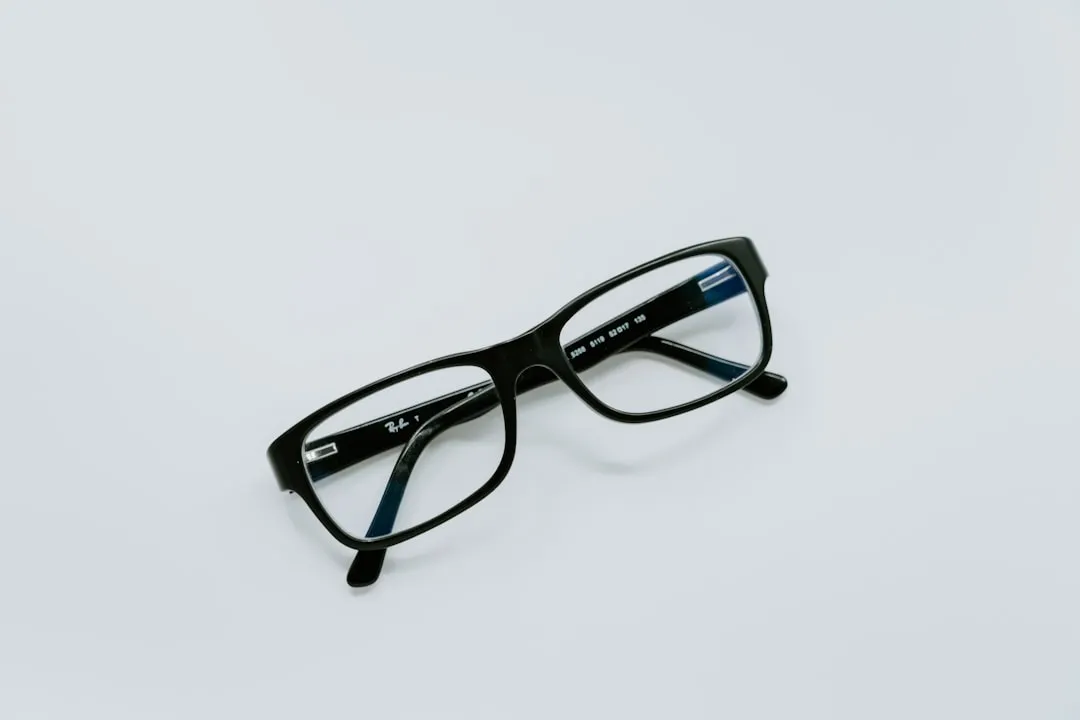
The wearable tech world has been buzzing about Meta's Ray-Ban smart glasses, and for good reason. These innovative devices have successfully bridged the gap between cutting-edge technology and everyday wearability, becoming best-sellers in 60% of Ray-Ban stores across the EMEA region and selling millions of units worldwide. But with whispers of a third generation on the horizon, potential buyers face a critical question: Should you invest in the current technology or wait for what's coming next?
Current smart glasses technology has reached a remarkable maturity level, with Ray-Ban's parent company announcing they've sold two million pairs since late 2023. The latest second-generation models offer substantial improvements over their predecessors, featuring enhanced 12MP camera sensors that can now capture in 3K resolution at 30fps compared to the original's 1080p capability. This leap in video quality represents more than just better specs—it signals the technology's evolution from experimental gadget to professional-grade tool. Battery performance has also seen significant gains, with Gen 2 offering up to 8 hours of moderate use compared to Gen 1's 4 hours, effectively doubling the practical usage window for most users.
What makes the current generation so compelling?
The Ray-Ban Meta Gen 2 represents a significant leap in practical smart eyewear technology, building on the foundational success that drove those impressive sales figures. These glasses function as sophisticated AI-powered devices that seamlessly integrate into daily life, offering AI-powered live translation that is free and translates accurately and quickly. The enhanced connectivity features include Wi-Fi 6 and Bluetooth 5.3, providing robust wireless performance for streaming and data transfer that keeps pace with modern smartphone expectations.
What truly sets Meta apart in this space is their commitment to continuous improvement through software evolution. The company follows a steady improvement model where software updates are not chained to hardware cycles, meaning current owners continuously benefit from new capabilities without needing hardware upgrades. This approach transforms the glasses from static devices into evolving platforms. Recent updates have expanded language support, with live translation now including German and Portuguese, supporting conversations across six languages. The hardware foundation supports this evolution with features like IPX4 water resistance and rapid charging that can charge to 50% in just 20 minutes.
Beyond the technical specifications, these glasses excel in real-world scenarios that highlight why they've achieved mainstream success. They serve as high-quality Bluetooth headphones with speakers positioned under the arms near the ears, while recording photos and one-minute video clips through an integrated camera system. The practical improvements are immediately noticeable, with Gen 2's sharper and more vivid 3K recordings compared to older models' 1080p, making them genuinely useful for content creators and everyday documentation alike.
The Gen 3 horizon: what's actually coming?
While current models deliver impressive functionality, the third generation promises to address the remaining limitations that keep smart glasses from achieving their full potential. According to research from the XR Research Institute, the Ray-Ban Meta Gen 3 specs are rumored to deliver all-new designs in two styles, an upgraded vision of multi-modal Meta AI and an updated chipset featuring the latest Snapdragon AR1+. The timing aligns with Meta's broader AR strategy, with the Ray-Ban Meta successor expected to arrive in 2026.
Camera improvements represent the most anticipated upgrade for the next generation, addressing one of the current model's key limitations. Meta has candidly acknowledged that while the current glasses' camera quality is similar to the iPhone 11 from 2019, they're aiming for the camera in the next gen to be on par with the iPhone 13. This improvement would bring smart glasses photography into the modern smartphone era, making them viable replacements for quick mobile photography rather than just supplementary devices.
The AI capabilities expansion looks equally promising, with upgraded Meta AI providing longer interaction sessions, including additional live AI time with recording storage. This enhancement could enable transformative features like helping you remember where you left your car keys or someone's name by pulling up data from your personal recordings on request—essentially creating a personal memory assistant that operates through natural conversation.
However, these improvements come with expected cost implications. Pricing speculation suggests Ray-Ban Meta Smart Glasses Gen 3 are expected to retail for $400-500, representing a significant increase from current models that positions them firmly in premium smart device territory.
The competitive landscape is heating up
The smart glasses market's explosive growth creates both opportunities and challenges for potential buyers. Market analysis shows the global smart glasses market was valued at an estimated $1.9 billion US in 2024, and is projected to reach $8.2 billion US by 2030, indicating massive investment and innovation ahead. This growth attracts serious competitors, with new entrants like the Even Realities G1 and Rokid Glasses offering alternative approaches to smart eyewear.
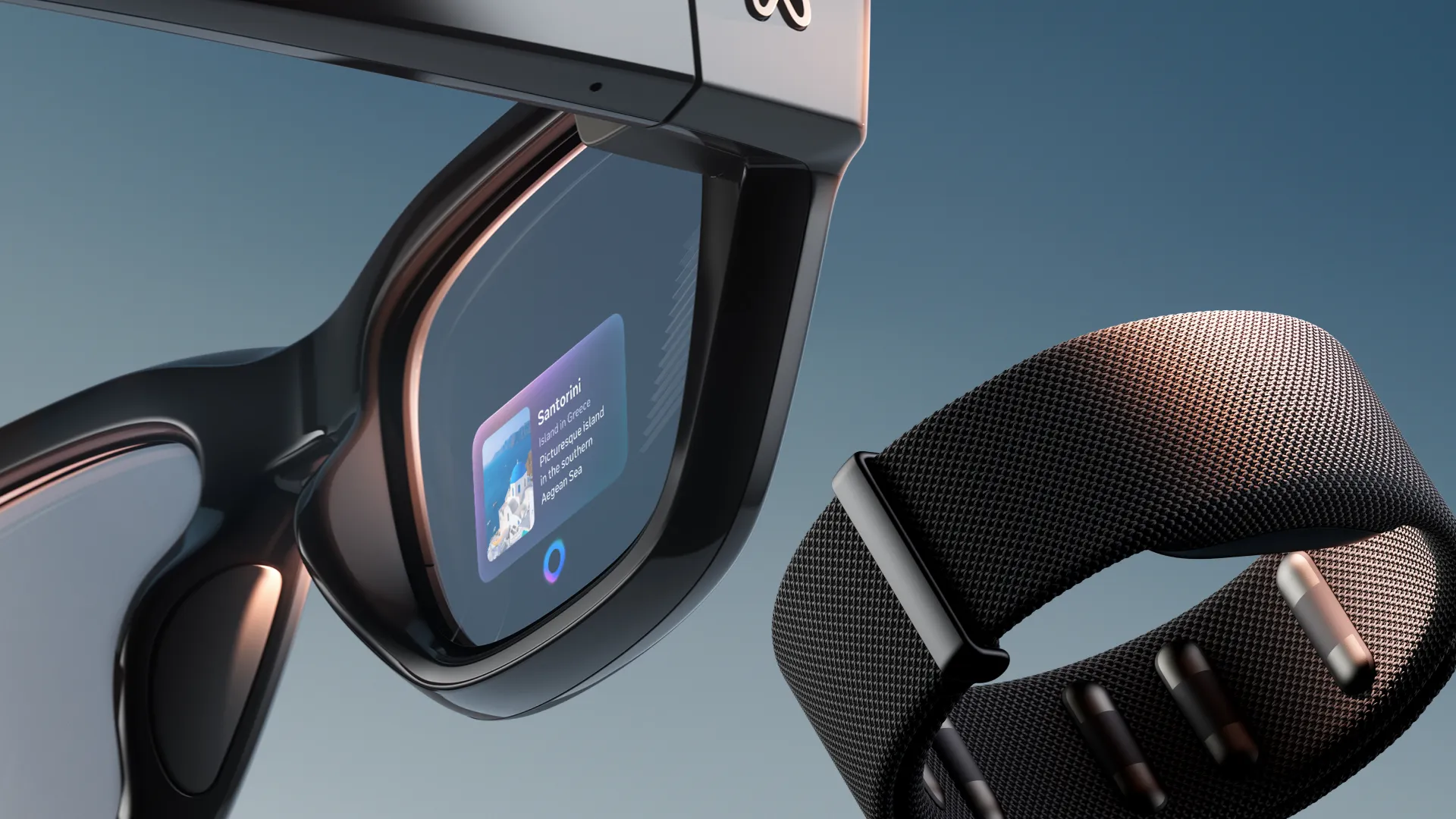
Advanced display technology emerges as a key differentiator in next-generation devices. Companies like Lumus are developing breakthrough waveguide systems, with the ZOE prototype offering a 70-degree field of view, much larger than the 20 degrees offered by the Meta Ray-Ban Display. These innovations suggest that display-equipped smart glasses could leapfrog camera-only models in functionality.
Despite intensifying competition, Meta maintains strategic advantages. EssilorLuxottica announcing they are extending their partnership with Meta for another 10 years ensures continued development resources and manufacturing expertise. This stability allows Meta to focus on refining their platform rather than establishing basic manufacturing capabilities, while competitors must solve both technological and production challenges simultaneously.
Making the smart choice for your needs
The decision framework comes down to balancing immediate utility against future capabilities and your specific use cases. Current Ray-Ban Meta glasses deliver exceptional value for today's needs, with the second-generation glasses still being the most practical smart glasses on the market. For users who need smart glasses functionality now—whether for content creation, language translation, or hands-free communication—these devices provide proven, reliable performance at accessible price points of starting prices of $299 for the original model and $379 for the Gen 2.
PRO TIP: Consider your primary use case when evaluating timing. If you're a frequent traveler who would benefit immediately from live translation, or a content creator who needs hands-free recording capabilities, the current generation delivers tangible value today. However, if photography quality is paramount to your workflow, waiting for Gen 3's enhanced camera might be worthwhile.
The waiting consideration becomes more complex when factoring in Meta's software-first approach. Since Meta's steady improvement model means you're not buying a frozen gadget, but a platform that improves month after month, current models continue gaining capabilities over time. Additionally, the potential for discounted pairs of Gen 2 during Black Friday sales if Gen 3 releases before year-end could provide significant savings for price-conscious buyers.
Where smart glasses are heading next
The trajectory for smart eyewear extends far beyond incremental hardware improvements toward fundamental shifts in human-computer interaction. Meta's long-term vision includes always-on 'contextual AI' capabilities that could fundamentally change how we access and process information throughout our day. Rather than discrete interactions with digital devices, we're moving toward ambient computing, where assistance and information flow naturally through conversation and visual cues.
Industry observers recognize this potential, with Lumus seeing its technology as enabling users to lessen dependence on phones as smart glasses proliferate. This vision suggests a future where glasses become primary computing devices, handling tasks we currently reach for smartphones to accomplish. The progression from today's camera-and-audio glasses to tomorrow's AI-powered personal assistants represents more than technological evolution—it's the foundation for a new computing paradigm.
The current generation has already proven that smart glasses can transcend novelty status to become genuinely useful tools. With Meta considering the current Ray-Ban Meta glasses legitimately the best piece of AI hardware you can buy right now, the foundation for this technological evolution is solidly established. Whether you choose to buy now or wait, you're participating in a transformation that will reshape how we interact with the digital world—the question is simply when you want to begin that journey and what level of capability best serves your immediate needs.







Comments
Be the first, drop a comment!