


Reviewed by: Y. Garcia
CES 2026 marked the moment when smart glasses finally evolved from awkward tech experiments into products people actually want to wear. The showcase revealed devices that actually look like something you'd want to wear outside your house, with manufacturers demonstrating a deeper understanding of user behavior and adoption patterns. This year's exhibition featured fewer but larger booths with heightened visitor interaction, signaling the industry's maturation from chaotic startup showcase to focused product development.
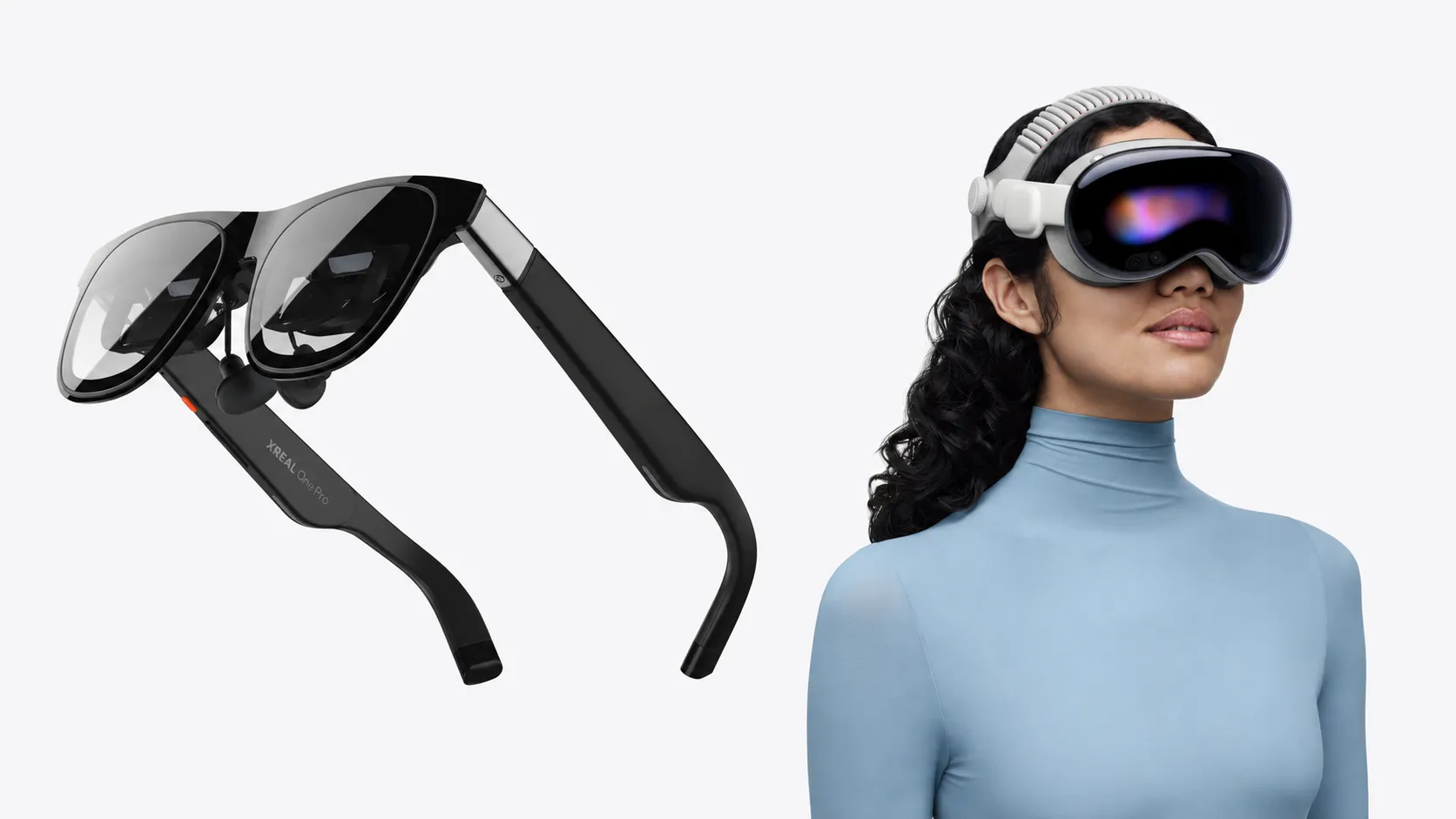
The transformation is evident in the design philosophy shift — manufacturers have abandoned the "Google Glass aesthetic" in favor of frames that could pass for prescription eyewear. This isn't just about aesthetics; it represents a fundamental understanding that mainstream adoption requires social acceptance alongside technological capability.
What makes CES 2026 different from previous years?
The fundamental shift at CES 2026 wasn't just about better hardware — it was about strategic focus. Different companies zeroed in on distinct use cases rather than trying to build one device that does everything poorly, marking a genuine inflection point for the industry. The glasses demonstrated at the show pushed the boundary of past models with longer battery lives, more functionalities, increased comfort, and more, while serving various purposes from XR desktop setups to AI-powered assistants competing with Meta's Ray-Bans.
This specialization strategy mirrors the smartphone industry's eventual market segmentation — gaming phones for enthusiasts, budget phones for basic needs, camera phones for creators. Smart glasses manufacturers have finally learned that attempting to be everything to everyone typically results in mediocrity across all functions.
The smart glasses sector marked a clear transformation, moving beyond the chaotic showcase of numerous startups seen in 2025 to a more streamlined exhibition. Instead of overwhelming visitors with dozens of half-baked prototypes, 2026 featured mature products with clear value propositions and realistic roadmaps to market.
PRO TIP: Look for glasses that excel in one primary function rather than those claiming to revolutionize everything simultaneously. The best performers at CES 2026 were specialists, not generalists.
Gaming and entertainment take center stage
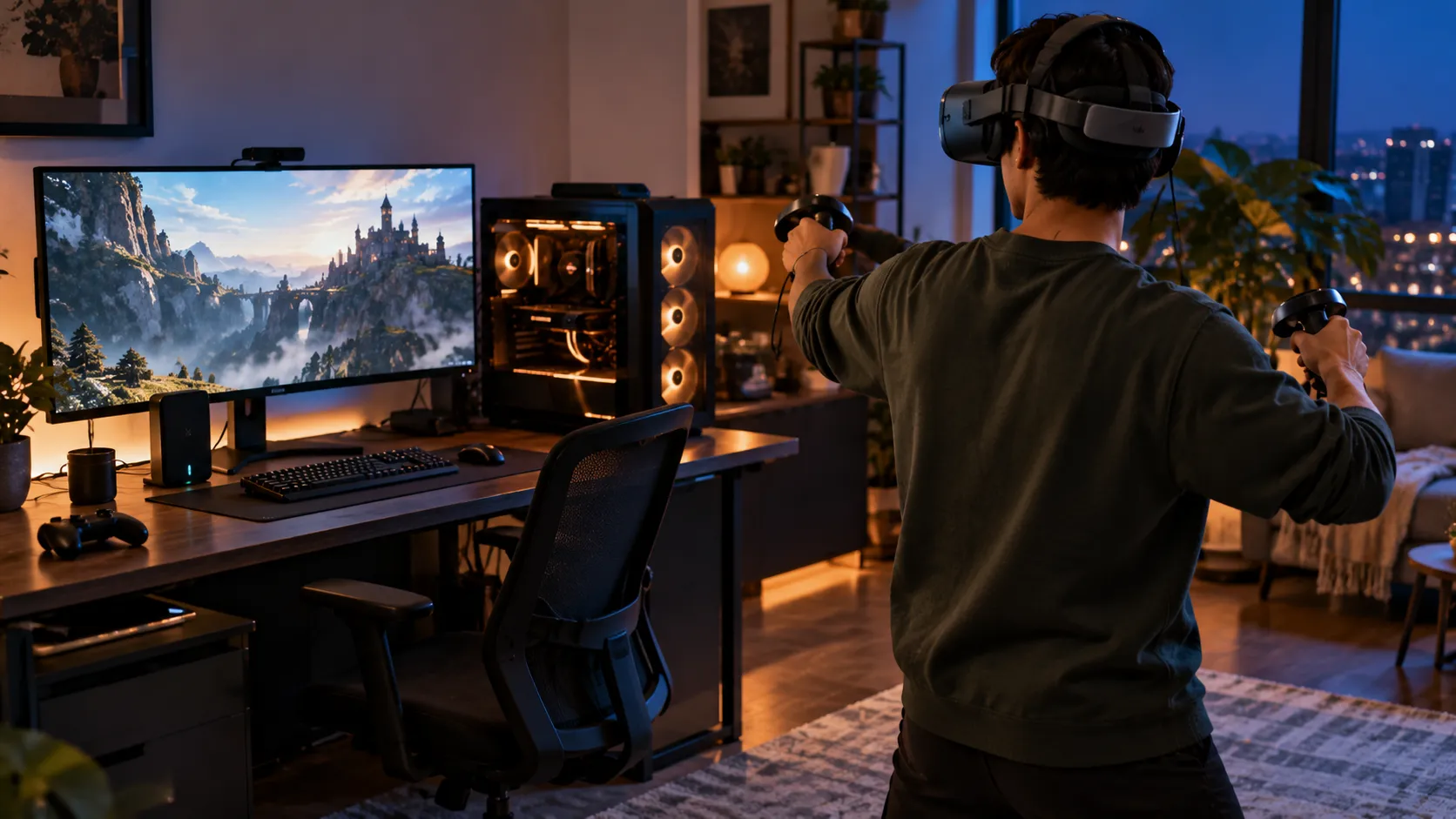
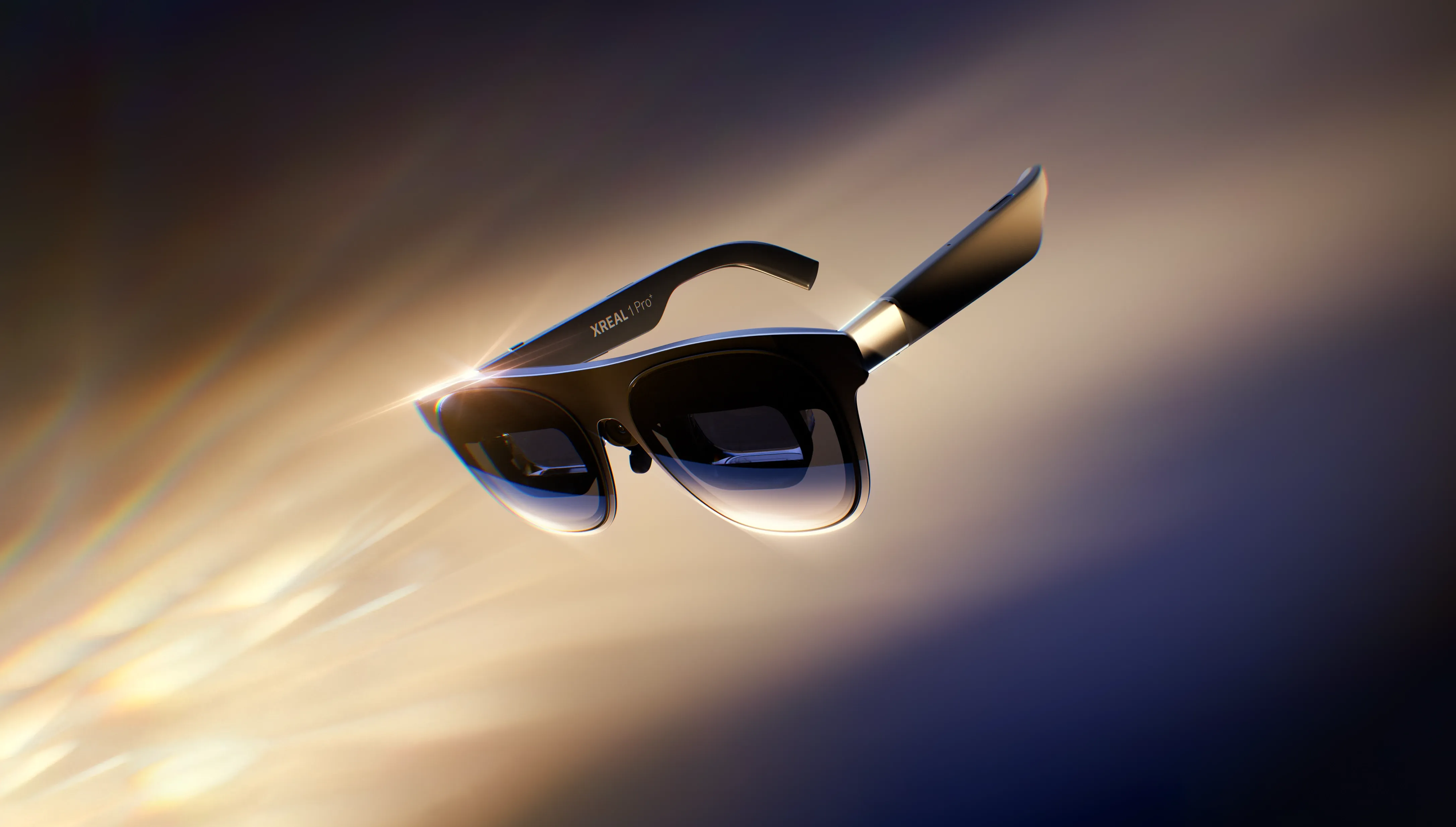
The standout gaming performer was undoubtedly the Asus ROG Xreal R1, which delivers what feels like having the best gaming monitor you could ever want floating right in front of your face. These glasses achieve the world's first AR glasses with a 240 Hz refresh rate and project a 171-inch virtual display with depth of field sensors for virtual screen pinning.
Having tested numerous display glasses over the years, the ROG R1 represents a paradigm shift in gaming viability. The buttery-smooth 240Hz refresh rate with crisp 1080p OLED resolution eliminates the motion blur and lag that plagued earlier generations. For competitive gaming, this responsiveness is crucial — the difference between seeing an opponent and missing them entirely often comes down to display refresh rates.
The user experience extends beyond raw performance through thoughtful engineering decisions. Electrochromic lenses automatically adjust to lighting conditions, solving the common problem of display washout in bright environments. The included dock system with dual HDMI ports and DisplayPort connectivity transforms desk setup management — you can simultaneously connect a gaming PC, console, and streaming device, switching between them instantly without cable swapping.
The planned 2D-to-3D conversion technology creates convincing stereoscopic effects that, while not perfect, add spatial depth to compatible content. During demonstrations, racing games and first-person shooters showed the most dramatic improvement, with environmental depth cues enhancing gameplay immersion beyond traditional flat screens.
AI integration reaches new heights of sophistication
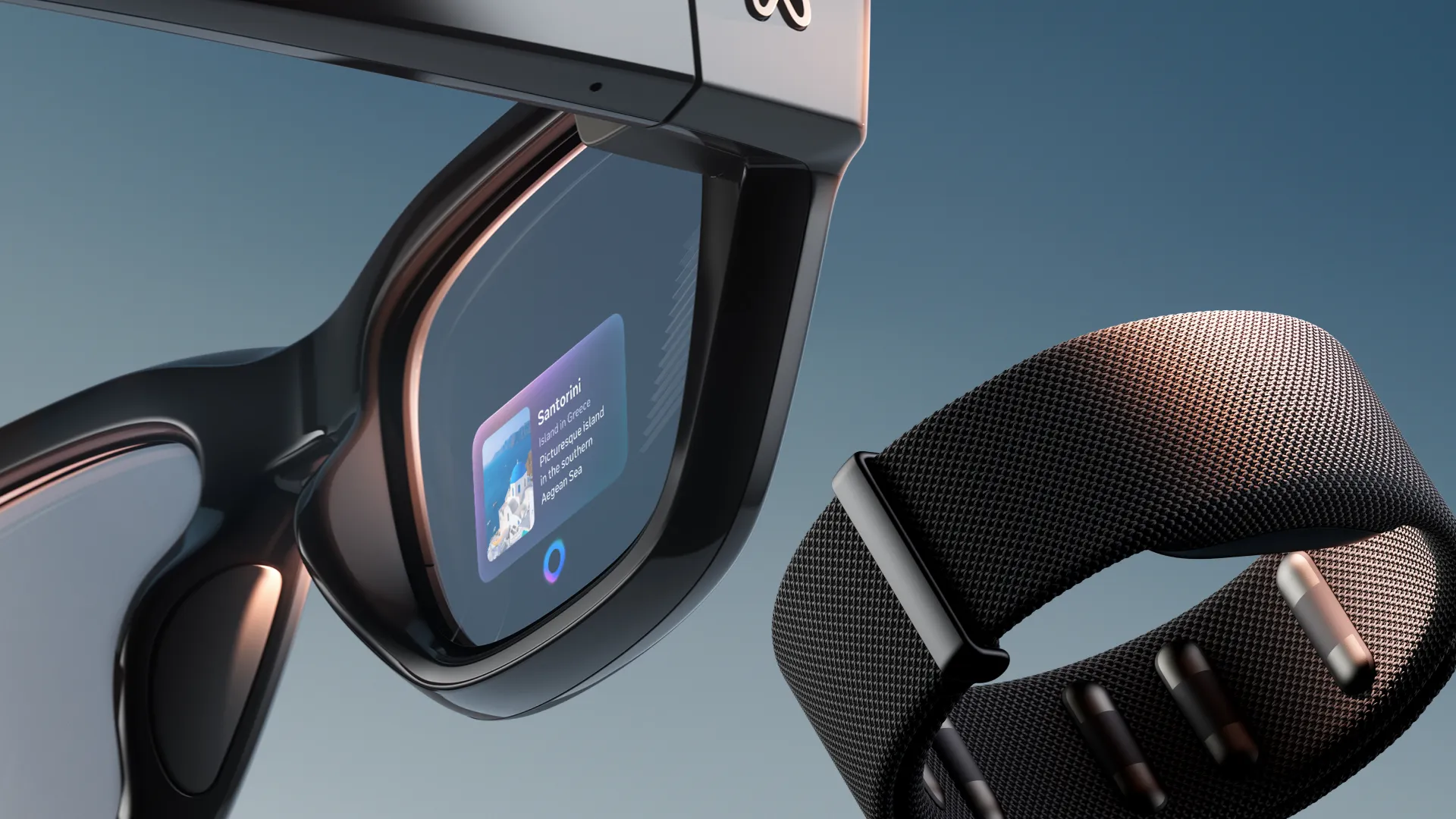
The AI capabilities showcased at CES 2026 represent a quantum leap in practical functionality. The Even Realities G2 demonstrated the best heads-up display at CES, with features like live translation, map navigation, and teleprompter mode, while maintaining thin frames that don't look clunky. These glasses can interface with popular LLMs and AI wrappers such as ChatGPT, Gemini, and Perplexity, offering enhanced transcription that follows conversations, makes notes, and creates AI summaries.
The interaction design represents years of learning from smartphone touch interfaces. Touch-sensitive bulbs at the back end of the stems respond to taps, swipes, and long presses, creating an intuitive control system that doesn't require looking away from your environment. After brief familiarization, navigation becomes automatic — a crucial factor for all-day wearability.
The sophistication extends to contextual awareness capabilities, where glasses can identify and display each person's position and company during conversations. While this raises obvious privacy considerations, the professional networking applications are undeniable. The Conversate feature works like enhanced transcription, following along with both halves of conversations, making notes, and creating AI summaries, effectively providing a digital memory assistant for business meetings.
Real-time translation capabilities demonstrate the technology's practical maturity. The glasses can translate spoken sentences in real time with accuracy sufficient for actual communication assistance rather than mere demonstration purposes. The G2 glasses last up to two days on a single charge, addressing the battery anxiety that has limited previous AI-powered wearables.
Display technology reaches new milestones
The display innovations at CES 2026 pushed boundaries in multiple directions. TCL's RayNeo Air 4 Pro became the first pair of smart glasses to support high dynamic range (HDR) content in HDR10, featuring a dedicated image quality chip and 1,200-nit peak brightness while weighing just 76 grams with a 120Hz refresh rate.
HDR support in smart glasses represents more than incremental improvement — it fundamentally changes content consumption quality. The expanded color gamut and contrast ratios make streaming content visually competitive with premium home displays. The dedicated image quality chip and 1,200-nit peak brightness ensure HDR content renders as intended rather than compressed for lower-capability displays.
Meanwhile, Lumus showcased breakthrough waveguide technology with a ZOE prototype pushing past a 70-degree field of view that feels like a wraparound display, using basic glass and optics to prove a wide field of view can work without exotic materials. This breakthrough addresses the fundamental limitation of current AR displays — the "window effect" where content appears in a small viewing rectangle rather than filling natural vision.
The engineering achievement extends beyond the field of view expansion. The optimized Z-30 model achieved remarkable efficiency with an 11-gram optical engine hitting 8,000 nits per watt, directly translating to extended battery life. The 30-degree field of view waveguides are 30% lighter and 40% thinner than previous generations, enabling integration into frames indistinguishable from traditional eyewear.
Lumus's approach, using geometric reflective waveguides with greater efficiency than refractive ones, shows that wide-field displays don't require exotic materials or manufacturing processes that drive up consumer costs. This cost-effectiveness positions advanced display technology for mainstream rather than niche adoption.
Where smart glasses go from here
The market segmentation strategy demonstrated at CES 2026 reflects a mature understanding of consumer needs and technological limitations. Industry-wide progress includes 240Hz gaming displays, HDR10 support in budget models, and all-day comfort, while companies like XGIMI announced three new pairs of AI smart glasses built around a hybrid multi-LLM system combining OpenAI, Azure, and Qwen models.
This specialization approach accelerates mainstream adoption by offering clear value propositions rather than overwhelming feature lists. Gaming-focused glasses prioritize display performance and low latency. AI-powered models emphasize battery life and contextual awareness. Productivity variants optimize for text clarity and ergonomic comfort during extended use sessions.
The success of current display technology is helping drive other companies to chase similar form factors and solutions, creating positive competitive pressure for innovation. Google's promising mixed reality platform, potentially becoming a unifying force for the entire smart glasses category, could provide the ecosystem coherence that has been missing from the fragmented early market.
Platform standardization addresses one of consumers' biggest concerns about early adoption — buying into a technology dead-end. Universal software compatibility and cloud service integration make smart glasses more like smartphones with interchangeable hardware rather than isolated gadgets with proprietary ecosystems.
The trajectory suggests we're crossing the threshold from experimental technology to practical tools. By late 2026, expect smart glasses in mainstream retail channels, fashion collaborations with major brands, and integration into professional workflows. The fundamental questions have shifted from "can this technology work?" to "which implementation serves my specific needs best?"
The convergence of improved displays, extended battery life, natural interaction methods, and focused use cases positions smart glasses as the next major consumer technology category. Unlike previous wearable attempts, the current generation solves real problems without requiring users to compromise comfort or social acceptability.

Comments
Be the first, drop a comment!