


Reviewed by: Y. Garcia
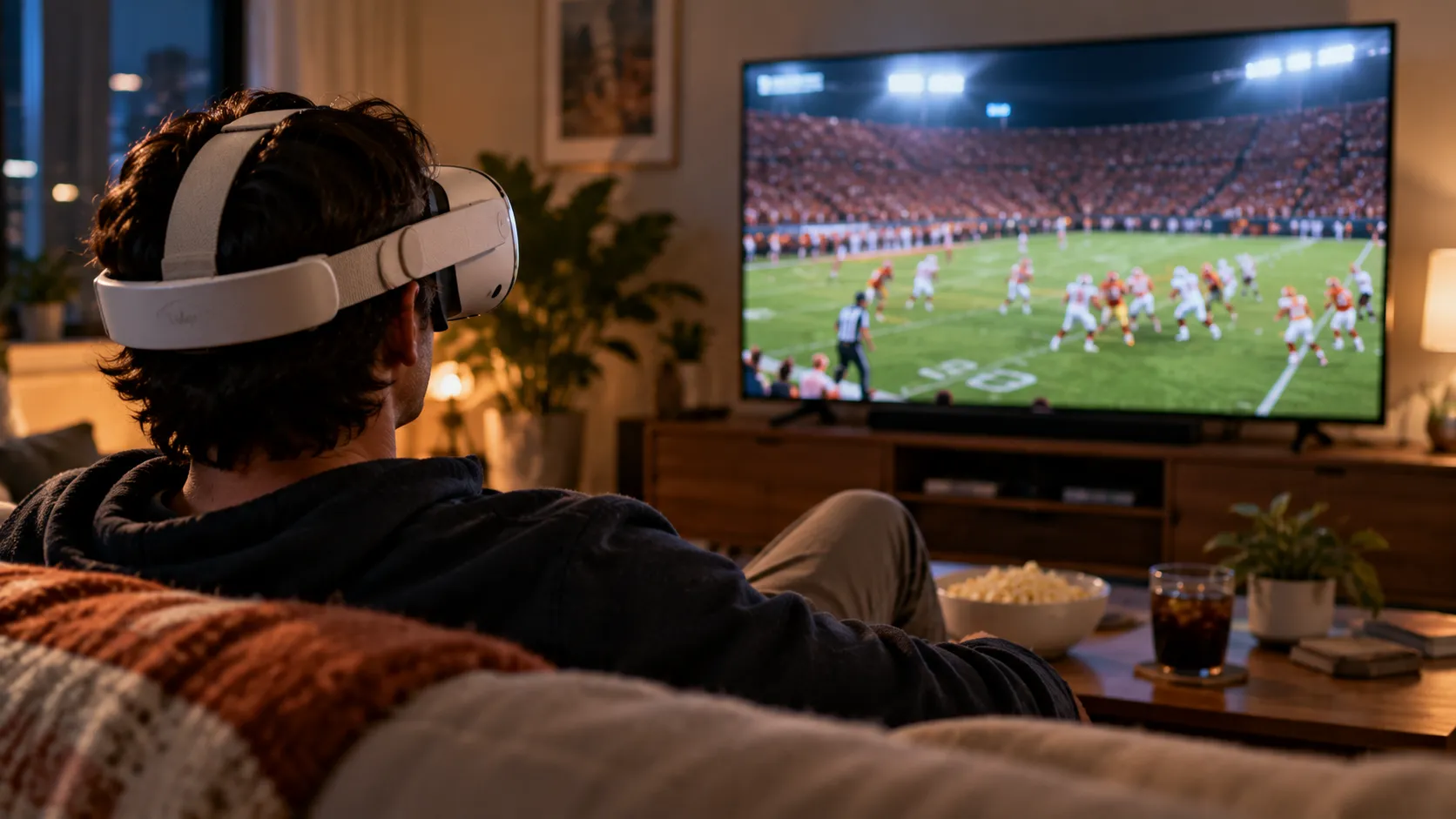
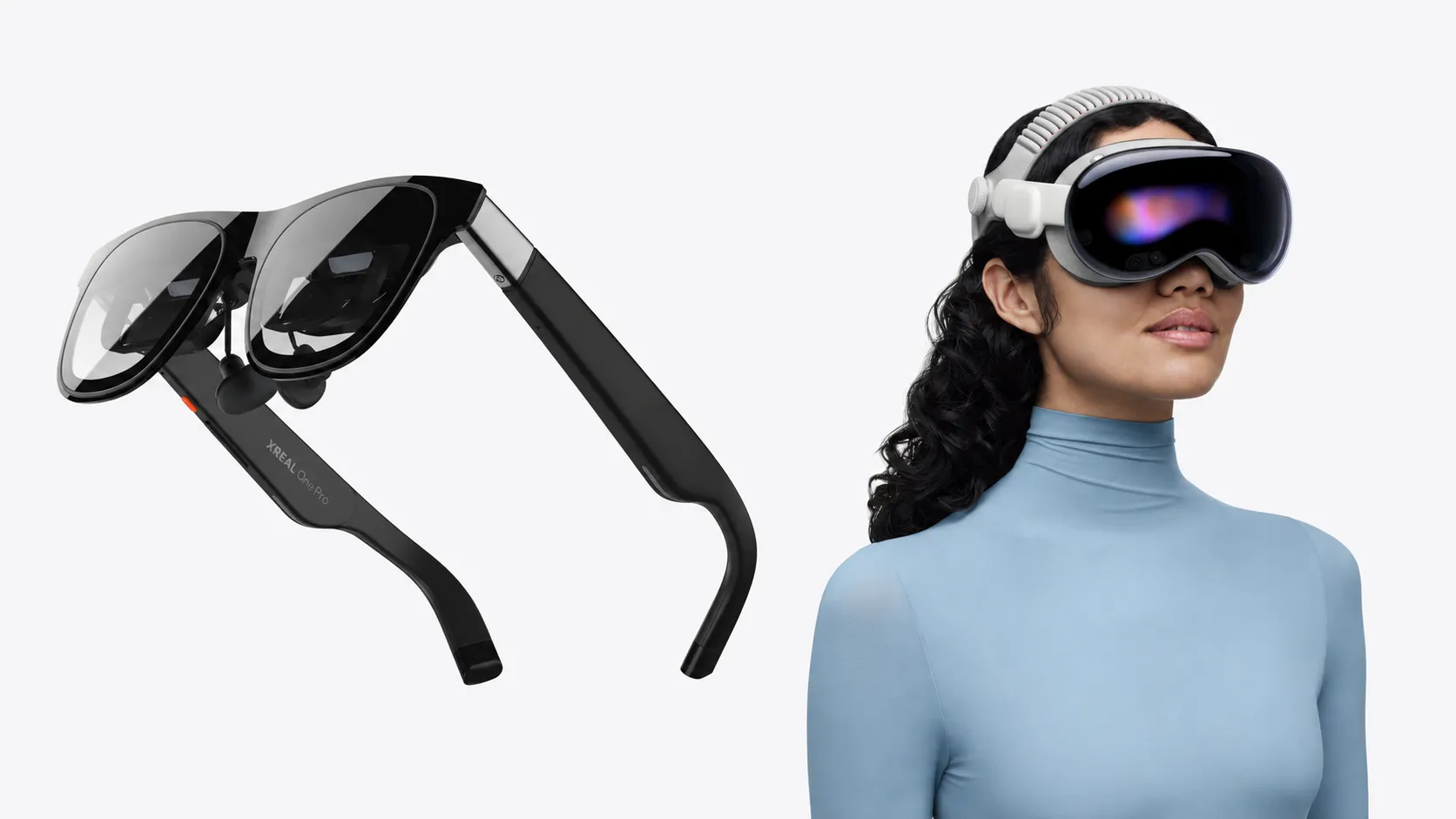
The movie experience has changed dramatically over the past few years, and I have to tell you — XR glasses have completely revolutionized how I consume entertainment. These lightweight wearable displays are creating massive virtual screens equivalent to well over 100 inches, according to multiple industry reviews. What's particularly impressive is how these devices provide cinema-quality experiences with exceptional portability, as demonstrated by recent product launches. We've reached a genuine tipping point where smart glasses have finally gone mainstream at CES 2026, signaling a major shift in how we'll watch movies and consume media going forward.
From my testing experience, the most remarkable aspect is how these glasses completely transform your relationship with entertainment. You're no longer constrained by room size, seating arrangements, or even location. Whether I'm in a cramped airplane seat or my living room, I get the same massive, theater-quality display that makes traditional TVs feel limiting by comparison.
What makes XR glasses a game-changer for movie watching?
Here's what's truly revolutionary about these devices — they're creating theater-like experiences that you can take literally anywhere, and the technical specifications backing this up are genuinely impressive. Modern XR glasses can simulate screens up to 174 inches, with some models offering remarkably wide 58-degree fields of view. When I first put on a pair with this kind of field of view, the scale difference from traditional displays was immediately apparent.
The brightness levels have reached seriously impressive heights, too. Premium models are now achieving up to 1,500 nits of peak brightness, which means you get crystal-clear visibility even in well-lit environments. This solves one of the biggest limitations I experienced with earlier generations — no more dimming the lights or closing curtains to enjoy your content properly.
What really seals the deal is the advanced head tracking technology. This isn't just a screen floating in front of your eyes — the system anchors the virtual display in place, creating the impression of sitting in a theater watching a physical screen. When you turn your head, the screen stays put, just like it would in a real theater. After spending hours testing this feature, I can confidently say it fundamentally changes the viewing experience compared to traditional displays, making it feel genuinely immersive rather than just watching content on a small screen.
PRO TIP: The head tracking works best when you're seated in a stable position. While lying down works, the tracking performs optimally when you maintain good posture, just like you would in an actual theater.
How do the latest XR models stack up for entertainment?
The competition between major XR manufacturers has resulted in some seriously impressive feature sets across different price points, and honestly, it's exciting to see how far the technology has come. After testing multiple models, I can break down what's currently available and what makes each option compelling for different entertainment needs.
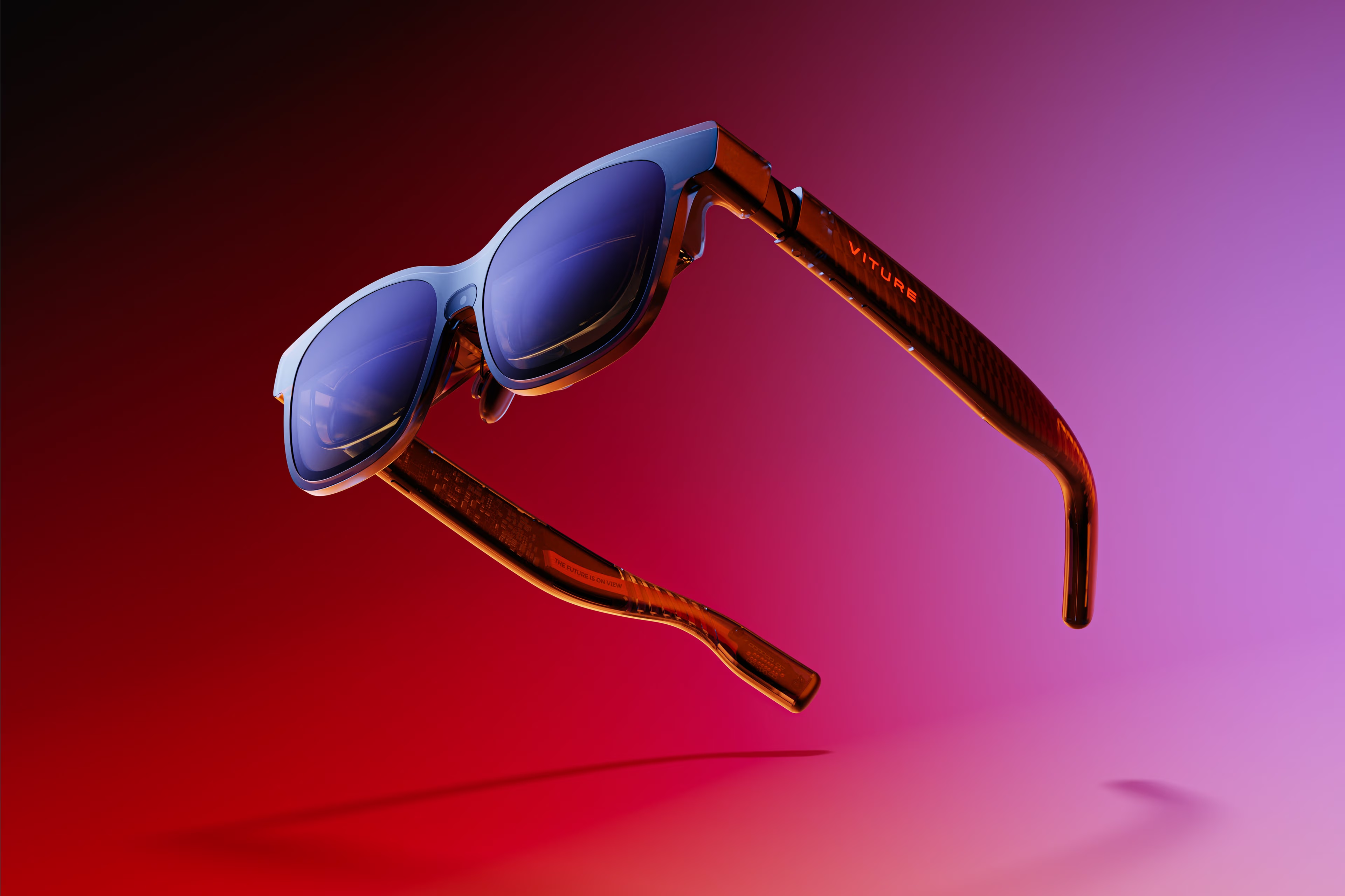
The Viture Beast is making waves with its 174-inch screen experience and 58-degree field of view, while maintaining excellent brightness at 1,250 nits. What I particularly appreciate from my hands-on experience is the inclusion of dynamic tint control — those automatic adjustments make a real difference when moving between different lighting conditions during long viewing sessions.
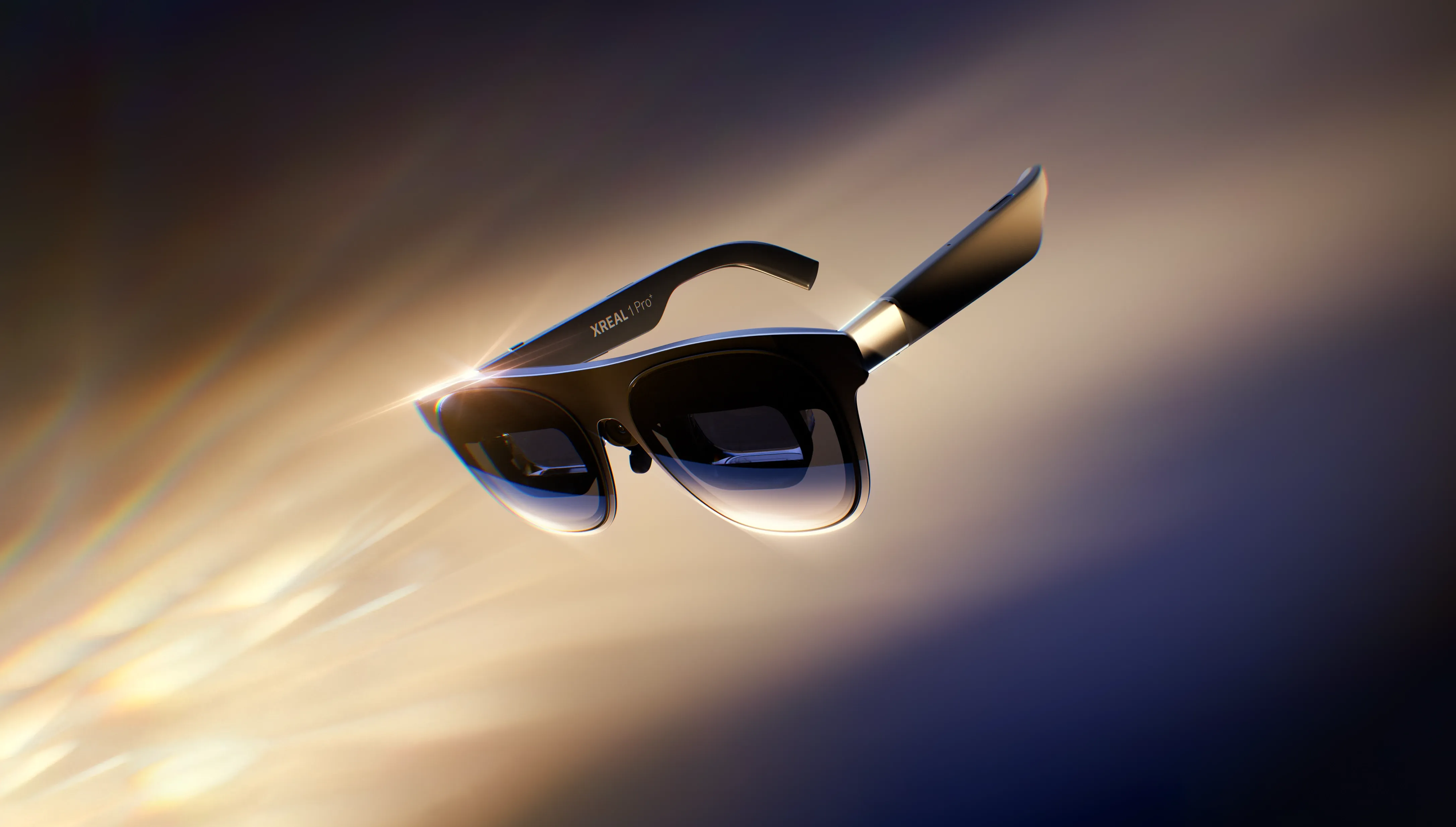
On the innovation front, the XReal 1S introduces something genuinely compelling with its 3D conversion technology. You can transform any 2D content into 3D with a simple button press, though from my testing, the results work significantly better with games than video content. When I tried it with action movies, the conversion created an impressive depth effect, but with dialogue-heavy scenes, it occasionally felt gimmicky rather than enhancing the experience.
For those willing to invest in premium options, the Viture Luma Ultra is pushing boundaries with its 152-inch virtual displays, 1200p resolution, and 6DoF tracking. At $599, it's positioned as a high-end option, but the Sony micro-OLED displays deliver remarkably sharp image quality that's marketed as a "4K-like 1200p" display. Having tested this model extensively, the color reproduction and contrast levels are genuinely impressive for movie watching.
What about the practical advantages over traditional viewing?
This is where XR glasses truly shine in ways that become obvious once you start using them regularly. The advantages go well beyond just having a big screen — they fundamentally change when, where, and how you can enjoy premium entertainment experiences.
The travel factor alone justifies the investment for frequent travelers. You can enjoy downloaded series or movies as if in a personal theater at 30,000 feet, which transforms long flights from endurance tests into entertainment opportunities. From my experience flying with these devices, fellow passengers often ask what I'm watching because they assume I have some kind of premium entertainment setup.
The integrated spatial audio systems provide superb immersion without requiring expensive surround-sound setups, which would cost significantly more at home. Think about it — a proper home theater system with quality surround sound can easily run into thousands of dollars, while XR glasses deliver that immersive audio experience built right in.
The connectivity factor eliminates setup frustrations entirely. Most modern devices work seamlessly with these glasses, as most Android phones and recent iPhones can work directly with smart glasses through USB-C ports, eliminating complex setup requirements. No more wrestling with HDMI cables, dealing with incompatible formats, or managing multiple remotes.
For people living in smaller spaces, XR glasses offer the ultimate solution. You get that massive screen experience without needing to dedicate an entire room to entertainment equipment or worry about neighbors complaining about sound levels during late-night viewing sessions.
Are there any limitations to consider?
Despite their impressive capabilities, current XR glasses do face some technical constraints that affect the viewing experience, and it's worth being realistic about what they can and can't deliver right now. From extensive testing, I've identified the key limitations that potential buyers should understand.
Resolution remains the most significant limitation. No consumer XR glasses currently offer 4K resolution, being stuck at full-HD or 1080p. For viewers accustomed to 4K TVs and high-resolution displays, this represents a step backward in pure image quality. However, the immersive scale often compensates for this limitation, especially when watching action content or cinematic experiences where the large screen size creates engagement that sharp resolution alone cannot match.
The field of view, while impressive compared to earlier generations, still cuts off at the edges, so it isn't quite the complete eye-filling experience of VR headsets. You'll notice the boundaries of the virtual screen, which can occasionally break the illusion of watching content on a truly massive display. This becomes most apparent during scenes with fast horizontal movement or wide panoramic shots.
Features like real-time 3D conversion can impact performance in noticeable ways. Some users experience stuttering and flickering that affects framerate, though this varies significantly by content type and the processing demands of what you're watching. In my testing, this was most problematic with high-action sequences and less noticeable during dialogue scenes.
Where is this technology heading next?
The future of XR entertainment looks incredibly promising, and the numbers backing up this growth trajectory are genuinely impressive. Industry forecasts predict display-free smart glasses shipments will grow from 3.3 million in 2025 to 32.4 million by 2030, representing an explosive 83.8% compound annual growth. Those aren't just optimistic projections — they reflect real consumer demand and technological readiness that I've witnessed firsthand at industry events.
The technical improvements coming down the pipeline are exciting and will address many of the current limitations I've mentioned. Next-generation devices like XREAL's Project Aura promise massive 70-degree field of view displays for unprecedented immersion levels. That's approaching the kind of field of view that could truly eliminate the sense of boundaries around your virtual screen, potentially solving the edge visibility issue that current models face.
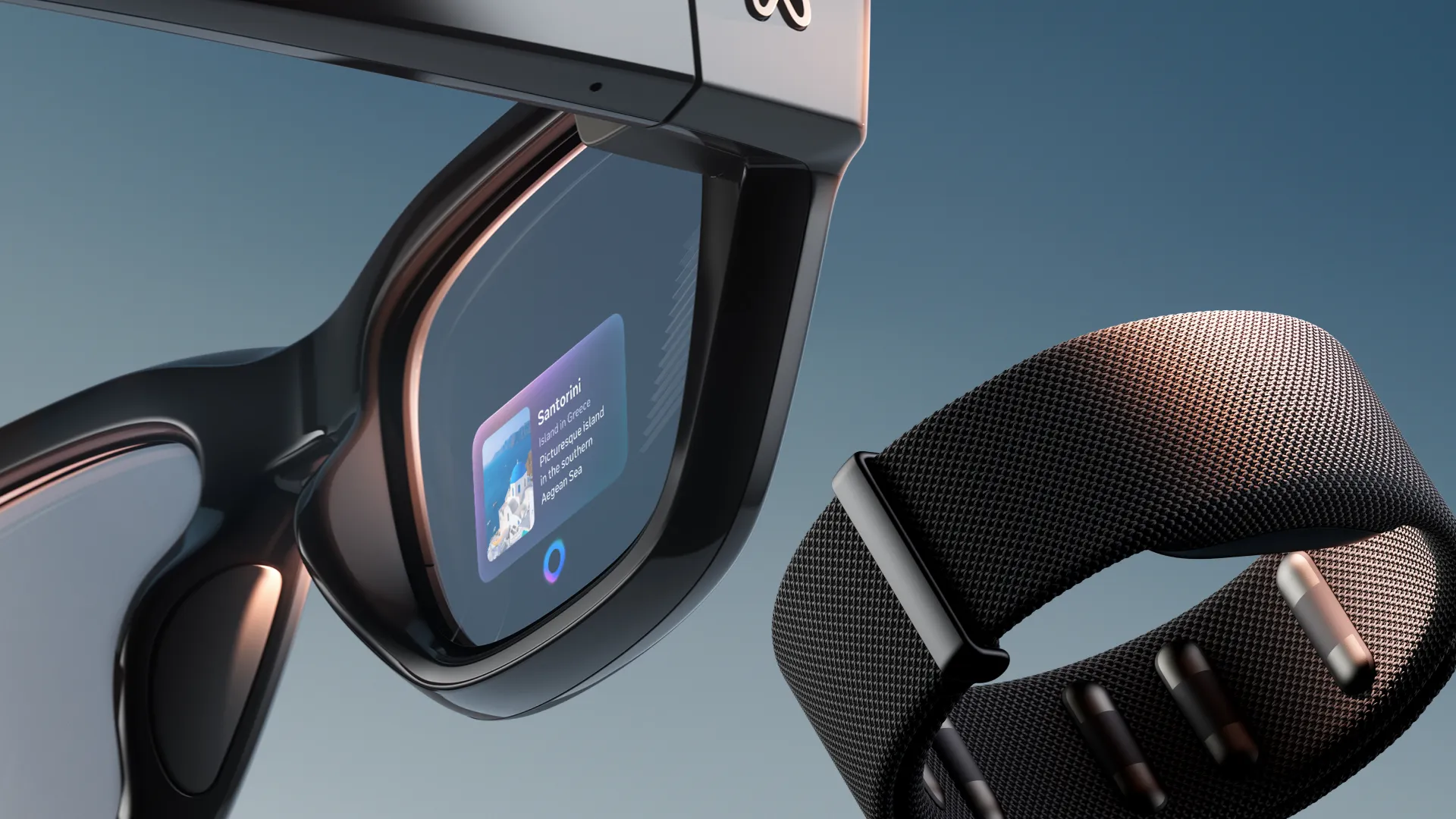
What's particularly interesting is how AI capabilities are being integrated into these systems. Companies are developing glasses that seamlessly blend digital and physical worlds while delivering contextual information directly in users' line of sight. This suggests that future XR glasses won't just be about entertainment — they'll become comprehensive digital assistants that happen to excel at media consumption.
The trajectory suggests that XR glasses will evolve from impressive novelty devices into essential entertainment and productivity tools. We're looking at a future where the distinction between "watching something on a screen" and "experiencing immersive content" becomes increasingly blurred. Based on the rapid pace of development I've observed, I think that transformation is closer than most people realize, and the entertainment experience will be fundamentally different within the next few years.

Comments
Be the first, drop a comment!